
Choosing the right door safety product depends entirely on the specific hazard you are trying to manage. A finger pinch guard protects the vulnerable hinge gap where curious fingers can easily get crushed, a door stopper prevents loud slamming and latch-side injuries caused by sudden drafts, and a door lock restricts access to off-limits rooms entirely. Instead of buying a generic bundle of baby-proofing gadgets, identifying your baby’s current mobility stage and evaluating the physical characteristics of your doors will help you select the exact tools needed to create a secure environment.
Diagnosing Your Specific Door Hazards
To build an effective baby-proofing strategy, you must first observe how your little one interacts with the environment. Babies progress rapidly from crawling to pulling themselves up on furniture, and eventually to reaching for door handles. A crawling baby is highly attracted to the small gaps near the floor, including the tempting space beneath a door or the open hinge side of a door left slightly ajar. Once they begin to stand and walk, their hands naturally seek out door frames and knobs for balance, dramatically increasing the risk of accidental pinches.
Every room in your home presents a distinct set of door-related risks. In high-traffic areas like living rooms or bedrooms, the primary hazard is often a door slamming shut due to sudden drafts from open windows or strong electric fans—a common occurrence in tropical households. In contrast, rooms like the kitchen, bathroom, or laundry area present structural hazards where a child should not enter unsupervised. Identifying whether you need to keep a door safely open, keep it securely closed, or simply protect the gaps when it moves is the first step in choosing the right harang sa pinto for baby.
Products mentioned in this guide
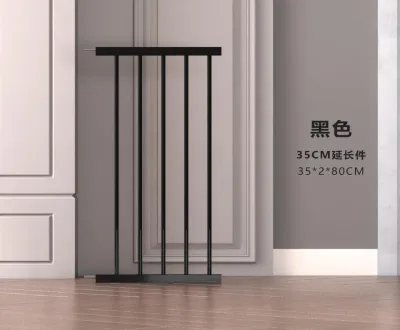
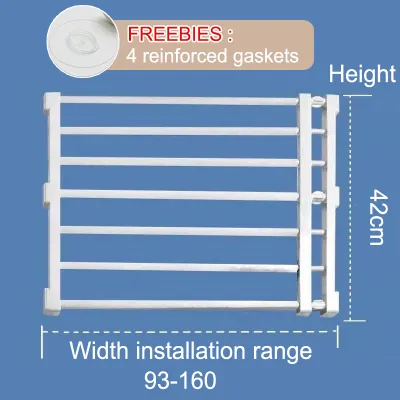
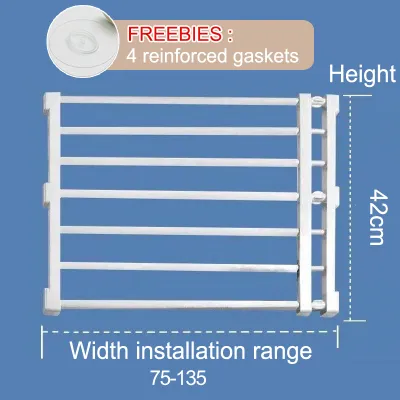
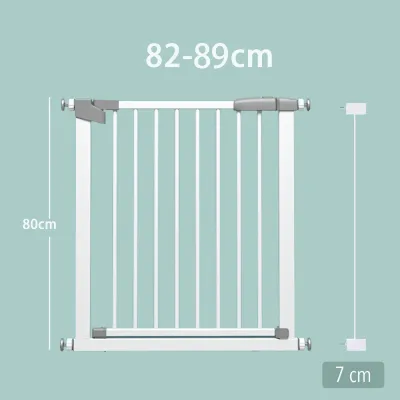
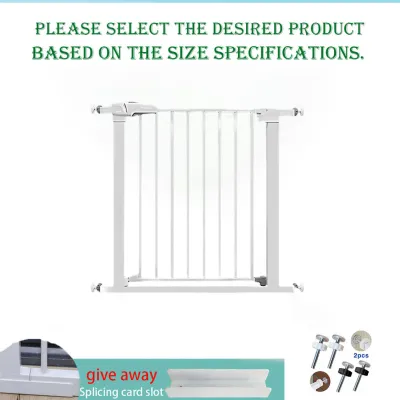
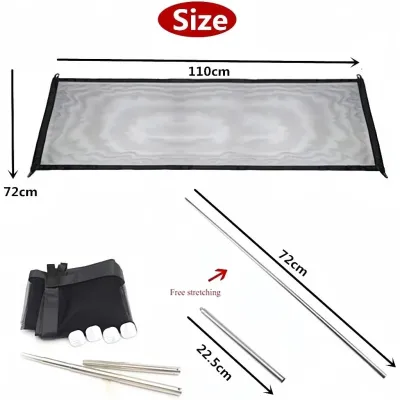
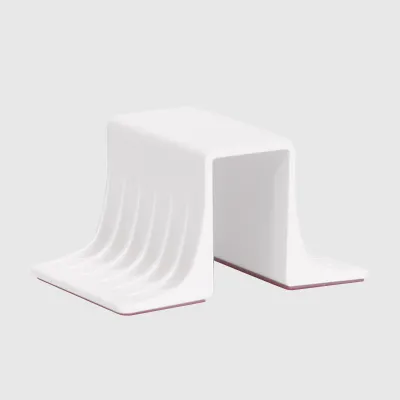
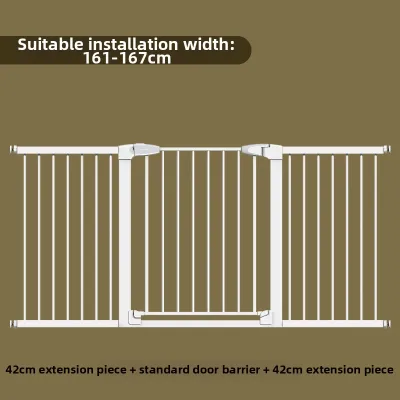
Prices are valid at publication and may change. Please refer to the product page for the latest price.
Additionally, you must assess the physical characteristics of your doors before purchasing any safety gear. Heavy wooden doors require more robust stoppers than lightweight hollow-core doors, as a heavy door can easily crush a flimsy foam guard. Take note of the hinge clearance and the gap size when the door is fully open and closed. In humid climates, wooden doors can swell, which may alter how tightly a door closes or how well adhesive-based safety locks adhere to the frame over time.
Finger Pinch Guards: Preventing Hinge Injuries
The hinge side of a door acts like a powerful nutcracker, capable of exerting immense pressure on tiny fingers when the door closes. Finger pinch guards are specifically designed to address this high-risk zone by covering the gap between the door and the frame. These guards are best suited for high-traffic doors that are frequently opened and closed throughout the day, where a momentary distraction could lead to a severe pinch injury.

Before purchasing a hinge guard, you must verify the door’s hinge clearance and the overall gap size. Some guards use a flexible plastic sheet that rolls and unrolls as the door moves, while others are simple foam or rubber inserts that hang over the hinge itself. Ensure that the guard you select fits securely and does not put excessive strain on the hinges, which could damage your door frame or cause the door to hang unevenly. The guard must remain firmly in place during repeated door movements without slipping or losing its grip.
It is important to recognize the functional limitations of finger pinch guards. While they are highly effective at preventing hinge-side crushing, they do not stop the door from closing completely on the latch side, nor do they restrict a child’s access to the room. If your goal is to keep a room completely off-limits or to prevent the door from latching shut, you will need to combine or replace the hinge guard with other safety solutions.
Door Stoppers: Preventing Slams and Latch-Side Crushing
Door stoppers serve a dual purpose: they keep doors ajar to prevent latch-side finger crushing and stop heavy doors from slamming shut due to sudden gusts of wind. In tropical environments where homes are often kept open for ventilation, a sudden draft can slam a door with enough force to cause serious injury. A reliable stopper acts as a physical barrier, maintaining a safe clearance gap between the door edge and the frame.
When choosing a stopper, you must compare different styles based on your floor type, door weight, and daily traffic flow. Wedge-style stoppers are highly portable but rely on friction, meaning they can slide on polished tile or smooth wooden floors if the door is heavy. Sliding foam guards that slip over the top or side of the door are excellent for keeping the latch side open, but they must be placed high enough out of the baby’s reach. Hinge-mounted stoppers offer a more permanent solution but require careful installation to avoid damaging the door hinge under pressure.
Safety verification is crucial when using any door stopper. Ensure that the material is durable enough to withstand repeated impacts without cracking or crumbling into small pieces. Foam or rubber stoppers must be checked regularly to confirm they do not create a choking hazard if a curious toddler manages to pull them down and chew on them. Additionally, floor-mounted wedges should be positioned carefully so they do not become a tripping hazard for adults carrying a baby through the doorway.
Door Locks and Knob Covers: Restricting Room Access
When keeping a door open is no longer safe, restricting room access entirely becomes necessary. Door locks and knob covers are essential for blocking entry to hazardous areas such as bathrooms, kitchens, home offices, or utility closets. These spaces often contain standing water, cleaning chemicals, sharp objects, or delicate equipment that pose immediate risks to an unsupervised toddler.
Selecting the right locking mechanism depends entirely on the existing hardware installed on your interior doors. For doors with standard round doorknobs, plastic knob covers that spin freely unless squeezed by an adult hand are a highly effective option. If your home features modern lever-style handles, you will need a lever handle lock that physically blocks the lever from being pushed down. Always check the dimensions of your handles and knobs to ensure a snug, compatible fit before purchasing.
Emergency accessibility is a critical safety factor when installing any door lock or cover. You must ensure that adults can easily operate the mechanism in an emergency without needing a key, complex tools, or excessive physical force. Avoid locks that can accidentally lock a child inside a room from the opposite side. Test the mechanism repeatedly after installation to verify that it functions smoothly and can be bypassed quickly by caregivers when necessary.
Creating a Room-by-Room Door Safety Checklist
To implement a practical safety plan, map out your home room by room to identify where to deploy each product. High-risk zones like the kitchen, bathroom, and main exit doors should be prioritized for secure door locks or knob covers to prevent unsupervised entry. Low-risk zones, such as playrooms or bedrooms, are better suited for finger pinch guards and door stoppers that allow air to circulate while keeping fingers safe from sudden slams.
Regular maintenance is essential to ensure these safety products continue to perform as intended. Inspect all installed guards, stoppers, and locks at least once a month for signs of wear, loose adhesives, or cracked plastic. In warm, humid climates, adhesive backings on locks and guards can degrade more quickly, requiring replacement or reinforcement. Clean the surfaces thoroughly before reapplying any adhesive to ensure a strong, lasting bond.
Finally, plan for the eventual removal or adjustment of these safety measures as your child grows. As toddlers develop greater hand strength, coordination, and problem-solving skills, they will eventually learn to bypass simple knob covers or reach top-mounted door stoppers. Regularly reassess your child’s physical capabilities and update your home safety strategy accordingly, transitioning from physical barriers to active safety education as they grow older.
Frequently Asked Questions (FAQ)
Can I use a door stopper instead of a finger pinch guard?
No, a door stopper and a finger pinch guard serve different safety functions and cannot be used interchangeably. A door stopper is designed to keep the latch side of the door open, preventing the door from slamming shut and crushing fingers on the handle side. A finger pinch guard, however, specifically covers or blocks the hinge gap on the opposite side of the door, where curious fingers can easily get trapped even if the door is only partially moved. For complete protection, especially on doors that are frequently swung open and shut, both products may be required.
At what age should I start baby-proofing my doors?
You should begin baby-proofing your doors as soon as your baby starts crawling and pulling themselves up, which typically occurs between six and nine months of age. At this stage, babies love to explore floor-level gaps, making hinge-side finger pinch guards a priority. Once your child begins walking, reaching for door handles, and pushing doors open or closed—usually around twelve to eighteen months—you should install door stoppers to prevent latch-side slams and door locks to restrict access to hazardous rooms.
Community discussion
Share your experience or ask a question. Comments are reviewed before publication.