
Finding the right water-based wipes in the Philippines requires looking past bold front-of-pack marketing claims and diving straight into the ingredient list. In a tropical climate where heat and humidity can exacerbate diaper rash and skin irritation, choosing a wipe that minimizes chemical exposure is crucial for maintaining your baby’s delicate skin barrier. True water-based wipes rely on highly purified water and a minimal selection of gentle ingredients to cleanse without leaving irritating residues. By understanding how to read labels, evaluate fabric textures, and identify potential irritants, you can confidently select a product that keeps your baby’s skin clean, calm, and healthy.
What Makes a Wipe Truly "Water-Based" and Safe for Sensitive Skin
Legitimate water-based wipes typically consist of 97% to 99% water. This exceptionally high water content ensures that the wipe acts primarily as a physical vehicle for lifting away soil, rather than a chemical delivery system. When a product is formulated with such a high concentration of water, it minimizes the need for heavy surfactants and cleansing agents that can strip the skin of its natural lipids.
The type of water used in the formulation also matters significantly. When reviewing ingredient panels, you will often see terms like purified water, distilled water, or reverse osmosis (RO) water. Reverse osmosis water undergoes a multi-stage filtration process that forces water through a semipermeable membrane, effectively removing dissolved solids, minerals, and microorganisms. Distilled water is purified through boiling and condensation, which also eliminates impurities. Both methods ensure that the water base is free from contaminants that could irritate compromised skin.
Products mentioned in this guide
![Pigeon Official - 100% Pure Water Baby Wipes 70 Sheets [Flip Top] Pack of 3 Refreshed SoftCloud Fabric Water-Based Wet Wipes No Fragrance No Paraben Japan No. 1 Brand](https://img.lazcdn.com/g/p/c696f964a328a39f64100f1fe1ccd109.png_400x400q80.png_.webp)
![Pigeon Official - 100% Pure Water Baby Wipes 70 Sheets [6in1 Flip Top] Refreshed SoftCloud Fabric Water-Based Wet Wipes No Fragrance No Paraben Japan No. 1 Brand](https://img.lazcdn.com/g/p/f75c302a4b5c1e1cbd46a4e37d5a9553.png_400x400q80.png_.webp)
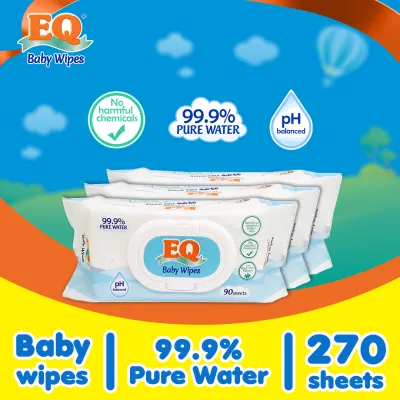
Prices are valid at publication and may change. Please refer to the product page for the latest price.
To verify these claims, always check the first ingredient listed on the back panel. Ingredients are listed in descending order of concentration, so water (often listed as aqua) must occupy the very first position. If water is preceded by other liquid carriers or heavy emollients, the wipe may not offer the lightweight, residue-free cleanse required for highly reactive skin.
A minimal formulation is the ultimate goal for sensitive skin. The fewer ingredients a wipe contains, the lower the probability of triggering contact dermatitis or an allergic reaction. High-quality water-based wipes often limit their total ingredient count to fewer than five to seven components. This typically includes the purified water base, a mild preservative to prevent microbial growth, and perhaps a single skin-conditioning agent like aloe vera or fruit extract.
Key Ingredients to Avoid in Baby and Sensitive Skin Wipes
Equipping yourself with a checklist of common irritants is the most effective way to filter out unsuitable products when browsing online marketplaces or physical store shelves. Many conventional wipes contain preservatives designed to extend shelf life, but some of these chemicals are highly sensitizing. Parabens, such as methylparaben and propylparaben, are synthetic preservatives that can irritate delicate skin barriers.

Other harsh preservatives to strictly avoid include Methylisothiazolinone (MIT) and Methylchloroisothiazolinone (CMIT). These compounds are notorious sensitizers linked to severe contact allergies and skin reactions. While phenoxyethanol is a very common preservative in personal care products, high concentrations can cause a stinging sensation on cracked or highly sensitive skin. If phenoxyethanol is present, it should ideally be positioned at the very end of the ingredient list, indicating a very low concentration.
Hidden irritants can easily compromise the skin barrier, especially in a warm, humid environment where the skin is already prone to chafing. Artificial fragrances, often listed simply as parfum or fragrance, can contain hundreds of undisclosed chemical compounds that trigger allergic reactions. Essential oils, such as lavender, chamomile, or tea tree oil, are frequently marketed as natural alternatives but can still cause sensitization on delicate baby skin. Drying alcohols, such as isopropyl alcohol or ethanol, strip the skin of its natural moisture, leading to dryness and micro-cracking.
Be cautious of greenwashing marketing terms that do not guarantee safety for reactive or compromised skin. Phrases like “hypoallergenic,” “dermatologically tested,” “natural,” or “organic” are often used loosely on packaging. These claims are not strictly regulated in a way that guarantees a product will not cause a reaction. A wipe labeled “natural” might still contain irritating botanical extracts or harsh preservatives. Always cross-reference these front-of-pack claims with the actual ingredient list on the back of the package.
How to Evaluate Wipe Materials and Texture for Delicate Skin
The physical properties of the wipe fabric play a crucial role in preventing friction and micro-tears on sensitive skin. Non-woven fabrics form the physical structure of the wipe, and the fibers used can vary significantly. Viscose, often derived from bamboo or wood pulp, is highly absorbent, exceptionally soft, and biodegradable, making it an excellent choice for sensitive skin. Polyester is a synthetic fiber that adds strength and durability but can feel slightly rougher and does not break down easily in the environment. Many brands use a blend of viscose and polyester to balance softness, strength, and cost.
The texture of the wipe surface also impacts how effectively it cleans. Embossed or textured wipes feature raised patterns, such as dots or waves, designed to grab and lift messes efficiently with fewer swipes. This is particularly useful for cleaning sticky diaper messes, as it reduces the need for repetitive rubbing. However, for highly inflamed or extremely sensitive skin, a completely smooth wipe may be preferable to minimize friction.
Wipe thickness and durability are essential factors to consider during use. Thin wipes tend to bunch up, tear, or allow moisture and soil to seep through to your hands during use. This often leads to using multiple wipes for a single clean, which increases both cost and skin friction. Look for thicker, high-gsm (grams per square meter) wipes that offer a plush, cloth-like feel. A durable wipe retains its shape and moisture throughout the cleaning process without leaving lint or fibers behind on the skin.
Building Your Shortlist: Matching Wipe Features to Your Needs
Selecting the right wipe depends on your specific circumstances, your baby’s age, and where you plan to use them. For daily diaper changes at home, a bulk pack of thick, highly purified water wipes is ideal. For older babies eating solid foods, a slightly textured wipe that can handle sticky hands and faces is more practical. If your baby has active eczema or diaper rash, prioritize the absolute shortest ingredient list available.
Before adding any pack to your physical or digital cart on online marketplaces, take a moment to read the digital product description or zoom in on the ingredient photo. Check the first three ingredients, verify the preservative used, and ensure there are no added fragrances or drying alcohols.
For Newborns and Highly Reactive Skin
Newborn skin is up to 30% thinner than adult skin and has an underdeveloped barrier, making it highly susceptible to absorbing chemicals and prone to irritation. For this stage, prioritize wipes with the absolute minimum number of ingredients—ideally just water and a single, ultra-mild preservative.
Healthy skin has a slightly acidic pH, which helps maintain the skin barrier and protect against harmful bacteria. Look for wipes explicitly formulated to be pH-balanced. This helps preserve the natural acid mantle of your baby’s skin, especially during frequent diaper changes when exposure to urine and stool can disrupt the skin’s natural pH.
Before using a new brand of wipes extensively, perform a simple patch test. Gently wipe a small, clean area on your baby’s inner arm or thigh. Wait 24 hours to observe any signs of redness, swelling, or irritation. If the skin remains clear, the product is likely safe for broader use.
For On-the-Go and Travel Use
The tropical climate of the Philippines, characterized by high heat and humidity, can quickly dry out opened wipe packs. Flip-top plastic lids are highly recommended for travel, as they provide a secure, airtight seal that locks in moisture far better than simple sticker seals. Sticker seals tend to lose their stickiness over time due to dust, lint, and humidity, leading to dried-out, unusable wipes.
When packing a diaper bag for trips to the mall or family visits, balance pack size with wipe thickness. Travel-sized packs are highly portable but may run out quickly. If you opt for travel packs, ensure the wipes inside are still thick and durable so you do not have to use half the pack for a single diaper change.
Safe Usage Practices and When to Stop Using a Wipe
Friction is a major contributor to skin irritation and diaper rash. Avoid rubbing or scrubbing the skin vigorously. Instead, use a gentle patting motion or single-direction, sweeping strokes. Start from the cleanest area and wipe toward the dirtiest to prevent spreading bacteria, always wiping from front to back, especially for baby girls.
Monitor your baby’s skin closely during and after diaper changes. Signs of an adverse reaction include persistent redness, dry or flaky patches, small red bumps, swelling, or peeling skin. If your baby cries or flinches during wiping, it may indicate that the wipe is causing a stinging sensation, even if no visible rash is present yet.
If you suspect a wipe is causing irritation, stop using it immediately. Switch to using plain, lukewarm water and soft, dry cotton pads or a clean washcloth to cleanse the area. Allow the skin to air-dry completely before applying a thick layer of a zinc oxide-based barrier cream. If the redness or rash does not improve within a few days, spreads, or develops blisters or pus, consult a pediatrician promptly for professional guidance.
Frequently Asked Questions (FAQ)
Can I use water-based wipes on a baby's face and hands?
Yes, high-quality water-based wipes are generally safe for use on a baby’s face and hands, provided they are free from fragrances, alcohol, and harsh preservatives. However, the skin around the mouth and eyes is exceptionally sensitive and prone to absorbing substances. Always check the label to ensure the product is designated as safe for facial use. Avoid using wipes too close to the eyes to prevent stinging, and ensure there are no bitter-tasting ingredients if you are wiping hands that frequently go into the baby’s mouth. For regular facial cleaning, a clean washcloth dampened with plain water remains the gentlest option.
Do water-based wipes need a preservative?
Yes, water-based wipes absolutely require a preservative system. Water is the perfect breeding ground for bacteria, mold, and yeast. Without a preservative, a pack of wet wipes would become contaminated within days of manufacturing, posing a severe infection risk to your baby’s skin. The key is to look for mild, food-grade, or skin-safe preservatives, such as sodium benzoate, potassium sorbate, or citric acid (which also acts as a pH adjuster). These ingredients prevent microbial growth while remaining gentle enough for sensitive skin.
How should I store water-based wipes in a humid climate?
In the warm and humid climate of the Philippines, proper storage is essential to maintain the integrity of water-based wipes. Store unopened packs in a cool, dry place away from direct sunlight, such as a pantry or a closed drawer. Avoid leaving wipe packs in hot vehicles, diaper bags left in direct sun, or near heat-emitting appliances, as elevated temperatures can accelerate the breakdown of preservatives and cause moisture to evaporate. Always ensure the flip-top lid or resealable sticker is pressed down firmly after every single use to prevent the wipes from drying out and to keep airborne contaminants from entering the pack.

Community discussion
Share your experience or ask a question. Comments are reviewed before publication.