
Selecting the right pregnant belly supporter depends entirely on your current trimester, the size of your growing bump, and the specific physical discomforts you are experiencing. During the first trimester, when bloating and mild hormonal changes are most common, a light, seamless maternity sleeve or tube band offers gentle compression without putting pressure on the uterus. As you transition into the second trimester, a seamless belly band helps distribute the weight of a visible bump and relieves mild lower back strain while extending the life of your pre-pregnancy wardrobe. By the third trimester, the significant weight of the baby and increased pelvic pressure often require a structured maternity support belt or cradle belt with adjustable straps to lift the abdomen and alleviate pelvic girdle pain. Matching the support level to your body’s changing anatomy ensures comfort, mobility, and safety throughout your pregnancy journey.
Identifying Your Support Needs by Trimester
Pregnancy introduces rapid anatomical changes that alter your posture, center of gravity, and joint stability. Early on, the hormone relaxin softens ligaments to prepare the pelvis for childbirth, which can lead to joint instability and lower back discomfort. Recognizing these physical signals is the first step in determining if you need external support.
Distinguish normal stretching sensations from acute discomfort requiring intervention. For instance, round ligament pain—a sharp, sudden jabbing in the lower belly or groin—can often be eased with light compression, whereas persistent pelvic pressure or lower back pain indicates your body needs more structured support.
Products mentioned in this guide
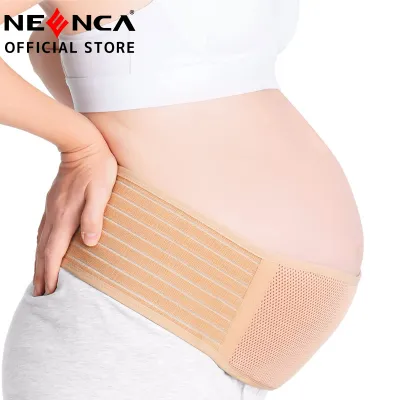
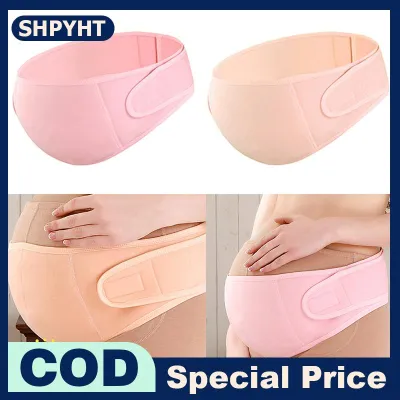
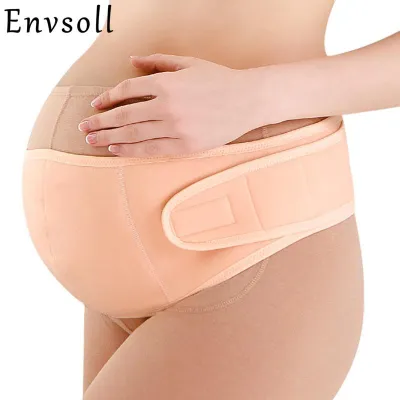
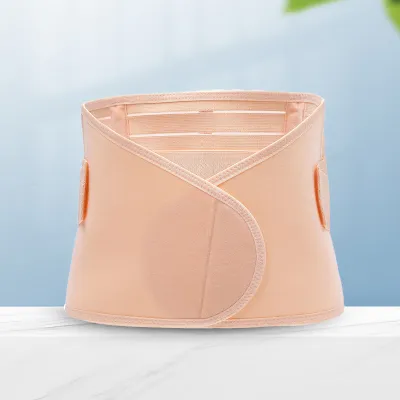
Prices are valid at publication and may change. Please refer to the product page for the latest price.
Before purchasing any compression garment or support belt, you should always consult your obstetrician or a physical therapist specializing in prenatal care. A healthcare professional can evaluate your symptoms to ensure a supporter is safe and rule out underlying issues requiring medical treatment.
Understanding that your body’s needs shift dramatically over nine months explains why a single supporter type rarely suffices for the entire journey. A lightweight band designed to smooth out early bloating will not have the structural integrity needed to lift a heavy, third-trimester bump. By aligning the type of supporter with your specific trimester and physical symptoms, you can avoid unnecessary pressure on your abdomen while obtaining targeted relief where you need it most.
First Trimester: Light Compression for Bloating
During the first trimester, your baby is still very small and your uterus remains tucked safely behind your pubic bone. Consequently, there is no heavy physical weight to lift or distribute. However, many expectant mothers experience significant abdominal changes during these early weeks, primarily driven by a surge in progesterone. This hormonal shift slows down digestion, frequently leading to intense gastrointestinal bloating, water retention, and a general feeling of abdominal tightness.

Because there is no heavy bump, highly structured support belts are unnecessary and can be highly uncomfortable or counterproductive. Excessive compression on the lower abdomen can exacerbate morning sickness, restrict natural digestion, and cause unnecessary discomfort when your body is already adapting to rapid hormonal fluctuations.
If you feel the need for a supportive garment during these early weeks, look for light, non-restrictive options such as soft maternity sleeves or light compression bands. These garments are essentially seamless fabric tubes designed to sit gently over your abdomen. Rather than lifting weight, they provide a mild, reassuring hug that can help soothe the sensation of bloating and keep your unbuttoned pre-pregnancy pants securely in place as your waistline begins to expand.
When selecting a first-trimester sleeve, material checks are of the utmost importance. Hormonal changes during early pregnancy can make your skin highly sensitive, prone to itching, and more reactive to synthetic fibers. Prioritize fabrics that offer exceptional breathability and hypoallergenic properties to prevent irritation. Choosing a soft, breathable blend ensures that the garment remains comfortable against your skin even as your body temperature naturally rises.
Second Trimester: Seamless Bands for Mild Aches
As you enter the second trimester, your pregnancy bump becomes clearly visible, and your center of gravity begins its gradual forward shift. This transitional phase is often accompanied by mild lower back strain and occasional round ligament pain as the muscles and ligaments supporting your uterus stretch to accommodate your growing baby. This is the stage where many mothers find that a dedicated belly band becomes a highly useful daily accessory.
Seamless belly bands play a dual role during the second trimester by distributing the mild weight of your expanding abdomen and extending the utility of your pre-pregnancy wardrobe. These bands slide over unzipped pre-pregnancy pants to extend your wardrobe while providing light elastic support during daily movements like walking or standing.
When shopping for second-trimester support, you will generally choose between simple tube-style bands and light-support wrap bands. Simple tube-style bands are made of continuous elastic knit fabric and offer uniform, gentle compression all around the torso. Light-support wrap bands, on the other hand, feature simple hook-and-loop closures that allow you to adjust the tightness slightly, providing a bit more targeted support under the curve of your bump without the bulk of a heavy-duty medical belt.
While seamless bands are excellent for mild aches, you must remain attentive to your body’s signals to know when they are no longer sufficient. If you begin to experience persistent, sharp pelvic girdle pain, severe lower back aches that do not resolve with rest, or a heavy, dragging sensation in your lower pelvis, these are clear indicators that your belly has outgrown the supportive capacity of a simple fabric band. Recognizing these signs helps you transition to more structured support at the right time.
Third Trimester: Structured Belts for Pelvic and Back Pain
The third trimester brings substantial physical challenges as your baby reaches their final growth stages. The sheer weight of the bump, combined with the maximum release of relaxin, places immense strain on your lower spine, hips, and pelvic floor. Many expectant mothers experience pelvic girdle pain, pubic symphysis dysfunction, or severe lumbar strain during these final months, making heavy-duty, structured support a necessity for maintaining daily mobility.
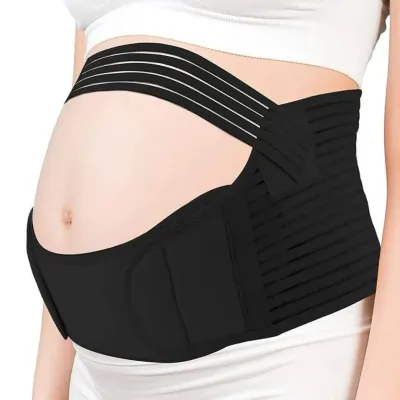
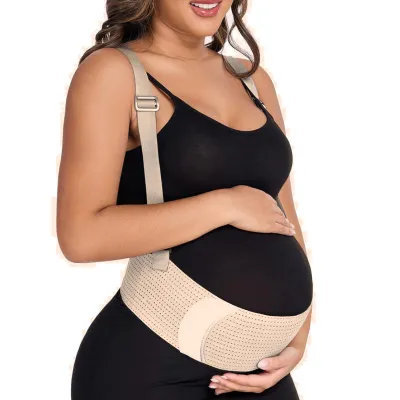
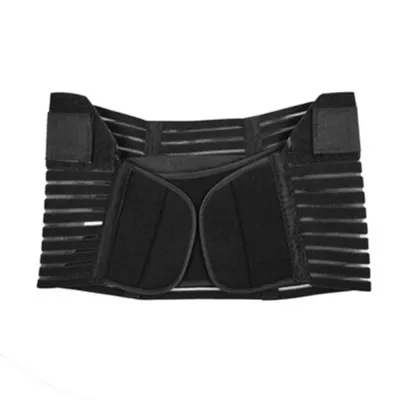
Structured maternity support belts and cradle belts are specifically engineered to address these intense third-trimester discomforts. Unlike simple fabric bands, these supporters feature rigid or semi-rigid panels, wide back supports, and adjustable hook-and-loop tension straps. Some cradle belts include an over-the-belly strap or shoulder straps to distribute weight across your upper body, mimicking natural abdominal support.
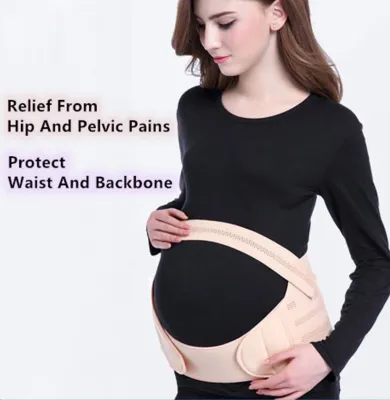
The primary mechanism of a structured belt is to physically lift the lower abdomen from underneath. By cradling the underside of the bump and transferring a portion of the weight to your hips and stronger lower back muscles, the belt immediately reduces the downward pressure on your pelvic floor and pubic joint. This targeted lifting action can significantly improve your posture, reduce the tendency to arch your back excessively, and make walking and standing much more manageable.
However, structured belts come with strict limitations and safety requirements that you must observe. Because these belts exert significant mechanical force, proper fitting is absolutely critical to avoid restricting blood flow to your uterus or compressing the fetus. The belt must never be pulled so tight that it leaves deep indentations on your skin, restricts your breathing, or limits your natural range of motion. It is designed to assist your body, not to bind or constrict it.
Essential Fit, Material, and Safety Checks
When you are ready to purchase a pregnant belly supporter, navigating the options requires a systematic approach to product specifications and physical fit. You should never purchase a supporter based on your pre-pregnancy clothing size, as weight gain and body shape changes vary widely for every individual. Instead, always consult the manufacturer’s specific sizing chart and take accurate, current measurements of your bump circumference at its widest point, as well as your under-bust measurement if the belt features upper straps.
Fabric properties are another critical factor, particularly if you live in a hot and humid tropical climate like the Philippines. Heavy, non-breathable elastic can trap sweat, leading to heat rashes, skin-fold irritation, and severe chafing. To maintain skin health, look for supporters made with moisture-wicking, highly breathable, or perforated elastic fabrics, as well as hypoallergenic weaves like bamboo-derived rayon or organic cotton blends.
Additionally, evaluate the quality and adjustability of the closures before making your decision. High-quality hook-and-loop fasteners should allow for a wide range of daily adjustments to accommodate your expanding belly and different sitting positions. A belt that fits perfectly while standing may dig uncomfortably into your thighs or upper abdomen when you sit down, so look for designs that can be easily loosened or repositioned. Investing in a durable, highly adjustable supporter ensures it will last through your entire pregnancy, providing excellent value for your money in ₱.
Proper Usage and When to Consult a Doctor
Using a pregnant belly supporter safely requires adhering to proper wearing habits to protect both your health and your baby’s development. Avoid wearing any support garment continuously. Limit wear to two to three hours at a time, focusing on periods of active standing or walking. Wearing a belt 24/7 can lead to core muscle dependency, where your abdominal and back muscles weaken because they are relying entirely on the external brace.
Correct positioning is equally vital for safety and comfort. A structured belt or band should always sit low on your hips, cradling the very bottom of your abdomen. It should run horizontally across your lower back and angle downward under your bump, lifting the weight upward and backward toward your spine. The supporter should never compress the middle or upper portion of your belly, as this can apply direct pressure to the uterus and restrict vital circulation.
You must remain highly vigilant for any physical warning signs that indicate the supporter is fitted incorrectly or causing harm. Immediately remove the belt and consult your obstetrician if you experience numbness, tingling, or a “pins and needles” sensation in your legs, groin, or pelvic area. Other red flags that require immediate removal and medical evaluation include restricted breathing, abdominal pain, skin bruising, or a noticeable decrease in your baby’s movements. Your comfort and safety should always take precedence over the support the belt provides.
Frequently Asked Questions (FAQ)
Can I wear a belly supporter while sleeping?
You should generally avoid wearing structured maternity support belts or tight belly bands while sleeping. When you are lying down, the gravitational pull on your bump changes, eliminating the need for the upward lift that these garments provide. Furthermore, wearing restrictive bands in bed can compress major blood vessels, restrict your natural breathing, and limit your ability to shift positions safely during the night. If you require pelvic alignment or belly support while sleeping, specialized pregnancy pillows—such as wedge pillows or full-body C-shaped and U-shaped pillows—are much safer and more comfortable alternatives.
Will wearing a support belt weaken my core muscles?
Wearing a support belt can lead to muscle weakness if you rely on it excessively, but this is easily avoided with proper usage. To prevent your core muscles from becoming dependent on external support, limit your wear time to a few hours a day during active tasks and avoid wearing it while resting. To maintain your strength, balance the use of the supporter with safe, doctor-approved prenatal exercises, such as pelvic tilts, gentle stretching, and core-stabilizing movements. Always consult your healthcare provider or a prenatal physical therapist to design a safe exercise routine that keeps your core strong throughout your pregnancy.

Community discussion
Share your experience or ask a question. Comments are reviewed before publication.