
Selecting the right wipes for baby with eczema or highly sensitive skin is a critical decision for parents in the Philippines. In a tropical climate characterized by high temperatures and intense humidity, a newborn’s skin barrier is constantly challenged by sweat, friction, and environmental moisture. Standard baby wipes often contain hidden irritants that can strip the skin of its natural oils, leading to painful flare-ups, redness, and persistent diaper rash. To protect a newborn’s fragile skin, parents must look beyond attractive packaging and focus on verifying ingredients, understanding material textures, and sourcing authentic products from reputable channels.
A newborn’s skin is significantly thinner and more permeable than adult skin, meaning it absorbs topical substances much faster and loses moisture rapidly. When eczema is present, this barrier is already compromised, making the skin highly reactive to even minor chemical exposures. Finding a suitable wipe involves identifying products with the simplest formulations—ideally those consisting of at least 99% purified water and minimal, highly tolerated preservatives. By adopting a systematic approach to reading labels and understanding how different materials interact with sensitive skin, caregivers can safely navigate the local market to find gentle, effective cleaning solutions.
Understanding What Triggers Eczema in Baby Wipes
Eczema, or atopic dermatitis, is an inflammatory skin condition that causes dry, red, and intensely itchy patches. In newborns, the skin barrier is still developing, making it highly susceptible to external triggers. When using wipes for baby, several common components can disrupt this delicate barrier and initiate an inflammatory response. Fragrances, both synthetic and natural, are among the most frequent culprits behind contact dermatitis. Even products labeled with a pleasant “clean” scent often contain volatile organic compounds that can sensitize a newborn’s skin over time, leading to sudden eczema flare-ups.
Products mentioned in this guide
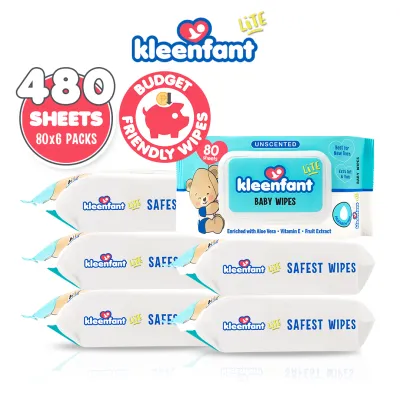
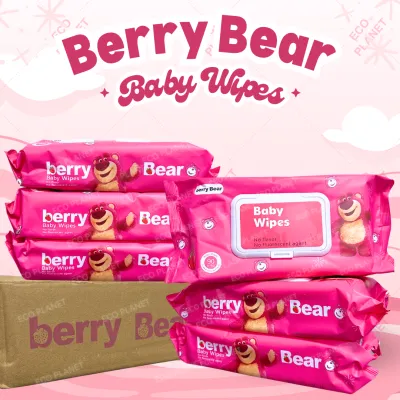
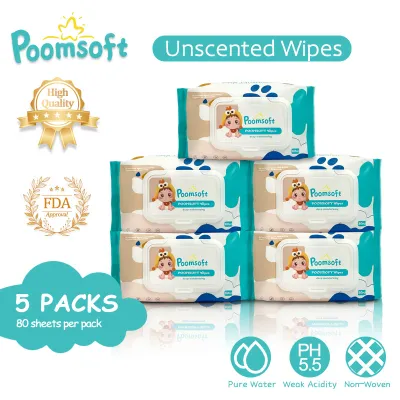
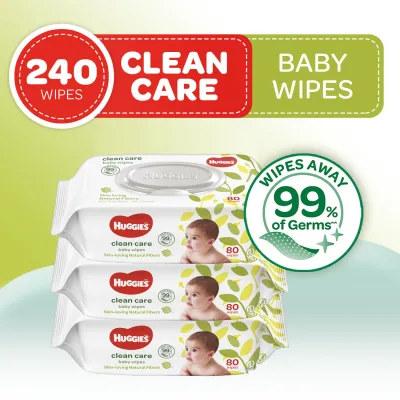
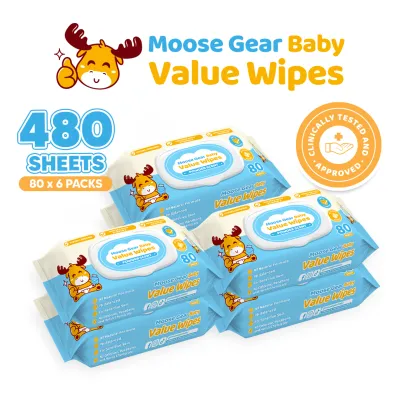
Prices are valid at publication and may change. Please refer to the product page for the latest price.
Alcohol is another common ingredient in standard wipes that poses a significant risk to sensitive skin. Isopropyl alcohol or denatured alcohol is sometimes added to help the liquid solution evaporate quickly, but this process strips the skin of its essential lipids and moisture. In the warm Philippine climate, dry skin is particularly vulnerable to cracking and irritation, as sweat can pool in skin folds and exacerbate the damage. When the skin barrier cracks, it allows bacteria, fungi, and environmental allergens to penetrate deeper, turning a simple diaper change into a source of severe discomfort.
Preservatives are necessary in commercial wipes to prevent the growth of harmful bacteria and mold, but certain legacy preservatives are known allergens. Chemical compounds such as methylisothiazolinone (MIT) and formaldehyde-releasing agents have been widely associated with allergic contact dermatitis in infants. While regulatory bodies have restricted these ingredients in many regions, they can still appear in older formulations or unverified imports. Caregivers must also distinguish between a localized sensitive skin reaction to a wipe’s chemical formulation and standard diaper rash, which is typically caused by prolonged exposure to wetness and friction.
Key Ingredients to Look For and Avoid on Labels
When evaluating wipes for baby, the ingredient list on the back of the packaging is the most reliable tool for determining safety. Parents should look for formulations where highly purified water is the primary component, ideally making up 99% or more of the solution. Purified water effectively cleanses the skin without leaving behind chemical residues that can cause irritation. In addition to water, mild soothing agents such as aloe vera, chamomile extract, or calendula can be beneficial, as they help calm minor skin irritation and provide a light, non-greasy protective layer on the skin.

Conversely, there is a long list of ingredients that parents of newborns with eczema should strictly avoid. Parabens, which are commonly used as preservatives, can irritate sensitive skin and should be bypassed in favor of safer alternatives. Harsh surfactants, such as sodium lauryl sulfate (SLS), are sometimes added to create a foaming action that aids in cleaning, but these agents strip away the skin’s natural protective oils. Caregivers should also reject any wipes containing synthetic dyes, phthalates, or essential oils like tea tree or eucalyptus, which are too potent for a newborn’s delicate skin.
To properly assess a product, it is essential to read the ingredient list in descending order of concentration. The first few ingredients represent the vast majority of the wipe’s liquid formulation. If water is followed immediately by a long list of complex chemical names, fragrances, or alcohols, the product is likely too harsh for an eczema-prone newborn. A safe, sensitive-skin wipe will typically feature an incredibly short ingredient list, often containing only water, a single mild conditioning agent, and a safe, food-grade preservative system to maintain sterility.
Choosing the Right Wipe Material and Texture
The physical material of the wipe plays a significant role in preventing mechanical irritation on a newborn’s skin. Plant-based fibers, such as bamboo, organic cotton, or viscose derived from wood pulp, are highly recommended for babies with eczema. These natural fibers are inherently softer and more breathable than synthetic alternatives, and they possess superior water-retention capabilities. Bamboo-derived wipes, in particular, are known for their smooth, silk-like texture and natural strength, which allows them to glide gently over irritated skin without causing friction-induced redness.
Synthetic blends, which often incorporate polyester or polypropylene, are common in budget-friendly wipe options. While these materials are durable, they tend to feel rougher against the skin and do not absorb moisture as effectively as plant-based fibers. This lack of absorbency often forces caregivers to use more pressure or make multiple passes to clean the diaper area, leading to mechanical friction that can damage a fragile skin barrier. For a baby with active eczema, even a single rough wipe can cause micro-tears in the skin, increasing the risk of secondary bacterial infections.
Wipe thickness and structural integrity are also critical factors to consider. Thicker wipes are highly desirable because they provide a reliable barrier between the caregiver’s hand and the baby’s waste, reducing the number of wipes needed per diaper change. A high-quality wipe should also be lint-free, ensuring that no loose fibers are left behind on the baby’s skin to trap moisture or cause itching. When shopping, parents should look for wipes that offer a smooth, unembossed texture, as heavily textured or patterned wipes can sometimes be too abrasive for highly reactive skin.
Reading Labels and Verifying Certifications
Navigating the marketing claims on baby wipe packaging requires a critical eye, as terms like “hypoallergenic” or “dermatologically tested” are often used loosely. “Hypoallergenic” simply means the manufacturer has formulated the product to minimize the likelihood of an allergic reaction, but it does not guarantee that a baby with severe eczema will not react. Similarly, “dermatologically tested” indicates that a dermatologist observed the product’s application on human subjects, but it does not provide details regarding the duration of the test, the skin types of the participants, or the specific results.
To gain greater peace of mind, parents should look for recognized seals of acceptance from independent dermatological and pediatric organizations. For example, seals from international eczema associations indicate that the product has undergone rigorous review and is free from known irritants at levels that could trigger flare-ups. While these certifications are excellent indicators of safety, they should always be cross-referenced with the actual ingredient list, as formulations can occasionally vary by region or batch.
It is also important to recognize the limitations of “natural” or “organic” labels on baby wipes. A product can be labeled “100% natural” while still containing botanical ingredients that are highly sensitizing to a newborn’s skin, such as citrus extracts or natural fragrances. “Organic” refers to how the raw materials were grown, which is beneficial for environmental reasons, but it does not automatically mean the final product is hypoallergenic or safe for eczema-prone skin. Caregivers must prioritize a minimalist, fragrance-free formulation over generic “natural” marketing claims.
Where to Buy Safely and How to Verify Authenticity
Sourcing authentic baby wipes is crucial in the Philippines, where counterfeit consumer goods can occasionally find their way into the market. To ensure product safety, parents should purchase wipes from established physical pharmacies, reputable national drugstore chains, or dedicated mother-and-baby retail stores. When shopping online, it is highly recommended to buy exclusively from official brand flagship stores on major e-commerce platforms. These official channels guarantee that the products are stored correctly and sourced directly from the manufacturer.
There are several red flags that can help caregivers identify counterfeit or compromised baby wipes. Unusually low prices, such as premium bulk bundles offered at a fraction of their standard retail value (for instance, a pack normally retailing for ₱150 being sold for ₱30), are a strong indicator of counterfeit goods or expired stock. Counterfeit wipes often utilize substandard materials and unauthorized chemical formulations that can cause severe chemical burns or allergic reactions on a newborn’s sensitive skin. Other warning signs include blurry printing on the packaging, spelling errors, or a missing batch number and expiration date.
Before using a newly purchased pack of wipes, parents should carefully inspect the packaging for physical integrity. The plastic lid or adhesive resealable tab must be completely intact and airtight. In the humid and warm climate of the Philippines, a compromised seal can lead to rapid evaporation of the moisture, rendering the wipes useless. More importantly, a broken seal allows airborne bacteria and mold spores to enter the package, where they can quickly multiply in the moist environment, posing a significant infection risk to a baby with open eczema lesions.
Safe Usage and Patch Testing Before Full Use
Even when a pack of wipes for baby meets all the safety criteria on paper, it is essential to introduce the product gradually to ensure compatibility with your newborn’s unique skin. Performing a 24-hour patch test is a highly effective way to verify skin tolerance before using the wipes extensively. To conduct the test, gently swipe a single wipe over a small, discreet area of the baby’s skin, such as the inner forearm or the upper thigh. Monitor the area closely for 24 hours for any signs of redness, swelling, tiny bumps, or dry patches. If any reaction occurs, discontinue use immediately and wash the area with clean water.
When using wipes during daily diaper changes, adopting a gentle technique can significantly reduce the risk of skin irritation. Caregivers should avoid rubbing or scrubbing the skin, which can strip away the protective lipid barrier and worsen eczema. Instead, use a gentle patting or sweeping motion to lift away waste. Always wipe from front to back, particularly for baby girls, to prevent the spread of bacteria from the anal region to the urinary tract. Minimizing the number of wipes used per change by opting for thicker, high-quality wipes also helps reduce mechanical friction.
It is vital to recognize when to stop using baby wipes altogether and seek professional medical advice. If a newborn’s eczema worsens, or if the diaper area develops open sores, oozing blisters, extreme redness, or signs of a fungal infection, stop using all commercial wipes immediately. During these severe flare-ups, caregivers should clean the skin using only warm water and soft, sterile cotton balls or a clean, damp cotton cloth. Consult a pediatrician or a pediatric dermatologist promptly to obtain a proper diagnosis and an appropriate treatment plan.
Frequently Asked Questions (FAQ)
Can I use regular baby wipes if my newborn's eczema is currently clear?
It is highly recommended to maintain a consistent, gentle skincare routine even when your newborn’s eczema appears to be completely clear. Eczema is a chronic condition characterized by periods of remission and sudden flare-ups, and the underlying skin barrier remains inherently fragile even when it looks healthy. Switching back to standard baby wipes that contain fragrances, alcohol, or harsher preservatives can easily disrupt this delicate balance and trigger a rapid relapse. Sticking to a mild, water-based, fragrance-free wipe helps protect the skin barrier continuously and minimizes the risk of future irritation.
Are water-only wipes completely free from preservatives?
No commercial baby wipes can be completely free from some form of preservative system, as a product containing 100% pure water without any antimicrobial agents would quickly become a breeding ground for bacteria, mold, and fungi. This risk is especially high in the warm, humid climate of the Philippines. Safe, high-water-content wipes utilize extremely mild, food-grade, or highly tolerated preservative systems in trace amounts to keep the wipes sterile and safe for use. When reading labels, look for safe preservatives like fruit extracts or citric acid, which protect the product without irritating sensitive skin.
Should I rinse my baby's skin with water after using sensitive wipes?
For newborns with highly reactive skin or severe eczema flare-ups, rinsing the diaper area with clean water or gently patting it with a damp, clean cotton cloth after using a wipe can be highly beneficial. This extra step ensures that even the mildest residual cleansing agents or preservatives are completely removed from the skin. Regardless of whether you rinse, it is absolutely critical to ensure the baby’s skin is completely dry before putting on a new diaper, as trapped moisture in a warm diaper environment can lead to moisture-associated diaper dermatitis and worsen eczema.
Community discussion
Share your experience or ask a question. Comments are reviewed before publication.