
Finding a reliable lagayan ng dede ng baby—a dedicated baby bottle holder—is one of the most practical steps you can take to simplify outings with your little one. In the warm and humid climate of the Philippines, keeping milk at a safe temperature and protecting sterilized feeding equipment from environmental contamination are constant challenges for parents on the move. Whether you are running a quick errand at the local market or embarking on an all-day family road trip, having a structured storage plan ensures your baby’s milk remains fresh and safe for consumption.
Choosing the right portable storage solution depends heavily on your feeding method, travel duration, and daily routine. By understanding the structural differences between insulated bags and rigid cases, you can select a holder that fits seamlessly into your diaper bag while maintaining the hygiene standards your infant requires. Consulting a pediatrician or a certified lactation consultant can also provide personalized guidance on safe milk storage durations tailored to your baby’s specific health needs.
Identifying Your On-the-Go Feeding Needs
Your travel routine dictates the size and type of bottle storage you need. A quick trip to a nearby mall or a doctor’s appointment usually only requires a compact single-bottle sleeve to keep a pre-warmed bottle ready. Conversely, an all-day family outing or long-distance travel demands a multi-bottle organizer that can accommodate several feedings, ice packs, and clean accessories without cluttering your main diaper bag.
Products mentioned in this guide
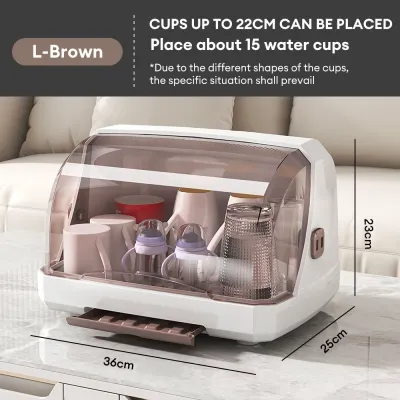
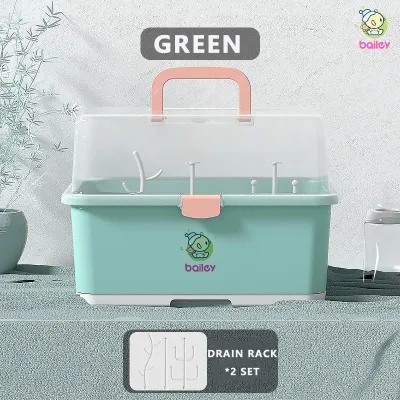
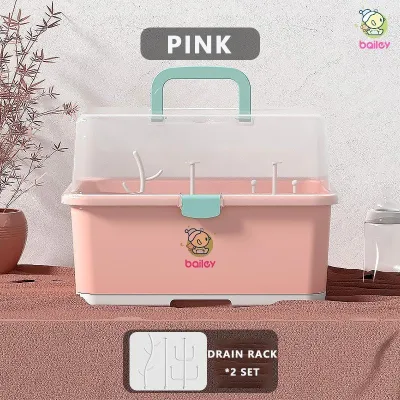
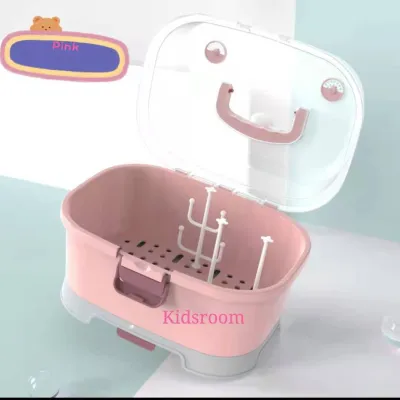
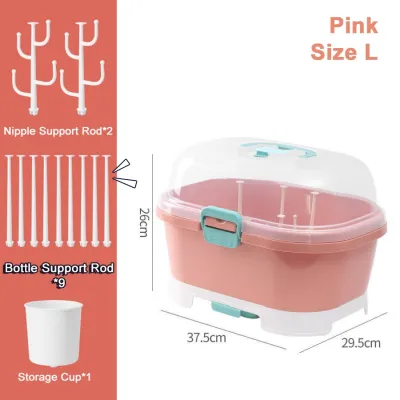
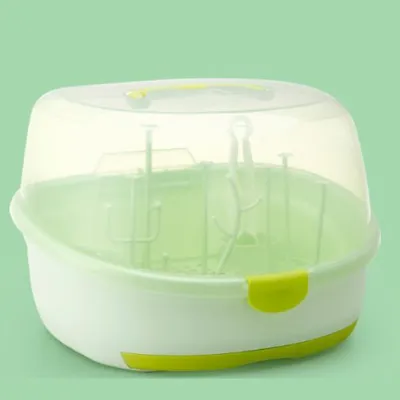
Prices are valid at publication and may change. Please refer to the product page for the latest price.
Capacity requirements vary significantly based on how many bottles your baby consumes during your typical time away from home. If you are gone for only a few hours, a small holder that fits one or two bottles is highly portable and convenient. For extended journeys, you will need a larger lagayan ng dede ng baby that can hold three to four bottles, along with dedicated space for breast milk storage bags or formula dispensers.
Your feeding method also plays a crucial role in determining the compartment layout of your storage solution. Parents who exclusively pump require extra space for cold breast milk storage bags, breast shield assemblies, and multiple ice packs to maintain a continuous cold chain. Formula-feeding parents, on the other hand, need dry compartments to keep sterilized water bottles separate from formula powder dispensers until it is time to mix the feed.
Types of Portable Bottle Storage Solutions
Portable bottle storage generally falls into two main categories, each designed to address different travel challenges. Understanding how these formats perform in real-world scenarios helps you match the right holder to your specific lifestyle.

Insulated Bottle Bags
Soft-sided insulated bags are highly popular for daily use due to their flexibility and lightweight design. Typically constructed from durable fabrics like polyester or nylon, these bags feature an inner thermal lining that helps regulate the temperature of the contents. Their flexible structure allows them to squeeze easily into crowded diaper bags or expand slightly to accommodate uniquely shaped bottles.
When evaluating an insulated bag, pay close attention to the interior lining and seam construction. Heat-sealed linings are generally much more leak-resistant than stitched seams, preventing spilled milk or condensation from soaking through the fabric and ruining other items in your diaper bag. A high-quality lining also makes it easier to wipe away spills quickly while you are out.
Carrying convenience is another major advantage of soft-sided bags. Many models feature adjustable shoulder straps, top carry handles, or integrated stroller clips that allow you to attach the bag directly to your stroller handlebar. This keeps your baby’s milk within arm’s reach during walks in the park or trips to the grocery store without taking up valuable basket space below.
Hard-Shell Bottle Cases
Hard-shell bottle cases offer a rigid exterior that provides maximum crush protection for your feeding gear. This structural integrity is particularly valuable if you use glass bottles, which are prone to breaking, or if you frequently travel on crowded public transportation where bags are easily squeezed. The tough outer shell ensures that bottles remain upright and protected from external impacts.
Inside a hard-shell case, you will typically find molded compartments, elastic bands, or mesh dividers designed to secure each bottle in place. These internal mechanisms prevent bottles from tipping over, colliding, or leaking during rough transit. Keeping the bottles stable also minimizes the risk of nipple caps popping off inside the case.
While hard-shell cases offer superior physical protection and easy-to-wipe exterior surfaces, they do come with a trade-off in terms of bulk and weight. Unlike soft bags, rigid cases do not compress when empty, meaning they occupy a fixed amount of space in your luggage. They are best suited for long-distance travel, flights, or rugged road trips where protection outweighs the need for a compact footprint.
Key Features to Check Before Buying
To ensure your chosen lagayan ng dede ng baby meets safety and performance standards, keep a concrete checklist of features in mind before making a purchase. Checking these details beforehand prevents compatibility issues and ensures the product fits your baby’s specific feeding stage.
- Temperature Retention: Verify the manufacturer's stated hot or cold retention hours in the product documentation. Keep in mind that these ratings are typically achieved under controlled conditions, such as using fully frozen gel ice packs and keeping the bag zipped shut. In tropical climates, actual retention times may be shorter, so plan to use high-quality ice packs to maintain the cold chain.
- Bottle Compatibility: Not all bottle holders fit every bottle brand. Wide-neck bottles, tall anti-colic bottles with internal vent systems, and glass bottles with thick protective silicone sleeves have very different dimensions. Measure the height and diameter of your preferred bottles and compare them against the internal specifications of the holder before buying.
- Material Safety: Because these storage solutions hold items that go directly into your baby's mouth, verifying material safety is essential. Check product labels and packaging to ensure the materials are certified BPA-free, PVC-free, and phthalate-free. Avoid relying on general marketing claims; look for verified manufacturer certifications on the packaging.
- Closure Mechanisms: A secure closure is vital for maintaining internal temperatures and preventing accidental spills. Heavy-duty zippers generally offer the most reliable seal, while magnetic snaps or hook-and-loop fasteners allow for quicker, one-handed access. Test the zipper movement to ensure it glides smoothly without catching on the inner lining.
Packing and Maintenance Tips for Travel
Proper packing and regular maintenance are essential for maximizing the thermal performance of your bottle holder and keeping it hygienic. Implementing a few simple habits can prevent spoilage and extend the lifespan of your gear.
To maximize cooling efficiency, position your ice packs directly adjacent to the milk bottles or storage bags. Because cold air naturally travels downward, placing an ice pack on top of or surrounding the bottles is far more effective than simply laying one at the very bottom of the bag. If you are carrying fresh breast milk, avoid letting the storage bags touch frozen ice packs directly to prevent localized freezing, unless you intend to keep them frozen.
High humidity can quickly lead to mold, mildew, and unpleasant odors in damp, enclosed spaces. After every outing, empty the bottle holder completely and wipe down the interior lining with a soft cloth dipped in warm, soapy water. Rinse with a clean, damp cloth and leave the bag fully unzipped in a well-ventilated area to air-dry completely before storing it in a cupboard.
To prevent cross-contamination, store sterilized bottle nipples, collars, and pacifiers in separate, sealable silicone or plastic pouches before placing them inside the main compartment. This keeps them clean and dry, protecting them from condensation, melting ice pack moisture, or any accidental milk spills that might occur during transit.
Frequently Asked Questions (FAQ)
Can I use a regular cooler bag instead of a specific baby bottle holder?
While a standard lunch cooler bag can keep items cold, it often lacks the specialized features of a dedicated lagayan ng dede ng baby. Baby-specific bottle holders typically feature upright pockets or elastic bands designed to keep bottles from tipping over and leaking. Furthermore, dedicated baby bottle bags are more likely to use certified food-grade, easy-to-clean linings that are safe for storing infant feeding equipment, whereas general utility coolers may use materials not tested for baby safety standards.
How do I clean an insulated bottle bag to prevent mold?
Always check the manufacturer’s care label first, as some bags are machine-washable while others are strictly hand-wash-only. For hand cleaning, wipe the interior with a soft cloth dipped in warm water and a mild, baby-safe dishwashing liquid. Pay close attention to the seams where moisture and milk residue tend to accumulate. After wiping, rinse with a clean, damp cloth and leave the bag completely open in a dry, well-ventilated space until it is thoroughly dry. Never store a damp insulated bag in a closed cupboard.
Community discussion
Share your experience or ask a question. Comments are reviewed before publication.