
Choosing the best washable nursing pads in the Philippines requires balancing high absorbency, breathable materials, and reliable leak protection to suit a warm, tropical climate. For new mothers navigating the early weeks of breastfeeding, reusable pads offer a gentle, cost-effective, and eco-friendly alternative to disposables. By focusing on contoured shapes, moisture-wicking inner linings, and waterproof outer backings, you can find options that keep you dry and comfortable throughout the day.
In a country where high humidity and warm temperatures are the norm, managing moisture is not just about protecting your clothes from milk stains; it is also about maintaining skin health. Prolonged exposure to dampness can lead to skin chafing, irritation, and localized fungal infections like thrush. Investing in high-quality washable nursing pads helps mitigate these risks by drawing moisture away from sensitive skin while allowing proper airflow.
Weighing the Benefits of Washable Nursing Pads
Evaluating the practical advantages and trade-offs of reusable nursing pads helps you determine if they align with your daily routine, budget, and comfort preferences. One of the most compelling reasons to choose washable options is long-term cost-effectiveness. While the initial purchase price of a multi-pack of reusable pads is higher than a single box of disposables, they can be washed and worn hundreds of times, saving you a significant amount of money over your breastfeeding journey.
Products mentioned in this guide
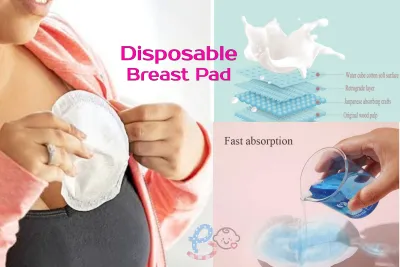
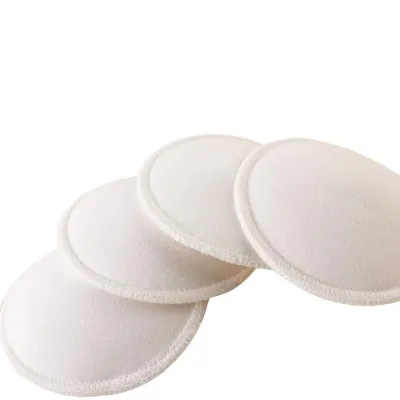
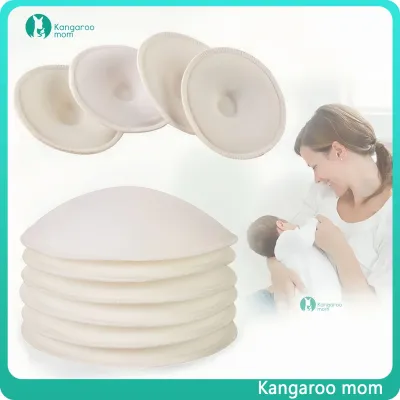
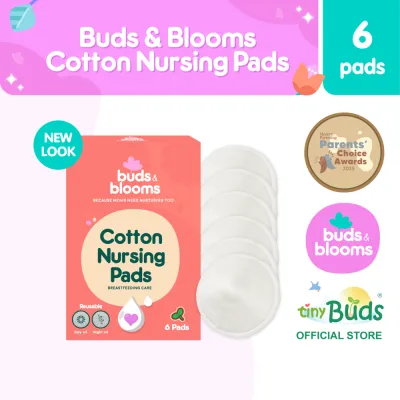
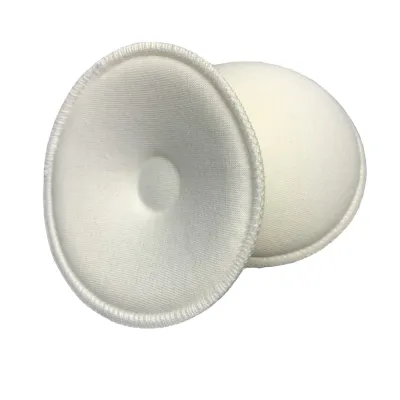
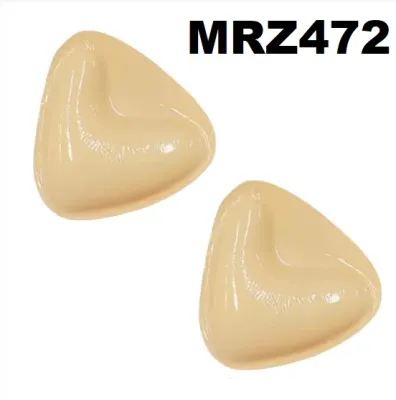
Prices are valid at publication and may change. Please refer to the product page for the latest price.
From an environmental perspective, the reduction in daily household waste is substantial. Disposable nursing pads, which often contain plastic backings and synthetic super-absorbent polymers, contribute directly to local landfills. By switching to washables, you significantly decrease your single-use plastic consumption, making a positive impact on the environment throughout your nursing months.
Comfort and skin sensitivity are particularly critical in a tropical climate. Disposable pads can sometimes feel scratchy, and their plastic adhesive backings can trap heat and sweat against your skin. Washable pads made from natural fibers are inherently softer and more breathable, which helps keep your skin cool and reduces the likelihood of developing painful rashes or clogged milk ducts.
However, reusable pads do come with situational trade-offs. They require a commitment to regular laundry, and you must ensure they are thoroughly dried to maintain hygiene. For busy mothers, managing an extra load of delicate laundry can feel overwhelming at first, meaning you will need to weigh the physical comfort and financial savings against the convenience of simply throwing a disposable pad away.
Key Features to Evaluate Before Buying
To ensure you select high-quality washable nursing pads that perform reliably, it is helpful to understand the structural components that make up a premium pad. The inner layer, which rests directly against your nipple, must be incredibly soft and quick to wick away moisture. Look for materials like organic cotton, bamboo rayon, or bamboo velour, which remain gentle even on cracked or sensitive skin and do not stick to healing nipples.

Behind the contact layer lies the absorbent core, which is responsible for trapping and holding the milk. Common core materials include microfiber, cotton fleece, and bamboo fleece. Microfiber is highly absorbent and quick-drying, but it can sometimes be bulky; bamboo fleece offers a slimmer profile while retaining a high volume of liquid, making it an excellent choice for daytime wear under fitted clothing.
To prevent milk from leaking through to your bra and shirt, a reliable waterproof backing is essential. The industry standard for reusable pads is polyurethane laminate (PUL), a thin fabric layer that blocks liquid water while allowing microscopic air molecules to pass through. This breathability is crucial for preventing the warm, damp environment that encourages bacterial growth.
Shape and contouring play a major role in both comfort and aesthetics. Flat, circular pads have a tendency to bunch up, shift, and create visible lumps under your clothes. Contoured or cone-shaped pads are designed to mimic the natural curve of the breast, providing a smoother, more discreet silhouette and a more secure fit inside your nursing bra.
Finally, consider the edge design and grip features of the pads. Some options feature wide, flat-stitched edges that minimize chafing and prevent the pad from curling at the borders. Others incorporate textured backings or silicone grip dots on the outer layer to help keep the pad firmly in place, preventing it from sliding around as you move throughout the day.
Sourcing and Verifying Options in the Philippines
Finding reliable washable nursing pads in the local market involves knowing where to shop and how to verify product quality. Reputable mother-and-baby specialty boutiques, local independent baby brands, and official brand storefronts on major e-commerce platforms are the safest places to source these products. Avoid purchasing unbranded, ultra-cheap bulk packs from generic online listings, as these often lack proper waterproof backings or use low-grade synthetic materials that can irritate your skin.
When browsing options, read the product labels and descriptions carefully to verify the material composition. Look for brands that explicitly state the percentages of bamboo, cotton, or polyester used in each layer. If a brand claims safety certifications, such as OEKO-TEX Standard 100, verify this by checking if they provide a valid certificate number or if the packaging displays the official testing label, ensuring the fabrics are free from harmful chemical residues.
Customer reviews are an invaluable resource for assessing real-world performance. Look specifically for feedback from mothers living in the Philippines who can speak to how well the pads perform in high humidity. Pay attention to comments regarding how many hours the pads last before feeling damp, whether they retain a sour smell after multiple washes, and how long they take to line dry during the rainy season.
To determine the true value of a product, calculate the cost per pad in ₱. A pack of eight or ten pads often offers a much better unit price than buying individual pairs. Compare this total cost against your estimated monthly expenditure on disposable pads to see how quickly your investment in washables will pay for itself.
Care, Washing, and Hygiene Best Practices
Proper maintenance is essential to keep your washable nursing pads hygienic, absorbent, and free from odors. After removing a damp pad, rinse it in cold water as soon as possible. Cold water helps dissolve and wash away breast milk proteins; using hot water first can actually cook the proteins into the fabric fibers, leading to permanent stains and stubborn, sour odors.
When it comes to washing, you can choose between hand washing and machine washing. If you prefer the convenience of a washing machine, always place the pads inside a mesh laundry bag to protect them from friction and prevent them from getting lost in the drum. Use a mild, fragrance-free detergent, and completely avoid fabric softeners or dryer sheets, as these leave a waxy residue that coats the fibers and drastically reduces the pad’s ability to absorb liquid.
Drying your pads thoroughly is the most critical step in preventing mold, mildew, and bacteria from taking hold. In the Philippines, the high humidity can make air-drying a slow process, especially during the monsoon season. Whenever possible, line dry your pads in direct sunlight, as natural UV rays act as a mild sanitizer and help bleach out any lingering milk stains. If you must dry them indoors, place them in a well-ventilated room with a running electric fan or dehumidifier, or use a clothes dryer on a low-heat setting if the manufacturer’s care label permits.
Even with excellent care, washable nursing pads will eventually reach the end of their lifespan. Inspect your pads regularly for physical signs of wear. It is time to replace them if the waterproof PUL backing begins to crack or peel away, if the inner lining becomes rough and abrasive against your skin, or if the pads retain a persistent sour smell even after a deep, residue-stripping wash.
Building a Practical Nursing Pad Rotation
To make washable nursing pads a seamless part of your daily routine, you need to build a practical rotation that ensures you always have a clean, dry pair ready to use. A standard starting point for most mothers is 6 to 12 pairs (12 to 24 individual pads). This quantity allows you to have one set in use, one set in the laundry hamper, and one set drying on the line, which is particularly important during rainy periods when drying times are longer.
Your rotation strategy will likely change as your breastfeeding journey progresses. In the early weeks postpartum, your milk supply is still regulating, and you may experience frequent, heavy let-downs that require you to change your pads four to six times a day. During this phase, you will need a larger stash of highly absorbent, thicker pads. As your supply stabilizes over the months, your leaking will likely decrease, allowing you to transition to thinner, lower-profile pads that only need to be changed once or twice a day.
There are also scenarios where a hybrid approach is the most practical solution. While washable pads are ideal for daily use at home, keeping a small stash of high-quality disposable pads in your diaper bag can be incredibly helpful for long outings, travel, or emergencies. This ensures you are never caught without protection when you do not have access to laundry facilities or a clean place to store damp, used washable pads.
Frequently Asked Questions (FAQ)
Can I use washable nursing pads overnight?
Yes, you can use washable nursing pads overnight, but you may need to select options specifically designed for nighttime use. Nighttime pads are typically larger in diameter, thicker, and feature extra absorbent core layers to handle longer stretches between changes. If you experience exceptionally heavy overnight let-downs, you should monitor your comfort level and verify if a specialized high-capacity reusable pad or a temporary disposable alternative is necessary to prevent leaks while you sleep.
How do I prevent washable nursing pads from developing a sour smell?
To prevent a sour smell, never leave damp pads sitting in a closed plastic bag or a dark laundry hamper for extended periods. Rinse them in cold water immediately after use, wash them with a residue-free detergent, and avoid fabric softeners which trap bacteria in the fibers. Ensure the pads are completely dry before storing them away, as even a small amount of lingering moisture in the inner core can quickly lead to mildew growth in warm, humid climates.
Are washable nursing pads visible under thin clothing?
Some washable pads can be slightly visible under thin or tight clothing, particularly if they are flat, circular designs that tend to bunch up inside your bra. To minimize visibility, choose contoured or molded pads that curve naturally over the breast and feature ultra-thin, flat-stitched edges. Wearing these pads inside a structured, lightly padded nursing bra will also help create a smooth, seamless silhouette under your favorite outfits.

Community discussion
Share your experience or ask a question. Comments are reviewed before publication.