
Finding the best value in a 50-piece tape diaper pack requires looking beyond the initial price tag on the shelf or screen. While Pampers, Equator, and Huggies are popular choices for parents in the Philippines, the true cost of a diaper depends on a combination of unit pricing, absorbency performance, and how well the design fits your baby’s unique shape. A cheaper pack that leaks frequently or causes skin irritation under tropical humidity can quickly become more expensive than a premium option due to increased daily usage and the need for extra skincare products.
To make a budget-smart decision, you must evaluate these brands using a systematic approach. This involves calculating the exact cost per piece, checking the specific product lines available in 50-piece configurations, and assessing how each brand’s features align with your baby’s developmental stage. By understanding these variables, you can confidently navigate online sales and local supermarket promotions to secure the most cost-effective diapering solution.
How to Calculate the True Cost Per Diaper
To find the most economical option during a tape diaper sale, you must calculate the exact cost per individual diaper rather than comparing overall pack prices. The basic formula is straightforward: divide the total price of the pack in ₱ by the exact number of diapers inside. For example, if a pack costs ₱450 and contains exactly 50 diapers, the cost per piece is ₱9.00. Carrying out this quick calculation allows you to compare different brands and pack sizes on an equal footing.
Products mentioned in this guide
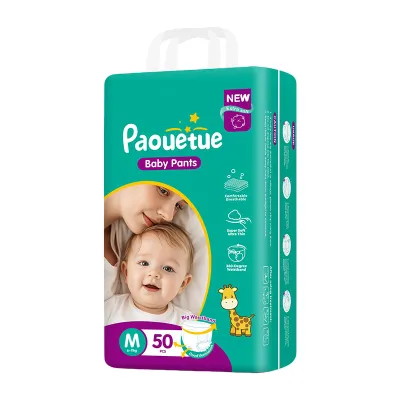
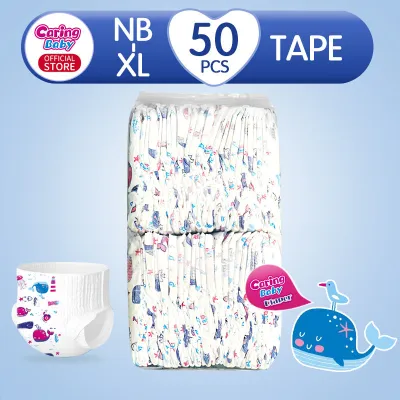
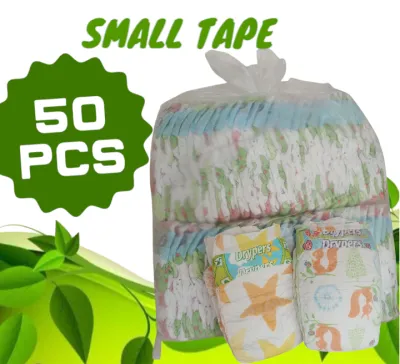
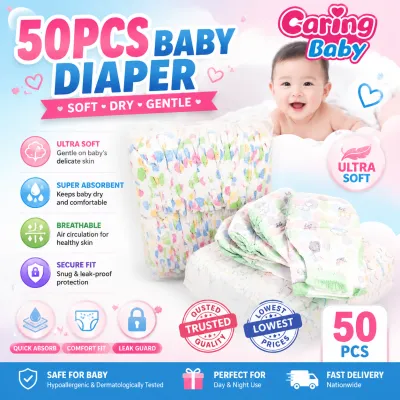
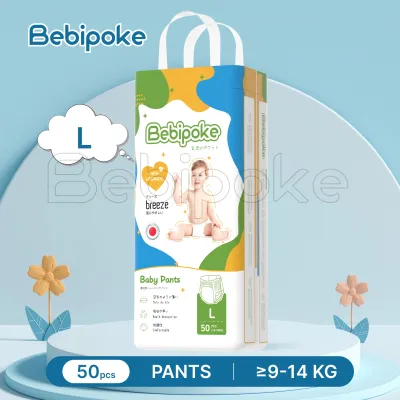
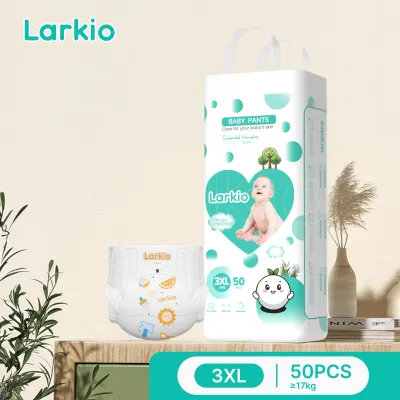
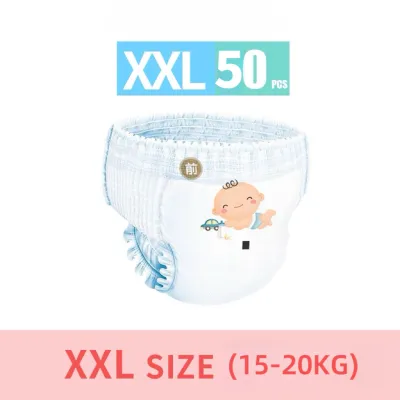
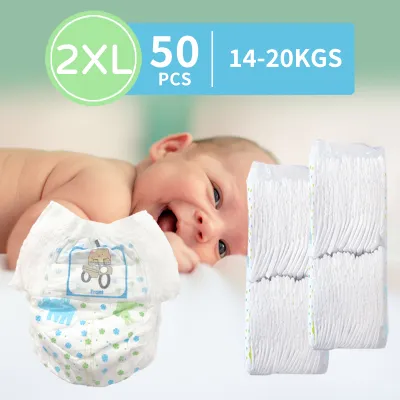
Prices are valid at publication and may change. Please refer to the product page for the latest price.
Always verify the actual piece count listed on the packaging before finalizing your purchase. While many parents search specifically for “50-piece” packs, manufacturers often package diapers in slightly different quantities, such as 48, 52, or 54 pieces, depending on the diaper size and product line. A pack labeled as a medium size might have fewer pieces than a newborn pack sold at the same price point. Checking the fine print ensures your cost-per-piece calculation is accurate and prevents misleading comparisons.
Additionally, you must factor in hidden transaction costs when shopping on ecommerce platforms. Shipping fees can significantly inflate the final price, sometimes wiping out the savings gained from a promotional discount. To get the true unit cost, add the shipping fee to the pack price before dividing by the piece count, or look for free shipping vouchers that apply to your order. Be sure to calculate how minimum spend requirements affect your overall budget, as buying multiple packs to qualify for free delivery requires a higher upfront investment.
Finally, remember to apply platform vouchers, store discounts, and cashback rewards to your calculation. These digital promotions can lower the purchase price substantially, but they often come with specific terms and conditions. Subtract any applicable discounts from the total price before dividing by the diaper count to see the actual amount you will pay per piece. Keeping a running tally of these adjusted unit prices helps you identify which brand offers the genuine best deal during major online shopping events.
Evaluating Pampers, Equator, and Huggies Tape Diapers
When comparing Pampers, Equator, and Huggies, it is important to recognize that diaper availability and packaging configurations vary by size and product line. A brand might offer a highly competitive 50-piece pack for newborn sizes but transition to different pack counts for medium, large, or extra-large sizes. This variation means you must re-evaluate your cost calculations every time your baby transitions to a larger size.

Furthermore, each of these brands offers multiple product tiers, ranging from basic, budget-friendly lines to premium, feature-rich variants. Comparing a basic line from one brand to a premium line from another will yield misleading results. Always check the specific product sub-brand and its intended benefits, such as enhanced overnight dryness or extra-soft materials, to ensure you are comparing similar tiers of quality and performance.
Pampers Tape Diapers
Pampers tape diapers are widely recognized in the market, with popular lines such as Pampers Baby-Dry and Pampers Premium Care frequently available in various pack configurations. When evaluating these options, look closely at the packaging to identify the specific product line, as this dictates the materials used and the overall price point. The basic lines focus on reliable dryness, while the premium lines emphasize superior softness and skin protection.
When inspecting a Pampers pack, check for specific features such as the wetness indicator, stretchable tape sides, and the breathability of the outer cover. In the humid climate of the Philippines, a highly breathable outer layer is essential for keeping your baby’s skin dry and comfortable. Additionally, verify the manufacturer’s absorbency claims, often detailed on the back of the pack, to understand how many hours of dryness the diaper is designed to provide.
Equator Tape Diapers
Equator tape diapers are generally positioned as a highly budget-friendly option in the local market, making them an attractive choice for cost-conscious parents. They are often sold in straightforward packaging configurations that focus on delivering essential diapering functions at a lower price point. This positioning makes them a popular candidate for daytime use when diaper changes are more frequent.
When assessing Equator tape diapers, pay close attention to the physical design details listed on the packaging. Check the elasticity of the waistband and the design of the leak guards around the thighs, as these features are critical for preventing blowouts and leaks. You should also verify the softness of the inner liner to ensure it meets your comfort standards, especially if your baby has active daily movement.
Huggies Tape Diapers
Huggies tape diapers are another staple in the market, with lines like Huggies Dry and Huggies Ultra being common choices for parents. These products are designed with a focus on reliable leak protection and skin health. The brand often highlights specific design innovations on its packaging, making it easy to identify the key features of each product line.
Key details to check on a Huggies pack include the presence of a pocketed waistband, which is designed to trap runny messes at the back, and the specific wetness indicator design. Many Huggies variants also feature clinical skin-care claims or hypoallergenic materials, which you should verify on the label if your baby has sensitive skin. Take note of how the tape fasteners are designed, as secure, reusable tapes are vital for adjusting the fit throughout the day.
Beyond the Price Tag: Hidden Costs and Quality Trade-offs
Choosing the diaper with the lowest cost per piece can sometimes lead to higher overall spending if the diaper does not perform well. Absorbency and leak prevention are critical factors that directly impact your daily diaper consumption. If a cheaper diaper has lower absorbency, you may find yourself changing your baby more frequently during the day or dealing with wet sheets and clothes after overnight leaks. This increased usage rate means you will go through a 50-piece pack much faster, ultimately raising your monthly diaper budget.
Skin sensitivity is another crucial consideration that can introduce significant hidden costs. The tropical heat and high humidity in the Philippines create an environment where diaper rash can develop quickly if moisture is trapped against the skin. If a budget-friendly diaper lacks sufficient breathability or contains materials that irritate your baby’s skin, you may end up spending more on medicated diaper rash creams and pediatrician visits. Investing in a diaper with better moisture-wicking properties can often save money on healthcare and soothing treatments.
Sizing consistency also plays a major role in the long-term value of your purchase. Different brands have distinct cutting and sizing standards, meaning a medium size in one brand might fit smaller or larger than a medium in another. If a brand’s fit runs small, your baby may outgrow the diaper size sooner than expected, forcing you to transition to a larger, more expensive size before finishing your current stock. Checking user feedback on sizing fit and comparing the recommended weight ranges on the packaging can help you avoid buying packs that your baby will quickly outgrow.
Smart Shopping Strategies for Tape Diaper Sales
To secure the best deals on 50-piece tape diaper packs, you should actively compare prices across official brand stores and authorized distributors on major ecommerce platforms. Buying from official stores ensures you receive genuine products and protects you from counterfeit items that may not meet safety standards. These official outlets frequently run exclusive promotions, flash sales, and bundle deals that offer significant savings compared to physical retail stores.
However, you must remain vigilant against misleading discounts and marketing tactics. Some sellers may inflate the original price of a diaper pack to make a standard discount appear much larger than it actually is. Always rely on your calculated cost per piece rather than the advertised discount percentage to determine if a sale is genuine. Be cautious of bundles that include promotional freebies you do not need, as these items are often factored into the total price and may not represent real savings.
Another critical step when buying discounted diapers in bulk is checking the manufacturing date printed on the packaging. Disposable diapers do have a shelf life, and materials like elastic bands and adhesive tapes can degrade over time, especially when stored in warm, humid conditions. Heavily discounted packs are sometimes older stock that retailers are trying to clear out. Ensure the products you purchase are well within their usable lifespan to avoid issues with poor tape adhesion or reduced absorbency.
To stay ahead of sales without constantly monitoring online stores, consider setting up price alerts on your preferred shopping platforms. Many ecommerce sites allow you to add items to a wishlist and receive notifications when the price drops. Subscribing to official brand newsletters and joining parenting communities can also provide early access to discount codes and announcements for upcoming sale events, allowing you to plan your purchases and stock up at the lowest possible unit cost.
Frequently Asked Questions (FAQ)
Is it safe to buy tape diapers in bulk during sales?
Yes, it is generally safe to buy tape diapers in bulk during sales, provided you check the manufacturing dates and store them correctly. Disposable diapers typically have a shelf life of about three years from the manufacture date before the materials, such as adhesives and elastics, begin to degrade. When stocking up, ensure you only buy quantities that your baby will use before outgrowing the current size. To maintain their quality in a tropical climate, store the diapers in a cool, dry place away from direct sunlight and high humidity, keeping the packs sealed until they are ready for use to prevent moisture absorption.
When should I switch from tape diapers to pants?
You should consider switching from tape diapers to pants when your baby becomes highly active and difficult to keep still during diaper changes. Key physical signs of readiness include rolling over, crawling, pulling up to stand, or actively resisting lying down for a change. Diaper pants are designed to be pulled up quickly on a moving child, making the process much easier for caregivers. Before making the switch, compare the cost per piece between the tape and pants variants of your preferred brand, as pants are often slightly more expensive per unit, and ensure the transition fits comfortably within your monthly budget.

Community discussion
Share your experience or ask a question. Comments are reviewed before publication.