
Selecting the right dry wipes for sensitive skin in the Philippines requires a careful evaluation of material composition, manufacturing standards, and structural integrity. Unlike pre-moistened alternatives, dry wipes offer a customizable, chemical-free solution for cleaning delicate skin, making them highly favored by parents and individuals with reactive skin barriers. In a tropical climate where heat and humidity can exacerbate skin irritation, choosing a high-quality dry wipe involves understanding how different fibers behave when wet, verifying packaging claims, and ensuring proper storage. By focusing on objective material checks and safe usage practices, you can confidently select a product that protects the skin barrier without relying on unverified brand rankings or marketing hype.
Why Choose Dry Wipes Over Pre-Moistened Options
Pre-moistened wet wipes are highly convenient, but they require a complex formulation of preservatives, surfactants, and antimicrobial agents to remain shelf-stable and free from bacterial growth in their wet packaging. For individuals with sensitive skin, eczema, or newborn babies with underdeveloped skin barriers, these added chemicals can be frequent triggers for contact dermatitis, redness, and persistent irritation. Dry wipes eliminate this risk entirely by containing zero added liquids, fragrances, or chemical preservatives in their native state, allowing you to control exactly what touches the skin.
By using dry wipes, caregivers and individuals can choose to use plain, lukewarm water or pair the wipe with a specific, pediatrician-approved gentle cleanser. This level of control is particularly beneficial in the tropical climate of the Philippines, where sweat and heat can make skin more reactive to chemical residues. Additionally, dry wipes allow you to dry the skin thoroughly after cleaning, which is a crucial step in preventing diaper rash and skin maceration. Prolonged exposure to residual moisture from wet wipes can weaken the skin’s outer layer, making it more susceptible to friction and fungal infections. Using a dry wipe to pat the skin dry ensures a clean, moisture-balanced surface that supports natural barrier recovery.
Products mentioned in this guide
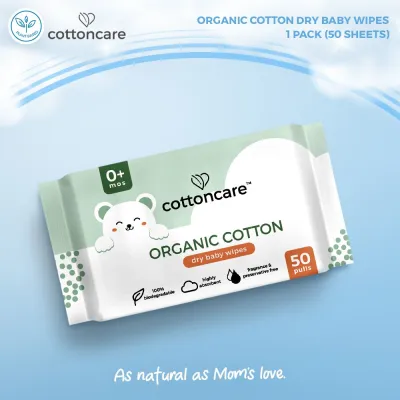

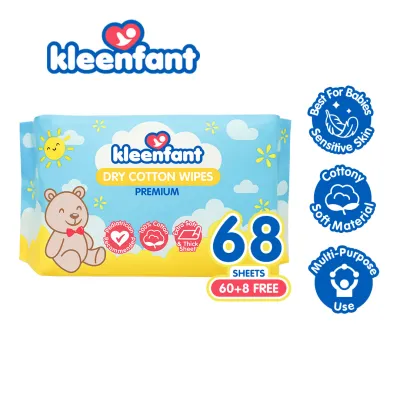
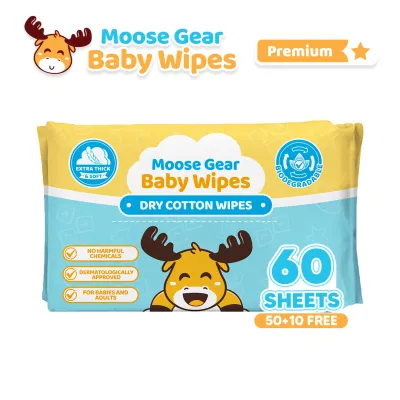
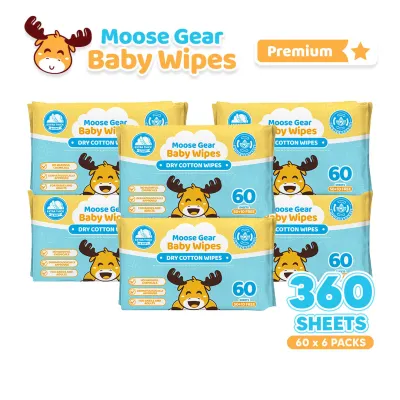
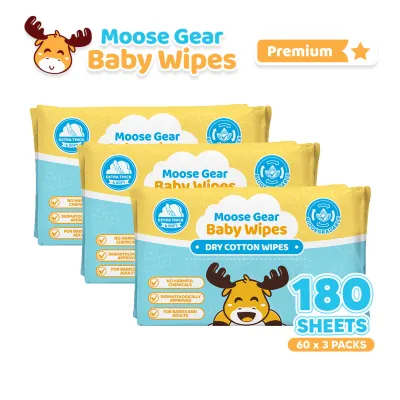
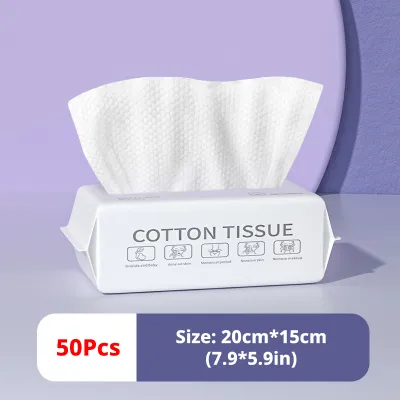
Prices are valid at publication and may change. Please refer to the product page for the latest price.
Essential Material and Texture Checks for Sensitive Skin
When evaluating dry wipes, the raw material composition is the most critical factor determining how gentle the product will be on sensitive skin. Look closely at the product label to verify the fiber source, prioritizing 100% plant-based fibers such as pure cotton or bamboo. Pure cotton is highly valued for its natural softness, breathability, and low potential for friction, while bamboo fibers offer excellent absorbency and structural strength. Avoid products that contain synthetic polyester or rayon blends; these synthetic fibers are often rougher on a microscopic level and do not absorb water as effectively, leading to increased friction and potential skin scraping during use.

The physical texture and thickness of the wipe also play a vital role in protecting delicate skin. A high-quality dry wipe should have a balanced thickness—often referred to as basis weight or grams per square meter (GSM)—to ensure it does not tear or bunch up during use. Wipes that are too thin require you to use multiple sheets or apply more pressure, which increases the risk of friction-induced micro-tears on the skin surface. Look for a soft, embossed pattern, such as a pearl or cross-grid texture, which helps lift dirt and residue efficiently with minimal swiping. The material must also be lint-free, as loose fibers left behind on irritated skin or open diaper rashes can cause further itching and localized inflammation.
Finally, manufacturing standards must be scrutinized to ensure the raw materials have not been treated with harsh processing chemicals. Standard wood pulp and cotton processing often involve chlorine bleaching, which can leave trace amounts of dioxins and other irritants in the finished product. For sensitive skin, select dry wipes that are explicitly labeled as chlorine-free, unbleached, or processed using oxygen-based bleaching methods. Ensure the product is free from optical brighteners—chemicals added to make fabrics appear whiter under light—and chemical binders or glues that hold the fibers together, as these substances can easily migrate to the skin when the wipe is moistened.
Decoding Product Labels and Marketing Claims
Navigating the baby care and skincare aisles requires a critical eye, as packaging is often filled with unregulated marketing buzzwords designed to appeal to health-conscious consumers. Terms like “natural,” “pure,” “hypoallergenic,” or “organic” are frequently used without standardized definitions or third-party oversight. To protect sensitive skin, look past these front-of-pack claims and search for specific, verifiable certifications. For instance, look for independent dermatological test seals or certifications from recognized international bodies that verify the absence of harmful substances in textiles. These certifications provide a higher level of assurance than a brand’s self-declared “sensitive skin approved” label.
It is also essential to inspect the complete material list, which is sometimes hidden on the back or bottom of the packaging. Even if a product is marketed as a “cotton wipe,” the fine print may reveal a blend of cotton and polyester. Any presence of synthetic polymers should be a signal to proceed with caution if the user has highly reactive skin. Furthermore, check for any indications of chemical finishes or botanical extracts infused into the dry fibers. While some brands add chamomile or aloe vera extracts to dry wipes, these additives can still trigger allergic contact dermatitis in highly sensitive individuals, making plain, untreated fibers the safest baseline choice.
Another common marketing claim to evaluate is whether the dry wipes are labeled as “flushable.” While some plant-based wipes are designed to break down more rapidly than synthetic alternatives, municipal drainage systems and household plumbing in the Philippines are often not equipped to handle them. Flushing these wipes can lead to severe clogs, backflows, and costly plumbing repairs. Regardless of what the packaging claims, the safest and most environmentally responsible practice is to dispose of all used dry wipes in a designated waste bin rather than flushing them down the toilet.
Safe Purchasing Channels and Authenticity Checks in the Philippines
Ensuring the safety of dry wipes also depends on where and how you purchase them. Counterfeit baby and skincare products are a persistent issue on online marketplaces, and using non-authentic wipes can expose sensitive skin to unverified materials and chemical contaminants. When shopping online, always prioritize official brand flagship stores or authorized distributors on major e-commerce platforms. If purchasing offline, source your wipes from established physical retailers, such as Watsons, major supermarkets, or specialized mother-and-baby boutiques, which maintain strict supply chain controls and proper storage standards.
Before purchasing or using a new pack of dry wipes, perform a quick physical inspection to verify its authenticity and condition. Check the packaging for clear manufacturing and expiration dates, as well as a visible batch or lot code. The packaging should be completely sealed, with no punctures, tears, or signs of re-sealing, which could expose the dry wipes to ambient moisture and dust. In the tropical, high-humidity climate of the Philippines, improperly stored products can absorb moisture from the air, leading to mold or bacterial growth inside the pack before it is even opened. If you notice any unusual musty odors, discoloration, or dampness upon opening a fresh pack, discontinue use immediately.
When managing a household budget, comparing unit prices is the most effective way to find value without compromising on quality. Calculate the cost per sheet by dividing the total price (in ₱) by the number of wipes in the pack. While bulk-buying larger boxes or multi-packs often yields a lower cost per sheet, ensure you have a dry, cool storage space at home to keep the unopened packs sealed and protected from tropical humidity. Buying in excessive quantities is only economical if the products can be kept completely dry and hygienic until they are ready for use.
Safe Usage and Storage Practices for Delicate Skin
To maximize the benefits of dry wipes, proper preparation and application techniques are essential. When wetting a dry wipe, use clean, potable water. For newborns or individuals with compromised skin barriers, boiled and cooled water or sterile water is highly recommended to prevent introducing environmental bacteria to the skin. Ensure the water is at a comfortable, lukewarm temperature, as excessively hot water can strip natural lipids from the skin barrier, while cold water may cause discomfort. If you choose to use a gentle liquid cleanser, dilute it according to the manufacturer’s instructions or apply a small, pediatrician-approved amount directly to the wet wipe rather than saturating the entire pack.
The physical technique used during cleaning is just as important as the material of the wipe. Avoid dragging or rubbing the wipe vigorously across the skin, especially in sensitive areas like the diaper zone, face, or skin folds. Instead, use a gentle patting or pressing motion to lift away moisture and impurities. Rubbing creates friction that can disrupt the delicate stratum corneum, leading to micro-abrasions, redness, and increased susceptibility to irritants. If dealing with dried-on residue, place a warm, wet dry wipe over the area for a few seconds to soften the residue before gently patting it clean.
Proper storage is critical to maintaining the hygiene of dry wipes in a tropical environment. Once a pack is opened, keep the resealable plastic lid or adhesive strip tightly closed after extracting each wipe to prevent dust, insects, and humid air from entering. Store the package in a cool, dry cupboard away from direct sunlight, bathroom steam, or localized heat sources. If you transfer dry wipes to a portable dispenser for travel, ensure the dispenser is thoroughly cleaned and dried before refilling, and only pack the number of wipes you expect to use within a few days to minimize the risk of environmental contamination.
Frequently Asked Questions (FAQ)
Can I use dry wipes for newborns from day one?
Yes, dry wipes are highly suitable for newborns from day one because they allow parents to clean delicate skin using only plain, warm water, avoiding the preservatives and fragrances found in standard wet wipes. During the first few weeks of life, a newborn’s skin barrier is exceptionally thin and highly permeable, making it vulnerable to chemical absorption and irritation. Using an ultra-soft, unbleached dry wipe moistened with clean water is a safe and gentle way to manage diaper changes and daily cleanups. However, if your newborn has extremely dry skin, peeling, or an active skin condition, consult your pediatrician before introducing any new cleaning materials or routines.
Are bamboo dry wipes better than cotton for sensitive skin?
Neither material is universally superior, as both bamboo and cotton offer distinct benefits for sensitive skin, and individual preferences may vary. Bamboo fibers are naturally highly absorbent, durable, and often feel exceptionally silky to the touch, which helps minimize friction on reactive skin. Cotton is a time-tested, highly breathable, and naturally soft fiber that is less likely to cause allergic reactions when kept pure. Rather than focusing solely on the raw fiber type, it is more important to verify how the material was processed. Ensure that whichever fiber you choose is free from chemical binders, chlorine bleaching, and synthetic blends, as the manufacturing process has a greater impact on skin safety than the base material alone.
How do I know if a dry wipe is causing an allergic reaction?
An allergic reaction or contact irritation from a dry wipe—or the liquid used to moisten it—typically presents as localized redness, small raised bumps, dry patches, or a warm-to-the-touch rash in the areas where the wipe was applied. You may also notice the individual showing signs of discomfort, such as itching or crying during cleanups. If you observe any of these signs, immediately discontinue using the dry wipe and switch to rinsing the skin with plain water and patting dry with a clean, sterile cloth. If the redness, swelling, or rash persists, spreads, or shows signs of infection such as oozing, consult a qualified healthcare professional or pediatrician for a proper diagnosis and treatment plan.
Community discussion
Share your experience or ask a question. Comments are reviewed before publication.