
Investing in a high-quality cribset for baby 4 in 1 set is one of the most practical decisions you can make when preparing your nursery in the Philippines. Unlike traditional single-stage cribs that your child will outgrow within a couple of years, a convertible system is designed to adapt to your child’s physical development over a decade or more. By transitioning through multiple configurations, this single piece of furniture can serve your child from infancy all the way through their school-age years.
However, finding the right 4-in-1 crib set requires looking beyond aesthetic appeal and initial price tags. In a tropical climate like the Philippines, factors such as humidity, wood durability, and the availability of local customer support play a critical role in how well a crib performs over its multi-year lifespan. To make an informed purchase, you must understand how these systems convert, what structural features ensure safety, and how to navigate online marketplaces to find a reliable product.
Understanding the 4-in-1 Convertible Stages
A standard 4-in-1 convertible crib is designed to progress through four distinct sleeping arrangements as your child grows. The journey begins with the standard infant crib, which features high, secure sides to keep your newborn safe. During this initial stage, the mattress is typically set at its highest position to make it easier for parents to lift the baby, and then lowered as the infant learns to sit and stand.
Products mentioned in this guide



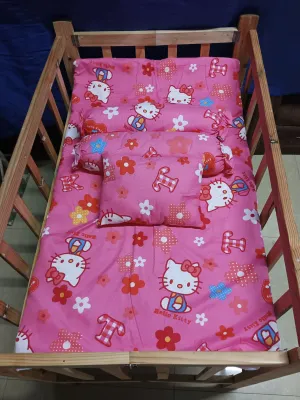
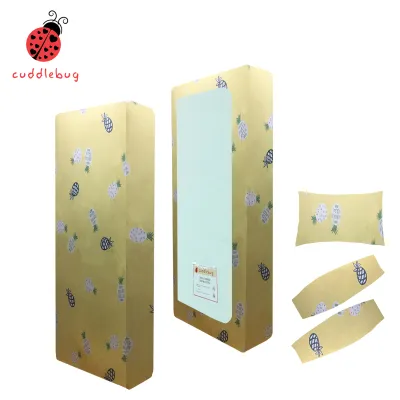



Prices are valid at publication and may change. Please refer to the product page for the latest price.
The second stage is the toddler bed. This configuration replaces one of the high crib sides with a low safety guardrail, allowing your toddler to climb in and out of bed independently while still preventing accidental falls during sleep. It offers a familiar sleeping environment, which can make the transition away from a fully enclosed crib much smoother for your child.
The third stage is the daybed. To transition to a daybed, you completely remove the front guardrail while keeping the back and side panels intact. This setup functions similarly to a small sofa or daybed, providing a comfortable space for your child to lounge, read, or sleep during their preschool years.
The final stage is the full-size bed, where the original headboard and footboard of the crib are attached to a larger bed frame. This configuration accommodates a standard double or full-size mattress, transforming the nursery furniture into a proper bed that can easily last through adolescence.
It is crucial to recognize that the definition of “4-in-1” can vary significantly between manufacturers. Some brands count the transition from a crib to a toddler bed with a guardrail as one stage, while others might skip the toddler bed entirely and count a twin-size bed conversion instead. Always read the product manual and specifications carefully to confirm the exact configurations supported by the model you are considering.
Additionally, you must verify what is actually included in your initial purchase. Many buyers are surprised to learn that the toddler guardrails and the full-size bed rails required for the later stages are often sold separately. Purchasing these conversion kits years down the line can be difficult if the model has been discontinued, so it is highly recommended to buy all necessary conversion hardware upfront.
Key Structural and Design Features to Evaluate
The structural integrity of a convertible crib is paramount, especially since it is expected to endure years of active use and multiple reassemblies. When evaluating frame materials, solid hardwoods such as beech, poplar, or pine are generally preferred for their strength and longevity. In the Philippines, where high humidity levels can cause wood to expand, contract, or warp, solid wood frames tend to hold up better over time compared to low-grade engineered woods or medium-density fiberboard (MDF), which can degrade when exposed to moisture.

You should also check the manufacturer’s specified weight capacity limits for each conversion stage. While an infant crib only needs to support a baby, the toddler bed and daybed configurations must safely bear the weight of an active toddler. The full-size bed conversion will eventually need to support a growing child and a much heavier mattress, making robust joint construction and sturdy hardware essential.
Mattress compatibility is another critical safety and comfort factor. Standard crib dimensions are highly regulated, but minor variations can still occur. You must verify that your chosen crib mattress fits snugly within the frame without leaving dangerous gaps along the edges. A simple rule of thumb is that if you can fit more than two fingers between the mattress and the crib frame, the fit is too loose, presenting a potential entrapment hazard for your baby.
The adjustability of the mattress platform is equally important. Look for models that offer at least three adjustable height positions. This allows you to lower the mattress as your baby grows more active, preventing them from climbing or falling out of the crib. The mechanism used to adjust the height should be secure and easy to operate, utilizing heavy-duty metal brackets rather than plastic components.
Slat spacing must be carefully inspected to ensure it complies with international safety standards. The distance between individual slats should not exceed 6 centimeters (approximately 2.375 inches). This spacing prevents a baby’s head, limbs, or body from slipping through or becoming trapped between the slats. Avoid cribs with decorative cutouts in the headboard or footboard, as these can also pose entrapment risks.
Finally, consider the physical footprint of the crib in relation to your home. A 4-in-1 crib is typically larger and heavier than a standard single-use crib or a travel playpen. Measure your nursery space carefully, keeping in mind that you will need extra clearance once the crib is fully converted into a full-size bed. The design aesthetic should also be versatile enough to transition from a whimsical baby nursery to a mature child’s bedroom without looking out of place.
Safety Checks and Certification Verification
When shopping for baby furniture, safety must always be your top priority. Because convertible cribs are used across different developmental stages, they must meet rigorous safety standards. Look for recognized safety certifications on the product packaging, label, or the manufacturer’s official website. Certifications from organizations such as the Juvenile Products Manufacturers Association (JPMA) or compliance with ASTM International standards indicate that the crib has undergone testing for structural stability, material safety, and physical hazards.
The finishes and paints used on the crib must be completely non-toxic. Babies frequently chew on crib rails when teething, making it essential that the wood is treated with lead-free, water-based paints or food-grade finishes. You can verify this by requesting the manufacturer’s material safety data sheets or looking for certifications that verify low chemical emissions, ensuring the furniture does not compromise the indoor air quality of your nursery.
Before finalizing any purchase, it is wise to check national and international recall databases. Search for the specific brand and model number to ensure the product has not been flagged for design flaws, hardware failures, or safety hazards. This step is particularly important when buying imported cribs that may not be subject to local retail monitoring.
If you are considering purchasing a second-hand crib or buying from an unauthorized third-party seller, exercise extreme caution. Inspect the crib thoroughly for any signs of wear, structural damage, or missing hardware. Never use a crib that has been modified by a previous owner, as unauthorized alterations can compromise the structural integrity of the frame. Additionally, older crib models may not comply with modern safety standards, such as the ban on drop-side crib designs, which are highly dangerous and should be avoided entirely.
Assessing Long-Term Value and Space Requirements
While a 4-in-1 convertible crib is often marketed as a cost-effective, one-time purchase, calculating the true cost of ownership requires looking at the long-term expenses. The initial price of the crib set usually only covers the standard crib configuration. To fully utilize all four stages, you will eventually need to purchase a toddler guardrail, full-size bed conversion rails, a full-size mattress, and new bedding.
To avoid unexpected expenses, compare the upfront cost of the crib plus its conversion kits against the cost of buying separate pieces of furniture over time. In many cases, purchasing the conversion kits together with the crib is the most economical choice, as it guarantees color matching and compatibility while protecting you from future stock shortages or product discontinuations.
Space planning is another critical aspect of assessing long-term value. A full-size bed configuration requires significantly more floor space than an infant crib. Before buying, measure your child’s current room and consider whether the layout can comfortably accommodate a full-size bed, a wardrobe, and play space in the future. If your living space is limited, a smaller convertible model or a mini-convertible crib might be a more practical choice.
Review the manufacturer’s warranty terms carefully, paying close attention to what parts are covered and for how long. A comprehensive warranty that covers structural defects and hardware replacement for several years is a strong indicator of product quality. It also provides peace of mind, knowing that you can obtain replacement parts if a component is damaged during a move or a conversion process.
Finally, consider the availability of local customer support in the Philippines. If you need to order a replacement screw, a new slat, or an additional conversion rail five years from now, having a reliable local distributor or responsive customer service channel makes a massive difference. Brands with an established local presence are generally much easier to deal with when sourcing spare parts than obscure brands with no local representation.
Smart Shopping Strategies for Online Marketplaces
Shopping for a cribset for baby 4 in 1 set on e-commerce platforms requires a strategic approach to ensure you receive a genuine, high-quality product. Start by using precise search filters to narrow down your options to convertible models. Once you find a potential candidate, read through the product description and the customer Q&A section carefully. This is often where you will find crucial details about what accessories are included in the box and whether the mattress is sold separately.
Customer reviews are an invaluable resource when shopping online. Look for detailed reviews from parents who have actually assembled and used the crib. Pay close attention to recurring complaints regarding missing hardware, misaligned pre-drilled holes, or fragile wood. Reviews that include photos or videos can give you a much more realistic view of the crib’s actual color, finish quality, and overall sturdiness than polished promotional images.
To protect yourself from counterfeit products or damaged deliveries, always verify the seller’s credentials. Look for official brand stores or authorized distributors on the platform. Check the seller’s overall rating, response rate, and return policy. A flexible return policy is essential when buying large furniture online, as it allows you to return the product if it arrives with shipping damage or manufacturing defects.
Given the weight and size of a 4-in-1 crib set, shipping fees can be substantial. Compare delivery options and look for sellers that offer reliable cargo shipping or specialized furniture delivery services. Some platforms also offer professional assembly services for an additional fee. If you are not confident in your DIY skills, opting for professional assembly can save you hours of frustration and ensure the crib is put together safely and correctly according to the manufacturer’s instructions.
Frequently Asked Questions (FAQ)
Do I need to buy a new mattress when converting to a full-size bed?
Yes, you will need to purchase a new mattress when transitioning your 4-in-1 crib to a full-size bed. The original crib mattress is designed specifically for infant safety and is much smaller than a standard full-size bed. When you perform the final conversion, the crib frame expands to accommodate a standard double or full-size mattress. You should factor the cost of this larger mattress, along with appropriate full-size bed sheets and pillows, into your long-term nursery budget.
How do I know when my baby is ready to transition to the toddler bed?
Most babies are ready to transition to a toddler bed between 18 months and three years of age. Key developmental signs include attempting to climb out of the crib, reaching a height of 89 centimeters (35 inches), or when the top of the crib rail is below their chest level when standing. If your child is consistently trying to scale the sides, transitioning them to a toddler bed with a guardrail prevents dangerous falls. If you are unsure about the timing, consult your pediatrician for guidance based on your child’s physical development.
Community discussion
Share your experience or ask a question. Comments are reviewed before publication.