
Finding “buy 1 take 1” (B1T1) refrigerator door locks on Philippine e-commerce platforms is a highly effective way to stretch your baby-proofing budget, but securing a genuine deal requires looking beyond the promotional banner. Because online listings change rapidly, the key to maximizing value lies in verifying the structural integrity, adhesive quality, and actual package contents of these promotional bundles before checking out. By focusing on safety specifications and understanding how local tropical conditions affect adhesive performance, you can ensure that a double-pack offer delivers real protection for your curious toddler rather than a redundant, low-quality plastic latch.
Assessing Your Baby-Proofing Needs Before Buying in Bulk
Before clicking “add to cart” on a buy 1 take 1 deal, map out your home’s layout to see if a multi-pack is truly necessary. A single refrigerator lock might be all you need if your kitchen is isolated by a safety gate. However, most Philippine homes feature open-plan layouts where the kitchen flows directly into the living area, making appliances easily accessible to crawling infants and toddlers.
Take a detailed inventory of all low-level appliances and storage units. A buy 1 take 1 deal becomes highly practical when you realize that a second lock can secure a chest freezer, a low-standing water dispenser, or a bottom-mount freezer drawer. If you only have one refrigerator door to secure, the extra lock does not have to go to waste; it can easily be repurposed for other high-risk household fixtures.
Products mentioned in this guide
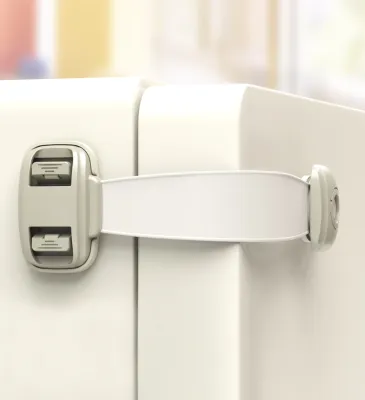
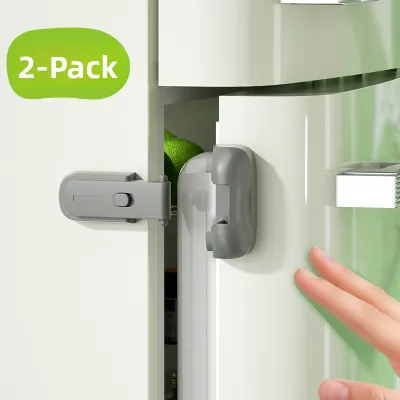
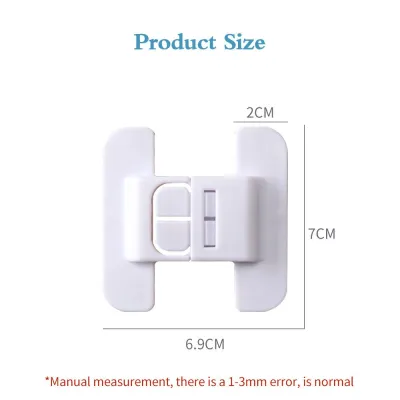
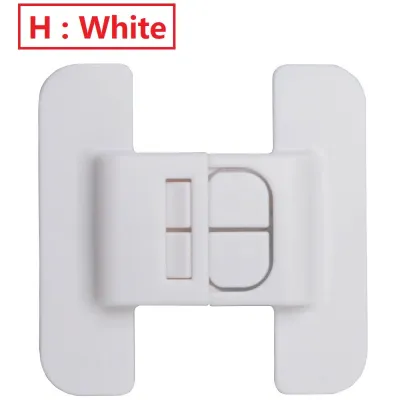
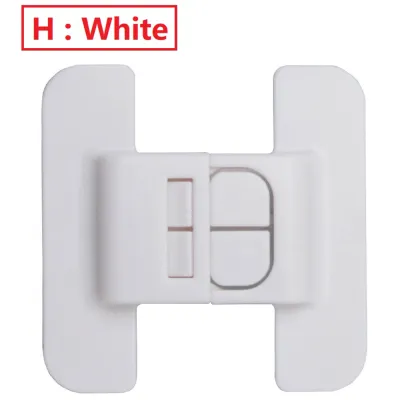
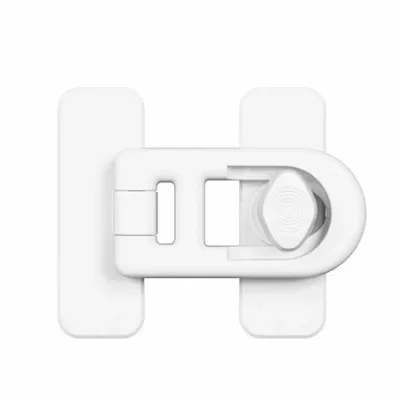
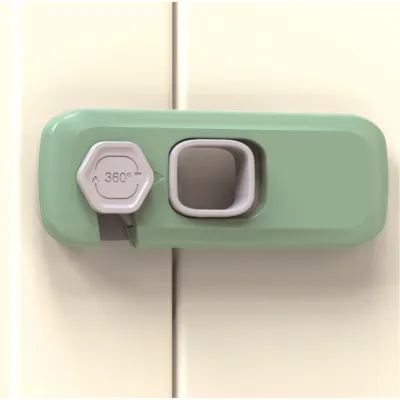
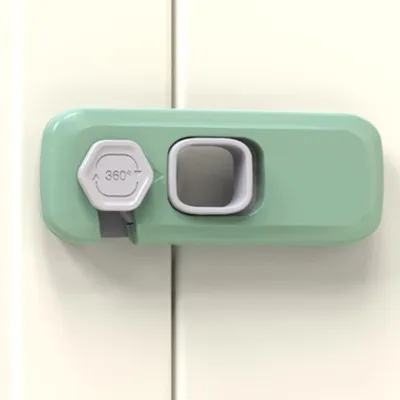
Prices are valid at publication and may change. Please refer to the product page for the latest price.
Consider using the extra lock on bathroom fixtures, such as the toilet lid, which poses both a drowning hazard and a hygiene risk for curious toddlers. Lower cabinets containing cleaning supplies, heavy pots, or glass jars are also excellent candidates for these versatile strap or button locks. By identifying these secondary placement areas beforehand, you ensure that every piece in a promotional bundle serves a clear safety purpose.
Avoid the temptation to buy bulk promotional packages if your home does not have compatible surfaces for them. For instance, if your cabinets have deep decorative molding or uneven wicker textures, standard adhesive locks will not adhere properly. Purchasing a buy 1 take 1 deal simply because of the low price can lead to clutter and wasted resources if the secondary lock cannot be safely installed anywhere in your home. Focus on utility over the perceived discount to maintain a streamlined, highly effective childproofing system.
Essential Safety and Design Features to Verify
When evaluating refrigerator locks in promotional bundles, the locking mechanism itself must be your primary focus. Toddlers are remarkably observant and will quickly learn how to bypass simple latches by watching you open the fridge. Look for multi-action mechanisms, such as double-button releases or slide-and-press systems, which require a level of manual dexterity and finger strength that young children have not yet developed.

Strap locks offer excellent flexibility for curved edges or double-door refrigerators, but the strap material must be durable enough to withstand constant pulling. Rigid plastic latch locks work well for single-door units with flat surfaces, but they lack the flexibility needed for appliances with wider gaps. Assess the physical layout of your refrigerator doors to determine whether a flexible strap or a rigid latch is the safer choice for your specific appliance model.
Adhesive quality is the single most common failure point for baby-proofing locks, especially in the warm, humid climate of the Philippines. High humidity can soften low-grade adhesives, causing the lock to peel off under minimal pressure from a determined toddler. Look for listings that specify the use of heavy-duty, pressure-sensitive acrylic foam tapes, which are designed to cure and hold strong on smooth, non-porous surfaces like painted steel, stainless steel, and glass.
Material safety is another critical factor that caregivers must verify before purchasing any plastic baby-proofing product. Since infants and toddlers often explore their environment with their mouths, ensure the locks are made from non-toxic, BPA-free, and phthalate-free ABS or TPE plastics. Avoid products that emit a strong chemical odor upon opening, as this can indicate the presence of volatile organic compounds or low-grade recycled plastics that may easily crack under stress.
Finally, the lock must strike a practical balance between child resistance and adult accessibility. A lock that is too difficult for a caregiver to open with one hand while carrying groceries or a baby will quickly become an annoyance, leading to it being left unlocked or improperly engaged. Opt for designs that allow smooth, one-handed operation for adults but remain completely baffling and physically challenging for a child under the age of three.
Navigating E-Commerce Promotions for Genuine Value
Online marketplaces are filled with eye-catching promotional graphics, but smart shoppers must look closely at the product options and descriptions to confirm what is actually included. Some sellers use promotional keywords as search bait but configure the product variations so that the lowest price only buys a single lock, while the double-pack costs significantly more. Always select the specific variation in your cart and verify that the quantity or package description explicitly states “2 pieces” or “1+1” before finalizing the order.
Do not rely solely on stock product photos, which often depict premium, heavy-duty locks that may not match the actual item shipped. Scroll down to the customer review section and filter for reviews that contain real photos and videos uploaded by local buyers. Examine these images to check the thickness of the plastic, the branding on the adhesive backing, and whether the promotional item is indeed identical in quality to the primary lock rather than a cheaper, flimsy alternative.
Factor the total cost of shipping into your purchasing decision, as delivery fees across different regions of the Philippines can vary widely. A buy 1 take 1 deal that looks incredibly cheap at first glance might lose its financial advantage if the seller is shipping from an overseas warehouse or a remote province, resulting in high shipping fees that exceed the cost of the locks themselves. Compare the total checkout price—including shipping and any applicable platform vouchers—against local retail store prices to ensure you are getting a genuine discount.
Be highly suspicious of listings that feature extreme price discrepancies, lack seller ratings, or contain vague, machine-translated product descriptions. If a deal seems too good to be true, it may involve counterfeit adhesives or brittle plastics that will snap the first time your toddler pulls on the refrigerator door. Stick to preferred sellers, official brand stores, or listings with a high volume of positive, detailed feedback to guarantee that your purchase meets basic home safety standards.
Proper Installation and Ongoing Safety Maintenance
To ensure your refrigerator lock can withstand the daily tugging of an active toddler, proper surface preparation is absolutely essential. Begin by thoroughly cleaning the designated installation area with rubbing alcohol to remove grease, kitchen oils, dust, and fingerprint residue. Avoid using household glass cleaners or soapy water, as these can leave behind a thin film that prevents the adhesive from bonding completely with the refrigerator surface.
Once the surface is completely dry, carefully plan the placement of the lock before peeling off the adhesive backing. Install the lock high enough on the refrigerator door so that it is completely out of your child’s reach, preventing them from applying direct downward leverage or playing with the buttons. Ensure the lock is aligned straight across the gap between the door and the main body of the refrigerator to minimize tension on the adhesive pads when the door is closed.
After positioning the lock, press down firmly on the adhesive pads for at least thirty seconds to activate the pressure-sensitive bond. It is absolutely vital to let the adhesive cure without any load or pulling force for at least 24 hours; applying immediate tension to a newly installed lock will severely compromise its long-term holding power. Consider installing the lock at night after the kitchen is closed for the day to allow uninterrupted curing time.
The tropical climate and high humidity in Philippine kitchens can accelerate the degradation of adhesive bonds over time, making routine safety checks necessary. Once a week, give the lock a gentle tug to ensure the adhesive pads are not peeling at the edges and that the locking mechanism still clicks securely into place. If you notice any lifting, replace the adhesive tape immediately with a fresh, heavy-duty double-sided acrylic pad rather than waiting for the lock to fail completely.
When your child outgrows the need for baby-proofing, removing the locks safely requires patience to avoid damaging your appliance’s finish. Avoid using metal scrapers, knives, or harsh chemical solvents that can scratch stainless steel or strip the paint off your refrigerator. Instead, use a gentle removal method that softens the adhesive bond gradually, ensuring your appliance remains clean and undamaged.
Frequently Asked Questions (FAQ)
How do I remove adhesive baby locks without damaging my refrigerator?
To safely remove an adhesive lock, use a hairdryer on a low or medium heat setting to warm the plastic base and the underlying adhesive pad for one to two minutes. The heat will soften the acrylic bond, allowing you to slowly peel the lock away from the refrigerator surface without forcing it. If any sticky residue remains on the appliance, apply a small amount of household cooking oil, baby oil, or a specialized adhesive remover to a soft microfiber cloth and gently rub the area until the residue lifts. Never use steel wool, abrasive scouring pads, or sharp metal tools, as these will permanently scratch and dull both painted and stainless steel finishes.
Can I use refrigerator locks on other kitchen appliances?
Yes, these adhesive locks are highly versatile and can be used on other flat, non-porous surfaces such as dishwashers, microwave doors, washing machines, and lower kitchen cabinets. However, you must exercise extreme caution when applying them to appliances that generate high external heat, such as ovens or toaster ovens. The intense heat from these appliances can melt the plastic housing of the lock or cause the adhesive backing to liquefy and fail, creating a serious safety hazard. Always check the manufacturer’s instructions for specific temperature limits and avoid placing adhesive locks near heat vents or directly on surfaces that become hot to the touch during operation.
Community discussion
Share your experience or ask a question. Comments are reviewed before publication.