
Finding a reliable walker for an active baby boy requires looking beyond vibrant toy trays and colorful designs. In the Philippines, where homes often feature tiled, marble, or polished concrete floors, a walker must offer exceptional stability and structural integrity to handle daily use. Active infants exert surprising force as they push, spin, and navigate their surroundings, making durability a primary concern for parents. To ensure their safety and support their physical development, caregivers must learn how to identify genuine heavy-duty construction rather than relying solely on marketing labels.
Selecting the right gear involves understanding the engineering behind baby activity products and verifying safety certifications. A sturdy walker must withstand sudden impacts, resist tipping, and accommodate a growing baby’s weight without sagging or flexing. Additionally, the tropical climate in the Philippines introduces environmental factors like high humidity and heat, which can affect the longevity of plastics, metals, and fabrics. This guide provides a comprehensive framework for evaluating walker durability, verifying safety standards, and maintaining gear to keep your little one secure.
Defining "Heavy-Duty" for Baby Walkers
When searching for a heavy-duty baby walker, it is essential to distinguish between marketing buzzwords and actual structural reinforcement. Many products are labeled as heavy-duty simply because they feature bulky plastic toys or thick bumpers. In contrast, true structural durability is determined by the quality of the frame, the thickness of the base, and the integrity of the connection points. A robust walker utilizes high-impact polymers and reinforced metal tubing, typically steel or aluminum, to form a rigid chassis that does not bend or warp under lateral pressure.
Products mentioned in this guide
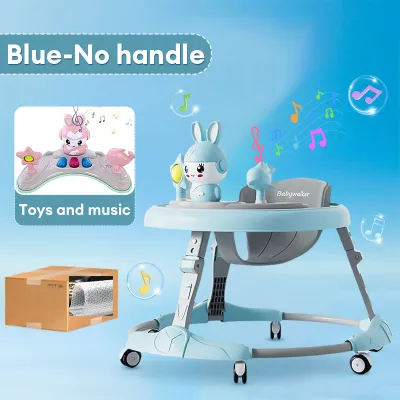
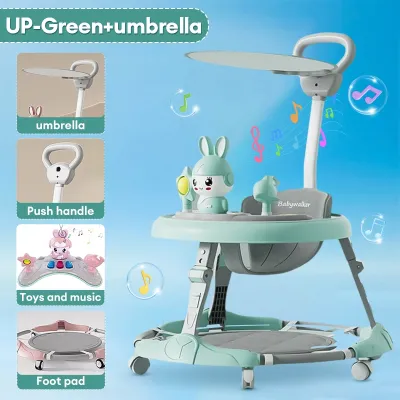
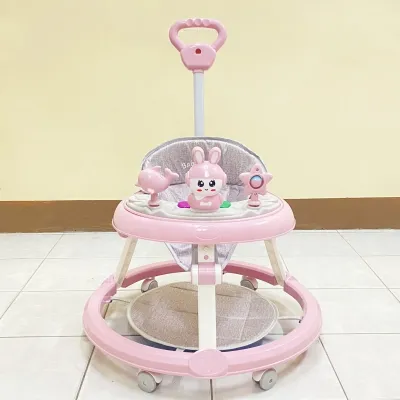
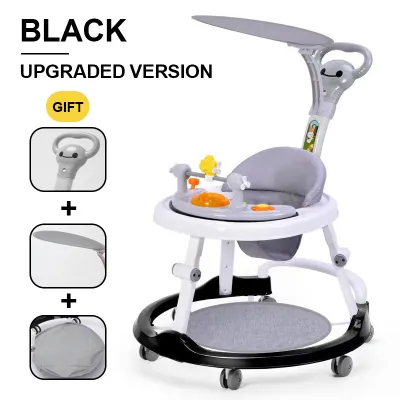
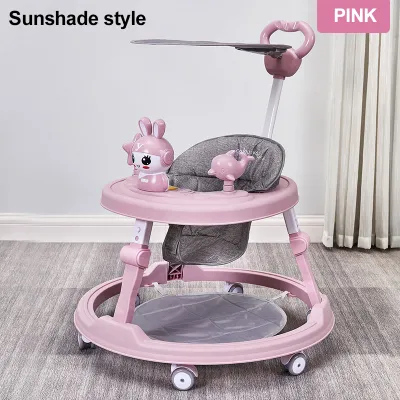

![[BABY WALKER] Training Walker for Babies 5-14 months old with Push Control Bar.. Music and Light-201](https://img.lazcdn.com/g/p/2a64f203adafdd05d3f71f178b85853c.jpg_400x400q80.jpg_.webp)
Prices are valid at publication and may change. Please refer to the product page for the latest price.
Evaluating the frame design is the first step in identifying a sturdy product. Look for a wide, low-profile base that distributes weight evenly across the floor. The joints where the upper frame connects to the lower base should be secured with heavy-duty metal fasteners or deeply recessed, thick plastic locking mechanisms. Avoid models with thin, flexible plastic struts that wobble when light pressure is applied. A rigid frame ensures that the walker remains stable even when an energetic baby boy lunges forward or attempts to change directions quickly.
While materials like high-grade polyurethane and powder-coated steel indicate a sturdier build, no walker is completely indestructible. Over time, repeated impacts against walls, furniture, and door frames can stress even the most robust materials. Parents must recognize that a heavy-duty build is designed to prevent structural failure during normal, active use, but it does not eliminate the need for careful handling. Furthermore, a sturdy build quality must never be viewed as a substitute for constant adult supervision. Regardless of how solid a walker feels, an adult must always remain within arm’s reach to monitor the baby’s movements.
Critical Safety Standards and Certifications to Verify
Before purchasing any baby walker, verifying compliance with recognized safety standards is the most critical step in protecting your child. Legitimate manufacturers subject their products to rigorous testing to ensure they meet strict safety protocols. Look for certification labels printed directly on the product packaging, the user manual, or the frame itself. Common international standards include ASTM F977 in the United States and EN 1273 in Europe. These certifications guarantee that the walker has passed tests for tipping resistance, structural integrity, and stair-fall prevention.

In the Philippines, parents should also check for local quality marks, such as the Import Commodity Clearance (ICC) sticker or the Philippine Standard (PS) mark, which indicate that the product has been inspected and approved for the local market. If these labels are missing or look suspicious, it is best to avoid the product. Additionally, always verify the exact weight and height limits specified by the manufacturer. These limits are not mere suggestions; they represent the maximum physical boundaries within which the walker’s safety features, such as brakes and harness support, are guaranteed to function correctly.
To ensure the product is safe for current use, check for active product recalls before making a purchase or accepting a secondhand walker. Manufacturers and consumer protection agencies, such as the Department of Trade and Industry (DTI) in the Philippines, regularly publish advisories regarding defective baby gear. You can search the manufacturer’s official website or international recall databases using the specific model number and manufacturing date found on the walker’s tracking label. Taking a few minutes to verify this information prevents the accidental use of a recalled or structurally flawed product.
Structural Features That Support Active Babies
An active baby boy requires a walker designed with specific physical features that enhance stability and prevent tipping. The wheelbase width is a primary factor in tipping resistance; a wider base creates a larger footprint, making it significantly harder for a child to tip the walker over, even during high-speed movement. Examine the wheels carefully. High-quality walkers feature wide, smooth-rolling wheels made of durable polyurethane or rubber-coated plastic, which provide excellent traction on smooth indoor surfaces without scratching the floors.
In addition to wheel quality, reliable stopping or locking mechanisms are essential for controlling movement. Many heavy-duty walkers are equipped with friction strips or rubber stoppers on the underside of the base. These safety features are designed to grip the floor and halt the walker instantly if one or more wheels lose contact with the ground, such as when approaching a step or an uneven threshold. Ensure these stoppers are securely attached and made of high-friction material that will not slide easily on polished tiles or wooden planks.
Other critical structural elements include the security of the seat harness and the overall center of gravity. The seat should be made of thick, double-stitched fabric that attaches to the frame via heavy-duty plastic clips or metal snaps. A deep, supportive seat pocket keeps the baby’s center of gravity low and centered within the frame, reducing the risk of the walker tilting. Inspect the frame joints for any play or looseness; a solid, well-integrated frame ensures that the forces exerted by an active baby are distributed safely throughout the entire structure.
Evaluating Weight Limits and Adjustability
Matching a baby walker’s specifications to your child’s current physical measurements is vital for both safety and comfort. Manufacturers provide detailed weight and height capacity charts that must be read and applied carefully. Before purchasing, weigh and measure your baby to ensure they fall well within the recommended range. Using a walker that is rated for a lower weight can cause the frame to sag, the wheels to bind, or the height adjustment mechanism to fail under pressure.
Adjustable height settings are a key feature of heavy-duty walkers, allowing the product to grow alongside your baby. Most quality models offer three or more height positions. This adjustability is crucial for maintaining proper ergonomic support. When placed in the walker, the baby’s feet should rest flat on the floor with a slight bend in the knees, allowing them to push off comfortably. If the walker is too high, the baby will be forced to walk on their tiptoes, which can strain their calf muscles and ankles; if it is too low, their knees will bend excessively, leading to poor posture and discomfort.
Parents must remain vigilant and monitor their baby’s growth continuously. The requirement to stop using the walker is absolute once the baby reaches the maximum weight or height limit specified by the manufacturer. Additionally, if the baby can stand up independently, climb out of the seat, or walk without assistance, the walker must be retired immediately. Continuing to use the walker past these developmental milestones increases the risk of falls, tipping, and structural failure, as the child’s physical capabilities will exceed the design limits of the gear.
Maintenance and Inspection for Long-Term Durability
To ensure a heavy-duty baby walker remains safe and sturdy throughout its usable life, regular maintenance and inspections are required. The tropical climate in the Philippines, characterized by high humidity and ambient heat, can accelerate the degradation of materials. Moisture in the air can cause metal screws, rivets, and folding mechanisms to rust, while prolonged exposure to sunlight can make plastic components brittle. Perform a thorough visual inspection at least once a week, checking for cracked plastic, loose fasteners, frayed harness straps, or worn-out wheels.
Cleaning the walker must be done strictly according to the manufacturer’s care instructions to avoid damaging the structural materials. The fabric seat should be removed and washed using a gentle cycle with mild baby-safe detergent, then air-dried completely to prevent mold and mildew growth in humid conditions. Avoid using harsh chemical cleaners, bleach, or abrasive pads on the plastic and metal parts, as these substances can weaken the polymers and strip away protective anti-rust coatings. Instead, wipe down the frame with a damp cloth and mild soapy water, then dry it thoroughly with a clean towel.
If you discover any signs of compromise during your routine inspections—such as a cracked frame joint, a malfunctioning height lock, or a torn seat harness—discontinue use of the walker immediately. Do not attempt to repair structural components with tape, glue, or non-original hardware, as these temporary fixes cannot withstand the forces exerted by an active baby. Contact the manufacturer or an authorized local distributor to inquire about replacement parts or professional repair services. If the damage cannot be safely repaired using official parts, the walker must be disposed of permanently to prevent accidental reuse.
Frequently Asked Questions (FAQ)
Are heavy-duty baby walkers safe for babies learning to walk?
Heavy-duty baby walkers are designed to provide a sturdy environment for active babies, but they do not teach a child how to walk. In fact, pediatricians and developmental experts note that excessive use of walkers can alter natural gait development and delay the strengthening of the core and leg muscles needed for independent walking. When using a walker, babies tend to rely on the frame for support and push off with their toes, rather than developing the heel-to-toe walking pattern. To ensure safety, restrict walker use to short intervals, always maintain constant adult supervision, and ensure the environment is completely flat and free of hazards. For personalized developmental guidance, consult your pediatrician.
How do I know if a baby walker is too small or too large for my baby?
You can determine if a walker is the correct size by observing your baby’s posture and physical alignment while they are in the seat. If the walker is adjusted correctly, your baby’s feet should be able to touch the floor flatly without them having to tiptoe or slouch their back. If only their toes touch the ground even at the lowest setting, the walker is too large; conversely, if their knees are bent deeply and they cannot stand upright, the walker is too small. Always cross-reference your observations with the manufacturer’s stated weight and height limits. An improper fit not only causes physical discomfort but also increases the risk of the walker tipping over.
Can a heavy-duty baby walker be used on uneven surfaces or outdoors?
No, baby walkers are engineered strictly for use on flat, smooth, indoor surfaces. Even if a walker is marketed as heavy-duty or features rugged wheels, using it on uneven ground, carpets with thick piles, grass, or outdoor pavements is highly dangerous. These surfaces create friction and resistance that can cause the wheels to catch, significantly increasing the risk of the walker tipping over. Outdoor environments also expose the walker to dirt, sand, and moisture, which can clog the wheel bearings and degrade the safety stoppers. Always consult your specific product manual for the manufacturer’s approved usage environments and keep the walker indoors on level flooring.
Community discussion
Share your experience or ask a question. Comments are reviewed before publication.