
When introducing any new skincare product to a newborn or a baby with sensitive skin, verifying its safety profile is a critical first step. Because infant skin is thinner, less developed, and more permeable than adult skin, it requires careful evaluation of ingredients and close observation during initial use. No single skincare product is universally guaranteed to be safe for every individual infant, making a systematic approach to product evaluation essential for every parent.
To determine if Unilove cream for baby is suitable for your child, you must carefully inspect the product packaging, verify the ingredient list, perform a controlled patch test, and monitor how your baby’s skin responds. In tropical climates like the Philippines, where high humidity and heat can easily trigger sweat rashes or chafing, choosing the right moisturizer requires extra diligence. Always prioritize consulting a pediatrician or a pediatric dermatologist before introducing new topical products to a newborn’s daily routine.
How to Check the Ingredient Label for Potential Irritants
Evaluating the safety of any baby cream begins with a thorough inspection of the product packaging. Parents should look for explicit “fragrance-free” and “dye-free” claims on the front label, as added perfumes and artificial colorants are among the most common triggers for allergic contact dermatitis in infants. Even natural fragrances or essential oils can cause adverse reactions on a compromised skin barrier, so a minimalist ingredient list is generally preferable for sensitive skin.
Products mentioned in this guide
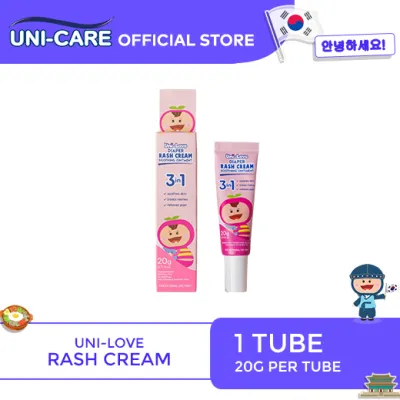
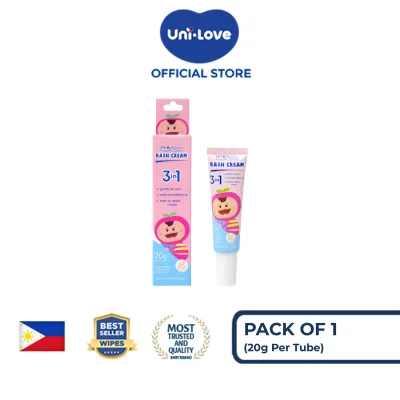


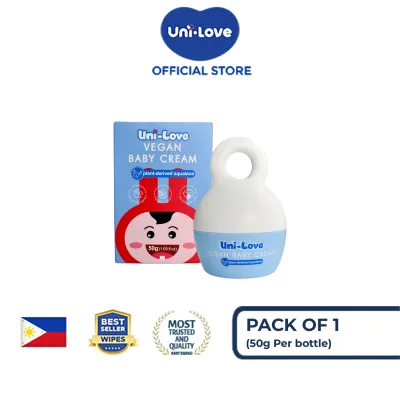

Prices are valid at publication and may change. Please refer to the product page for the latest price.
Next, turn the packaging over to examine the full ingredient list on the back. Look closely for specific preservatives, such as parabens or methylisothiazolinone, and drying alcohols like isopropyl alcohol, which can strip the skin of its natural oils. Because product formulations can change over time, you must verify the current ingredients on the physical bottle or tube you purchase, rather than relying solely on older online descriptions or general brand advertisements.
Finally, verify if the specific product is explicitly formulated, tested, and labeled for infant or newborn use rather than general family use. Newborn skin has a different pH and a much thinner epidermal layer than older children or adults. Ensuring the manufacturer has designated the cream specifically for babies helps confirm that the formulation avoids harsh active ingredients that are unsuitable for developing skin barriers.
Performing a Patch Test Before Full Application
Before applying any new cream to your baby’s entire body, performing a localized patch test is a highly effective way to rule out immediate sensitivities. This simple precautionary step allows you to observe how your baby’s skin reacts to the formulation on a very small scale, minimizing the risk of a widespread adverse reaction. It is a practical habit that should be practiced with every new topical product you introduce.

To conduct the test, select a small, discreet area of thin skin that your baby cannot easily reach or rub. Excellent choices include the inner forearm, the inside of the elbow, or the area just behind the ear. Ensure the skin in this test area is clean, dry, and free from any pre-existing rashes or irritation before you begin.
Apply a tiny, pea-sized amount of the cream to the selected spot and leave it undisturbed without washing for 24 to 48 hours. During this observation window, monitor the site closely for any localized changes, such as redness, swelling, warmth to the touch, or tiny bumps. If any of these signs of irritation appear, wash the area immediately with cool water and do not proceed with full-body application. If the skin remains completely clear and calm after 48 hours, you can gradually introduce the cream to larger areas of the body.
Signs of Skin Irritation and When to Stop Using the Cream
Recognizing the early signs of skin irritation allows you to intervene quickly and protect your baby’s skin barrier from further damage. It is important to differentiate between mild, temporary dryness caused by environmental factors and progressive irritation or allergic contact dermatitis triggered by a topical product. Environmental dryness often improves with basic hydration, whereas product-induced irritation typically worsens with repeated applications.
Immediate stop-use red flags include the sudden appearance of weeping sores, blistering, severe localized redness, hives, or rough, scaly patches that spread. You should also pay close attention to your baby’s behavior. If your baby shows signs of physical distress, such as constant scratching, fussiness during or immediately after application, or rubbing their body against clothing or bedding to relieve itching, discontinue use of the cream immediately.
If you observe any of these severe reactions, wash the cream off gently with lukewarm water and keep the skin clean and dry. Do not attempt to treat the rash with over-the-counter adult creams, hydrocortisone, or unverified home remedies, as these can worsen the irritation or be absorbed too rapidly through the baby’s thin skin. Consult a pediatrician or a pediatric dermatologist to obtain a proper diagnosis and a safe, targeted treatment plan.
General Skincare Practices for Newborns and Sensitive Skin
Supporting your baby’s skin barrier involves more than just choosing the right cream; it requires a holistic approach to daily skincare. In warm, humid climates, maintaining a gentle cleansing routine is essential to prevent sweat and dirt from building up in skin folds. Use lukewarm water and mild, soap-free, baby-specific cleansers that clean the skin without stripping away its natural, protective oils.
To maximize the benefits of any baby moisturizer, apply it immediately after bathing while the skin is still slightly damp. This technique helps lock in hydration and supports the skin’s natural moisture barrier. Keep bath times short—typically between 5 and 10 minutes—to prevent the water itself from drying out your baby’s delicate skin.
Additionally, pay close attention to the clothing your baby wears. Dress your infant in breathable, loose-fitting garments made from natural fibers like cotton, which minimize friction and allow air to circulate. Synthetic fabrics can trap heat and sweat against the skin, increasing the risk of heat rash and exacerbating existing sensitivities. Whether a product costs ₱150 or ₱1,500, the price tag does not guarantee compatibility, so combining careful product selection with supportive daily habits is the best approach to keeping your baby’s skin healthy.
Frequently Asked Questions (FAQ)
Can I use Unilove cream on a newborn's face?
A newborn’s facial skin is exceptionally thin, delicate, and highly permeable compared to the skin on the rest of their body, making it more susceptible to irritation and clogged pores. Before applying any cream to your baby’s face, carefully read the manufacturer’s packaging for specific facial application instructions, age limits, or warnings. If the label indicates the product is safe for facial use, apply a very small amount and strictly avoid the immediate eye area, eyelids, and the area directly around the mouth to prevent accidental ingestion or eye irritation.
What should I do if my baby develops a rash after using the cream?
If your baby develops a rash after application, immediately discontinue use of the cream and gently wash the affected area with lukewarm water to remove any remaining product residue. Avoid applying other active treatments, harsh soaps, or unverified home remedies to the irritated skin without professional guidance. Take clear, well-lit photos of the rash to document its appearance and progression, and consult a pediatrician or pediatric dermatologist for an accurate diagnosis and a safe, professional treatment plan.
Community discussion
Share your experience or ask a question. Comments are reviewed before publication.