
Choosing a baby carrier in a tropical climate requires balancing ergonomic support with heat management. The Ergobaby Omni Breeze is frequently highlighted for its specialized mesh design, which aims to address the discomfort of carrying a baby in warm weather. For parents in the Philippines, where high temperatures and intense humidity are daily realities, determining whether this premium carrier delivers on its breathability claims is essential before making a significant financial investment. While mesh fabrics generally facilitate better ventilation than heavy canvas or solid cotton, the extreme humidity of a tropical environment introduces unique physical limitations to how any fabric manages sweat and heat.
How the SoftFlex Mesh Performs in High Heat and Humidity
To evaluate how the carrier performs in tropical conditions, it helps to understand the mechanics of mesh fabrics. Standard baby carriers often utilize thick, tightly woven cotton or canvas panels that act as solid barriers, trapping body heat between you and your baby. The Ergobaby Omni Breeze features SoftFlex mesh, a structured fabric designed with open pores to allow air to pass through more freely. This open-weave design helps dissipate the heat generated by close physical contact, which is particularly beneficial when walking outdoors or navigating non-air-conditioned spaces.
However, high ambient humidity significantly alters how fabrics interact with moisture. In a humid climate like that of the Philippines, the air is already heavily saturated with water vapor, which slows down the rate of evaporation. Even the most breathable mesh cannot completely prevent sweating because sweat cannot evaporate quickly into saturated air. Instead of expecting a completely sweat-free experience, you should view the mesh as a tool that prevents heat from becoming dangerously trapped, rather than a system that actively cools you down.
Products mentioned in this guide
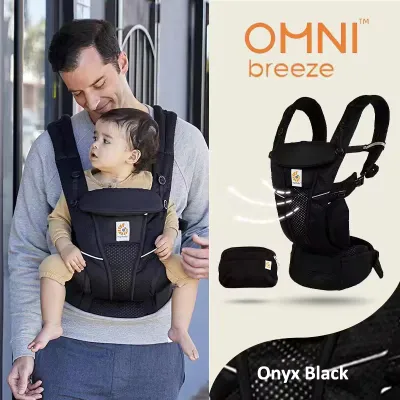
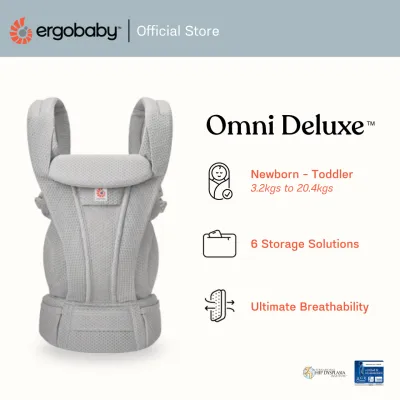
![[Ready stock] Ergo baby Carrier Ergonomics Kangaroo Infant Omni Breeze All-In-One Breathable Air Mesh 0-48 Months 3-20kg](https://img.lazcdn.com/g/p/d6948befeffb2fca708dbf5ed12936a6.jpg_400x400q80.jpg_.webp)
Prices are valid at publication and may change. Please refer to the product page for the latest price.
Before purchasing, you should verify the exact material composition and specific breathability claims by reviewing the official product label or documentation. Manufacturers often detail the specific layers of mesh used in different zones of the carrier. Checking these specifications helps you understand which parts of the carrier offer maximum airflow and which areas rely on more structured, less breathable materials for support.
Design Details to Check Before Buying for Tropical Use
While the main panel of the carrier utilizes breathable mesh, other structural components can significantly impact your comfort in hot weather. The shoulder straps and waistband of ergonomic carriers require thick padding to distribute your baby’s weight evenly across your body. In many premium carriers, this padding consists of dense foam that can act as an insulator, trapping sweat against your shoulders and lower back. When inspecting the carrier, feel the thickness of these padded areas and check if they feature ventilation cutouts or mesh overlays designed to mitigate heat retention.

The inner lining of the carrier is another critical area to examine, as it directly contacts your baby’s delicate skin. In tropical heat, friction combined with sweat can quickly lead to skin irritation or heat rashes. Look closely at the fabric lining the leg openings and the upper chest panel where your baby’s face might rest. This material should feel soft to the touch and possess moisture-wicking properties to help draw sweat away from your baby’s skin, reducing the risk of chafing during extended carrying sessions.
Additionally, consider the utility and design of the integrated UPF sun hood. While a sun hood is invaluable for protecting your baby from intense tropical sunlight, deploying it can restrict airflow around your baby’s head and trap warm air inside the carrier cabin. Evaluate how easily the hood can be stowed away when not in use, and check if the hood material itself is lightweight and breathable. Balancing sun protection with adequate ventilation is a constant adjustment you will need to make when using the carrier outdoors.
Adjusting Fit and Clothing to Prevent Overheating
Achieving the correct fit is essential not only for ergonomic safety but also for managing temperature. When securing your baby in the carrier, you must maintain a snug fit that supports their spine and hips in the recommended M-position while still allowing for subtle air gaps. Overtightening the carrier can press your baby’s body too tightly against yours, eliminating any space for air to circulate and causing rapid heat transfer between both bodies. Adjust the side straps so that your baby is secure and close enough to kiss, but ensure there is enough breathing room around their face and neck to prevent stagnant air pockets.
The clothing choices for both you and your baby play a decisive role in how comfortable you will feel in the heat. Avoid dressing your baby in multiple layers or heavy cotton onesies when planning to use the carrier. Instead, opt for single-layer garments made from lightweight, breathable natural fibers like bamboo or loose-weave cotton, or specialized moisture-wicking athletic fabrics. For yourself, wearing a lightweight shirt that covers your chest and shoulders can act as a comfortable barrier, absorbing sweat and preventing direct, sticky skin-to-skin contact with your baby.
Even with optimal adjustments and clothing, you must remain vigilant for signs of infant overheating, as babies cannot regulate their body temperature as effectively as adults. Regularly check your baby for observable indicators such as flushed cheeks, rapid or shallow breathing, a hot chest or back, damp hair, or unusual lethargy. If you observe any of these signs, you must immediately stop using the carrier, move to a cooler or air-conditioned environment, and allow your baby’s temperature to stabilize. Never prioritize completing a walk or errand over your baby’s immediate thermal comfort and safety.
Cleaning and Drying After Heavy Sweat Exposure
Using a baby carrier regularly in a hot and humid climate means it will inevitably accumulate sweat, body oils, and occasional spit-up. Over time, these organic residues can degrade the fabric fibers, weaken the seams, and lead to persistent odors or mold growth. To maintain the structural integrity and hygiene of your carrier, you must establish a regular cleaning routine. Always consult the manufacturer’s official care label attached to the carrier for specific washing instructions, including recommended water temperatures, cycle settings, and approved detergents.
Drying the carrier thoroughly is the most critical step in a humid environment, where moisture tends to linger in thick padded sections. After washing, avoid exposing the carrier to direct, intense sunlight for extended periods, as prolonged UV exposure can fade the fabric and weaken synthetic buckles. Instead, hang the carrier to air-dry in a well-ventilated indoor area or a shaded outdoor spot with active breeze. Ensure the dense foam padding in the waistband and shoulder straps is completely dry to the touch before storing the carrier, as storing even slightly damp gear in a humid climate can quickly invite mold and mildew.
Regular maintenance should also include a quick inspection of the carrier’s safety components before each use. Sweat contains salts and acids that, over time, can affect synthetic materials and stitching. Take a moment to examine the seams for any loose threads, check the mesh panels for snags or tears, and test the plastic buckles to ensure they snap securely into place. If you notice any structural damage or compromised stitching, discontinue use and contact the manufacturer or an authorized service representative.
Weighing the Premium Price Against Climate Benefits
The Ergobaby Omni Breeze sits at a premium price point, often representing a significant investment of ₱10,000 or more in the local market. When deciding whether this expense is justified, you should construct a personal decision matrix based on your lifestyle and daily routines. If your daily activities involve frequent outdoor walks, navigating crowded local markets, or using public transportation where air conditioning is limited, the incremental comfort provided by a highly breathable mesh carrier can be well worth the cost. The reduction in heat buildup can make the difference between a fussy, overheated baby and a calm, comfortable one.
Conversely, if your routine primarily consists of moving between air-conditioned spaces, such as malls, offices, and climate-controlled vehicles, the extreme breathability of a specialized mesh carrier may be less critical. In these environments, a standard cotton or canvas carrier may perform adequately without the premium price tag. Consider how many hours a day you expect to wear the carrier and whether those hours will be spent in direct tropical heat or controlled indoor climates.
Before finalizing your purchase, verify the specific warranty terms, return policies, and authenticity guarantees with authorized local retailers. Because premium baby gear is a target for counterfeit products, purchasing from official channels ensures you receive a genuine carrier that has undergone rigorous safety testing. Confirming that the retailer offers a clear return or exchange policy also provides peace of mind in case the carrier’s fit or material does not meet your expectations upon physical inspection.
Frequently Asked Questions (FAQ)
Can I use the mesh carrier outdoors during the rainy season?
The mesh fabric on the carrier is engineered specifically to maximize airflow and breathability, which means it is highly porous and not water-resistant. During sudden tropical downpours or persistent monsoon rains, the mesh will quickly absorb water, making the carrier heavy, damp, and uncomfortable for both you and your baby. If you must travel outdoors in wet weather, check the manufacturer’s guidelines regarding water exposure and consider using an officially supported, breathable rain cover designed to protect the carrier without blocking essential ventilation.
Does the mesh material cause friction on sweaty skin?
While the mesh is designed to be soft, any textured fabric can cause mild friction or chafing when rubbed repeatedly against damp, sweaty skin. This is particularly true around the sensitive areas of your baby’s thighs or your own neck and shoulders during long walks. To minimize this risk, inspect the edge binding and seam finishes of the carrier before use to ensure they are smooth. Wearing a lightweight, moisture-wicking shirt that covers your shoulders and ensuring your baby wears clothing that covers their thighs can effectively prevent direct friction and keep both of you comfortable.

Community discussion
Share your experience or ask a question. Comments are reviewed before publication.