
Transitioning your baby from a bottle or breast to a cup is a major developmental milestone, and finding the right tool is essential for a smooth journey. If you are exploring budget-friendly options in the Philippines, you have likely encountered the dr isla sippy cup. While it offers affordable choices, its effectiveness depends on matching the specific design to your child’s physical development. Choosing the right cup is not just about preventing spills; it is about supporting your baby’s transition to independent drinking while ensuring their safety and comfort.
What Makes a Good Weaning Cup? Core Standards for Babies
The primary goal of weaning is to help babies transition from the primitive sucking reflex to mature swallowing patterns. When a baby drinks from a bottle or breast, they use a forward-and-backward tongue movement known as tongue thrust. In contrast, drinking from a cup requires the tongue to elevate and retract, which is a crucial step for oral motor development, speech progression, and the ability to chew solid foods. A well-designed weaning cup does not simply hold liquid; it actively encourages the baby to use their lips, tongue, and jaw muscles in new ways, preparing them for a lifetime of healthy eating habits.
In addition to physical development, a weaning cup must meet strict safety and ergonomic standards. For small hands still refining their fine motor skills, handles that are easy to grip and lightweight materials are essential. A weighted base or an angled design can also prevent tipping, which is a frequent occurrence during early learning stages. The materials must be completely non-toxic and durable enough to withstand being dropped repeatedly onto hard kitchen tiles or concrete floors. Furthermore, the cup should be designed to prevent sudden flows of liquid that could cause choking, especially when the baby is still learning to coordinate their breathing and swallowing.
Products mentioned in this guide
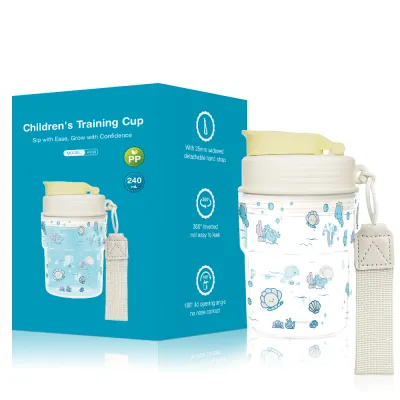
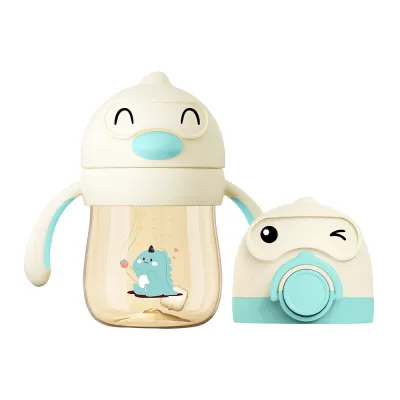
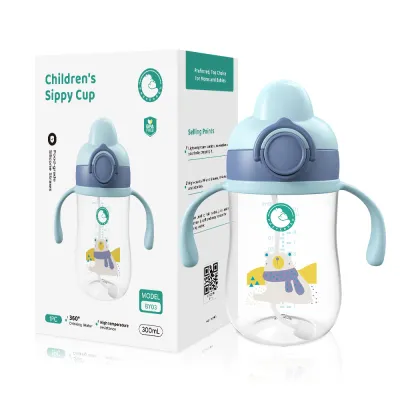
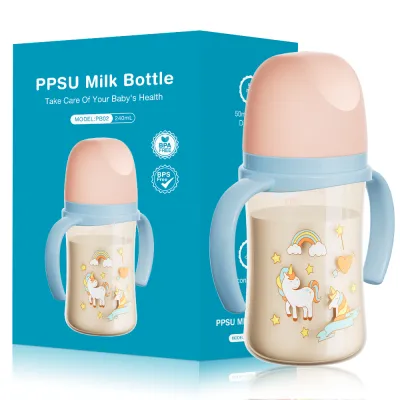
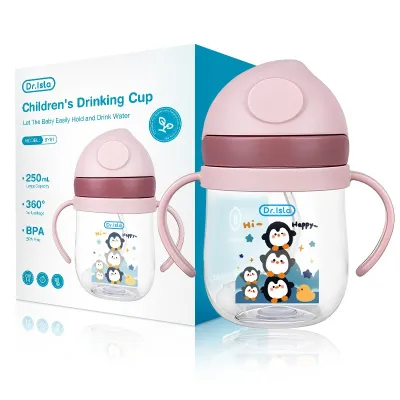
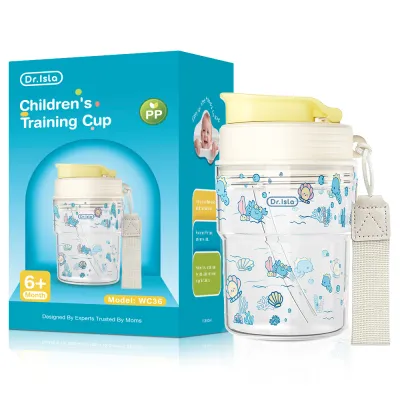
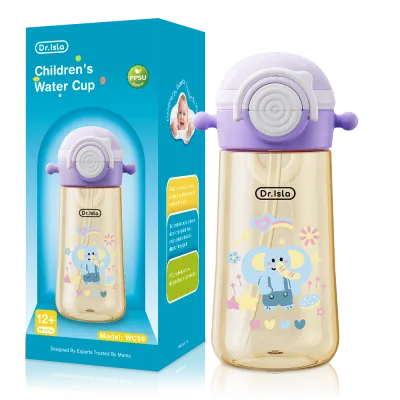
Prices are valid at publication and may change. Please refer to the product page for the latest price.
Pediatric guidelines often recommend transitioning away from traditional hard spouts as early as possible. Hard spouts can keep the tongue positioned forward, mimicking the bottle-feeding motion and potentially affecting the natural alignment of developing teeth and the palate. Instead, modern pediatric advice favors straw cups or 360-degree rim cups, which encourage active lip sealing and tongue retraction, supporting healthier oral development. By choosing a cup that aligns with these recommendations, parents can help prevent long-term dental issues and support natural speech development.
Material Safety and Durability: What to Verify on the Dr. Isla Label
When evaluating the dr isla sippy cup, parents must prioritize material safety by carefully reading the product packaging or official online store listings. Look for explicit declarations stating that the cup is free from Bisphenol A (BPA) and Bisphenol S (BPS). These harmful chemicals can mimic hormones and pose health risks to developing infants, making chemical-free certifications non-negotiable for any baby feeding product. Additionally, verify that the materials used are certified food-grade, ensuring that no harmful substances leach into your baby’s milk or water.

Sterilization is another critical factor, especially in the warm, humid climate of the Philippines, where bacteria can multiply rapidly. Parents must verify the specific heat resistance limits of each component of the cup—including the plastic body, the silicone spout or straw, and any internal valves. Some materials can safely withstand boiling water or steam sterilization, while others may warp, melt, or release microplastics if exposed to temperatures beyond their rated limit. If you use a UV sterilizer, check if the manufacturer warns against UV exposure, as certain plastics can degrade, discolor, and become brittle under ultraviolet light over time.
Physical durability is equally important for long-term safety. A weaning cup will inevitably be dropped, thrown, and chewed on by a teething baby. Inspect the cup regularly for deep scratches, cracks, or bite marks on the silicone spout. Over time, deep scratches in plastic can harbor milk proteins and bacteria that are incredibly difficult to clean out, even with thorough washing. Choosing a highly durable material, such as PPSU (polyphenylsulfone) or heavy-duty polypropylene, helps ensure the cup remains hygienic and safe throughout your baby’s weaning phase.
Spout, Straw, or Open Cup: Matching the Design to Your Baby’s Development
Babies progress through several drinking milestones during their first year. Around six months of age, most infants begin to sit up unassisted, hold objects, and swallow semi-solid foods, which signals their readiness to start practicing with a cup. Initially, they may still rely on a sucking motion, but as their oral motor skills mature, they learn to wrap their lips around a rim or straw and actively swallow without spilling. Matching the cup’s mechanism to these developmental stages ensures a frustration-free transition.
The dr isla sippy cup is available in several variations, including soft spouts, hard spouts, straw cups, and 360-degree valve designs. Parents must identify which specific model they are considering and match it to their baby’s current developmental stage. A soft silicone spout is often a gentle transition for younger babies who are used to the feel of a bottle nipple, whereas a weighted straw cup is excellent for older babies who have mastered the coordination needed to sip while holding the cup at various angles. The weighted straw allows the baby to drink even when the cup is tilted, preventing them from swallowing air.
While the age recommendations printed on the product packaging provide a helpful starting point, they should not be treated as absolute rules. Every baby develops at their own pace. If your child struggles to draw liquid from a straw or constantly chokes on a fast-flowing spout, it is a sign that their oral motor coordination is not yet ready for that specific design. Caregivers should supervise every drinking session and adjust the cup style based on the baby’s actual abilities rather than their age in months. If a particular design causes persistent frustration, it is best to set it aside and try again a few weeks later.
Daily Usability: Assessing Leak-Proof Claims and Cleaning Routines
A leak-proof design is one of the most sought-after features in a weaning cup, but it often comes with a trade-off in usability. Many anti-leak cups utilize a silicone valve that only opens when the baby applies active suction. While this prevents messy spills on your floors and furniture, it can sometimes make drinking incredibly difficult for a young baby. Parents should check if the cup features an effective air vent to balance the internal pressure, allowing liquid to flow smoothly without requiring excessive effort from the child. A valve that is too stiff can frustrate a learning baby and discourage them from drinking altogether.
In the tropical humidity of the Philippines, cleaning and hygiene demand extra vigilance. High moisture levels mean that mold and mildew can develop within hours inside damp, enclosed spaces. A sippy cup with multiple small parts, intricate valves, or long straws can easily become a breeding ground for harmful pathogens if not cleaned properly. Parents must completely disassemble every single component—removing the silicone ring, the valve, and the straw—after every use. Leaving these parts assembled while wet will almost certainly lead to black mold buildup in the hidden crevices.
When purchasing a weaning cup, consider the practicalities of daily maintenance. Check if the manufacturer specifies whether the cup is dishwasher-safe, though hand-washing with specialized straw brushes and baby-safe dishwashing liquid is often the most reliable way to clear out milk residue. Additionally, verify if replacement parts, such as silicone straws or spare valves, are easily accessible on local e-commerce platforms. Being able to quickly buy a replacement set is much more cost-effective and convenient than replacing the entire cup when a part is lost, damaged, or worn out from constant use.
Final Verdict: Who Is the Dr. Isla Sippy Cup Best Suited For?
The dr isla sippy cup is an excellent, budget-friendly choice for parents in the Philippines who want an affordable, functional cup for the early stages of weaning. It is particularly well-suited for families looking for a lightweight, spill-proof option for outdoor trips, family gatherings, or travel, where keeping clean is a priority. The variety of spout and straw options allows parents to experiment and find what works best for their child without a significant financial commitment, making it a highly accessible entry point into independent drinking.
However, parents should be mindful of the potential limitations. The multi-part designs require meticulous, daily cleaning to prevent mold, which can be time-consuming for busy households. Furthermore, as your baby grows into an active toddler, the relatively small liquid capacity of early-stage weaning cups may require frequent refills, making a larger, open cup or a simple straw bottle a more practical long-term choice. If you do not have the time to thoroughly clean and dry multiple tiny components every day, a simpler cup design might be more suitable.
Before making your purchase, use this quick checklist to ensure the cup meets your needs:
- Verify the age grading: Ensure the specific model matches your baby's current developmental stage.
- Check replacement part availability: Confirm that spare straws and valves are easily purchasable on local online marketplaces.
- Confirm material safety labels: Look for clear BPA-free and heat-resistance declarations on the packaging.
- Read real-world reviews: Check recent feedback on reputable e-commerce platforms to see how the cup holds up against leaks and drops in everyday use.
Frequently Asked Questions (FAQ)
When is the right time to transition from a bottle to a sippy cup?
Most pediatricians and dental health professionals recommend introducing a weaning cup around 6 months of age, alongside solid foods, and fully transitioning away from the bottle by 12 months. However, the exact timing depends on your baby’s individual developmental readiness, such as their ability to sit upright unassisted and hold objects. Always consult your pediatrician for personalized guidance.
How do I properly sterilize a sippy cup with a valve?
You must always check the manufacturer’s care instructions on the packaging before sterilizing. While some silicone valves and plastic components can handle steam or boiling water, others may warp or degrade. If the manufacturer permits, boil the disassembled parts for a maximum of three to five minutes, or use a dedicated steam or UV sterilizer, ensuring all parts are completely dry before reassembly to prevent mold.
What should I do if the sippy cup starts leaking?
If you notice leaks, first check that all silicone valves, seals, and straws are properly aligned and firmly pushed into place during assembly. Inspect the silicone parts for wear and tear, such as micro-tears from teething or warping from high-heat sterilization. If any component is damaged or worn out, replace it immediately with an official replacement part to restore the cup’s leak-proof seal.
Community discussion
Share your experience or ask a question. Comments are reviewed before publication.