
Starting your baby on solid foods is an exciting milestone, but walking down the baby care aisle can feel overwhelming. To begin weaning, you do not need every gadget on the shelf. For day one, you only need a simple, high-quality core trio: soft weaning spoons, suction bowls, and mess-reducing bibs.
Advanced items like electric baby food makers, travel snack pots, and multi-piece plate sets are optional upgrades that you can purchase later as your baby’s eating habits and your family’s lifestyle evolve. By taking a phased approach to building your weaning stash, you can save money, reduce kitchen clutter, and focus on helping your baby explore new tastes safely.
Core Criteria for Choosing Weaning Gear
Before buying any weaning gear, evaluate your specific feeding environment. Consider your high chair and dining table setup. Suction bowls require a smooth, non-porous surface to stick properly; if you have a textured wooden table or a matte-finish high chair tray, some suction bases may not hold securely.
Products mentioned in this guide
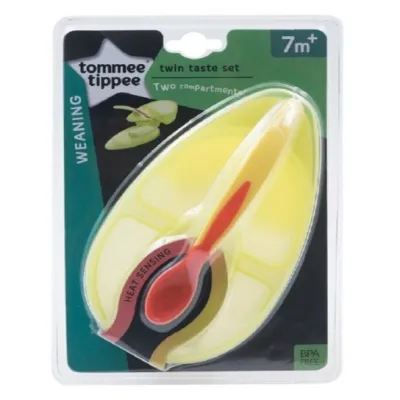
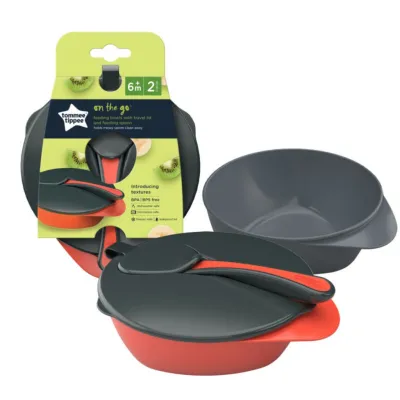
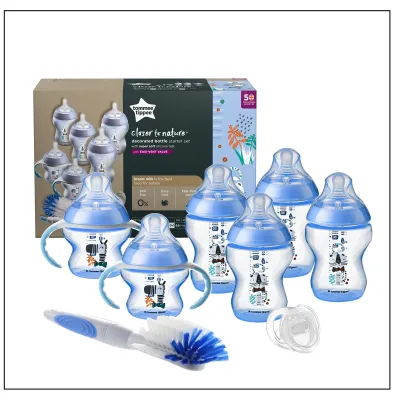
Prices are valid at publication and may change. Please refer to the product page for the latest price.
Next, look at your daily meal preparation routine. If you prefer making fresh, single-portion meals using tools you already own, manual mashing tools are highly practical. If you plan to batch-cook and freeze purees, an electric steam-and-blend appliance might save you time.
Your primary feeding location also matters. Families who mostly feed their babies at home can prioritize basic bowls and spoons, while those who travel frequently or visit relatives will benefit from portable, leak-proof containers.
Finally, always check the manufacturer’s age and developmental guidelines on the packaging. Babies develop at different rates, and matching the product to your child’s current physical abilities is essential for safety. Do not rely solely on general age recommendations; look for specific developmental indicators on the product labels.
The Essentials: Must-Have Tommee Tippee Items for Day One
To make the transition to solid foods as smooth as possible, focus on a few foundational items designed for safety, comfort, and easy cleanup.

Suction Bowls and Plates
Suction bowls are designed to keep meals on the tray and off the floor. The suction mechanism works by creating a vacuum between the silicone or plastic base and the feeding surface. However, this suction is not universal. It performs best on completely flat, clean, and glossy surfaces. If your high chair tray has a textured surface or deep scratches, the vacuum seal will break easily, allowing an active baby to lift the bowl.
Before heating food directly in these bowls, always inspect the underside for microwave-safe symbols. Some suction bases are removable, and the manufacturer may require you to remove the silicone suction pad before microwaving to prevent damage or uneven heating. Always stir heated food thoroughly to eliminate hot spots before serving.
As your baby grows, you will transition from deep bowls to shallow plates. Deep bowls are ideal for containing runny purees and supporting parent-led spoon-feeding. Shallow plates are better suited for baby-led weaning, as they allow your child to see, grasp, and pick up finger foods easily.
Soft Weaning Spoons
A baby’s first spoon must be incredibly gentle. Look for spoons with soft, flexible, and BPA-free tips that protect sensitive, teething gums from accidental bumps. During the first few weeks of weaning, your baby’s oral motor skills are still developing, and a hard plastic or metal spoon can cause discomfort.
The handle design should match your feeding method. Long-handled spoons are ideal for parent-led feeding because they allow you to reach the bottom of deep baby food jars and feed your baby comfortably from a distance. In contrast, short, chunky handles are designed for baby-led self-feeding, making it easier for tiny hands to grip and guide the spoon to their mouth.
Because babies often bite down on their utensils, regularly inspect the spoons for wear, deep bite marks, or peeling material. If you notice any structural degradation, discard the spoon immediately to prevent choking hazards.
Catch-All and Sleeved Bibs
Introducing solids is a messy process, making a reliable bib an absolute necessity. Standard wipe-clean bibs made of lightweight silicone or plastic feature a deep catch pocket at the bottom. This pocket stays open to collect falling crumbs, purees, and liquids, protecting your baby’s clothes and your floor.
For high-mess meals or babies who love to explore food with their entire hands, full-coverage long-sleeved bibs offer superior protection by covering the arms and torso completely. These are especially useful when introducing self-feeding with colorful foods that can easily stain fabrics.
When choosing a bib, evaluate the neck fastenings. Velcro closures are highly adjustable and quick to put on, but they can scratch sensitive skin if misaligned and tend to collect lint in the laundry. Snap buttons or adjustable silicone pegs are more secure and durable, preventing older babies from pulling the bib off mid-meal.
In humid tropical climates, moisture can easily trap in the seams and catch pockets of bibs, leading to mold or unpleasant odors. Always wash bibs immediately after use, turn the catch pockets inside out, and hang them in a well-ventilated area to dry completely.
The Optional Upgrades: When to Add More to Your Stash
Once you have mastered the basics, you can consider secondary products that solve specific later-stage feeding challenges or lifestyle needs.
Baby Food Makers and Steamers
All-in-one baby food makers steam and blend ingredients in a single container, offering convenience for busy households. If you plan to batch-cook large quantities of purees to freeze for the week, these appliances can streamline your workflow. You can easily steam local vegetables like kalabasa or kamote and blend them to the perfect consistency.
However, they require a higher upfront investment and take up valuable kitchen counter space. If you prefer baby-led weaning or plan to feed your baby modified versions of your family’s daily meals, standard kitchen equipment like a stovetop steamer basket and a fork or regular blender will work perfectly fine.
If you choose to invest in an electric food maker, regular maintenance is crucial. You must descale the water tank periodically to prevent mineral buildup, especially if you use tap water, and regularly verify that the blending blades remain sharp and securely attached according to the user manual.
Snack Pots and Travel Containers
Portable feeding gear becomes relevant once your baby is eating solid foods confidently and your family begins taking longer trips outside the home. Spill-proof snack pots with flexible silicone flaps allow babies to reach inside and practice their pincer grasp to retrieve small finger foods, like soft fruit pieces, without spilling the contents if the pot is dropped.
Insulated food jars are excellent for keeping homemade meals at safe temperatures while traveling. However, you must verify the actual heat-retention duration stated on the product label; never assume a container will keep food safe indefinitely. Always pack a clean spoon and avoid feeding your baby directly from the container if you plan to save leftovers, as saliva can introduce bacteria.
These travel items are secondary purchases. During the first few weeks of weaning, your baby will likely eat very small amounts once or twice a day at home, meaning you can safely delay buying portable containers until your outdoor routine demands them.
How to Build a Phased Weaning Shopping List
Building your weaning setup in stages prevents unnecessary spending and keeps your kitchen organized. You do not need to buy a complete catalog of products before your baby’s first bite.
- Phase 1 (First Tastes): Focus strictly on the essentials for the first month. You only need two to three soft weaning spoons, one or two basic suction bowls, and two wipe-clean bibs with catch pockets. This minimal setup is more than enough for introducing simple purees or mashed vegetables.
- Phase 2 (Exploring Textures): Around the eighth to ninth month, as your baby starts handling lumpier foods and attempts self-feeding, expand your collection. Add a shallow suction plate, a long-sleeved bib for messier self-feeding sessions, and manual mashing tools to quickly prepare family foods at the table.
- Phase 3 (Mobility and Independence): By the time your baby is a toddler, introduce travel snack pots, insulated food flasks, and advanced self-feeding utensils with shorter, ergonomic handles.
To get the best value, check official brand stores and authorized online marketplaces for bundled weaning sets. These packages often combine spoons, bowls, and bibs at a lower price point than purchasing each item individually, helping you manage your budget in ₱ effectively.
Safety, Care, and Verification Before Use
Before using any new feeding product, wash it thoroughly with mild baby bottle cleanser and warm water. If recommended by the manufacturer, sterilize the items using a steam sterilizer or boiling water, paying close attention to the maximum temperature limits specified in the user manual.
Always verify the specific safety symbols embossed on each individual plastic or silicone item. Do not assume that because one bowl in a set is dishwasher-safe or freezer-safe, all other components share the same properties. Some lids or suction bases may require hand-washing only.
Establish a weekly routine to inspect all silicone and plastic items. Look closely for deep scratches, tears, or bite marks. Damaged plastic can harbor harmful bacteria even after thorough washing, and torn silicone pieces can detach, posing a serious choking hazard.
If a product’s suction base fails repeatedly despite being placed on a clean, flat surface, or if you notice any warping, discoloration, or compromised structural integrity, retire the item immediately to ensure your baby’s safety.
Frequently Asked Questions (FAQ)
Can I put Tommee Tippee suction bowls in the microwave?
You must check the specific microwave-safe symbol on the base of your exact bowl model before heating. Some models feature removable suction bases that must be detached before microwaving. Always stir heated food thoroughly to eliminate hot spots, and test the temperature on the inside of your wrist before feeding your baby.
When should I transition from a weaning bowl to a plate?
Transition your baby to a plate when they show readiness for finger foods and self-feeding, rather than relying on a strict age milestone. Shallow plates make it easier for babies to pick up food using their fingers or utensils. Deep bowls remain highly useful for liquid-heavy meals like soups, stews, or cereals.
How do I clean the catch pocket on a weaning bib?
To clean the catch pocket thoroughly, turn it inside out and wash it with warm, soapy water, paying close attention to the seams where food residue can hide. Hang the bib in a well-ventilated area to air-dry completely, which prevents mold growth in humid climates. Check the manufacturer’s label to see if the bib is dishwasher-safe.
Community discussion
Share your experience or ask a question. Comments are reviewed before publication.