
Choosing a baby walker—locally known as a baby andador—requires a strict focus on built-in safety mechanisms rather than colorful toy trays or electronic music boxes. The most essential safety features include a wide and weighted base to prevent tipping, automatic stair-fall prevention pads, secure wheel locks, and multiple height adjustments that keep your baby’s feet in a healthy, flat position. While these mechanical features significantly reduce the risk of accidents, they are designed to assist, not replace, active adult supervision.
Because an andador gives a pre-walking infant sudden, rapid mobility, parents must understand how to evaluate these safety features before making a purchase. Evaluating physical stability, frame construction, and safety certifications ensures the device supports your baby’s play sessions without exposing them to structural hazards.
Understanding the Safety Risks of Baby Walkers
Before introducing an andador into your home, it is vital to recognize the physical risks associated with these devices. Babies typically use walkers between the ages of 4 and 16 months, a developmental stage where they possess high curiosity but zero hazard awareness. During this phase, their cognitive ability to perceive danger lags far behind their physical desire to explore.
Products mentioned in this guide
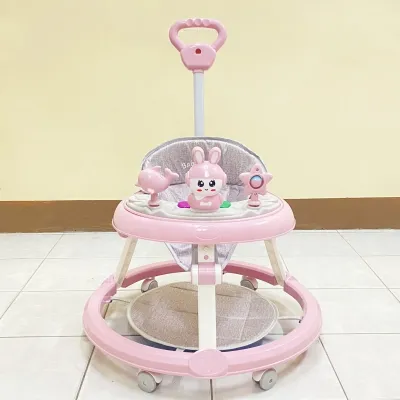
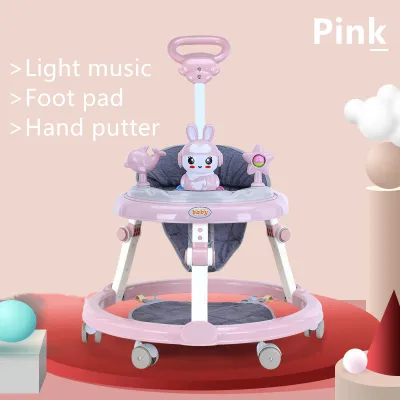
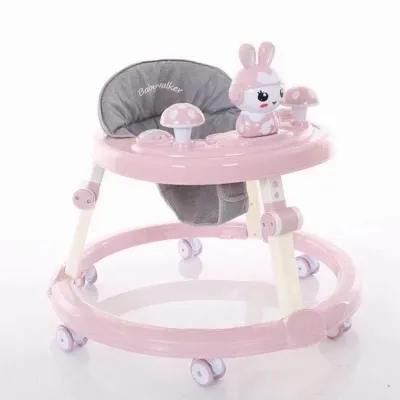


Prices are valid at publication and may change. Please refer to the product page for the latest price.
When placed in a wheeled walker, an infant can move at surprisingly high speeds, sometimes reaching up to one meter per second. This rapid mobility dramatically reduces a caregiver’s reaction time. The primary physical hazards include tipping over when transitioning between different floor surfaces, falling down steps or thresholds, and reaching dangerous objects that would otherwise be out of their grasp.
With the elevated height provided by the walker, a baby can easily reach hot beverages, electrical cords, household chemicals, or heavy objects resting on table edges. It is a common misconception that walkers help babies learn to walk faster; in reality, they are recreational devices. No mechanical safety feature can ever replace the watchful eye of a parent or caregiver, as accidents can occur in a fraction of a second.
Must-Have Safety Features in a Baby Walker
When shopping for a baby andador on local e-commerce platforms or in physical department stores, you must inspect the structural design of the product. Do not rely solely on appealing aesthetics or low price points. A high-quality walker must meet rigorous physical standards to withstand daily use on various household surfaces.

Wide, Weighted Bases to Prevent Tipping
The overall geometry of the walker’s base is your first line of defense against tipping. A safe baby andador must feature a bottom frame that is significantly wider than the top toy tray and seat area. This wide stance creates a low center of gravity, making it physically difficult for the baby to overturn the device even when they lean heavily over the side.
- Base Dimensions: Look for a base that extends several inches beyond the perimeter of the upper frame in all directions. This ensures that if the baby bumps into a wall or furniture, the base makes contact first, keeping the baby's upper body at a safe distance from the impact point.
- Weighted Construction: A well-designed walker incorporates a heavier bottom frame relative to the upper components. This weight distribution keeps the wheels firmly grounded on the floor during sudden changes in direction or active leg movements.
- The Stability Test: Before placing your baby in the walker, perform a manual stability check. Place the empty walker on a flat surface and apply gentle downward and lateral pressure to the outer edges of the tray. If the walker tips easily or lifts its opposite wheels with minimal force, the base is too narrow or lightweight to be safe.
Stair-Fall Prevention and Brake Locks
Falls down stairs or elevated thresholds represent some of the most severe injuries associated with baby walkers. Modern safety designs incorporate specific mechanical components to halt the walker’s momentum before a fall occurs.
- Friction Strips and Grip Pads: High-quality walkers feature rubberized friction strips or gripping pads on the underside of the base. If a wheel slips off an edge or a step, these pads immediately contact the floor surface, creating intense friction that stops the walker's forward motion.
- Brake Locks and Wheel Stoppers: Ensure the walker is equipped with reliable brake locks on the wheels. These stoppers allow you to park the walker securely when you want your baby to play in a stationary position. The locks should be robust enough that the baby's leg power cannot force the wheels to slide.
- Secondary Safety Systems: Always treat friction pads and wheel locks as secondary backup systems. They are designed to mitigate errors, but they do not replace physical barriers like secure stair gates or direct, continuous adult supervision.
Adjustable Height and Secure Seat Design
A baby’s physical development can be compromised if they use a walker that does not fit their current height or support their weight properly. The seat and frame must adjust to match your baby’s growing body.
- Height Adjustability: Look for a walker with at least three adjustable height settings. When your baby is in the seat, their feet must be able to rest flat on the floor. If only their tiptoes touch the ground, it can cause tight calf muscles and contribute to toe-walking habits. Conversely, if their knees are excessively bent, the walker is set too low, which strains their developing joints.
- Seat Support and Crotch Straps: The seat fabric must be thick, durable, and suspended securely from the frame. It should feature a wide, padded crotch strap that prevents the baby from sliding downward or slumping to one side. Check that the attachment points where the seat clips into the frame are made of heavy-duty plastic or metal, rather than flimsy snaps.
- Tropical Hygiene and Maintenance: In hot and humid tropical climates, babies sweat frequently, which can lead to moisture buildup and mold growth in the seat fabric. Ensure the seat cover is easily removable and machine washable. Regular cleaning prevents skin irritation and maintains a hygienic environment for your child.
Creating a Safe Environment for Walker Use
Even the most advanced safety features cannot protect a baby if the surrounding environment is full of hazards. Before placing your baby in an andador, you must thoroughly baby-proof the entire area where the walker will be used.
- Eliminate Reachable Hazards: Walk around the room at your baby's eye level when they are in the walker. Remove hot liquids, dangling tablecloths, electrical cords, breakable ornaments, and toxic household plants. Ensure that kitchen entryways are completely blocked off, as the kitchen contains high-risk hazards like hot ovens and heavy cookware.
- Surface Requirements: Limit walker use to flat, smooth, and even surfaces. Smooth ceramic tiles or polished concrete floors, which are common in many homes, allow the walker to glide very quickly. Always close doors to bathrooms, laundry areas, and outdoor patios where there may be sudden step-downs, wet floors, or drainage holes.
- Utilize Physical Barriers: Use sturdy safety gates or portable playpens to confine the walker to a designated, fully baby-proofed zone. Ensure these gates are securely anchored to walls or door frames so they cannot be knocked over by the impact of a moving walker.
- Avoid Thick Rugs and Carpets: Do not use the walker on thick-pile rugs, uneven floor mats, or thresholds. The small wheels of an andador can easily catch on the edges of a rug, causing the walker to stop abruptly while the baby's momentum carries them forward, resulting in a tip-over.
Signs It Is Time to Stop Using the Walker
An andador is a temporary developmental toy, and there comes a clear point when it is no longer safe for your baby to use. Monitoring physical milestones and the condition of the walker is essential for preventing late-stage injuries.
- Physical Milestones: Stop using the walker immediately once your baby can stand up or walk independently, or when they learn to pull themselves up to a standing position using the walker's frame. At this stage, their center of gravity shifts, and they can easily climb out of the seat, risking a fall from a height.
- Manufacturer Limits: Always consult the product documentation for the manufacturer's specific weight and height limits. Most standard walkers are rated for babies up to 11 to 12 kilograms. Exceeding these limits compromises the structural integrity of the frame and plastic joints, which can lead to sudden collapse.
- Behavioral Red Flags: If your baby begins to use the walker aggressively—such as intentionally ramming into walls, furniture, or glass doors—it is time to transition them to stationary play alternatives. This behavior indicates they have outgrown the physical boundaries of the device.
- Wear and Tear Inspection: Regularly inspect the walker for signs of damage. Check for cracked plastic, loose screws, torn seat seams, or stiff wheels that do not rotate smoothly. If any safety feature or structural component is compromised, stop using the walker immediately and do not attempt temporary DIY repairs.
Frequently Asked Questions (FAQ)
Are baby walkers with wheels banned in some countries?
Yes, some countries have implemented strict bans on the sale, import, and advertisement of traditional wheeled baby walkers due to high rates of infant injuries. For instance, Canada banned them in 2004 to protect infants from serious head injuries caused by falls down stairs. If you live in a region with restrictions, or if you prefer a zero-mobility option, stationary activity centers or playmats are highly recommended as safer alternatives.
Do baby walkers delay walking development?
Excessive use of wheeled walkers can delay natural walking development because they alter how a baby uses their leg muscles. In a walker, babies tend to push forward using their toes rather than practicing balance, trunk control, and heel-to-toe walking. To support healthy motor skills, limit walker sessions to short intervals of 15 to 20 minutes per day, and prioritize supervised floor play, crawling, and tummy time.
Community discussion
Share your experience or ask a question. Comments are reviewed before publication.