
Creating a safe, organized nursery requires careful consideration of every piece of furniture, especially storage units that your child will interact with daily. While toy chests are excellent for keeping play areas tidy, they can present serious physical and chemical hazards to infants and toddlers if they lack specific safety features. A child’s natural curiosity drives them to climb, pull, and explore, turning a poorly designed chest into a potential hazard for pinched fingers, entrapment, or tipping.
To ensure your nursery remains a secure environment, you must evaluate toy chests through a strict safety lens. This involves looking beyond aesthetics to verify mechanical safety, material composition, and structural stability. In tropical climates like the Philippines, where high humidity can affect wood expansion and hardware integrity, these considerations become even more critical. Caregivers must always prioritize active supervision and verify that any storage solution aligns with the child’s developmental stage and the manufacturer’s weight limits.
Critical Lid and Hinge Mechanisms to Protect Your Baby
The lid of a toy chest is one of its most active components and, consequently, one of the most common sources of nursery injuries. Heavy lids can fall suddenly, trapping a child’s head or crushing delicate fingers. To mitigate this risk, look for toy chests equipped with soft-close or slow-close safety hinges. These specialized hinges are designed to resist gravity, slowing the descent of the lid so that it glides down gently even if a child releases it abruptly.
Products mentioned in this guide
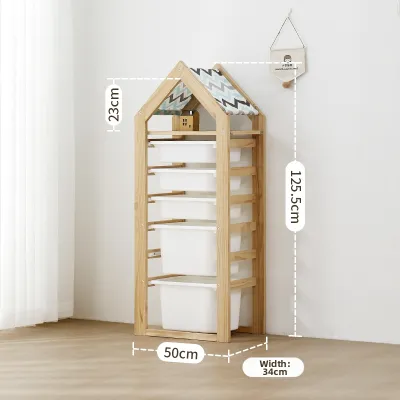
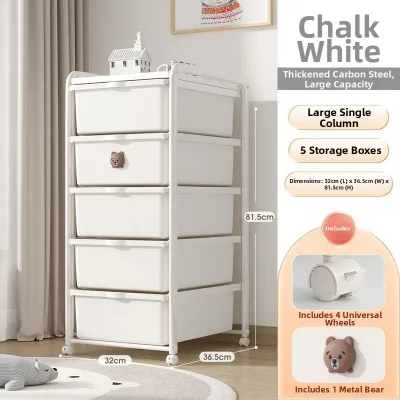
Prices are valid at publication and may change. Please refer to the product page for the latest price.
When evaluating these mechanisms, verify that the lid supports or lid stays are rated to hold the lid open securely at any angle. A high-quality lid stay prevents the lid from dropping unexpectedly when bumped or nudged by a crawling baby. If the lid only stays open when pushed back past a ninety-degree angle, a slight vibration or a child pulling on the chest could cause it to slam shut. Testing this resistance manually before placing the chest in the nursery is an essential step in verifying its safety.
For toy chests that do not feature hinges, a completely removable, lightweight lid is a viable alternative. If you choose this style, ensure the lid is light enough that it will not cause injury if it falls directly on a child. Furthermore, the lid must not lock or seal tightly when placed on the chest, ensuring that a child cannot become trapped inside. Caregivers should check the manufacturer’s documentation to confirm the recommended age range and weight limits for the specific model to ensure it matches their child’s developmental stage.
Ventilation and Entrapment Prevention Inside the Chest
Toddlers love to explore enclosed spaces, often viewing a large toy chest as a perfect hiding spot during play. This behavior introduces a severe risk of suffocation if a child climbs inside and the lid closes behind them. To prevent this danger, a safe nursery toy chest must feature built-in ventilation holes or a continuous air gap. These openings ensure a constant flow of oxygen even if the chest is fully closed with a child inside.

When shopping for toy chests, check the manufacturer’s labels and product specifications to verify compliance with current safety standards for ventilation. Avoid chests that seal airtight or feature latching mechanisms that can lock from the inside. The chest should be designed so that a child can easily push the lid open from the inside, or it should feature large cutouts that double as handles, providing both airflow and an easy way for little hands to lift the lid.
In addition to airflow, the interior of the chest must be thoroughly inspected for physical hazards. Run your hand along all interior surfaces to check for smooth finishes, ensuring there are no sharp edges, exposed screws, splinters, or rough wood grain. In humid environments, rough interior surfaces can also trap moisture and dust, creating a breeding ground for mold. Ensuring the interior is as finely finished as the exterior protects your child’s skin and clothing from snags and scratches.
Verifying Non-Toxic Materials and Safe Finishes
Infants and teething toddlers frequently explore their world by chewing on furniture edges. Because of this, the chemical composition of the paints, stains, and base materials used in your toy chest is just as important as its mechanical safety. Caregivers must verify manufacturer certifications or product labels to ensure that all finishes are lead-free, phthalate-free, and non-toxic.
The base material of the chest also plays a significant role in indoor air quality. Solid wood or high-quality engineered wood with fully sealed edges is ideal for minimizing the risk of off-gassing volatile organic compounds (VOCs). In the Philippines, the combination of high temperatures and humidity can accelerate the off-gassing process of cheap adhesives and finishes. Choosing materials with verified low-emission standards helps maintain a healthier breathing environment in your baby’s nursery.
Once the toy chest is in use, maintaining the integrity of its safe finish requires proper care. Review the manufacturer’s cleaning instructions to ensure your routine does not degrade the protective non-toxic sealants. Avoid using harsh chemical cleaners, bleach, or abrasive scrubs that can strip the finish or leave harmful residues behind. Instead, use a damp cloth with mild, baby-safe soap to clean the surfaces, and dry them thoroughly to prevent moisture damage.
Ensuring Stability and Preventing Tipping Hazards
As babies grow into toddlers, they begin to pull themselves up on furniture to stand, and eventually, they may attempt to climb the outside of a toy chest to reach toys inside. This climbing behavior shifts the center of gravity, making physical stability a paramount safety concern. A safe toy chest must feature a wide, stable base footprint and a low profile to prevent it from tipping forward under a child’s weight.
To eliminate the risk of tip-over accidents, caregivers should check if the toy chest includes anti-tip hardware or wall-anchoring kits. If the manufacturer does not provide these, purchasing a compatible, high-quality furniture strap or wall anchor is highly recommended. Spending a few hundred ₱ on a certified wall-anchoring kit is a simple, effective way to secure the chest firmly to the wall studs, preventing it from tipping even if a child climbs on it.
Strategic placement within the nursery further reduces secondary hazards. Position the toy chest away from windows, blind cords, electrical outlets, and other furniture that a child could climb onto from the chest. Ensure the area around the chest is clear of clutter so that if a child does lose their balance while reaching for a toy, they do not fall onto other hard or sharp objects.
Ongoing Maintenance and When to Stop Using the Toy Chest
Safety is not a one-time check at the time of purchase; it requires ongoing vigilance as your child grows and the furniture experiences daily wear and tear. Establish a regular schedule to visually inspect the toy chest for signs of damage. Look closely for loose hinges, backing screws that may have worked their way out, splintering wood, or peeling paint that could become a choking hazard.
Pay close attention to the mechanical performance of the lid and hinges. Warning signs such as squeaking hinges, sticking lids, or a wobbly base indicate that the hardware is under stress or wearing out. In humid tropical climates, metal hinges can slowly rust or lose their lubrication, while wood can swell and put extra pressure on the joints. If a lid stay begins to slip or fails to hold the lid open securely at any angle, discontinue use of the chest immediately until the hardware can be adjusted or replaced.
If you detect structural damage or mechanical failure, do not rely on temporary DIY fixes like tape or standard household glue, which can easily fail under the weight of a heavy lid. Instead, consult the manufacturer for approved replacement parts or contact a qualified professional to perform structural repairs. If the safety features cannot be restored to their original specifications, stop using the toy chest in the nursery to protect your child from preventable injuries.
Frequently Asked Questions (FAQ)
Are vintage or second-hand toy chests safe for a modern nursery?
Vintage or second-hand toy chests often pose significant safety risks because they were manufactured before modern safety standards were established. Older chests frequently lack essential features like slow-close safety hinges, ventilation holes, and may be finished with legacy paints containing lead. Before bringing a second-hand chest into your nursery, inspect it thoroughly for structural wear, loose joints, and verify the original manufacturer details to check for past safety recalls. If you cannot verify that the finishes are non-toxic or if the lid slams shut, it is safest to avoid using it.
Can a regular storage bench be used as a toy chest in a nursery?
A regular storage bench designed for adult spaces is generally not suitable for a nursery without modifications. These benches typically lack the child-safe hardware, ventilation gaps, and soft-close hinges required to prevent finger pinching and entrapment. Using a standard bench in a nursery may void its warranty if you attempt to modify it, and it may not meet the rigorous stability standards required for children’s furniture. It is always best to choose a purpose-built toy chest that is certified for nursery use and explicitly designed with a child’s safety in mind.
Community discussion
Share your experience or ask a question. Comments are reviewed before publication.