
When selecting a chair for a toddler girl, the most critical safety features to evaluate are a wide, low-slung base with splayed legs, rounded edges with no finger-pinch gaps, non-toxic and moisture-resistant finishes, and robust, concealed hardware. While aesthetic choices like pastel colors, whimsical shapes, or matching nursery themes are appealing, structural integrity and physical safety must always dictate your final decision. Toddlers are in a highly active developmental phase where they constantly test boundaries, making a stable and secure seating option essential for preventing accidents.
Choosing the right furniture involves understanding how a child interacts with their environment. A toddler does not simply sit still; they climb, lean, twist, and reach. By prioritizing specific design elements and material standards, you can create a safe space that supports your child’s independence while minimizing the risk of falls, pinches, and exposure to harmful chemicals.
Understanding Toddler Mobility and Chair Stability Risks
Toddlers possess a physical build that makes them inherently prone to balance challenges. During this stage of development, a child’s center of gravity is relatively high because their head and torso represent a larger percentage of their total body weight compared to older children. This top-heavy distribution means that even minor shifts in position can quickly destabilize their balance, especially when sitting on an elevated surface.
Products mentioned in this guide
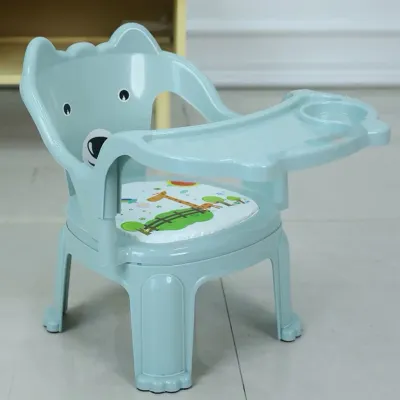

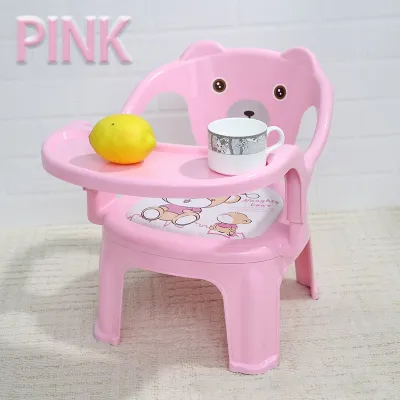
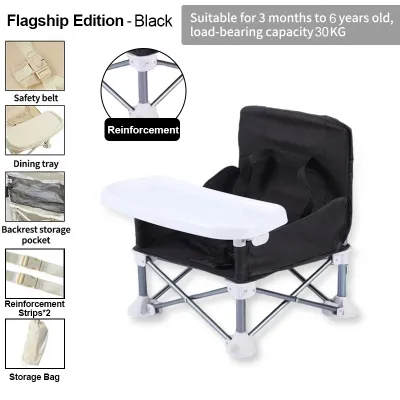
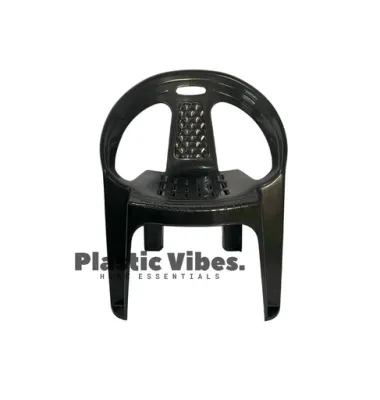
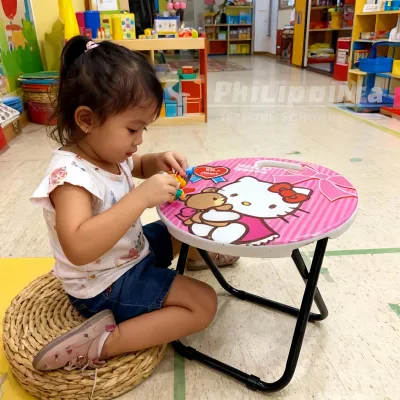
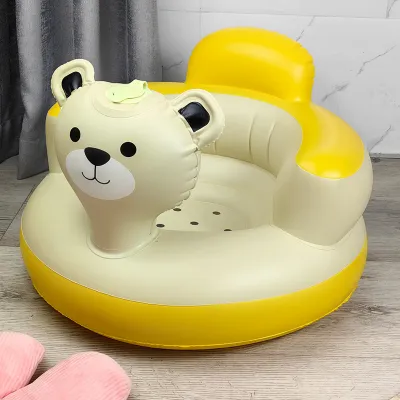
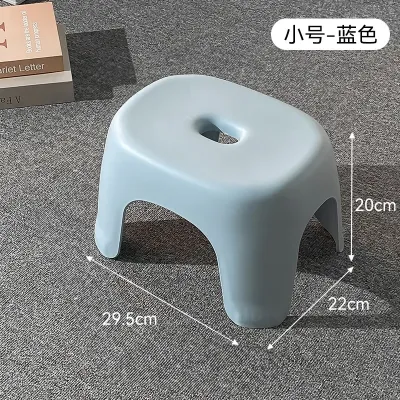
Prices are valid at publication and may change. Please refer to the product page for the latest price.
Active sitting behaviors further compound these stability risks. Toddlers frequently squirm, rock back and forth, lean over the armrests to reach for toys on the floor, or attempt to turn completely around to look behind them. These dynamic movements shift the child’s weight rapidly across the seat, testing the limits of the chair’s balance and increasing the likelihood of a sudden tip-over.
Climbing and leaning are natural behaviors for an inquisitive toddler. A toddler girl may see her chair not just as a place to sit, but as a convenient step stool to reach items on a nearby table, shelf, or counter. When she steps onto the edge of the seat or climbs the armrests, her entire weight concentrates on a single point outside the chair’s footprint. If the chair lacks the structural design to counteract this leverage, it will tip forward or sideways, potentially trapping or injuring the child.
To mitigate these hazards, parents must evaluate the relationship between the child’s weight distribution and the chair’s physical footprint. A safe toddler chair must have a base that is significantly wider than the seat itself. This design ensures that even when the child leans or shifts weight to the absolute edge, the center of gravity remains securely within the boundaries of the chair’s foundation.
Structural Design and Physical Safety Checks
Evaluating the physical structure of a toddler chair requires a hands-on inspection of its footprint and leg design. Look for chairs that feature splayed legs, which angle outward from the seat rather than dropping straight down. This flared configuration extends the base of support in all directions, creating a highly stable foundation that resists tipping even when subjected to lateral force or sudden movements.

Edge rounding is another critical safety check that prevents painful cuts and bruises. Run your hands along every surface of the chair, including the underside, backrest, and legs. All edges and corners should be smoothly rounded or beveled rather than sharp or squared off. Active toddlers frequently bump into furniture during play, and rounded edges significantly reduce the impact force and potential for injury.
Inspect the chair thoroughly for any gaps, joints, or openings that could trap small fingers, toes, or limbs. Safety standards generally warn against gaps between 5 millimeters and 12 millimeters, as these are the prime dimensions for finger entrapment. Ensure that the spaces between the seat and backrest, or between the armrests and the frame, are either completely sealed or wide enough to prevent any binding or pinching during daily use.
Joint stability and hardware concealment are vital for long-term structural integrity. Examine how the chair is assembled; high-quality wooden chairs should utilize sturdy mortise-and-tenon joints or heavy-duty recessed screws rather than simple nails or glue. Avoid chairs with protruding screws, sharp metal brackets, or exposed folding mechanisms that could pinch skin or catch on clothing. In humid tropical environments, ensure that all metal fasteners are treated with rust-resistant coatings to prevent moisture from weakening the connections over time.
Material Safety, Finishes, and Hygiene Standards
Material selection directly impacts both the safety and longevity of a toddler’s chair. Inspect the furniture for any signs of physical degradation, such as peeling paint, varnish bubbles, or splintering wood. Low-quality plastics can become brittle and crack under pressure, creating sharp edges and small pieces that pose immediate choking hazards. Solid hardwoods and high-density plastics are generally the most durable options for active daily use.
Because toddlers frequently place their hands and mouths on their furniture, verifying the safety of surface finishes is paramount. Parents should look for manufacturer declarations confirming that all paints, stains, and protective coatings are non-toxic, lead-free, and BPA-free. Avoid products that emit strong chemical odors, which can indicate the presence of volatile organic compounds (VOCs) that compromise indoor air quality.
Managing frequent spills and maintaining hygiene is a constant task when caring for a toddler. In warm, humid climates, sweat, spilled milk, and food crumbs can quickly turn porous materials into breeding grounds for mold, mildew, and bacteria. Untreated wood or complex fabric upholstery can trap moisture and allergens, making them difficult to sanitize effectively and potentially triggering respiratory issues or skin irritation.
To ensure easy cleaning, opt for smooth, non-porous materials that can be wiped down quickly with mild soap and water. Sealed hardwoods, water-resistant finishes, and high-density polyethylene (HDPE) plastics are excellent choices for busy households. If the chair includes a cushion, verify that the cover is removable, machine-washable, and made from breathable, hypoallergenic fabric that does not trap heat or moisture.
Evaluating Manufacturer Labels and Age Appropriateness
Manufacturer labels and product documentation serve as essential guides for ensuring a chair matches your child’s developmental stage. However, parents must look beyond simple age recommendations, which are often based on broad averages. A child’s physical height, weight, and motor skills are the true indicators of whether a specific chair is safe for them to use.
Always verify the maximum weight capacity specified by the manufacturer and compare it to your child’s current weight. Prematurely placing a young toddler in a chair designed for older children can lead to falls, as they may lack the core strength to sit upright without sliding. Conversely, allowing a child to continue using a chair once they have exceeded the weight limit can cause sudden structural failure, especially at the joints and leg connections.
Look for recognized safety compliance marks on the product packaging, label, or official documentation. These marks indicate that the chair has undergone standardized testing for stability, load-bearing capacity, and chemical safety. If a product lacks clear safety labeling or manufacturer contact information, it is best to avoid it in favor of a brand that openly documents its compliance and testing procedures.
Before assembling or using the chair, read the user manual thoroughly to understand all assembly requirements and safety warnings. Incorrect assembly is a common cause of furniture instability. Ensure that all locking pins, bolts, and braces are installed exactly as directed, and keep the manual in a safe place so you can refer to the manufacturer’s maintenance guidelines as the chair ages.
Safe Placement and Daily Usage Boundaries
Even the most stable chair can become a hazard if placed in an unsafe location within the home. Position the toddler chair on a flat, level surface to ensure all legs make solid contact with the floor. Keep the chair at a safe distance from windows, where a child could use the elevated seat to reach the sill, and far away from window blind cords, which present a severe strangulation hazard.
Ensure the chair is placed away from electrical outlets, wall-mounted fans, power cords, and hot appliances. In open-plan living spaces, keep the chair clear of high-traffic walkways where family members might trip over it, and avoid placing it near heavy furniture that could tip over if bumped. When budgeting a few thousand pesos (₱) for nursery furniture, planning the layout of the room is just as important as selecting the item itself.
Establishing clear household rules regarding chair usage is essential for preventing accidents. Teach your toddler girl that the chair is strictly for sitting, not for standing, jumping, or dragging across the room to use as a climbing platform. Consistent caregiver supervision is necessary, especially during the first few weeks of introducing the new chair, to reinforce these boundaries and correct unsafe behaviors immediately.
Finally, establish clear criteria for when to stop using, repair, or replace the chair. Inspect the furniture regularly for signs of wear, such as loose joints, hairline cracks, or wobbling. If a chair shows signs of structural compromise that cannot be securely repaired with original manufacturer parts, discontinue use immediately. Additionally, once your child’s knees are bent at an uncomfortable, acute angle when sitting, or their thighs press tightly against the armrests, they have outgrown the chair and should transition to a larger size.
Frequently Asked Questions (FAQ)
Are chairs with footrests safer for toddlers?
Chairs with integrated footrests can improve a toddler’s sitting posture by supporting their feet, which prevents their legs from dangling. When a child’s feet are supported, their knees can bend at a comfortable 90-degree angle, reducing squirming and sliding that can destabilize the chair. However, the footrest must be fully integrated into the chair’s frame and must not protrude outward in a way that allows the child to use it as a step to climb onto the seat. If a footrest is poorly designed or too wide, it can act as a lever, causing the chair to tip forward when stepped on.
How often should I inspect the chair's hardware?
You should perform a quick visual inspection of the chair’s hardware weekly and a thorough physical check once a month. During the monthly check, use the appropriate tools to tighten any screws, bolts, or brackets that may have loosened from daily movement and vibration. Look for specific signs of wear, such as wobbling legs, hairline cracks in plastic components, splintering wood, or rust on metal fasteners. If you detect any loose fittings that cannot be securely tightened, or if you notice structural damage to the frame, discontinue use of the chair immediately until it can be repaired or replaced.
Community discussion
Share your experience or ask a question. Comments are reviewed before publication.