
A portable crib offers parents and caregivers an invaluable tool for travel, daytime naps, and flexible room arrangements. However, because these cribs are designed to fold, pack, and move, their structural safety requires closer attention than that of a permanent wooden crib. The primary safety priorities when choosing a portable crib are structural stability, a firm and well-fitting mattress, highly breathable mesh sides, and secure locking mechanisms. Accidental collapses, entrapment, and suffocation are serious risks that can be mitigated by thoroughly inspecting the crib’s design and components before purchase and before every single use. Caregivers must always verify the manufacturer’s specific age, weight, and developmental limits on the product label, and actively check that the unit meets recognized safety standards.
Structural Stability and Locking Mechanisms
The folding joints and hinges of a portable crib are its most critical mechanical components. When evaluating a model, look for robust locking pins and hinges that provide a clear physical or visual indication of being fully engaged. Many high-quality models feature joints that audibly click into place, giving you a clear sensory confirmation that the frame is secure. Before placing your baby inside, always apply gentle downward and inward pressure on the top rails and the center floor hub to verify that no joints wobble, slip, or partially collapse.
In tropical climates like the Philippines, high humidity can affect the wear and tear of plastic and metal joints over time. It is essential to inspect these joints regularly for signs of warping, stiffness, or rust. Always follow the manufacturer’s precise setup sequence detailed in the instruction manual. For most models, this requires locking the four top rails into their rigid positions before pushing down the center floor hub. Reversing this sequence or failing to engage the locks fully can compromise the structural integrity of the frame, leading to sudden collapse when weight is applied.
Products mentioned in this guide
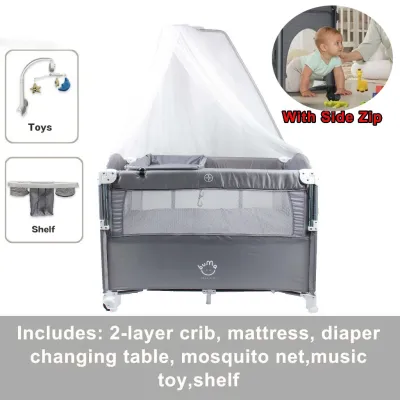
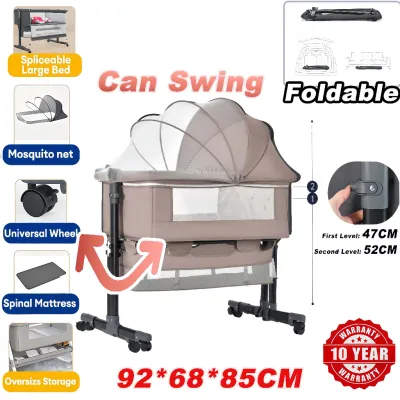
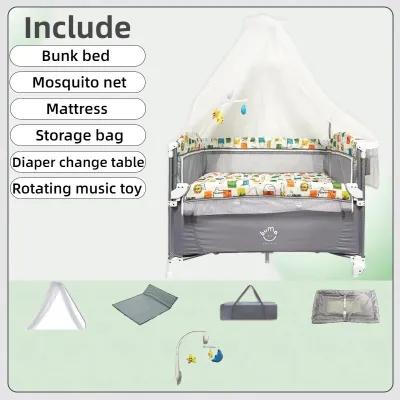


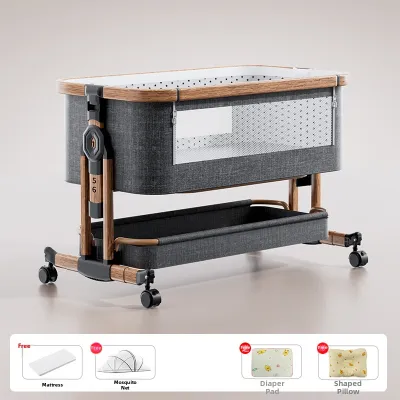
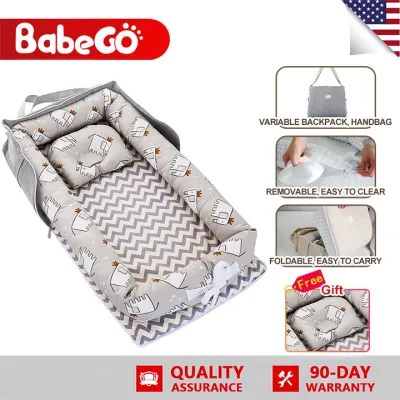
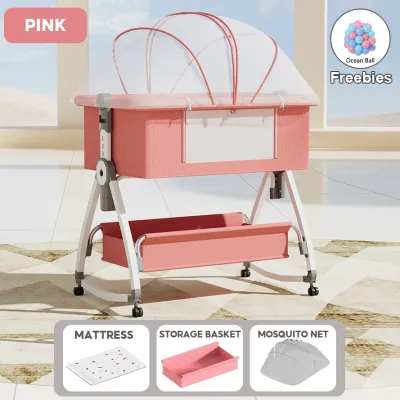
Prices are valid at publication and may change. Please refer to the product page for the latest price.
Mattress Fit, Firmness, and Breathability
A safe sleep surface is flat, firm, and free of gaps. When testing a portable crib mattress, apply the two-finger rule along the entire perimeter. If you can fit more than two fingers between the edge of the mattress and the fabric or mesh walls of the crib, the mattress does not fit correctly. This gap poses a severe entrapment hazard where a baby’s head or limbs could become wedged. Always use the original mattress supplied by the manufacturer, as aftermarket mattresses rarely match the exact dimensions and safety specifications of the specific crib frame.

The mattress must feel exceptionally firm to the touch. Avoid soft, plush, or memory foam mattresses, as these materials can easily conform to a baby’s face if they roll over, creating a suffocation risk. The sides of the portable crib should consist of breathable mesh fabric. Inspect the mesh to ensure the weave is tight and small enough that tiny fingers, toes, or clothing buttons cannot get caught. This tight weave also ensures optimal airflow, which is particularly important in warm, humid environments where heat retention can cause discomfort during sleep.
Weight, Age, and Developmental Limits
Every portable crib is engineered to support a specific range of child sizes and developmental stages. Caregivers must locate and strictly adhere to the maximum weight and height limits printed permanently on the product label or detailed in the user manual. Relying solely on a child’s age is insufficient, as physical growth rates vary widely. Regularly weigh and measure your baby to ensure they remain well within the safe operating limits specified by the manufacturer.
Equally important are developmental milestones. Once a baby begins to roll over, push up on their hands and knees, or pull themselves up to a standing position, the safety dynamics of the portable crib change. A child who can pull themselves up can easily tip the crib over or climb out, risking serious falls. If your child reaches any of these developmental milestones, or if they exceed the specified weight or height limits, you must stop using the portable crib immediately. Transitioning the child to a standard crib or a safer, low-profile sleep environment is necessary to prevent accidents.
Hazardous Materials and Chemical Safety
Because infants naturally explore their surroundings by touching and chewing on surfaces, the chemical composition of a portable crib’s materials is a major safety consideration. Caregivers should verify that all fabrics, plastics, and metal finishes are non-toxic and free from harmful levels of lead, phthalates, and heavy metals. Look for manufacturer certifications or product labels that explicitly state compliance with recognized consumer product safety standards.
When unboxing a new portable crib, inspect the fabric and plastic components for strong chemical odors, which often indicate off-gassing of volatile organic compounds. In warm, poorly ventilated rooms, these odors can become more concentrated. It is highly recommended to set up the crib in a well-ventilated area for several days to allow any chemical smells to dissipate completely before allowing your baby near it. Additionally, perform a physical inspection of the entire unit to ensure there are no small, detachable parts, sharp plastic edges, or loose threads that could pose choking, laceration, or entanglement hazards.
Safe Sleep Practices and Accessories to Avoid
Maintaining a safe sleep environment inside a portable crib requires a strict commitment to the “bare is best” rule. The sleep area must remain completely free of loose bedding, pillows, quilts, comforters, bumper pads, and stuffed animals. These items do not provide comfort to an infant; instead, they represent significant suffocation, strangulation, and entrapment hazards. The only item that belongs on the mattress is a tightly fitted sheet designed specifically for that exact mattress model, ensuring it cannot bunch up or slip off the corners.
Many portable cribs come packaged with convenient accessories, such as clip-on changing tables, storage organizers, or shallow bassinet inserts. While these add-ons are helpful, they must be used with extreme caution. Always verify the individual weight limits for each accessory, as they are often much lower than the limit for the main crib floor. Never leave a baby unattended in the crib while a changing table or bassinet insert is attached unless the manufacturer’s instructions explicitly state it is safe to do so. These attachments can alter the crib’s center of gravity, increasing the risk of tipping if a child moves actively.
Inspecting Secondhand or Hand-Me-Down Cribs
Acquiring a secondhand portable crib or accepting a hand-me-down from family or friends is a common way to save money, but it requires a rigorous safety inspection. Before accepting or using a pre-owned crib, thoroughly examine the entire frame for structural damage. Check for torn or sagging mesh, broken zippers, cracked plastic joints, and compromised locking mechanisms. Even minor wear, such as a slightly sticky hinge or a small tear in the fabric, can escalate into a major safety hazard under the weight of an active baby.
It is critical to verify that the specific model has not been subject to any safety recalls. You can do this by locating the model number and manufacture date on the frame’s permanent label and cross-referencing it with official consumer protection databases or the manufacturer’s website. Avoid using any portable crib that is more than ten years old, as safety standards and material durability degrade over time. Furthermore, never use a secondhand crib that lacks its original instruction manual, warning labels, or essential structural parts, as attempting to assemble or operate the unit without these guides increases the risk of incorrect setup.
Frequently Asked Questions (FAQ)
Can a portable crib be used for everyday sleep instead of a standard crib?
While some portable cribs are marketed as suitable for daily use, many are designed primarily for temporary travel or play. The mattresses in portable cribs are typically thinner and less supportive than standard crib mattresses to allow for easy folding and transport. Over time, continuous daily use can cause the mattress to sag or soften, which compromises the firm, flat surface necessary for safe sleep. Additionally, the folding joints and lightweight frames of portable models may wear out much faster under the strain of daily assembly and disassembly. Caregivers should consult the manufacturer’s specific product documentation to determine if the model is rated for everyday sleep, and regularly inspect the mattress and frame for signs of wear. If any softening or structural instability is detected, stop using the crib for primary sleep and transition to a standard crib.
What should I do if the portable crib's locking mechanism fails?
If you notice that any locking pin, hinge, or joint on your portable crib fails to engage, slips out of place, or feels loose, you must immediately remove your baby from the crib and stop using it. Do not attempt to repair the mechanism yourself using tape, glue, ropes, or non-original hardware, as these temporary fixes can easily fail under pressure. Contact the manufacturer directly to report the issue and inquire about authorized replacement parts or repair services. If the model is older or parts are unavailable, the safest course of action is to discard the unit and replace it with a certified, fully functional portable crib.
Are mesh sides safe for babies who are learning to stand?
Mesh sides are safe and highly recommended for portable cribs, provided the mesh is in excellent condition. When a baby begins learning to stand, they will often pull themselves up using the top rails and push their feet against the mesh sides. Regularly inspect the mesh panels to ensure they remain tightly tensioned and securely attached to the frame without any sagging, tearing, or fraying. The weave of the mesh must be small enough to prevent the baby’s toes or fingers from finding leverage, which prevents them from attempting to climb out and protects them from getting pinched or trapped. If you observe any tearing or detachment of the mesh from the frame, discontinue use immediately.
Community discussion
Share your experience or ask a question. Comments are reviewed before publication.