
When preparing a nursery, choosing a baby crib bed sheet is more than a matter of matching colors or nursery themes. The primary concern must always be your baby’s sleep safety, particularly during their first year of life. A safe crib sheet must fit the mattress perfectly to eliminate any risk of loose fabric, which can lead to accidental suffocation or entrapment.
To ensure a secure sleep environment, parents must verify several critical safety features before making a purchase. These include a tight, non-slip fit around the mattress, highly breathable fabrics that prevent overheating in warm climates, and robust construction free of loose threads or decorative hazards. Reading product labels carefully to verify material composition and safety certifications is an essential step in this selection process.
Fit and Sizing: Preventing Suffocation and Entrapment Risks
A loose sheet in a baby’s crib is a serious hazard. If a sheet slips off the corners or bunches up, it can easily cover a baby’s nose and mouth, creating a risk of suffocation. To prevent this, the sheet must remain completely flat and taut, even when your baby rolls, crawls, or wiggles during the night.
Products mentioned in this guide
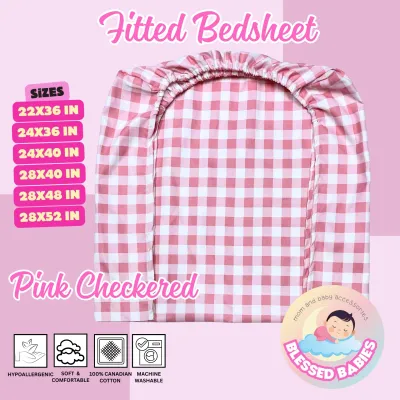
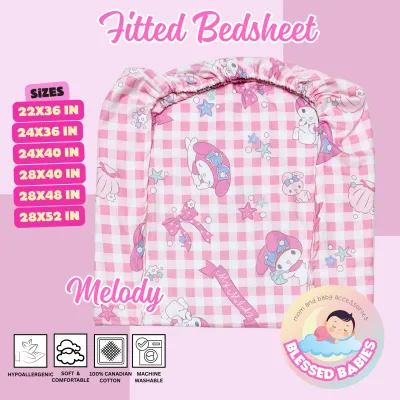
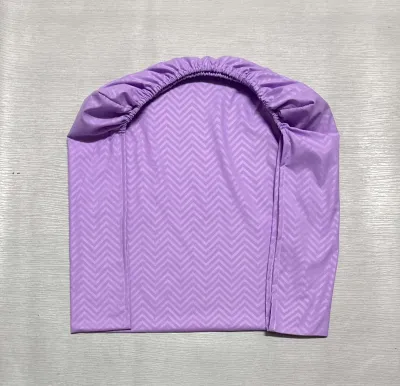
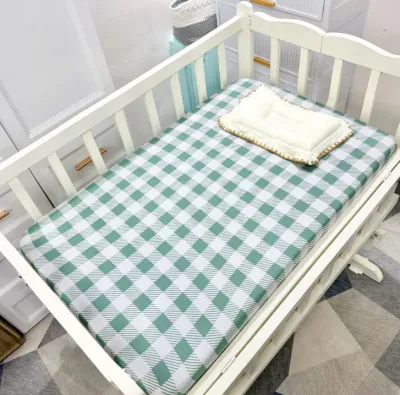
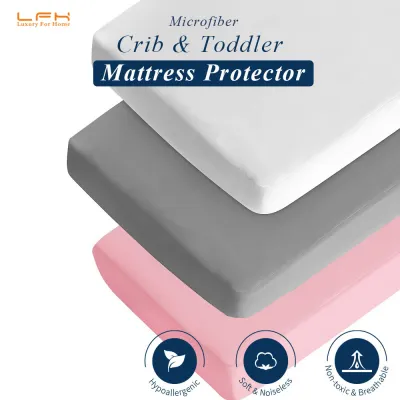
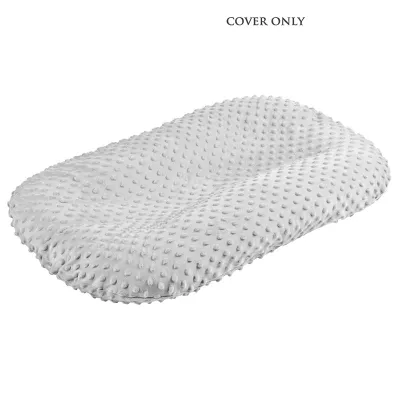
Prices are valid at publication and may change. Please refer to the product page for the latest price.
Before buying any baby crib bed sheet, you must measure your crib mattress dimensions precisely. Common crib mattresses in the Philippines typically measure 28 inches by 52 inches, but thicknesses can vary significantly from four to six inches. Compare these measurements against the sheet’s stated pocket depth to ensure the fabric can wrap fully underneath the mattress.
The design of the elastic band is a crucial factor in keeping the sheet anchored. Look for sheets that feature strong, high-quality elastic sewn around the entire perimeter of the sheet, rather than just on the corners. All-around elastic provides a continuous, uniform grip that pulls the fabric tightly under the mattress, minimizing the chance of the sheet slipping off.
Once you place the sheet on the mattress, always perform a physical snugness test. Try to slide your hand under the sheet or pull up on the center of the fabric. If the sheet lifts easily or leaves loose folds, it is too loose for safe sleep. The fabric should feel as tight as a drum skin across the top of the mattress.
Never substitute standard flat sheets, adult bedding, or oversized toddler sheets for a dedicated fitted crib sheet. Flat sheets can easily untuck and tangle around a sleeping infant. Only use sheets specifically manufactured and labeled for baby crib use, ensuring they match your exact mattress dimensions.
Fabric and Material Safety: Breathability and Chemical Exposure
In tropical climates like the Philippines, temperature regulation is a vital component of safe sleep. Babies cannot regulate their body temperature as efficiently as adults, making them highly susceptible to overheating. Overheating is a known risk factor for sleep-related infant deaths, which makes fabric breathability a top priority.

Natural fibers, such as lightweight cotton, are generally superior to synthetic blends when it comes to air circulation and moisture management. Cotton allows heat to escape and absorbs sweat, keeping your baby cool and dry during humid nights. Synthetic fabrics like polyester or microfiber tend to trap heat and moisture, which can lead to heat rashes and discomfort.
When evaluating fabrics, read the product labels carefully to check for chemical treatments. Some textiles are treated with flame retardants, formaldehyde-based wrinkle-resistant finishes, or harsh dyes that can off-gas or irritate a baby’s sensitive skin. Opt for sheets that are free from these unnecessary chemical additives to ensure a cleaner breathing zone.
To verify these claims, look for independent textile certifications on the product tag. Certifications such as OEKO-TEX Standard 100 or the Global Organic Textile Standard (GOTS) indicate that the fabric has been tested for harmful substances. While these labels provide peace of mind, always verify the certification details on the manufacturer’s official website to ensure they are current and valid.
Many brands market their products as “hypoallergenic” or “ultra-soft” to attract buyers. While softness is desirable for sensitive newborn skin, do not rely solely on marketing buzzwords. Focus instead on the actual material composition, weave type, and lack of chemical finishes, as these are the true indicators of a skin-friendly fabric.
Construction and Hardware: Avoiding Choking and Strangulation Hazards
A baby crib bed sheet must be durable enough to withstand frequent washing while remaining completely safe. Poorly constructed sheets can quickly become hazardous if threads unravel or seams split. Inspecting the physical build of the sheet before use is a simple yet effective way to protect your infant.
Examine the stitching along the seams and the elastic casing. The stitches should be tight, even, and reinforced at the corners where the tension is highest. Weak stitching can break during washing or while the baby is moving, exposing loose elastic bands or creating fabric pockets where tiny limbs could get caught.
Avoid any crib sheets that feature decorative add-ons. Buttons, bows, ribbons, tassels, or embroidered appliques may look appealing, but they pose severe choking and strangulation hazards. These decorative elements can easily detach under tension or after multiple wash cycles, finding their way into a baby’s mouth.
Loose threads are another hidden danger that parents must watch out for. Long, loose threads can wrap around a baby’s tiny fingers or toes, cutting off circulation in a condition known as a hair tourniquet. Before placing a new or freshly washed sheet in the crib, inspect both the top and underside for any stray threads and snip them off immediately.
Some specialized bedding components, such as mattress protectors or zippered sheet systems, may include zippers. If you use these products, ensure the zippers have secure locking mechanisms and are completely covered by fabric flaps. The zipper pull must always be kept out of the baby’s reach to prevent scratching or accidental ingestion.
Care, Maintenance, and When to Replace Crib Sheets
Proper care and maintenance are essential to preserve the safety features of your baby crib bed sheet over time. Regular washing is necessary for hygiene, but improper laundering can degrade the fabric and compromise the fit. Always follow the manufacturer’s specific washing instructions to maintain the sheet’s integrity.
Washing sheets in excessively hot water or drying them on high heat can cause significant shrinkage. If a fitted sheet shrinks too much, it may no longer fit over the mattress properly, or it may pull the corners of the mattress upward, creating dangerous gaps. Use gentle, baby-safe detergents and dry on low or medium heat to prevent fabric distortion.
Regularly inspect the elastic band for signs of wear and tear. Over time, exposure to heat and laundry detergents can cause elastic to lose its tension, snap, or roll inside the casing. If you notice the elastic has become loose, brittle, or stretched out, the sheet will no longer hold a tight grip on the mattress and must be retired.
Fabric degradation is another clear sign that a sheet needs to be replaced. Look out for severe pilling, thinning areas, or small tears, especially near the corners. Thin or torn fabric can easily rip further during sleep, creating loose pieces of cloth that pose a safety risk to your baby.
Make it a habit to perform a quick fit check after every single wash cycle. Before laying your baby down to sleep, ensure the sheet is pulled tight, the corners are securely tucked under, and there are no loose folds. If a sheet fails to pass this quick check, replace it immediately with a fresh, well-fitting backup.
Frequently Asked Questions (FAQ)
Are crib bumpers or loose blankets safe to use with fitted crib sheets?
According to standard pediatric safe sleep guidelines, the safest crib is a bare crib. This means you should never use crib bumpers, loose blankets, pillows, quilts, or stuffed animals inside the crib with your fitted sheet. These soft items pose significant risks of suffocation, entrapment, and sudden infant death syndrome (SIDS) as they can easily block a baby’s airway. If you are concerned about keeping your baby warm during cooler nights or in air-conditioned rooms, use a wearable blanket or sleep sack instead. These wearable alternatives keep your baby warm without adding loose fabric to the sleep environment.
How many fitted crib sheets should I keep on hand for a newborn?
For a newborn, it is highly practical to keep at least three to four fitted crib sheets on hand. This baseline quantity ensures you always have a clean sheet ready when unexpected incidents occur. Newborns frequently experience diaper leaks, spit-ups, and drool, which require immediate sheet changes, often in the middle of the night. Having multiple sheets allows you to rotate them through the laundry without feeling rushed. When purchasing multiple sheets, remember to prioritize the safety, fit, and fabric quality of each individual sheet rather than buying cheap multi-packs that may not fit your mattress securely.
Community discussion
Share your experience or ask a question. Comments are reviewed before publication.