
Setting up a nursery is an exciting milestone, but choosing a newborn bed set—often referred to as a newborn higaan set—requires prioritizing safety above aesthetics. The primary goal of a safe sleep environment is to minimize the risk of suffocation, entrapment, and Sudden Infant Death Syndrome (SIDS). To achieve this, the sleep surface must be firm, flat, and completely free of loose items. While retail packages often bundle decorative accessories, a safe setup actually requires very few components: a firm mattress, a waterproof barrier if integrated or safely fitted, and a tightly fitting sheet. Caregivers must learn to look past appealing patterns and focus on structural integrity, material safety, and strict adherence to pediatric safe sleep guidelines.
Evaluating the Mattress and Fitted Sheet for Safe Sleep
The foundation of safe sleep is the mattress. A newborn’s airway is highly vulnerable; a soft surface can conform to their face if they turn, blocking their breathing. To test firmness, press your hand firmly into the center and edges of the mattress. It should feel rigid and snap back immediately without leaving any indentation. If the surface molds to your hand or feels plush, it is too soft for a newborn.
Sizing and fit are equally critical. There must be no gaps between the mattress and the crib or bassinet walls. A classic way to verify this is the two-finger test: if you can fit more than two fingers between the edge of the mattress and the crib frame, the mattress is too small. Gaps create a severe entrapment hazard where a baby’s head or limbs can become wedged.
Products mentioned in this guide
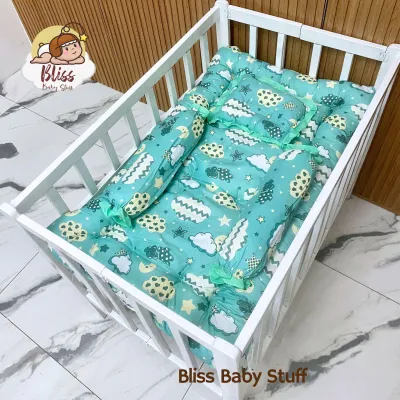
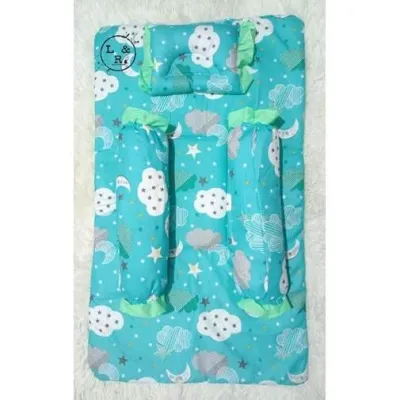
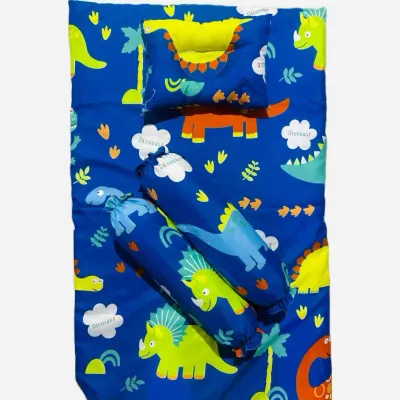
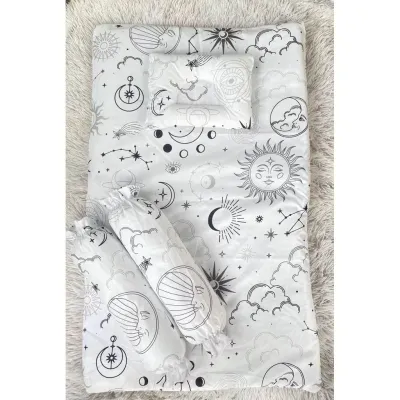
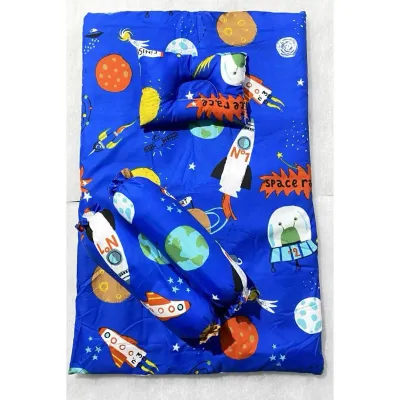
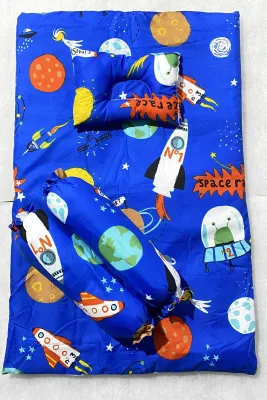
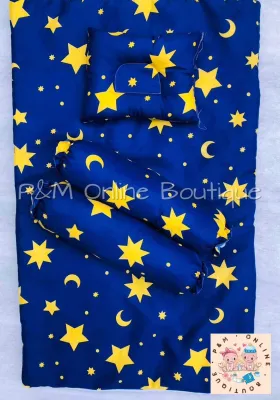
Prices are valid at publication and may change. Please refer to the product page for the latest price.
The fitted sheet must wrap securely around the mattress. Look for sheets with deep pockets and robust, all-around elastic bands rather than elastic only on the corners. When pulled, the sheet should remain flat and taut. Loose sheets can easily bunch up or slip off, creating a dangerous loose-fabric hazard in the sleep space.
In tropical climates like the Philippines, heat and humidity are constant considerations. High temperatures can cause discomfort and increase sleep risks. Choose mattress covers and sheets made from highly breathable, lightweight fabrics such as organic cotton or bamboo-derived rayon. These materials promote optimal airflow, helping to regulate your baby’s body temperature and prevent overheating during warm nights.
Bedding Items You Must Keep Out of the Crib
Many commercial newborn bed sets come bundled with pillows, thick quilts, bolsters, and decorative blankets. While these items look cozy, they pose severe safety hazards. Newborns do not have the motor skills or head control to push away soft fabrics if their nose and mouth become covered. Consequently, these items must be completely excluded from the sleep area.

Traditional padded crib bumpers and tie-on accessories are another common source of danger. Originally designed to prevent babies from getting their heads caught between wide crib slats, modern cribs are manufactured with much narrower spacing, making bumpers obsolete. Padded bumpers present a suffocation risk if a baby rolls against them, and the ties can pose strangulation hazards. Additionally, as babies grow, they can use bumpers as steps to climb out of the crib.
Keep the sleep space entirely bare. This means removing stuffed toys, positional sleepers, wedges, and heavy decorative throws. Positional sleepers, despite marketing claims suggesting they prevent reflux or flat-head syndrome, are not recommended by pediatric safety organizations because they can trap a baby in a position that compromises their airway.
To keep your baby warm without using loose blankets, opt for safe alternatives like wearable sleep sacks or swaddles. A wearable blanket keeps the baby’s arms and torso warm while leaving the head and neck completely clear. If you choose to swaddle, ensure the wrap is secure but allows for healthy hip movement, and stop swaddling as soon as your baby shows any signs of attempting to roll over.
How to Read Safety Labels and Material Claims
When shopping for a newborn higaan set, marketing terms like “organic,” “hypoallergenic,” or “pediatrician-approved” are frequently used without clear context. To ensure these claims are valid, caregivers must look for recognized safety certification marks on the product labels. These certifications verify that the materials have undergone independent testing for harmful chemicals, emissions, and structural safety.
Verify hypoallergenic and non-toxic claims by reviewing the manufacturer’s official specifications and material lists. Look for certifications such as OEKO-TEX Standard 100 or CertiPUR-US, which indicate that the textiles and foams are free from harmful levels of heavy metals, formaldehyde, and volatile organic compounds (VOCs). This is particularly important for newborns, whose sensitive skin and developing respiratory systems are highly susceptible to chemical irritants.
Be cautious of unverified chemical treatments. Some bedding products may be treated with chemical flame retardants or untested waterproofing coatings that can off-gas or irritate your baby’s skin. Instead, look for physical barriers for waterproofing, such as food-grade polyurethane backings, and check the care labels carefully. Ensure the washing instructions allow for frequent, high-temperature laundering to maintain hygiene without degrading the fabric’s structural integrity or safety features.
Always retain the original product tags, packaging, and user manuals. These documents contain essential model numbers, batch codes, and manufacturer contact details. Having this information readily available is crucial for registering your product and staying informed about any safety recalls or product updates in the Philippines.
Setting Up and Maintaining a Hazard-Free Sleep Space
Properly arranging the bed set is just as important as choosing the right components. Always place your baby on their back for every sleep session, as this position significantly reduces SIDS risks. Position the baby with their feet near the foot of the crib or bassinet. This “feet-to-foot” placement helps prevent the baby from wriggling down under any wearable bedding.
Establish a routine inspection schedule for all bedding components. Before and after every wash, check the fitted sheets and mattress covers for loose threads, unraveling seams, or weakened elastic. A loose thread can easily wrap around a baby’s fingers or toes, causing a tourniquet effect, while compromised elastic can cause the sheet to slip off the mattress corners.
Managing the ambient room temperature is vital, especially in humid tropical environments. Instead of adding extra layers of bedding to the crib when the weather cools or when using air conditioning, adjust your baby’s clothing layers. A lightweight cotton onesie paired with a suitable TOG-rated (Thermal Overall Grade) sleep sack is generally sufficient to keep your baby comfortable without introducing loose fabrics.
Be prepared to adapt the sleep space as your baby develops. Clear milestones dictate when to modify or stop using certain bedding items. For example, if you are swaddling your baby, you must transition to a sleeveless sleep sack at the first sign of rolling. Regularly consult your pediatrician to ensure your nursery setup continues to support your baby’s changing developmental needs.
Frequently Asked Questions (FAQ)
Can I use a receiving blanket instead of a loose blanket for my newborn?
Even lightweight receiving blankets pose a serious suffocation risk if left loose in the crib. If a baby moves during sleep, the blanket can easily cover their face and restrict their breathing. The safest approach is to use a wearable sleep sack or to use the receiving blanket strictly for swaddling, ensuring it is tucked securely. Once your baby shows signs of rolling, swaddling must be discontinued. Receiving blankets should only be used as loose covers when the baby is awake and under direct, constant adult supervision.
How do I know if the mattress is firm enough for a newborn?
You can easily test mattress firmness using the hand-press test. Press your hand firmly down onto the center and corners of the mattress, then lift it. A safe, firm mattress will resist the pressure and snap back immediately without retaining any indentation or conforming to the shape of your hand. Additionally, check that the edges and corners remain rigid and do not sag under pressure, as sagging edges can create dangerous gaps between the mattress and the crib frame. Never add soft mattress toppers, extra blankets, or pillows to soften a firm mattress.
Are breathable mesh crib liners safe to use with a newborn bed set?
Major pediatric and safe sleep organizations generally recommend keeping the crib completely bare, which means aftermarket liners of any kind are unnecessary. While breathable mesh liners are designed to prevent limbs from slipping through crib slats and offer more airflow than traditional padded bumpers, they still introduce potential hazards. They can become loose, posing an entanglement risk, or older infants may use them as a foothold to climb out of the crib. The safest strategy is to rely solely on a properly fitted sheet and a crib that complies with standard slat spacing regulations.
Community discussion
Share your experience or ask a question. Comments are reviewed before publication.