
Selecting a wood high chair for baby involves balancing classic aesthetic appeal with rigorous safety standards. While wooden furniture brings warmth and durability to your dining space, not all models are engineered equally to support an active, growing infant. To make a secure choice, you must systematically evaluate structural stability, harness configurations, material finishes, and certified safety standards before finalizing your purchase.
In the Philippines, where tropical humidity and warm temperatures can affect household materials, choosing the right nursery furniture requires extra attention to detail. High chairs must withstand both the active movements of your child and the environmental conditions of your home, such as tiled or polished wooden floors. Prioritizing verified safety features over purely aesthetic designs ensures your child remains secure during every mealtime under close caregiver supervision.
Structural Stability and Base Design
Evaluating the physical footprint of a wooden high chair is the first line of defense against tipping hazards. A safe high chair should feature a wide, stable base that distributes weight evenly across the floor. When a child leans forward, reaches sideways, or pushes their feet against the dining table, the chair’s center of gravity must remain low and centered to prevent the frame from tipping over.
Products mentioned in this guide
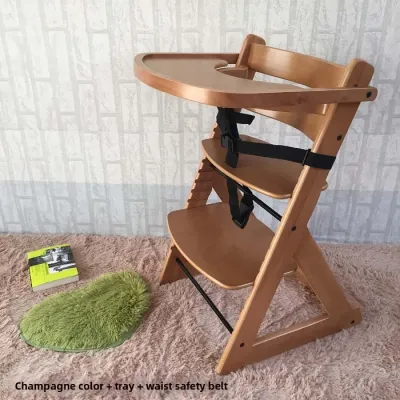
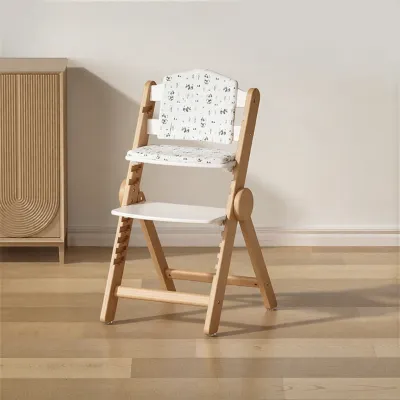
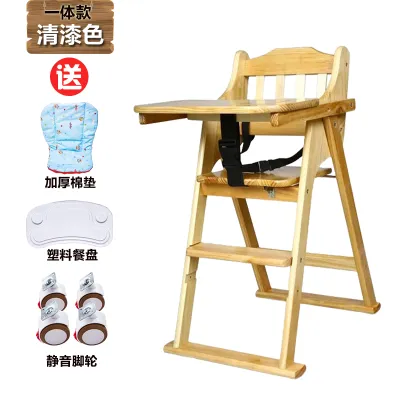
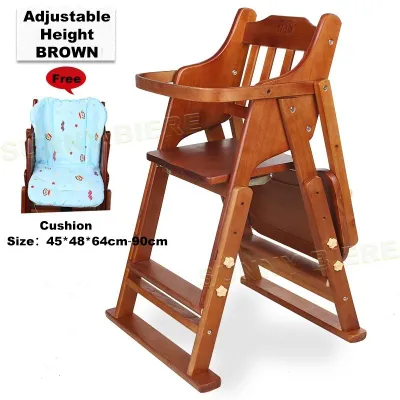
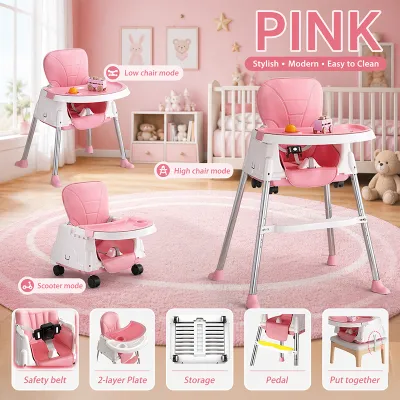
Prices are valid at publication and may change. Please refer to the product page for the latest price.
The choice of wood material directly influences this stability. Solid wood options, such as beech, rubberwood, or maple, offer natural density and weight, which inherently lowers the center of gravity and resists tipping. In contrast, engineered wood or lightweight plywood alternatives may require a wider base footprint to compensate for their lighter weight. When inspecting a chair, verify that the legs flare outward slightly, as this design significantly increases the stability of the base compared to strictly vertical legs.
Additionally, pay close attention to the contact points between the chair legs and your flooring. In tropical climates where tiled, polished concrete, or hardwood floors are common, smooth wooden legs can easily slide or slip during active use. Look for high chairs equipped with durable, non-slip rubber feet or integrated floor protectors. These components not only prevent the chair from shifting when your baby moves but also protect your home’s flooring from scratches and wear.
Harness and Restraint Systems
A robust restraint system is essential to prevent falls, sliding, and climbing accidents during mealtimes. When evaluating a wood high chair for baby, prioritize models equipped with a secure 5-point harness system. This configuration secures the child at the shoulders, waist, and crotch, preventing them from standing up or sliding downward out of the seat. While some traditional wooden chairs only offer a 3-point waist-and-crotch strap, a 5-point harness provides superior containment for younger, more active infants who are still developing core stability.

The crotch strap or passive crotch post is a non-negotiable safety element. Without a secure barrier between the legs, a child can easily slide under the tray, posing a severe risk of entrapment or suffocation. Ensure that the crotch strap is firmly anchored to the seat frame rather than just the removable tray, so the restraint remains functional even when the tray is detached for cleaning.
Buckle mechanisms must undergo careful inspection to ensure they resist toddler manipulation while remaining manageable for caregivers. The buckle should require a multi-step release or a specific level of adult finger strength to open, preventing an inquisitive toddler from releasing themselves mid-meal. Furthermore, verify that all shoulder and waist straps are easily adjustable. As your child grows, you must be able to tighten the webbing to fit snugly against their body, eliminating dangerous loose loops that could snag or allow too much movement.
Wood Finish, Materials, and Toxicity Risks
Babies naturally explore their environment using their mouths, making the chemical safety of a wooden high chair’s finish a critical consideration. Because infants frequently chew on the edges of the high chair tray or frame, you must verify that all paints, stains, and sealants are completely non-toxic and food-safe. Look for product labels that explicitly state the use of water-based, food-grade, or certified non-toxic finishes.
Traditional furniture finishes can contain harmful substances, including heavy metals like lead, formaldehyde in engineered wood binders, and volatile organic compounds (VOCs). In warm, humid tropical environments, VOC off-gassing can become more pronounced, potentially affecting indoor air quality. To mitigate these risks, check the manufacturer’s documentation to confirm that the engineered wood components meet low-formaldehyde emission standards and that the paints are free from lead and other heavy metals.
If you unbox a new wooden high chair and notice a strong, pungent chemical odor, or if you observe that the finish is already peeling, cracking, or chipping, do not use the chair. A peeling finish presents an immediate ingestion hazard, while strong odors indicate high chemical emissions. In such cases, contact the manufacturer or retailer immediately to verify the safety of the batch or arrange for a return.
Adjustability and Pinch Point Hazards
Many modern wooden high chairs feature adjustable seats, footrests, and trays designed to grow with your child. While these features offer long-term utility, they also introduce moving parts that can pose pinch-point hazards. Before purchasing, test all folding mechanisms, locking pins, and hinges to ensure they engage securely. A reliable locking system should require a deliberate, two-step action to release, ensuring that neither the child nor an accidental bump can collapse the chair.
Carefully inspect the gaps between adjustable components, such as the spaces between the seat and the frame, or the slots for the adjustable footrest. These gaps must not fall within dimensions that could trap small fingers, toes, or limbs. When adjusting the chair’s configuration, always ensure that all locking bolts or pins are fully tightened and flush with the wood surface to prevent snagging clothing or scratching delicate skin.
The tray attachment mechanism must be exceptionally robust. Trays that slide onto wooden arms should lock into place with a positive, audible click or a secure latching system. If a tray is loose or easily dislodged, a child might push against it, causing the tray to release suddenly and potentially tipping the chair or causing a fall. Never rely on the tray alone to keep your baby in the chair; the harness must always be buckled.
How to Verify Safety Certifications and Labels
To cut through vague marketing claims like “tested for safety” or “eco-friendly,” buyers must learn how to locate and verify legitimate safety compliance marks. Genuine safety certifications indicate that a representative sample of the high chair model has undergone rigorous physical and chemical testing by an independent, accredited laboratory.
Start by looking for mandatory certification labels physically affixed to the high chair frame, typically located on the underside of the seat, on the inside of the legs, or printed clearly on the product packaging. These labels should reference recognized international safety standards for high chairs, such as ASTM F404 (United States standard) or EN 14988 (European standard). These standards govern structural integrity, stability, restraint system strength, and chemical safety limits.
Be cautious of generic phrases that lack official certification logos or standard numbers. A reputable manufacturer will readily provide compliance documentation, such as a Children’s Product Certificate (CPC) or a declaration of conformity, upon request. If a brand cannot provide verifiable proof of compliance with established safety standards, it is best to choose a different model that prioritizes transparent safety testing.
Red Flags: When to Walk Away from a Wooden High Chair
When shopping for a wood high chair for baby, certain physical and documentation defects serve as immediate dealbreakers. First, walk away from any product that lacks clear, readable warning labels and comprehensive assembly instructions. Proper assembly is critical to the structural integrity of a wooden chair; without clear guidelines, you risk misaligning load-bearing joints or omitting essential safety hardware.
Perform a physical shake test on any display model or newly assembled chair. If the frame wobbles, creaks excessively, or feels loose at the joints, the chair may suffer from poor manufacturing tolerances or weak hardware. Additionally, run your hands carefully along all wooden surfaces. Visible splinters, rough patches, unsanded edges, or sharp corners are immediate red flags that can cause painful scratches or splinters on your baby’s sensitive skin.
Finally, note the absence of essential passive safety features. A high chair that lacks a built-in crotch post or a fixed waist barrier relies entirely on the active harness to prevent sliding. If the harness is ever adjusted incorrectly or left unbuckled by accident, the absence of these passive barriers dramatically increases the risk of a serious fall. If a wooden high chair lacks these fundamental structural safeguards, it is safer to choose an alternative model.
Frequently Asked Questions (FAQ)
Is a wooden high chair safer than a plastic one?
Neither material is universally safer than the other; rather, each offers distinct structural and chemical profiles that require careful evaluation. Solid wood high chairs generally provide superior weight and a wider base, making them highly resistant to tipping when active toddlers push against tables. However, they require regular inspection to ensure the wood does not splinter and that the hardware remains tight. Plastic high chairs are often lighter and easier to sanitize, but they may degrade over time if exposed to direct sunlight or harsh cleaning chemicals, and buyers must verify that the plastic is free from harmful plasticizers like BPA. Your choice should depend on your household setup, maintenance preferences, and commitment to regular safety checks.
At what age or weight should I stop using the high chair?
You should stop using a high chair when your child reaches the manufacturer’s specified maximum weight or height limit, or when they show physical signs of outgrowing the space. Always consult the product manual, as weight limits can vary significantly between lightweight folding models and heavy solid wood convertible chairs. Behavioral signs, such as a child consistently attempting to climb out of the harness, or physical signs, like their knees pressing uncomfortably against the tray, indicate it is time to transition. When these milestones are met, safely transition your child to a secure booster seat attached to a standard dining chair, or a specialized toddler chair that allows them to sit safely at the family table under direct adult supervision.
Community discussion
Share your experience or ask a question. Comments are reviewed before publication.