
When choosing a sitting chair for your baby, prioritizing safety features is the most important step in supporting your child’s physical development. A high-quality baby seat provides the necessary upright support as your little one transitions from lying down to exploring the world from a new perspective. However, because babies develop rapidly and possess unpredictable movement patterns, a chair must be structurally sound and properly equipped to prevent common nursery accidents.
To make an informed and safe purchase, you must look beyond aesthetic appeal and focus on physical stability, secure restraint systems, non-toxic materials, and verifiable safety standards. In tropical climates like the Philippines, where high humidity and smooth tiled floors are common, choosing a chair with the right grip and breathable, easy-to-clean materials becomes even more critical. By systematically evaluating these key safety components, you can ensure your baby remains secure, comfortable, and well-supported during playtime or feeding.
Evaluating Structural Stability and Fall Prevention
A baby sitting chair must feature a robust physical design that resists tipping, sliding, or shifting during use. When inspecting a potential purchase, look for a chair with a wide, flared base that is significantly larger than the seating area itself. This design distributes your baby’s weight evenly and establishes a low center of gravity, making it highly difficult for an active infant to tip the chair over while leaning or rocking.
Products mentioned in this guide
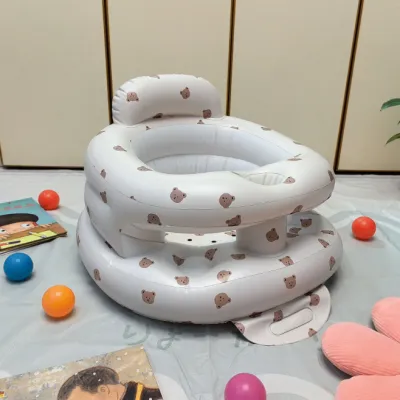
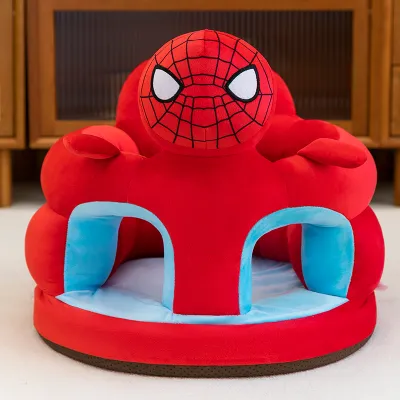
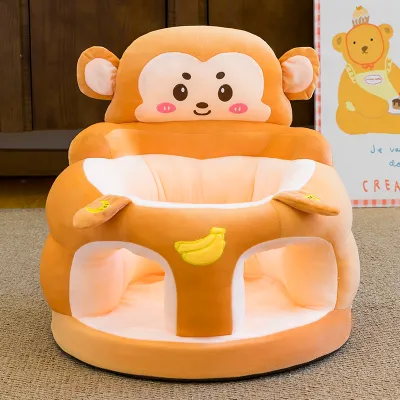
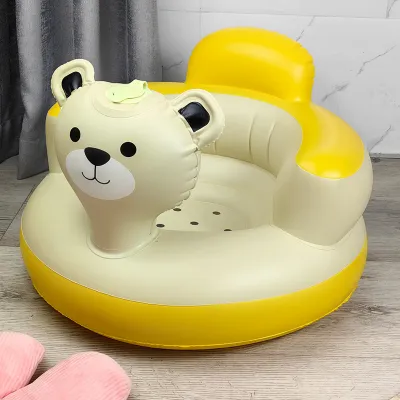
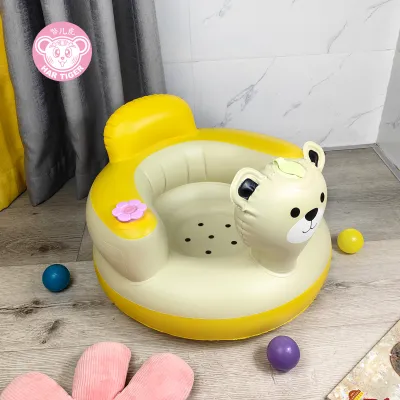
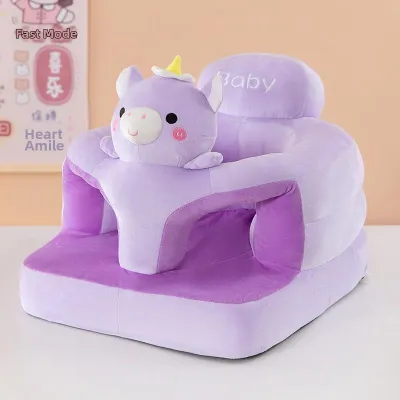
Prices are valid at publication and may change. Please refer to the product page for the latest price.
If the sitting chair is equipped with wheels for mobility, you must verify the presence of reliable locking mechanisms on every single wheel. For stationary models, check the underside of the base for high-quality, non-slip rubber feet. In homes with smooth flooring, such as polished hardwood or ceramic tiles, these rubberized grips prevent the chair from sliding backward when your baby kicks their legs or shifts their weight.
Even the most stable sitting chair poses a severe hazard if used incorrectly. You must establish a strict household rule to never place a baby sitting chair on elevated surfaces, including dining tables, kitchen countertops, sofas, or beds. A baby’s sudden, vigorous movements can cause the chair to migrate across smooth surfaces, leading to catastrophic falls that a harness alone cannot prevent. Always keep the chair firmly positioned on a flat, level floor.
Choosing the Right Harness and Restraint System
A secure restraint system is vital for keeping your baby safely positioned and preventing them from sliding downward or attempting to stand up. When comparing models, you will generally encounter three-point and five-point harness designs. A three-point harness secures the baby at the waist and crotch, which is often sufficient for younger, less active infants who are just beginning to sit with assistance.

For older, highly active babies who have developed stronger core muscles, a five-point harness is highly recommended. This system adds two shoulder straps to the waist and crotch restraints, preventing your baby from leaning dangerously far forward or wiggling out of the seat. The straps should be fully adjustable to accommodate your baby’s growth while maintaining a snug, comfortable fit that does not restrict breathing.
Take the time to physically test the buckle mechanism before making your final decision. The buckle must require a firm, dual-action press to release, ensuring that curious little hands cannot accidentally unclick themselves during use. At the same time, the mechanism should be smooth enough for a caregiver to operate quickly in an emergency.
Remember that a harness is designed solely to keep your baby in a safe, upright posture under direct supervision. It is never a substitute for active adult oversight, and you should never leave your baby unattended in a sitting chair, even for a brief moment. Additionally, these household restraint systems are not engineered to withstand vehicular impact forces and must never be used as a substitute for an approved infant car seat.
Checking for Material Safety and Choking Hazards
Babies explore their environment primarily through touch and taste, making material safety a paramount concern when selecting nursery furniture. Carefully examine the entire chair for small, detachable parts, loose screws, plastic caps, or decorative toys that could easily be pulled off. Any component small enough to fit inside a cardboard toilet paper roll poses an immediate choking hazard and should be avoided entirely.
Because your baby’s bare skin will frequently come into contact with the chair, you must verify the chemical safety of the materials used. Look for clear manufacturer labels indicating that the product is free from Bisphenol A (BPA), phthalates, lead, and harmful chemical flame retardants. In warm, humid environments, prioritize hypoallergenic, breathable fabrics that can be easily removed and machine-washed to prevent the buildup of sweat, bacteria, and mold.
Physical construction hazards can also cause painful injuries to tiny fingers and toes. Inspect all edges, joints, and folding mechanisms to ensure they are completely smooth and free of sharp burrs. If the chair features a folding frame for easy storage, verify that the hinges have safety locks to prevent accidental collapsing, and check that there are no small gaps where a baby’s fingers could become pinched during setup or adjustment.
How to Verify Safety Certifications and Standards
With countless baby products available on online marketplaces, distinguishing between genuinely safe products and those with misleading marketing claims requires careful verification. Reliable manufacturers submit their products to independent testing laboratories to ensure compliance with international safety standards, such as those set by ASTM International or European safety regulations (EN standards).
To verify these claims, start by locating the physical certification marks, registration numbers, or safety tags on the product packaging or the chair itself. Genuine certifications are typically printed clearly on a permanent tracking label sewn into the fabric or stamped onto the plastic frame. If a product only claims to be “safe” or “certified” in its online product description without listing specific standards or testing bodies, treat it with caution.
You can protect your family by cross-referencing the manufacturer’s certification claims. Visit the official website of the brand or search recognized safety databases to confirm that the specific model number has undergone legitimate compliance testing. Be particularly wary of unbranded, unusually cheap sitting chairs sold on generic ecommerce platforms; these products often bypass rigorous safety evaluations and lack traceable manufacturer contact information or clear instruction manuals.
Understanding Weight Limits and When to Stop Using
Every baby sitting chair is engineered to support a specific weight and height range, and exceeding these limits compromises the structural integrity of the product. Before purchasing, consult the manufacturer’s official documentation to verify the maximum weight capacity. Keep in mind that a chair designed for a younger infant may quickly become unsafe as your baby gains weight and height.
Physical measurements are not the only indicators that it is time to transition away from a sitting chair. You must closely monitor your baby’s developmental milestones and physical behavior during use. If your baby can sit completely unassisted, begins to lean heavily over the sides, attempts to stand up, or tries to climb out of the harness, they have outgrown the developmental stage for which the chair was designed. Continuing to use the chair past this point significantly increases the risk of tipping and falls.
To ensure the chair remains safe throughout its lifespan, establish a routine maintenance schedule. Once a week, inspect the frame for any hairline cracks in the plastic, loose screws, or compromised joints. Check the harness straps for signs of fraying and ensure the buckle still clicks securely into place. If you discover any structural damage or worn-out components, discontinue use immediately and contact the manufacturer for approved replacement parts or guidance.
Frequently Asked Questions (FAQ)
Can a baby sleep in a sitting chair?
No, a baby should never be allowed to sleep in a sitting chair. When an infant falls asleep in a semi-upright or seated position, their relatively heavy head can easily slump forward onto their chest. This position can lead to positional asphyxiation, a dangerous condition where the baby’s airway becomes partially or fully obstructed, making breathing difficult or impossible. Sitting chairs are designed exclusively for active, supervised wake-time activities; if your baby falls asleep in the chair, you should immediately transfer them to a flat, firm sleep surface such as a crib or bassinet.
Is a second-hand sitting chair safe to use?
Using a second-hand sitting chair carries hidden safety risks and requires extreme caution. Over time, exposure to sunlight, humidity, and general wear can degrade plastic frames and weaken harness webbing, making the chair less reliable. Furthermore, a pre-owned chair may be missing its original instruction manual, safety labels, or critical structural components. Before accepting or purchasing a used chair, locate the model number and manufacture date on the product’s tracking label and cross-reference it with official product recall databases to ensure the item has not been recalled for safety defects.
Community discussion
Share your experience or ask a question. Comments are reviewed before publication.