
Choosing a newborn sleeping bag is one of the most important decisions you will make when preparing your baby’s nursery. Unlike traditional blankets, a wearable sleeping bag provides consistent warmth without the risk of loose fabric covering your baby’s face. However, not all sleeping bags are created equal, and some designs can introduce unnecessary risks if they do not fit correctly or lack essential safety features. To ensure your newborn remains safe and comfortable throughout the night, you must carefully evaluate the physical construction, sizing, and thermal properties of any sleeping bag before making a purchase.
To make a safe choice, focus on verifying three core elements: a secure fit around the neck and armholes, a safe thermal rating that matches your local climate, and the complete absence of loose parts, hoods, or weighted elements. By systematically checking these features against established safe sleep guidelines, you can create a secure sleep environment that supports your baby’s development and gives you peace of mind.
Core Safe Sleep Principles for Newborns
Understanding the fundamental principles of safe infant sleep is essential before evaluating any sleeping bag. Pediatric health organizations worldwide emphasize the “Back to Sleep” rule, which dictates that infants must always be placed on their backs for every sleep session, both day and night. A properly designed wearable blanket or sleeping bag supports this position by keeping the baby securely positioned on their back while allowing natural hip and leg movement. This freedom of movement is crucial for healthy hip development, as tight swaddling that forces the legs straight can lead to hip dysplasia.
Products mentioned in this guide
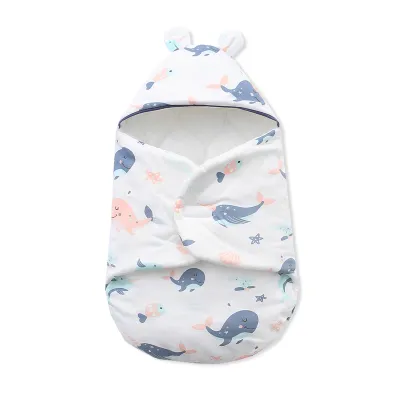

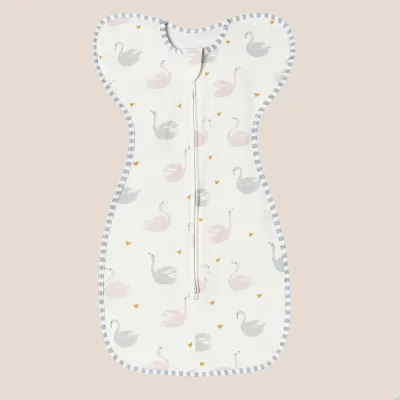

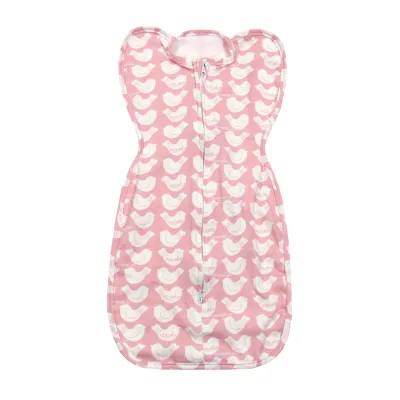
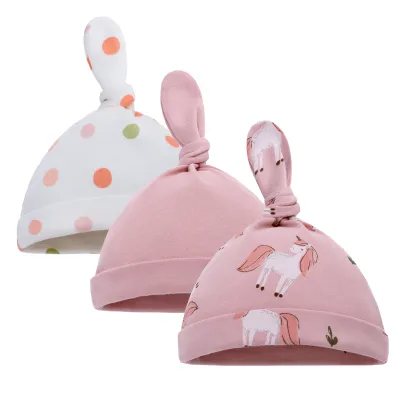
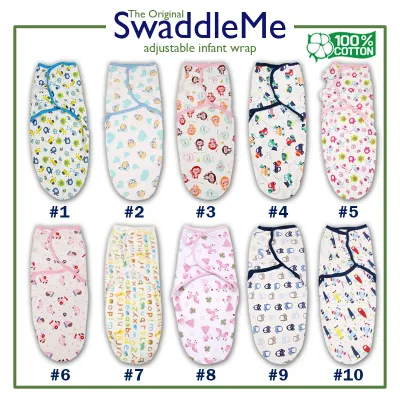
![[Teeker]Newborn Baby Swaddle Wraps Cotton Four Seasons Sleeping Bags Cartoon Anti Startle Anti Kick 360° Wrapped 30x60CM Bed Accessories For Neonate Infant 0-3 Months](https://img.lazcdn.com/g/p/15421bddd6075ef1332eb00e5cf69036.png_400x400q80.png_.webp)
Prices are valid at publication and may change. Please refer to the product page for the latest price.
Loose bedding in the crib represents one of the most significant hazards in a newborn’s sleep environment. Traditional blankets can easily be kicked loose, bunched up, or pulled over a baby’s face, leading to accidental suffocation or rebreathing of carbon dioxide. A newborn sleeping bag solves this problem by serving as a wearable blanket that stays securely in place, eliminating the need for any loose sheets or quilts in the crib.
To maintain a safe sleep environment, the sleeping bag must be used on a firm, flat mattress covered only by a tight-fitting sheet. The sleep area must remain completely bare, meaning you should never place pillows, stuffed toys, bumper pads, or extra blankets inside the crib. By keeping the crib free of these items and relying solely on a well-fitted sleeping bag for warmth, you significantly reduce the risk of sleep-related accidents.
Essential Design and Hardware Safety Checks
When inspecting a newborn sleeping bag, the physical construction and hardware require close scrutiny. The first and most critical check is the fit of the neck and armhole openings. When the sleeping bag is zipped up, the neck opening must be small enough that the baby’s head cannot slip down inside the bag, which would pose an immediate suffocation risk. At the same time, it must not be so tight that it constricts the baby’s neck or causes discomfort. A practical test is to ensure you can easily slip two fingers between the fabric and your baby’s neck.

The armholes must also fit snugly enough to prevent the baby from pulling their arms inside the bag, yet remain loose enough to allow comfortable movement. If the armholes are too large, the baby’s arms can slip inside, allowing the fabric to bunch up around their face. Always inspect these openings physically and compare them to your baby’s current measurements rather than relying solely on age recommendations.
Zipper safety is another vital consideration for daily use and safety. Look for sleeping bags that feature a fabric zipper guard or “zipper garage” at the top of the zipper track. This small flap of fabric covers the metal or plastic zipper pull, preventing it from pinching your baby’s sensitive chin or neck skin and keeping them from chewing on the hardware. Additionally, a two-way zipper that opens from the bottom is highly beneficial, as it allows you to perform quick, partial diaper changes during the night without fully exposing your baby’s chest to the cool air.
Finally, carefully examine the exterior and interior of the sleeping bag for any decorative or functional hazards. A safe newborn sleeping bag must be completely free of hoods, drawstrings, ribbons, toggles, or any detachable decorative parts. Hoods can easily slip over a baby’s face and block their airway, while drawstrings and ribbons pose severe strangulation risks. Any small buttons or snaps must be securely attached and checked regularly to ensure they do not become loose and present a choking hazard.
Sizing, Fit, and Thermal Regulation
Selecting the correct size is paramount to ensuring the sleeping bag functions safely. Many parents make the mistake of buying a larger size to allow room for growth, but an oversized sleeping bag is a serious safety hazard because the neck opening will be too large, increasing the risk of suffocation. Always prioritize weight and height-based sizing over general age labels. A baby who is long but lightweight may require a different size than a shorter, heavier baby of the same age. Always consult the manufacturer’s specific size chart and measure your baby accurately before purchasing.
Thermal regulation is another critical factor in preventing overheating, which is a known risk factor for sleep-related infant deaths. Sleeping bags are often rated using a Tog system, which measures the thermal resistance of the fabric. In tropical climates like the Philippines, where ambient temperatures and humidity levels are consistently high, choosing the correct Tog rating is essential. For warm rooms or during the hot season, a very low Tog rating, such as 0.5 or 1.0, is typically appropriate. If you use air conditioning to keep the nursery cool, you may need to adjust the Tog rating or the layers of clothing underneath accordingly.
The fabric composition plays a major role in how well the sleeping bag regulates your baby’s temperature. Look for breathable, natural fibers such as high-quality cotton, organic cotton, or bamboo-derived fabrics. These materials allow air to circulate freely and wick moisture away from your baby’s skin, helping to prevent sweat buildup and overheating. Avoid heavy synthetic fabrics that trap heat and moisture, as they can cause your baby’s body temperature to rise rapidly during sleep.
Red Flags and Features to Avoid
As you shop for a newborn sleeping bag, you will encounter various designs and marketing claims that may seem appealing but actually violate safe sleep guidelines. A major red flag is any sleeping bag or swaddle that is marketed as “weighted.” Weighted sleep products, which contain heavy beads or layers designed to mimic a soothing touch, are not recommended by pediatric safety experts. These products can restrict your baby’s natural chest expansion, alter their breathing patterns, and make it difficult for them to wake up if they experience a breathing obstruction. Stick strictly to flat, unweighted sleep wear.
Another dangerous feature to avoid is any sleeping bag that incorporates built-in positioning devices, wedges, or inclined surfaces. These designs are sometimes marketed as solutions for acid reflux or to keep the baby in a specific position. However, placing a newborn on an incline or using wedges can cause their head to chin-tuck, which can easily block their delicate airway. Safe sleep guidelines require a completely flat surface, and your baby’s sleeping bag should not interfere with this flat positioning.
Be cautious of sleeping bags made from overly thick, non-breathable synthetic materials, even if they claim to be extra cozy or warm. These fabrics can trap heat close to your baby’s body, leading to rapid overheating. Additionally, avoid any products that feature excessive layers of fabric around the chest or neck area, as these can restrict movement and contribute to heat retention. Always prioritize simplicity, breathability, and a streamlined design over complex features that promise unrealistic sleep results.
Verifying Labels and Safety Standards
Before finalizing your purchase, take the time to verify the labels, certifications, and care instructions printed on the product or its packaging. Look for recognized safety standard marks that indicate the product has undergone rigorous testing for physical and chemical safety. While specific standards vary by region, reputable manufacturers will clearly state which safety guidelines their products meet. If a product listing or physical tag lacks any mention of safety testing or compliance, it is best to choose a different option.
Care instructions are more than just a guide for laundry day; they are essential for maintaining the safety and integrity of the sleeping bag. Check for clear, permanent washing instructions on the physical tag. Some fabrics may shrink significantly when washed or dried at high temperatures, which can alter the fit of the neck and armholes and make the bag unsafe to use. Additionally, if the fabric has been treated with any flame-retardant properties, improper washing can degrade these safety features over time.
Finally, always verify the manufacturer’s recommended minimum and maximum weight limits, which should be printed directly on the product label or packaging. Never use a sleeping bag if your baby is below the minimum weight limit, even if they match the age recommendation. Conversely, once your baby reaches the maximum weight or height limit, or begins showing signs of rolling over, you must transition them to an appropriate next-stage sleep product. Regularly checking these limits ensures your baby remains in a safe, properly fitted sleep environment as they grow.
Frequently Asked Questions (FAQ)
Can a newborn sleep in a sleeping bag from day one?
Whether a newborn can sleep in a sleeping bag from day one depends entirely on the specific product’s minimum weight limit and the physical size of the neck opening. Many standard sleeping bags are designed for babies weighing at least 3.2 to 4 kilograms (approximately 7 to 9 pounds), which means a smaller newborn or a premature baby may not fit safely right away. If the neck opening is too large, the baby can slip down inside the bag, creating a serious suffocation hazard. Always check the physical tag for the exact weight requirements and consult your pediatrician if your baby was born prematurely or has a low birth weight.
How do I know if my baby is too hot in the sleeping bag?
To determine if your baby is overheating in their sleeping bag, look for physical signs such as sweating, damp hair, flushed cheeks, heat rash, or unusually restless sleep. Do not rely on the temperature of your baby’s hands or feet, as peripheral circulation is often cool in infants and does not accurately reflect their core temperature. Instead, place your hand gently on the back of your baby’s neck or on their chest. If the skin feels hot or sweaty, your baby is too warm, and you should adjust the room temperature, choose a lower Tog sleeping bag, or remove a layer of underlying clothing.
Community discussion
Share your experience or ask a question. Comments are reviewed before publication.