
When selecting bedding for your child, safety must always take precedence over aesthetic appeal. A baby pillow set might look incredibly cozy in a beautifully styled nursery, but improper use or poorly designed materials can introduce serious sleep hazards. To make an informed choice, you must evaluate critical safety features including age appropriateness, structural firmness, material breathability, physical hazards, and verifiable safety certifications. In tropical climates like the Philippines, where high temperatures and humidity persist year-round, these safety checks are even more vital to prevent overheating and ensure a hygienic sleep environment.
While many manufacturers market bedding sets for newborns, pediatric guidelines emphasize that a flat, firm mattress free of any loose items is the only safe sleep surface for an infant. Understanding when and how to safely introduce a pillow is the first step in protecting your child. By learning how to physically test a pillow’s firmness, inspect its construction for hidden hazards, and verify its material certifications, you can select a product that supports your child’s development without compromising their safety.
Age Appropriateness and Developmental Readiness
Before purchasing any baby pillow set, you must determine if your child is developmentally ready to use one. The general pediatric consensus is highly conservative: infants under 12 months of age should never sleep with a pillow, loose blanket, bumper, or positioner. Introducing these items too early increases the risk of accidental suffocation and sudden infant death syndrome (SIDS). During the first year of life, a baby’s motor skills are still developing, and they may not have the neck strength or coordination to turn their head away if their airway becomes blocked by soft bedding.
Products mentioned in this guide
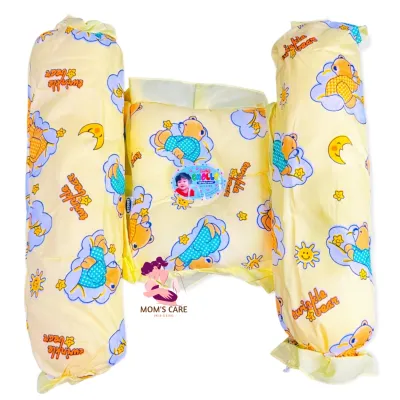
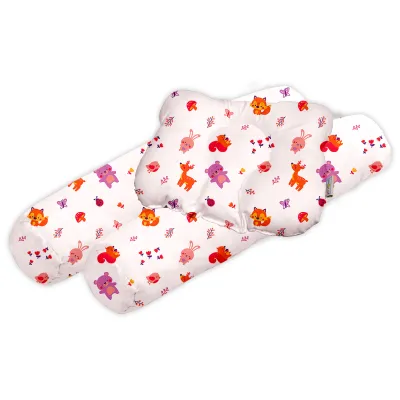
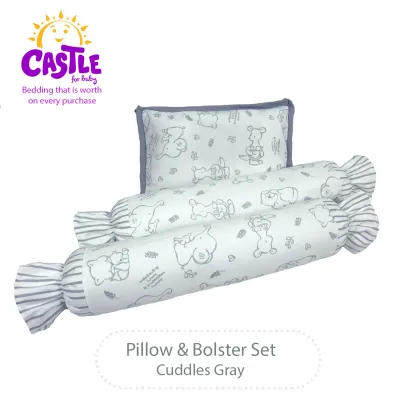
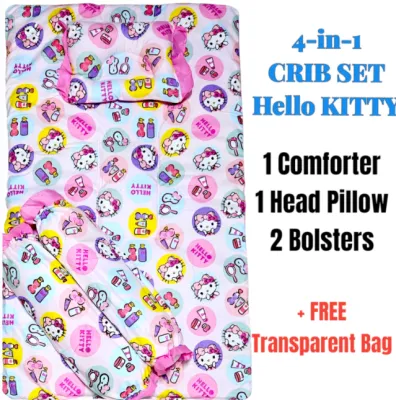
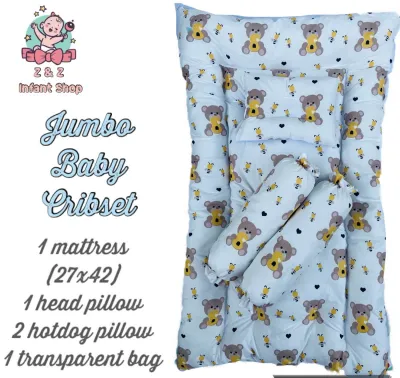
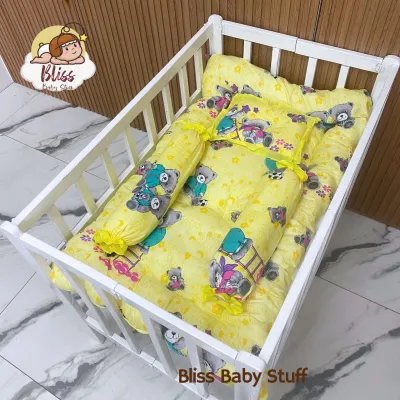
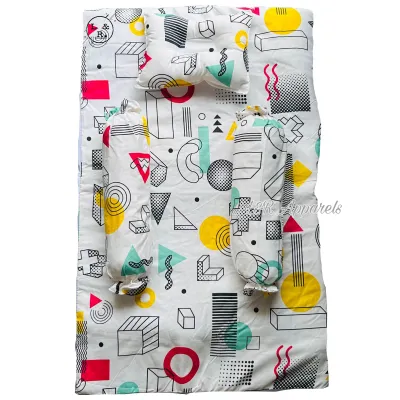
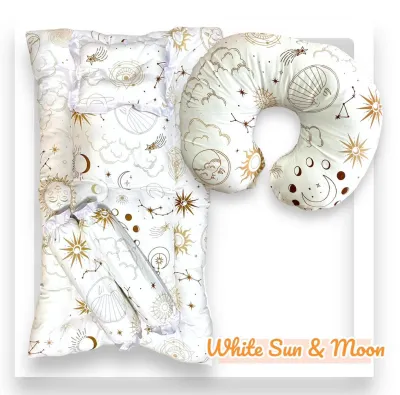
Prices are valid at publication and may change. Please refer to the product page for the latest price.
As your child transitions into toddlerhood, usually between 18 and 24 months, you may begin to notice physical and behavioral signs that they are ready for head support. A toddler might start bunching up their favorite security blanket to rest their head on, or they may consistently lay their head on a stuffed animal during sleep. You might also observe that their shoulders have grown wider than their head, creating a noticeable gap between their neck and the mattress when they sleep on their side. These behaviors indicate that a low-profile pillow could help align their spine comfortably.
When shopping, never rely on generic “baby” marketing terms printed on the front of the box. Instead, locate the specific product documentation to verify the manufacturer’s recommended age, weight, and developmental milestone requirements. Some products labeled as part of a baby pillow set are intended strictly for supervised lounging or travel in a stroller, rather than unsupervised overnight sleep. Always read the fine print to ensure the product matches your child’s current developmental stage and intended use.
Evaluating Firmness and Structural Support
If your child is developmentally ready for a pillow, the next critical step is assessing the product’s firmness. A safe toddler pillow must be significantly firmer than an adult pillow to prevent the child’s face from sinking into the material. You can perform a simple manual press test in the store or upon delivery. Press your hand firmly into the center of the pillow and release it; a safe pillow should rebound immediately to its original shape. If your hand leaves a deep indentation or if the pillow takes several seconds to recover, the material is too soft and poses a suffocation risk.

Avoid materials that conform too closely to the child’s face, such as plush memory foam or loose, fluffy fiberfills. While memory foam is popular for adults, highly conforming foams can create a pocket around a child’s nose and mouth if they roll onto their stomach, leading to carbon dioxide re-breathing. Loose fiberfills can also shift over time, creating hazardous lumps or deep depressions. Look for low-loft, dense fillings like natural latex or specialized firm polyester fibers that maintain a consistent, flat profile across the entire surface.
Additionally, inspect the edge support and overall height of the pillow. The profile height should be relatively low—typically between two to three centimeters—to keep the toddler’s neck in a neutral position. If the pillow is too thick, it can force the chin forward toward the chest, potentially restricting the airway. The edges should be tapered or firmly stitched to prevent the child’s head from rolling off the pillow and becoming trapped in a hazardous gap between the pillow and the crib rails or mattress edge.
Breathability and Material Safety Checks
In warm, humid tropical climates, breathability is a fundamental safety feature rather than a luxury. High humidity can cause children to sweat heavily during sleep, which not only causes discomfort and heat rashes but also creates a breeding ground for mold, dust mites, and bacteria within the pillow core. When evaluating a baby pillow set, look for physical design features that actively promote air circulation. Perforated cores, 3D spacer mesh panels, and open-cell structures allow heat and moisture to escape quickly, keeping the sleep surface cool and dry.
Beyond the internal filling, you must evaluate the weave density of the outer pillow cover. While a tightly woven cover might feel exceptionally smooth, it can restrict airflow if the child’s face is pressed directly against it. You can test the breathability of the cover by holding it up to your mouth and attempting to breathe through the fabric. If you experience noticeable resistance, the fabric is too dense. Opt for natural, breathable fibers like organic cotton or bamboo-derived fabrics, which offer excellent moisture-wicking properties and allow air to pass through easily.
Material safety also extends to chemical exposure. Because your child will spend hours breathing in close proximity to the pillow, you must verify that the materials are free from harmful substances. Avoid products treated with chemical flame retardants, heavy metals, or formaldehyde. Rather than trusting unverified marketing claims like “100% natural” or “hypoallergenic,” look for independent testing labels on the product tags. These labels indicate that the pillow has undergone testing for volatile organic compounds (VOCs) and other hazardous chemicals, though you should always verify the validity of these claims on the certifying body’s official database.
Identifying Anti-Suffocation and Physical Hazards
A thorough physical inspection of the baby pillow set is essential to identify potential choking, strangulation, or entanglement hazards. Start by examining how the pillow cover closes. Zippers are a common feature on removable covers, but they can pose a hazard if a curious toddler manages to open them and access the loose internal filling. Ensure that any zippers are completely concealed beneath a fabric flap, feature a lockable slider, or are entirely absent in favor of an envelope-style closure. The zipper pull itself should be sturdy and free of sharp edges that could scratch sensitive skin.
Next, check the exterior of the pillow and its matching accessories for any decorative elements. A safe sleep environment must be entirely free of buttons, tassels, long ties, ribbons, or detachable embellishments. While these features can make a bedding set look charming, they can easily become detached and present a severe choking hazard. Long ties or ribbons used to secure a pillow or bumper to crib slats also pose a dangerous strangulation risk and should be completely avoided in any sleep setup.
Finally, consider how the dimensions of the pillow set fit into your child’s current bed configuration. The pillow should fit flat against the mattress without crowding the sleep space. If the pillow is too wide or too long, it can bunch up against the sides of the crib or toddler bed, creating dangerous gaps where a child’s head could become wedged. Measure your child’s mattress and compare it to the product specifications before purchasing to ensure a seamless, gap-free fit.
Verifying Safety Certifications and Care Labels
Because the baby bedding market is filled with self-declared safety claims, learning how to read and validate safety certifications is a crucial skill for parents. Recognized safety standard marks indicate that a product has been evaluated by an independent third party for specific hazards, such as physical durability, flammability, and chemical emissions. When you see a certification mark on a product label, take a moment to look up the manufacturer’s name or license number on the certifying organization’s public registry to confirm the certification is active and authentic.
Be highly skeptical of vague, unverified marketing buzzwords. Terms like “eco-friendly,” “pediatrician-approved,” or “baby-safe” are often used loosely by manufacturers without any standardized testing to back them up. If a product claims to be hypoallergenic, check the care label to see if that property is achieved through chemical treatments or if it simply refers to the naturally washable nature of the synthetic fibers. True safety is backed by transparent testing data and clear, verifiable certification numbers.
Lastly, review the washing and care instructions carefully before making your purchase. In humid environments, bedding must be washed frequently to maintain hygiene. Ensure that the entire pillow—or at least its removable cover—can be thoroughly sanitized in a washing machine without degrading its structural firmness or breathable properties. If a pillow cannot be washed easily, or if machine washing causes the internal filling to clump and lose its flat shape, the product’s safety and support will quickly deteriorate. Always follow the manufacturer’s specific laundering guidelines to preserve the integrity of the safety features.
Frequently Asked Questions (FAQ)
Can a baby pillow set prevent or treat flat head syndrome?
Specialized shaping pillows designed with a center indentation are frequently marketed as a preventative measure or treatment for flat head syndrome (positional plagiocephaly). However, pediatricians and health authorities do not recommend using these pillows for unsupervised sleep. Because these products often feature raised edges or contoured shapes, they can restrict a baby’s head movement, increasing the risk of suffocation if the infant turns their face into the side of the pillow. If you have concerns about your baby’s head shape, consult a pediatrician. They can guide you on safe, supervised repositioning techniques, increased tummy time during waking hours, or professional physical therapy options.
When is it time to replace a toddler's pillow?
Even a high-quality toddler pillow will eventually lose its supportive properties and must be replaced to ensure continued safety. You can perform a simple fold test to check its structural integrity: fold the pillow in half and press down; if it does not immediately spring back to its flat shape, the internal fibers have degraded and no longer provide adequate neck support. Additionally, look for visible signs of wear such as permanent lumps, flattening, or torn seams that expose the inner filling. Hygiene triggers are also critical; if the pillow develops persistent odors, yellow sweat stains, or signs of mold and mildew that do not resolve after a thorough wash, it is time to dispose of the pillow and purchase a fresh, clean replacement.
Community discussion
Share your experience or ask a question. Comments are reviewed before publication.