
When preparing a nursery, selecting a baby mattress complete set is one of the most critical safety decisions you will make. While it is easy to get caught up in choosing beautiful crib frames, matching sheets, and nursery themes, the mattress itself is the single most important factor in ensuring a safe sleep environment. Infants spend the majority of their first year sleeping, and their physical vulnerability requires a sleep surface designed specifically for their developmental needs. The core safety features you must check before buying include absolute surface firmness, a precise snug fit within the crib frame, certified breathable materials to prevent overheating, and verified safety certifications.
Understanding these features allows you to protect your baby from severe sleep-related hazards, including suffocation, physical entrapment, and Sudden Infant Death Syndrome (SIDS). Because newborns lack the motor skills, neck strength, and coordination to lift or turn their heads if their breathing becomes compromised, the mattress must serve as their primary physical safeguard. This guide outlines the essential safety features you must verify before making a purchase.
Why Mattress Safety Is Critical for Infant Sleep
The connection between unsafe sleep surfaces and infant risks is well-documented by pediatric health organizations worldwide. When a baby is placed on a surface that is too soft, uneven, or improperly fitted, the risk of accidental suffocation or entrapment increases dramatically. Unlike adults, who can easily roll over, push away an obstructing blanket, or adjust their sleeping position when breathing becomes difficult, infants do not possess these life-saving motor skills. If a baby rolls onto their stomach on a soft mattress, their face can sink into the material, creating a pocket where exhaled carbon dioxide is trapped and re-breathed, quickly leading to oxygen deprivation.
Products mentioned in this guide
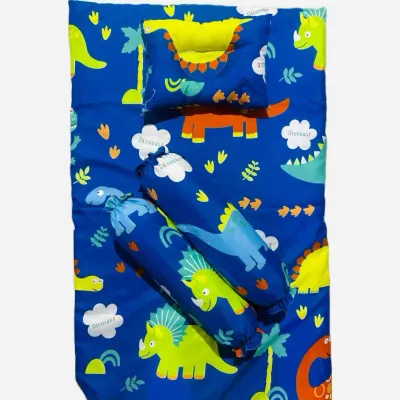
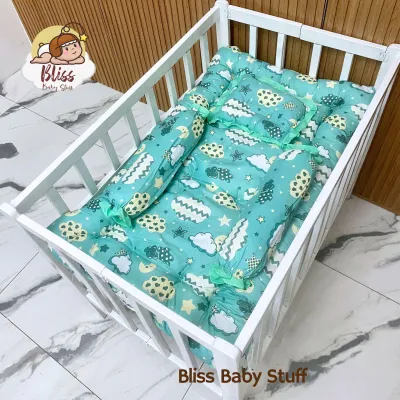
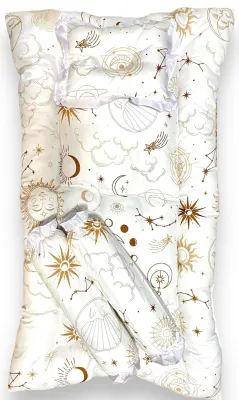
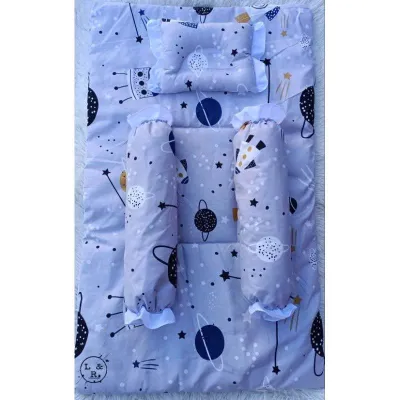
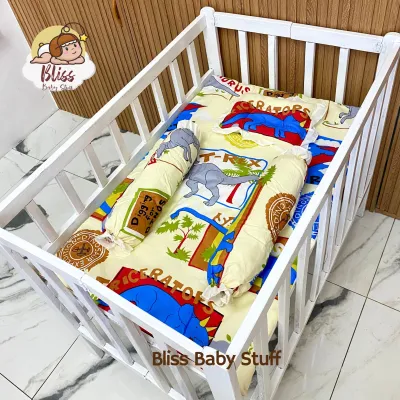
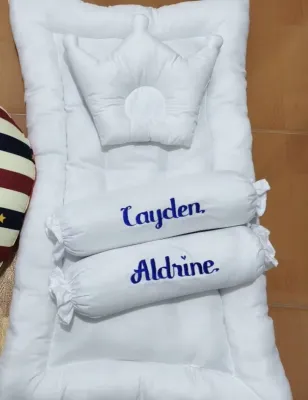
Prices are valid at publication and may change. Please refer to the product page for the latest price.
Furthermore, physical entrapment occurs when a mattress does not fit the crib frame perfectly, leaving gaps where a baby’s head, limbs, or torso can become wedged. These tragic scenarios are entirely preventable by prioritizing strict safety standards over aesthetics or cost savings. A baby mattress complete set must be viewed not as a decorative bedding accessory, but as a specialized piece of safety equipment. The following sections provide a comprehensive checklist and practical steps to help you evaluate these critical safety features before making a purchase, ensuring your nursery meets the highest standards of infant sleep safety.
Firmness and Fit: Selecting a Safe Baby Mattress Complete Set
Evaluating the physical density and dimensions of the mattress is your first line of defense against suffocation and physical entrapment. A firm sleeping surface is non-negotiable for infant safety. While many parents assume that a soft, plush mattress is more comfortable for a baby, the opposite is true for infant development and safety. A firm mattress provides the necessary resistance to support a baby’s rapidly growing spine and skeletal structure. More importantly, it keeps the baby’s head and face from sinking into the surface, keeping the airway completely unobstructed even if the baby accidentally rolls onto their stomach.

To evaluate firmness before buying, or once the mattress arrives at your home, you should perform the “press test.” Press your hand down firmly on the center and along the outer edges of the mattress. When you release your hand, the mattress should snap back immediately to its original flat shape. If the surface feels plush, leaves a lingering indentation of your hand, or slowly recovers its shape, the mattress is too soft for an infant and should not be used.
In addition to firmness, a precise fit within the crib frame is vital to prevent dangerous gaps. To verify this, use the “two-finger rule.” Once the mattress is placed inside the crib, there should be no more than two fingers of space between the edge of the mattress and the inner crib frame. If you can easily slide more than two fingers into the gap, the mattress is too small for that specific crib, creating a severe risk of entrapment where a baby’s limbs or head could get stuck.
Because standard crib and mattress dimensions can vary slightly among different manufacturers—especially in the Philippines, where imported, local, and custom-made cribs are all common—you should never rely solely on generic labels like “standard size.” Always use a measuring tape to determine the exact interior dimensions of your crib frame before shopping for a baby mattress complete set. Choosing a mattress that perfectly matches those measurements is the only way to guarantee a secure, gap-free sleep environment.
Breathability and Material Safety: Reducing Overheating and Toxin Risks
Once you have verified firmness and fit, the next step is evaluating the breathability and chemical safety of the materials used in the baby mattress complete set. Breathability refers to the mattress’s ability to facilitate continuous airflow through its core and outer cover. This is particularly critical in the tropical climate of the Philippines, where high ambient temperatures and humidity can easily cause an infant to overheat during sleep. Overheating is a recognized risk factor for SIDS, as infants cannot regulate their body temperature as efficiently as adults.
A highly breathable mattress allows body heat to dissipate and moisture to evaporate, keeping the baby cool and comfortable. When evaluating mattress cores, look for materials designed to promote ventilation, such as open-cell foam, food-grade polymer webs, or natural coconut coir. Avoid dense, solid materials that trap heat and lack airflow channels.
Material safety also extends to the chemical composition of the mattress. Because infants sleep with their faces close to the mattress surface for up to 16 hours a day, they are highly vulnerable to inhaling volatile organic compounds (VOCs) and other chemical emissions. You must check product labels and manufacturer documentation to verify the absence of harmful chemicals, heavy metals, phthalates, formaldehyde, and toxic chemical flame retardants.
Be cautious of unverified marketing buzzwords like “organic,” “natural,” “eco-friendly,” or “non-toxic.” In the bedding industry, these terms are often used loosely for greenwashing and do not guarantee safety. Instead of relying on vague marketing claims, look for specific, standardized testing indicators and independent third-party certifications. These certifications prove that the mattress has undergone rigorous laboratory testing to verify low chemical emissions and the absence of hazardous substances, ensuring the air your baby breathes is clean and safe.
Certifications and Labels: What to Verify on the Packaging
Navigating manufacturer claims can be challenging, which is why independent, third-party certifications are essential tools for parents. When shopping for a baby mattress complete set, look for recognized safety, chemical, and emissions certifications printed directly on the product tags, packaging, or official manufacturer documentation. Certifications such as CertiPUR-US (which verifies that polyurethane foam is made without ozone depleters, heavy metals, or prohibited phthalates and has low VOC emissions) and OEKO-TEX Standard 100 (which screens textiles for harmful substances) provide reliable, independent proof of material safety. Another highly regarded standard is GREENGUARD Gold, which indicates the product has met some of the world’s most rigorous standards for low chemical emissions into indoor air.
In addition to chemical safety, you must read the manufacturer’s physical label to verify the recommended age range, weight limits, and specific usage warnings. This is particularly important if you are considering a dual-firmness mattress. These mattresses are designed to grow with your child, featuring an extra-firm side engineered specifically for infants and a slightly softer, more cushioned side for toddlers. The manufacturer’s label must clearly identify which side is which. Placing a newborn on the toddler side by mistake poses a serious safety risk, so you must carefully verify the labels and mark the correct side before setup.
Before purchasing, always verify the recommended age range, weight limits, and specific usage warnings from the official product documentation rather than relying on a product name. While choosing a certified mattress significantly reduces sleep-related hazards, no mattress can guarantee absolute safety. If you have concerns about your baby’s sleep habits or respiratory health, consult a pediatrician or qualified professional.
Finally, look for compliance marks indicating the mattress has passed standardized flammability and structural integrity tests. These marks confirm that the mattress has been built to withstand regular use without collapsing or catching fire easily, meeting the strict safety requirements established for infant sleep products.
Safe Setup and Maintenance: Keeping the Sleep Environment Secure
Securing a safe sleep environment does not end with the purchase; proper setup and ongoing maintenance are crucial to keeping the mattress secure over time. The very first step you must take when your baby mattress complete set arrives is to remove and discard all plastic packaging immediately. Thin plastic wrapping can easily cling to a baby’s face, posing an immediate suffocation hazard. Never leave plastic covers or packaging anywhere near the crib or nursery.
Once the mattress is placed in the crib, adhere strictly to the “bare crib” rule. Pediatric guidelines emphasize that a safe infant sleep environment must be completely free of loose items. Do not place blankets, pillows, bumper pads, sleep positioners, or plush toys inside the crib. The only items that belong in the crib are the firm mattress and a tightly fitted sheet that wraps securely around the corners without bunching.
Proper maintenance is also vital for long-term safety, especially in the humid climate of the Philippines. High humidity levels create an ideal environment for the growth of mold, mildew, and bacteria, which can compromise your baby’s respiratory health. To prevent this, clean the mattress and its cover strictly according to the manufacturer’s care instructions. If the mattress features a removable, washable cover, launder it regularly in warm water using a mild, baby-safe detergent. Ensure the mattress and cover are completely dry before putting them back in the crib; trapping moisture inside can lead to deep-seated mold growth that is difficult to detect but harmful to breathe.
Lastly, establish a routine to inspect the mattress for physical signs of wear. You must stop using the mattress immediately if you observe visible sagging, permanent body indentations, tears in the waterproof outer cover, or a noticeable loss of firmness. A sagging or damaged mattress can no longer provide the necessary support or protection, and it must be replaced to ensure your baby’s continued safety.
Frequently Asked Questions (FAQ)
Can I safely use a second-hand baby mattress?
Using a second-hand mattress is generally not recommended due to several hidden risks. Over time, mattresses can accumulate moisture, leading to the growth of mold, mildew, and bacteria deep within the core, which may not be visible on the surface. Additionally, a pre-owned mattress may have suffered structural degradation, losing the uniform firmness required to support an infant’s spine and keep their airway clear. Unless you know the mattress’s full history, can verify it was stored in a dry, climate-controlled environment, and find it in pristine condition with an intact waterproof cover, purchasing a new, certified mattress is the significantly safer choice for your baby.
How can I test if a baby mattress is too soft at home?
You can verify the firmness of your baby mattress at home by performing a simple hand-press test. Place the mattress on a flat, stable surface and press down firmly in the center and along the outer edges with your open palm. When you lift your hand, observe how the mattress reacts. A safe infant mattress will resist the pressure and snap back to its original flat state immediately. If the surface feels plush, leaves a lingering indentation, or conforms to the shape of your hand, the mattress is too soft. A soft mattress poses a severe suffocation hazard and must not be used for infant sleep.
Are waterproof mattress covers safe for infants?
Yes, tightly fitted, breathable waterproof covers are safe and highly recommended for protecting the mattress core from diaper leaks, spit-up, and moisture. Protecting the core prevents mold and bacterial growth, which is essential for maintaining a hygienic sleep environment. However, you must ensure the cover fits the mattress perfectly, wrapping tightly around the corners without any loose fabric or bunching. Never use loose plastic sheets, un-fitted vinyl covers, or makeshift waterproof layers, as these can easily bunch up, cover the baby’s face, and create an extreme suffocation hazard.
Community discussion
Share your experience or ask a question. Comments are reviewed before publication.