
Introducing your baby to solid foods is an exciting milestone, but it also introduces new physical safety risks during mealtime. To ensure your little one remains secure, you must carefully evaluate a high chair’s structural integrity, harness system, material safety, and mechanical locks before buying. Whether you are inspecting an Enfant high chair at a local department store or comparing various nursery furniture options online, focusing on physical safety features is your primary line of defense against tipping, falls, and pinch injuries. In a tropical climate like the Philippines, where high humidity can affect materials and active babies can get sweaty and wiggly, choosing a chair with robust, easy-to-verify safety mechanisms is crucial for daily peace of mind.
Structural Stability and Tipping Prevention
A high chair must provide a rock-solid foundation that resists the energetic movements of a growing baby. When evaluating any model, start by examining the base footprint. A wider base generally offers greater stability, distributing the weight more evenly across the floor. Look for legs that splay outward slightly, as this design helps prevent the chair from tipping sideways or backward when your baby leans over the edge. If you are shopping in a local showroom, physically push the chair from different angles to observe how much it wobbles. A sturdy chair should feel grounded and resist tipping even under moderate force.
Foldable high chairs are highly popular for space-saving convenience in modern homes, but their folding joints require extra scrutiny. You must verify that the frame features a positive locking mechanism—a system that clicks securely into place and cannot be accidentally disengaged. When the chair is open, the locking latch should be completely rigid. If the frame flexes or sways when you apply downward pressure on the seat, the locking mechanism may be insufficient.
Products mentioned in this guide
![[ONLINE EXCLUSIVE] Evenflo Luxury Highchair (Orzo)](https://img.lazcdn.com/g/p/7155a71a6351623bbf04a149e0a74f44.jpg_400x400q80.jpg_.webp)
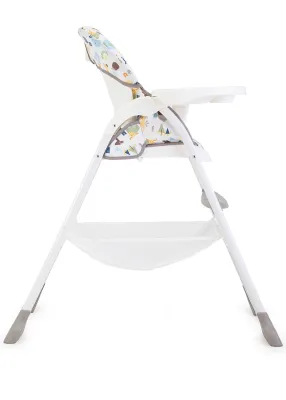
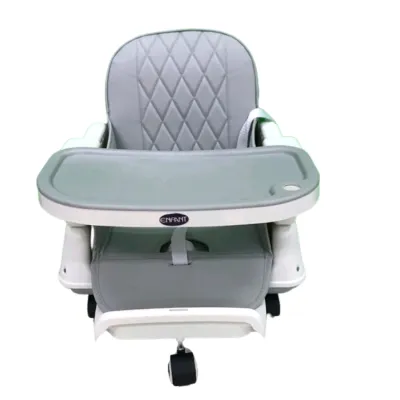
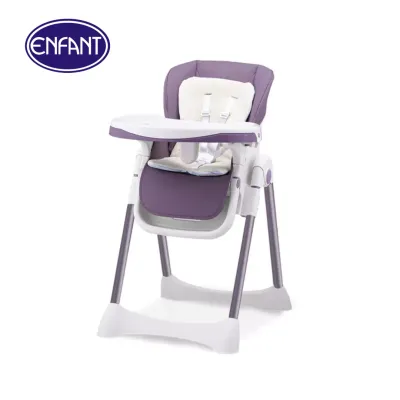
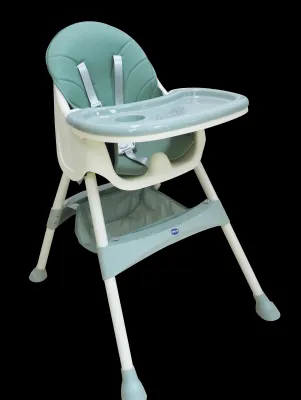
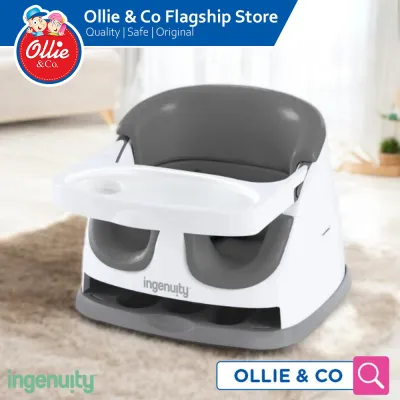
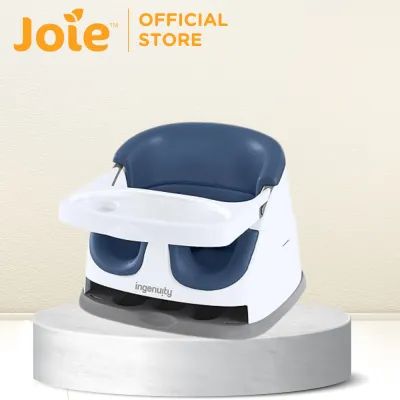
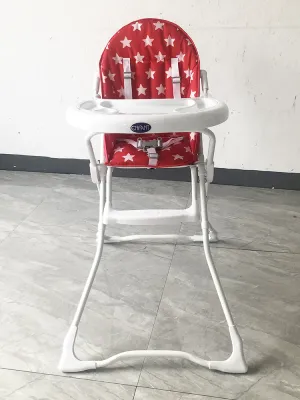
Prices are valid at publication and may change. Please refer to the product page for the latest price.
Before finalizing your purchase, perform a physical “pull test” on the backrest and the feeding tray. Grab the top of the backrest and pull it toward you, then push it away. Do the same with the tray. The chair should not lift off the floor or feel top-heavy. In homes with tiled or polished wooden floors, check the bottom of the chair legs for non-slip rubber caps or feet. These caps prevent the chair from sliding backward when your baby kicks against a nearby dining table, a common cause of tipping accidents.
Restraint Systems and Fall Protection
The harness is the most critical component for preventing falls, which are among the most common high chair-related injuries. A 5-point harness—which secures the baby over the shoulders, around the waist, and between the legs—is highly recommended over a 3-point harness. The shoulder straps prevent active infants from leaning too far forward or attempting to stand up in the seat, while the waist and crotch straps keep them from sliding downward. When inspecting a model like an Enfant high chair, check that the harness straps are securely anchored to the main frame of the chair, not just to the removable seat pad.

A passive restraint system, such as a permanent crotch post built into the seat itself, is another essential feature. Some older or less secure designs rely solely on the feeding tray to keep the baby in place. However, if the tray is removed or slides off, a baby without a crotch post can easily slip underneath the front bar. A fixed crotch post ensures that even if the tray is detached, the baby cannot slide down and become trapped or fall.
Take time to test the buckle mechanism yourself. It should require enough force or a specific double-action pinch that a toddler’s small fingers cannot release, yet remain easy for an adult to operate in an emergency. Additionally, inspect the strap adjustability. The straps must be easy to tighten and loosen to accommodate your baby’s growth and different layers of clothing, but they must lock firmly in place once adjusted. In humid tropical environments, straps can accumulate sweat and moisture, so look for durable, woven nylon straps that do not slip through their adjustment buckles when wet or pulled hard.
Material Safety and Choking Hazards
Babies explore their world with their mouths, making the materials of their high chair a key safety consideration. Run your hands along every accessible surface of the chair, including the underside of the tray, the armrests, and the leg joints. There should be no sharp burrs, rough plastic edges, or exposed metal screws that could scratch your baby’s delicate skin. If the chair is made of wood, ensure the finish is completely smooth, with no risk of splinters, and that the paint or varnish is labeled as non-toxic and lead-free.
For plastic and fabric components, look for manufacturer labels indicating that the materials are free from harmful chemicals such as BPA, phthalates, and flame retardants. Because high chairs inevitably get messy, the seat cover should be easy to wipe down or machine wash. However, ensure that any removable fabric pads do not have loose threads, long loops, or small decorative buttons that could detach and pose a choking hazard.
The feeding tray itself must be inspected for small parts. Some trays feature removable inserts or toy attachments. Ensure these inserts lock tightly into the main tray so your baby cannot pry them loose. Any small latch, rubber foot, or plastic cap on the tray or frame must be securely glued or molded into place. If a small part can be easily pulled off with a moderate tug, it represents a serious choking risk and should be avoided.
Adjustability, Moving Parts, and Pinch Points
Modern high chairs often feature multiple adjustment points, including reclining seats, adjustable heights, and moving footrests. While these features add convenience, they also introduce mechanical joints that can pinch tiny fingers. Carefully examine the folding hinges, height-adjustment tracks, and recline mechanisms. When these parts move, they should not leave gaps that can trap a child’s fingers or toes. Look for chairs with enclosed hinges or protective guards over moving joints.
Test the recline and height adjustment locks repeatedly. When you change the seat height or tilt, the mechanism must click audibly and lock into place. Apply heavy downward pressure on the seat after adjusting it to verify that the lock holds firm and does not slip. A slipping height adjustment can startle a baby and cause a sudden loss of balance.
The tray attachment mechanism is another area where pinch hazards are common. The tray should slide smoothly onto the armrests and lock securely. Check that the release buttons are located underneath or at the front of the tray, well out of your baby’s reach. When sliding the tray into place, always ensure your baby’s hands are clear of the tracks to prevent painful pinches.
Verifying Safety Labels and Usage Limits
Before purchasing any nursery furniture, you must verify its compliance with recognized safety standards. Look for physical certification stickers or molded compliance marks on the frame of the chair. These labels indicate that the manufacturer has subjected the model to rigorous stability, structural, and material testing. If you are purchasing an imported model, check for equivalent international safety standards on the packaging or user manual.
Always read and strictly adhere to the manufacturer’s specified weight, height, and age limits. High chairs are engineered to support specific developmental stages and physical sizes. Placing a baby who exceeds the weight limit in the chair can stress the joints and lead to structural failure, while placing an infant who is too small can result in poor posture and sliding.
Pay close attention to the warning labels printed on the chair or detailed in the manual. These labels provide crucial instructions on safe placement. For example, a high chair should never be placed close to kitchen counters, walls, or heavy dining tables where a baby can push off with their feet and tip the chair over. Additionally, keep the chair away from window blind cords, electrical outlets, and heat sources to prevent accidental strangulation or burns.
Daily Safety Checks and Stop-Use Conditions
Safety does not end once you purchase a high chair; it requires ongoing vigilance. Establish a quick daily routine to inspect the chair before placing your baby in it. Give the frame a quick shake to ensure the legs are locked and stable. Check that the harness straps are not twisted and that the buckle clicks securely. In the Philippines, the combination of humidity and spilled food can lead to mold growth or stiffen buckle mechanisms, so regular cleaning and inspection of these parts are essential.
Periodically inspect the straps for signs of fraying, the buckles for cracks, and the plastic joints for stress marks or discoloration. Over time, exposure to sunlight and cleaning chemicals can degrade plastic components, making them brittle. If you notice any deep cracks, loose rivets, or torn webbing, these are clear indicators of wear that compromise the chair’s safety.
You must recognize when a high chair has reached its stop-use condition. If any structural component is damaged, if a harness strap is torn, or if a locking mechanism fails to engage fully, stop using the chair immediately. Do not attempt temporary repairs with tape or non-standard hardware. Instead, contact the manufacturer or an authorized distributor to inquire about replacement parts or repair services. Keeping your baby safe means choosing to discontinue use rather than risking a mechanical failure during mealtime.
Frequently Asked Questions (FAQ)
Can I use a high chair before my baby can sit up unassisted?
No, you should not place a baby in a standard upright high chair until they can sit up unassisted. This milestone typically occurs around six months of age and indicates that the baby has developed the necessary neck and core strength to maintain an upright posture. Placing a baby who lacks this strength in a high chair can cause them to slump forward or sideways, which can restrict their airway and pose a suffocation risk. Always check the manufacturer’s guidelines for your specific model, as some convertible chairs offer fully reclined infant seat options designed for younger babies, but standard upright feeding chairs must wait until unassisted sitting is achieved.
Are second-hand or hand-me-down high chairs safe to use?
Second-hand high chairs can be safe, but they require a meticulous inspection before use. You must check for missing hardware, cracked plastic joints, and frayed or moldy harness straps that could fail under pressure. It is also critical to search online databases to verify if the specific model has been recalled by the manufacturer for safety defects. Older models may not meet current safety standards, such as having a 5-point harness or a fixed crotch post. If the user manual is missing, or if you cannot verify the model’s history and safety compliance, it is safer to avoid using the chair.
Community discussion
Share your experience or ask a question. Comments are reviewed before publication.