
Selecting a safe krib for baby is one of the most critical decisions expectant and new parents in the Philippines will make. A crib is the only place where an infant is regularly left unattended for hours, making its structural safety and design paramount. With a wide variety of imported and locally manufactured options available on online marketplaces and in physical department stores, navigating the selection process requires a keen eye for detail.
In the tropical climate of the Philippines, unique environmental factors such as high humidity, heat, and seasonal moisture can affect the materials and longevity of nursery furniture. Wood can expand or warp, metal hardware can rust, and finishes can degrade if they are not designed to withstand these conditions. Therefore, evaluating a crib goes beyond aesthetics; it requires a systematic check of physical dimensions, material safety, and structural stability to ensure a secure sleep environment.
Structural Integrity and Build Quality
The physical frame of the crib serves as the primary barrier protecting your infant, making its structural integrity the first line of defense. When inspecting a wooden or metal krib for baby, the spacing between the slats is a critical safety measurement. Slats must be spaced no wider than 2 3/8 inches, which is approximately 6 centimeters or roughly the width of a standard soda can. If the gaps are any wider, a baby can easily slide their body through, leading to dangerous head or limb entrapment.
Products mentioned in this guide

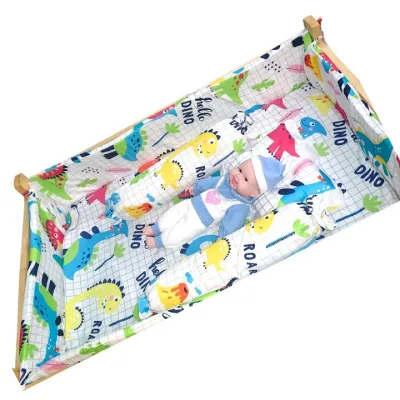
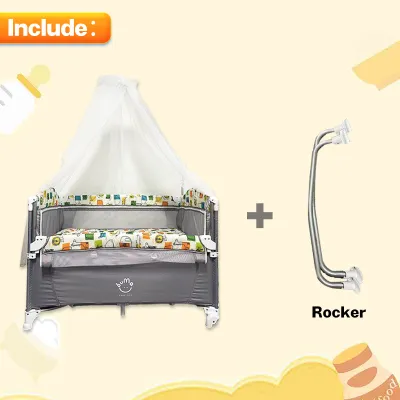
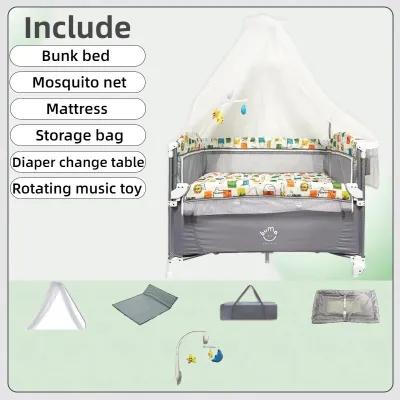
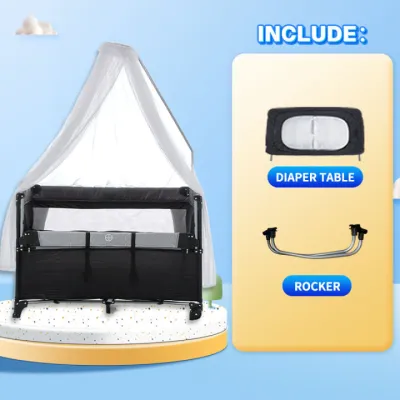
Prices are valid at publication and may change. Please refer to the product page for the latest price.
Beyond slat spacing, the overall finish of the materials must be meticulously examined. Run your hands along all surfaces, corners, and edges to check for rough spots, splinters, or sharp protrusions. In the warm and humid Philippine climate, low-quality wood can splinter more easily, and poorly applied paint may bubble or peel. Ensure that the manufacturer uses certified non-toxic, lead-free paints and varnishes, as infants frequently chew on crib rails when teething. Additionally, avoid cribs with decorative cutouts in the headboard or footboard, as these design elements can trap a baby’s head or limbs.
To verify the overall stability of the frame, perform a physical shake test before finalizing your purchase. Assemble the crib or inspect a fully assembled display model, then apply gentle but firm pressure to the top rails from different angles. The structure should feel completely rigid, without any wobbling, swaying, or creaking at the joints. A crib that flexes or shakes under minor pressure is highly susceptible to structural failure over time, especially as your baby grows more active and begins to stand, bounce, or pull themselves up against the rails.
Mattress Fit and Bedding Safety
A secure frame is only effective if it is paired with a properly fitting mattress. Gaps between the mattress and the crib sides pose a severe suffocation and entrapment hazard for infants who may roll over and become wedged in the space. To verify a safe fit, parents should use the “two-finger rule” during assembly. If you can insert more than two fingers between the edge of the mattress and the inner frame of the crib, the mattress is too small and must be replaced with a larger, snug-fitting model.

Mattress firmness is another non-negotiable safety feature that directly impacts infant health. When shopping, press your hand firmly into the center and along the edges of the mattress. A safe baby mattress must feel exceptionally firm and should snap back to its original shape immediately when you release the pressure. Soft mattresses or memory foam surfaces that conform to the baby’s head shape can restrict breathing if the infant rolls onto their stomach. In tropical environments, look for breathable, hypoallergenic mattress covers that resist moisture buildup, which helps prevent the growth of mold and mildew.
Maintaining a clear sleep space inside the crib is just as important as selecting the right mattress. While it may be tempting to decorate the krib for baby with matching pillows, thick blankets, stuffed toys, and fabric bumper pads, these items are major safety hazards. Soft bedding can easily cover a baby’s face, leading to suffocation or overheating in warm Philippine weather. Keep the crib completely bare, using only a tight, fitted sheet over the mattress, and dress your baby in a lightweight, breathable sleep sack suitable for the local room temperature.
Adjustability, Moving Parts, and Hardware
As babies develop, their physical capabilities change rapidly, meaning a safe crib must adapt to their growth stages. Most modern cribs feature adjustable mattress heights, allowing parents to lower the sleeping surface as the child learns to sit and stand. When evaluating these adjustment mechanisms, ensure they require tools or a complex, multi-step physical action to operate. This design prevents older, curious infants from accidentally releasing the locks or lowering the mattress themselves from inside the crib.
One crucial safety rule that all parents must follow is the complete avoidance of drop-side cribs. Drop-side cribs, which feature a side rail that slides down to make accessing the baby easier, have been linked to numerous fatal accidents worldwide due to hardware failures. The moving parts can warp, break, or detach, creating a dangerous gap where a baby can become trapped and suffocate. Although some older or imported models may still circulate on second-hand platforms, they do not meet modern safety standards and should never be used.
The quality of the hardware holding the crib together requires close inspection during assembly and regular maintenance checks. Ensure that all screws, bolts, brackets, and wooden dowels are present, undamaged, and fit tightly into their designated slots. Loose or stripped hardware can cause the crib frame to sag or separate, creating structural instability. Because high humidity in the Philippines can accelerate the corrosion of metal components, opt for high-quality, rust-resistant hardware and periodically inspect the joints to ensure everything remains securely fastened.
Verifying Safety Certifications and Product Labels
With many cribs imported from various global manufacturers, relying solely on online product descriptions or marketing claims is not sufficient to guarantee safety. Parents should actively look for physical certification labels printed directly on the crib frame, the packaging, or verified in the official product documentation. Look for recognized international safety standards, such as those from ASTM International (American Society for Testing and Materials) or European safety standards (EN), which indicate the product has undergone rigorous physical testing.
Every reputable krib for baby must come with clear manufacturer guidelines regarding age, weight, and developmental limits. These specifications outline the maximum capacity the crib can safely support and indicate when the child has outgrown the space. Reading and adhering to these limits is essential, as using a crib beyond its intended capacity can stress the structural joints and lead to sudden collapse. Always keep the manufacturer’s manual accessible for future reference, especially if you plan to disassemble and reassemble the crib later.
A safe product will also include comprehensive, easy-to-follow assembly instructions and highly visible warning labels. These labels are often permanently attached to the crib’s headboard or mattress support, serving as constant reminders of safe sleep practices and proper usage. If a crib arrives with missing instructions, poorly translated steps, or no safety warnings, it may indicate a lack of quality control. In such cases, contact the manufacturer directly or consult a professional before attempting to assemble or use the furniture.
Evaluating Second-Hand or Hand-Me-Down Cribs
Accepting a hand-me-down crib or purchasing a pre-loved model can be a practical way to manage nursery expenses, but it requires an incredibly strict inspection protocol. Older cribs may have been painted with lead-based finishes, which pose severe neurological risks to infants who chew on the rails. If you are considering a second-hand wooden crib, inspect the paint thoroughly for any signs of peeling, cracking, or chipping, and verify the age of the crib to ensure it complies with modern non-toxic material standards.
Physical wear and tear from previous use can compromise the structural integrity of a pre-owned crib. Inspect the wood for deep cracks, splintering, or signs of water damage, which can weaken the frame’s load-bearing capacity. It is also common for second-hand furniture to have missing hardware. Never attempt to assemble a baby crib using mismatched screws, nails, or improvised brackets from a local hardware store, as these temporary fixes cannot guarantee the structural stability required to keep an infant safe.
Before accepting or buying any used krib for baby, always conduct a thorough online search using the brand name, model number, and manufacture date. This step allows you to verify whether the specific model has ever been subject to a safety recall due to design flaws or manufacturing defects. If the model has been recalled, or if you cannot find the original manufacturer’s instructions and model details online, do not use the crib. The potential risks to your baby’s safety far outweigh any financial savings.
Frequently Asked Questions (FAQ)
Is it safe to use a crib tent or canopy for decoration?
No, child safety experts strongly discourage the use of crib tents, canopies, or any overhead drapery. While these accessories may look aesthetically pleasing in a nursery, they present significant strangulation and suffocation hazards. A curious baby can easily reach up, pull the fabric down into the crib, and become tangled in the material. Additionally, crib tents designed to prevent toddlers from climbing out can pose entrapment risks if the fabric tears or the zippers fail, making them unsafe for unsupervised sleep.
When should I transition my baby out of the crib?
You should transition your baby out of the crib when they reach certain physical or developmental milestones, or when they outgrow the manufacturer’s specified limits. A key sign is when your child begins attempting to climb out of the crib, or when they reach a height of 35 inches (about 89 centimeters), as they can easily fall over the top rail. When these milestones are met, it is time to transition them to a toddler bed or a safe floor bed to prevent fall-related injuries.
Community discussion
Share your experience or ask a question. Comments are reviewed before publication.