
Selecting a newborn car seat is one of the most critical safety decisions you will make before bringing your baby home. To ensure your infant is fully protected during travel, you must look beyond aesthetic designs and focus on verified safety certifications, robust physical protection features, and a secure fit within your vehicle. A high-quality infant car seat must feature a rear-facing design, a secure five-point harness, energy-absorbing materials, and clear compliance labels proving it has undergone rigorous crash testing. By understanding how to inspect these features, you can confidently choose a seat that safeguards your baby on every journey.
Understanding Car Seat Safety Certifications and Labels
In the Philippines, infant car seats are regulated to ensure they meet strict crash-test standards before they can be legally sold or used. Under the Child Safety in Motor Vehicles Act, all child restraint systems must bear official certification marks. When shopping for a newborn car seat, your first step should be to locate the physical Import Commodity Clearance (ICC) sticker or the Philippine Standard (PS) mark on the seat’s shell. These stickers are typically placed on the back or underside of the plastic frame, alongside a tracking number that you can verify with the Department of Trade and Industry (DTI).
Reputable car seats also carry international certification labels. The most widely recognized standards include the United Nations Economic Commission for Europe (UN ECE) regulations, specifically UN ECE R44/04 or the newer UN ECE R129 (i-Size). You may also encounter Federal Motor Vehicle Safety Standard 213 (FMVSS 213) labels on North American seats. These labels are usually color-coded—often orange for European standards—and detail the certified weight and height brackets.
Products mentioned in this guide
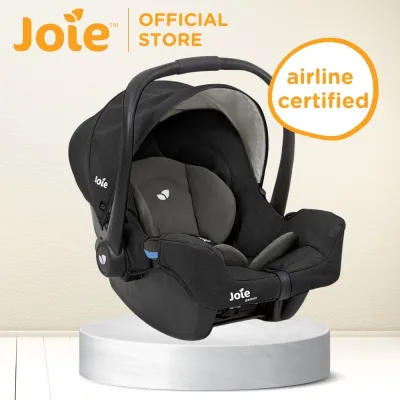
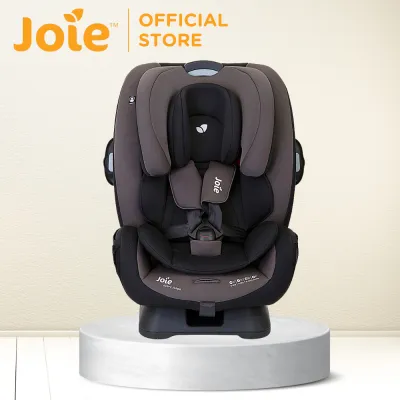
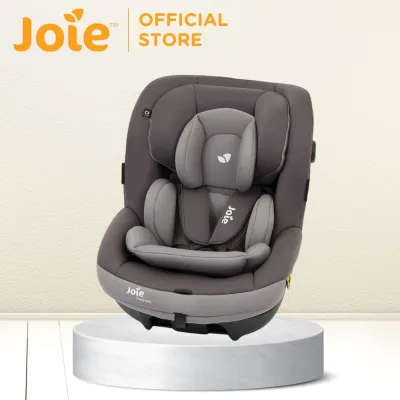
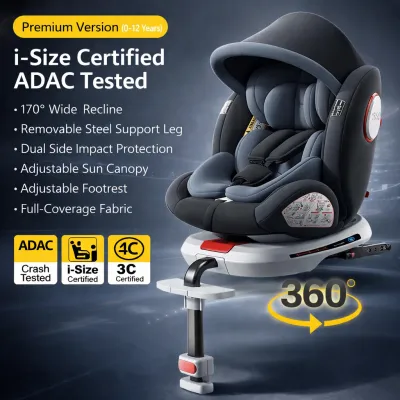
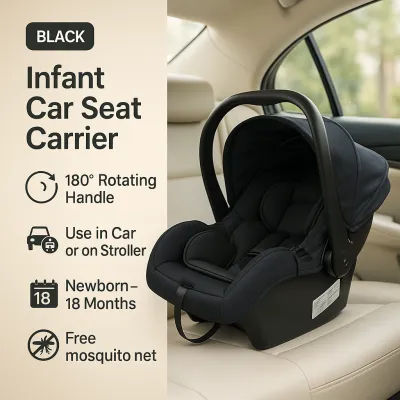

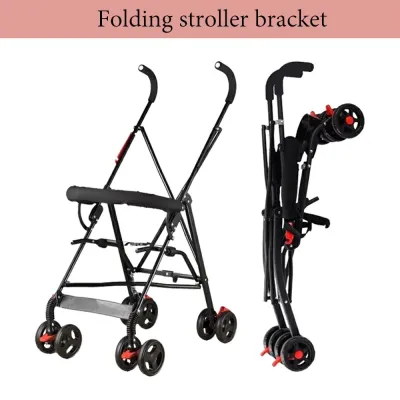

Prices are valid at publication and may change. Please refer to the product page for the latest price.
It is vital to distinguish between these official, legally mandated certifications and optional marketing claims. Manufacturers frequently advertise proprietary terms like “side-impact tested” or “advanced crash protection.” While these features may offer additional peace of mind, they are often self-tested by the brand rather than verified by an independent regulatory body. Always prioritize seats that clearly display official government or international testing badges over unverified marketing slogans. Before purchasing, cross-reference the model number on the manufacturer’s official website to confirm that the certification is active and has not been compromised by a recent product recall.
Must-Have Physical Safety Features for Newborns
Newborns have fragile skeletal structures, weak neck muscles, and relatively heavy heads, making them highly vulnerable to injury during sudden stops or collisions. For this reason, a newborn car seat must be designed exclusively for rear-facing use. Riding rear-facing supports the baby’s head, neck, and spine, distributing the force of an impact across the entire back of the seat shell. When evaluating a seat, check the manufacturer’s documentation to verify the exact minimum and maximum weight and height limits, ensuring they accommodate a newborn starting from birth (typically around 2 to 3 kilograms).

The structural integrity of the car seat shell is another critical line of defense. High-quality seats utilize a rigid outer frame—sometimes reinforced with steel—and thick layers of energy-absorbing materials. Look for expanded polystyrene (EPS) or expanded polypropylene (EPP) foam lining the interior of the shell. This specialized foam compresses to absorb impact forces before they reach your baby. Avoid seats relying solely on thin plastic shells and soft fabric padding, as these lack adequate structural protection.
Harness Systems and Buckles
A five-point harness is the gold standard for securing a newborn. This system features five points of contact: two at the shoulders, two at the hips, and one at the crotch buckle. In a collision, the harness distributes crash forces across the strongest parts of the baby’s body—the shoulders and pelvis—while preventing ejection. When inspecting a seat, trace the harness straps to ensure they route smoothly through the back of the shell without twisting.
For a newborn, the harness straps must emerge from slots at or slightly below the shoulders when rear-facing. Check if the seat features an adjustable harness system to change strap height easily as your baby grows. The chest clip must be positioned at armpit level to keep straps secure. Additionally, evaluate the crotch buckle; it should be easy for a caregiver to release with a firm press, yet stiff enough to prevent a child from undoing it. Padded strap covers are beneficial in a tropical climate, preventing webbing from chafing against delicate skin during hot, humid drives.
Side-Impact Protection and Head Support
Side-impact collisions are highly dangerous because very little vehicle structure absorbs the impact before it reaches the cabin. To protect your newborn’s head and torso, look for deep side wings lined with energy-absorbing foam. These wings act as a protective barrier, shielding the baby from intruding vehicle parts and limiting lateral head movement. Some modern seats also feature external side-impact pods that deploy toward the vehicle door to absorb initial crash energy.
Newborns lack the muscle control to keep their heads upright, which can lead to head slump—a dangerous condition where the chin drops to the chest, potentially restricting the baby’s airway. To prevent this, verify that the car seat includes a supportive, removable head insert specifically designed for infants. This insert should cradle the sides of the head without pushing it forward. Ensure that any included inserts are original accessories tested and approved by the manufacturer for that specific car seat model, as aftermarket inserts can interfere with the harness’s ability to tighten correctly.
Proper Fit and Installation Indicators
Even the most advanced car seat cannot protect your baby if installed incorrectly. Determine whether your vehicle is compatible with ISOFIX anchor points or if you must rely on a seat belt installation. ISOFIX allows you to clip the car seat base directly into dedicated anchor points welded into your car’s chassis, reducing installation errors. If your vehicle lacks ISOFIX, verify that the seat is certified for installation using a standard three-point seat belt, and study the belt routing paths marked on the shell.
Achieving the correct recline angle is vital for a newborn’s safety. Because infants cannot support their own heads, the car seat must be reclined at a precise angle to keep their airways open. Most high-quality seats feature built-in angle indicators, such as bubble levels, color-coded gravity lines, or digital sensors, to guide you during installation. In the tropical climate of the Philippines, where heavy rains and uneven road conditions are common, ensuring a stable, correctly angled installation prevents the seat from shifting during sudden maneuvers.
To evaluate the security of the installation, perform the “one-inch test.” Grab the car seat at the belt path or ISOFIX connection point and pull firmly in all directions. The seat should not move more than one inch (2.5 centimeters) in any direction. If the seat slides or tilts excessively, you must adjust the tension or consult the vehicle manual. Many parents find that built-in belt-tensioning clamps or lock-offs make it much easier to achieve a secure fit with minimal physical effort.
Red Flags and When to Walk Away
When shopping for a newborn car seat, certain warning signs should prompt you to immediately stop the purchase. The most obvious red flag is the absence of official compliance labels, such as the ICC, PS, or UN ECE stickers. If a seller cannot provide proof of certification, or if the labels look altered or peeling, do not buy the seat. Similarly, avoid seats with vague, poorly translated, or missing instruction manuals, as proper installation requires clear guidance.
Another critical factor is the car seat’s expiration date. Over time, the plastic shell degrades due to exposure to extreme heat and humidity—conditions that are particularly intense in parked vehicles in the Philippines. Most manufacturers print or mold the manufacture and expiration dates directly into the plastic on the back or bottom of the seat. A car seat typically expires six to ten years after its manufacture date. Never use an expired seat, as the degraded plastic may fail under crash forces.
Finally, steer clear of any seat showing signs of previous use, structural wear, or unauthorized modifications. Hairline cracks in the plastic, frayed harness webbing, rusted metal parts, or missing components indicate that the seat’s structural integrity is compromised. If you encounter these red flags, or if you are unsure about a seat’s history, walk away. Your baby’s safety is paramount; if in doubt, consult a certified Child Passenger Safety Technician (CPST) or contact the manufacturer to verify the product’s safety status.
Frequently Asked Questions (FAQ)
Can I use a second-hand car seat for my newborn?
Using a second-hand car seat for a newborn is highly discouraged unless you can verify its complete history with absolute certainty. Car seats are designed to protect a child through a single crash; even a minor fender bender can cause invisible hairline cracks or internal structural damage that compromises its safety in a future collision. If you do not personally know the previous owner and cannot guarantee that the seat has never been in an accident, has all its original parts, is well within its expiration date, and has never been recalled, it is safest to purchase a new seat.
When should I transition my newborn to a larger car seat?
You should transition your baby to a larger car seat, such as a convertible car seat, once they outgrow either the maximum weight or height limit specified by the infant car seat manufacturer. Always refer to the product label for these exact limits. A common physical sign that your baby has outgrown the infant seat is when the top of their head is less than one inch (2.5 centimeters) below the top edge of the car seat shell, or if their shoulders sit above the highest harness slot. Do not rush the transition; keeping your child rear-facing for as long as possible within the seat’s limits provides the best protection for their developing body.
Community discussion
Share your experience or ask a question. Comments are reviewed before publication.