
Selecting a baby bedding set is one of the most exciting parts of preparing a nursery, but it requires prioritizing safety over aesthetics. A safe infant sleep environment must always be firm, flat, and free of loose items that could obstruct breathing. While beautifully coordinated sets with matching pillows, quilts, and bumpers are widely available in online marketplaces, many of these components are unsafe for newborns. To protect your baby, you must look past decorative appeal and carefully evaluate the physical design, fabric properties, and structural integrity of every piece that enters the crib.
Understanding Safe Sleep Principles for Infant Bedding
The foundation of safe infant sleep is a firm, flat surface covered only by a tight-fitting sheet. Pediatric health guidelines globally emphasize that babies must sleep on their backs on a surface that does not indent under the weight of their head. Soft surfaces can conform to an infant’s face, creating a pocket that traps exhaled carbon dioxide or physically blocks their airway. When shopping for bedding, the primary goal is to maintain this flat, unobstructed plane.
Loose, overly soft, or heavy bedding items pose severe risks to infants because young babies lack the motor skills and strength to rescue themselves if their airway becomes covered. A heavy blanket, a plush comforter, or even a loose sheet can easily shift over a baby’s face during sleep. In tropical climates where nighttime temperatures and humidity remain high, heavy layers also increase the risk of overheating, which is a known stress factor for sleeping infants.
Products mentioned in this guide
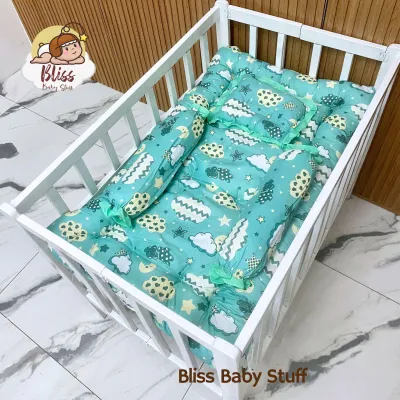
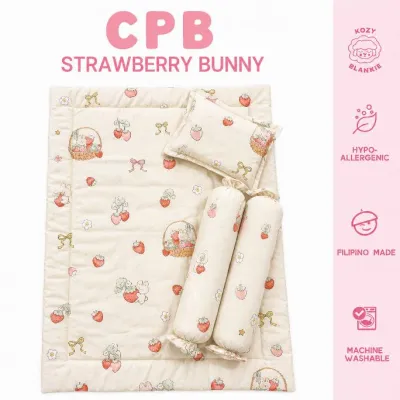
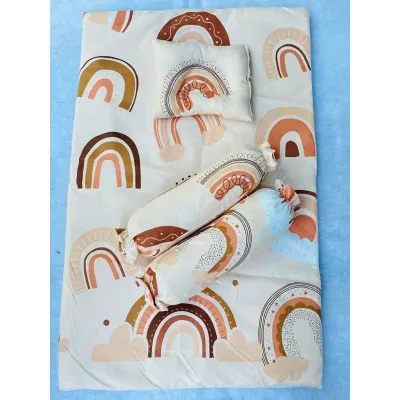
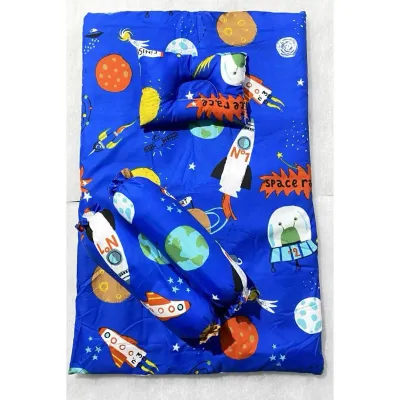
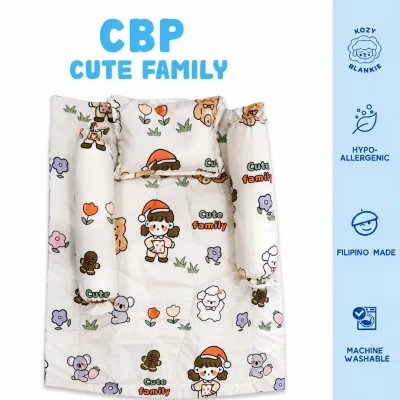
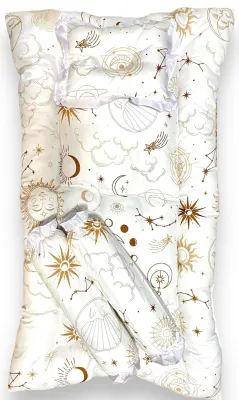
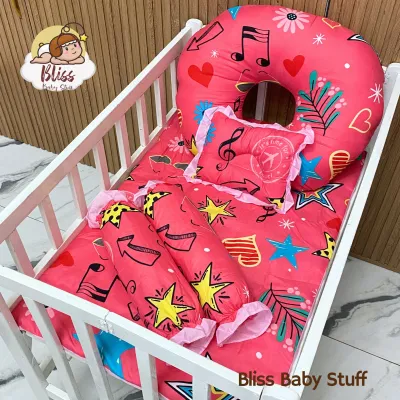
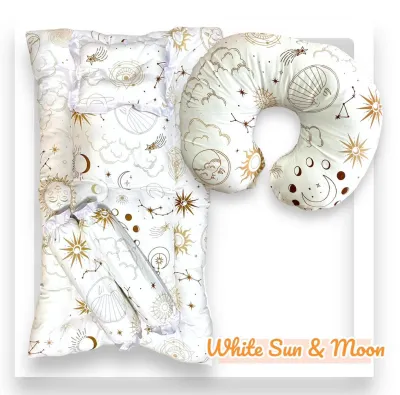
Prices are valid at publication and may change. Please refer to the product page for the latest price.
A bare sleep space is the safest setup for the first year of life. Parents should resist the temptation to introduce decorative pillows, quilts, or soft toys into the crib, regardless of how they are packaged or marketed. Transitioning to specific, approved bedding items like a light toddler blanket should only occur when the child reaches the age and developmental milestones specified by pediatric authorities, typically after twelve months. Until then, a wearable blanket or sleep sack is a much safer alternative to traditional loose blankets.
Evaluating Fabric and Material Safety on Product Labels
When examining a baby bedding set, the product label is your first line of defense. In warm, humid environments, breathability is a critical safety feature. Look for labels that specify lightweight, natural fibers such as 100% cotton or bamboo-derived fabrics, which allow air to circulate freely and help regulate your baby’s body temperature. High breathability prevents sweat buildup and reduces the risk of heat rash and dangerous overheating during warm tropical nights.

It is equally important to verify that all dyes, prints, and chemical finishes used on the bedding are non-toxic and safe for sensitive infant skin. Babies frequently chew on their sheets or press their faces directly against the fabric, making chemical safety a paramount concern. Check the manufacturer’s specifications for recognized textile safety standards, which indicate the fabric has been tested for harmful substances like formaldehyde, heavy metals, and flame retardants. Avoid fabrics treated with harsh synthetic finishes or strong chemical water-repellents.
Beyond chemical composition, you must physically assess the tightness of the fabric weave. A loose weave, such as certain decorative knits or low-quality muslins, can pose a physical hazard. Tiny fingers and toes can easily become caught in loose threads or open loops, potentially cutting off circulation or causing distress. Opt for tightly woven fabrics like percale or sateen cotton, which offer a smooth, durable surface that resists snagging even after multiple trips through the washing machine.
Identifying Physical Design and Structural Hazards
Many commercial bedding sets include decorative elements that present serious physical hazards. When evaluating a set, immediately reject any items that feature long ties, loose ribbons, decorative bows, or hanging cords. While these details may look charming in product photos, they are major strangulation and entanglement hazards. If a sheet or accessory has ties meant to secure it to the crib slats, ensure they are short, securely stitched, and cannot be pulled loose by an active baby.
Buttons, beads, sequins, and other detachable decorative elements are also highly dangerous. These small parts can easily detach under tension or after repeated washings, presenting an immediate choking hazard if your baby finds them. Examine any zippers on sleep sacks or removable mattress covers. The zipper must be sturdy, glide smoothly, and feature a secure fabric guard or “zipper garage” at the top to prevent the metal pull from scratching your baby’s delicate skin or catching on their clothing.
The structural integrity of the seams is another critical check. Turn the bedding inside out to inspect the stitching. Safe baby bedding must feature flat, reinforced seams with high stitch density. Loose or poorly constructed seams can unravel during sleep or washing, releasing long, strong threads that can wrap around an infant’s fingers, toes, or neck. If you notice frayed edges, loose loops, or weak stitching, the item is not safe for crib use.
Verifying Age, Fit, and Manufacturer Usage Guidelines
Before purchasing any baby bedding set, you must carefully read the manufacturer’s packaging to locate age, weight, and developmental stage recommendations. Bedding manufacturers design products for specific developmental phases, and using an item too early can compromise safety. For example, sleep sacks are often categorized by weight and height to ensure the neck opening is not so large that the baby’s head can slip inside the bag. Never rely solely on a product’s aesthetic appeal; always verify that your child fits within the specified safety parameters.
A perfect fit is non-negotiable when it comes to crib sheets. You must verify the exact dimensions of your crib mattress before buying a bedding set. Standard crib mattresses usually measure around 71 cm by 132 cm, but slight variations exist, especially with imported cribs or custom playpens. A fitted sheet that is even slightly too large can bunch up and create dangerous folds of loose fabric, while a sheet that is too small can pull the corners of the mattress upward, creating gaps along the sides where a baby could become trapped.
Finally, review the manufacturer’s care and washing instructions to understand how maintenance will affect the bedding over time. Baby bedding requires frequent washing at high temperatures to maintain hygiene, especially in humid climates where mold and dust mites thrive. Ensure the fabric is rated for regular machine washing and tumble drying without shrinking, warping, or losing its elastic tension. If a sheet requires delicate hand-washing or air-drying to maintain its shape, it may not be practical or safe for long-term daily use.
Installing and Maintaining the Bedding for Ongoing Safety
Ensuring a safe sleep environment does not end at the checkout counter; proper installation and ongoing maintenance are vital. When putting a fitted sheet on the mattress, pull it taut over all four corners and tuck any excess fabric underneath. Perform a physical pull test by tugging on the center of the sheet to ensure it does not easily snap off the corners or create loose pockets of fabric. If the sheet slips or bunches when pulled, do not use it.
Keep the sleep environment strictly clear of unapproved items. Even if a bedding set comes with a matching quilt, pillow, and stuffed animal, these items must be kept out of the crib during sleep times. Use the quilt as a play mat on the floor for supervised tummy time instead. The only items that belong in the crib are a firm mattress, a waterproof mattress protector, and a tightly fitted sheet, with the baby dressed in a suitable sleep sack if additional warmth is needed.
Establish a routine inspection schedule to check the condition of your baby’s bedding after every wash. Over time, exposure to hot water, detergents, and tropical humidity can degrade elastic bands, weaken seams, and thin out fabrics. Inspect the corners of fitted sheets to ensure the elastic remains strong and snappy. Look for any signs of seam splitting, fabric thinning, or pilling, and immediately retire any bedding that shows wear to prevent structural failures while your baby is sleeping.
Frequently Asked Questions (FAQ)
Are crib bumpers ever considered safe for older infants?
No, crib bumpers are not considered safe for infants of any age. Pediatric health organizations and safety advocates strongly advise against using padded bumpers, mesh liners, or bumper-like accessories in cribs. Padded bumpers pose a significant risk of suffocation and entrapment if an infant rolls against them, and they can also restrict airflow within the crib, contributing to overheating. Furthermore, once older infants learn to pull themselves up to a standing position, they can use crib bumpers as a step to climb or fall out of the crib. To protect your baby’s limbs from slipping between the slats, ensure your crib meets standard slat-spacing guidelines (no more than 6 centimeters apart) rather than adding dangerous padding.
How can I tell if a fitted sheet is too loose for the mattress?
You can determine if a fitted sheet is too loose by performing a simple physical tension test. After fitting the sheet onto the mattress, slide your hand flat across the center and try to pinch the fabric between your thumb and forefinger. If you can easily lift a fold of fabric more than a centimeter off the mattress, the sheet is too loose and poses a suffocation risk. Additionally, observe the corners of the mattress; if the sheet causes the mattress to curl upward or if the sheet corners slip off when you apply light pressure, the elastic is either worn out or the sheet is the wrong size. Any sheet showing signs of loose elastic or fabric bunching must be replaced immediately.
Community discussion
Share your experience or ask a question. Comments are reviewed before publication.