
Preparing for the arrival of a new baby involves assembling cribs, washing tiny clothes, and packing diaper bags. However, one of the most critical aspects of preparation is often the most overlooked: your own postpartum recovery. After a vaginal delivery, your perineum—the sensitive area of tissue between your vaginal opening and anus—will require dedicated care to heal from stretching, bruising, or potential tearing.
Navigating this recovery requires a practical, targeted selection of perineal care products designed to manage swelling, maintain hygiene, and soothe healing tissue. In a tropical climate, high humidity and heat make proper postpartum hygiene even more critical. Excess moisture and sweat can exacerbate discomfort and increase the risk of irritation, making breathable, high-quality recovery essentials a necessity rather than a luxury. By understanding what your body needs and how to select the right tools, you can create a comfortable, stress-free healing environment at home.
Identifying Your Postpartum Perineal Care Needs
Postpartum perineal recovery is a dynamic process that evolves over several weeks, with your body’s requirements changing at each stage. Immediately after delivery, the primary challenges are acute swelling, intense tenderness, and heavy bleeding, known as lochia rubra. During these first few days, your focus will be on immediate pain relief, reducing inflammation, and keeping the area clean without causing further trauma to the sensitive tissues.
Products mentioned in this guide

Prices are valid at publication and may change. Please refer to the product page for the latest price.
As you transition into the second week, the acute swelling typically begins to subside, but you may experience new sensations. If you had stitches from a tear or an episiotomy, they may start to feel tight, itchy, or slightly pulled as the skin begins to knit back together. Your lochia will also change, becoming lighter in flow and color. During this phase, your care routine shifts from intense pain management to soothing ongoing irritation, preventing friction, and keeping the healing wound dry.
By the third week and beyond, your body enters the final stages of tissue remodeling. While the acute discomfort is largely gone, the area remains delicate and susceptible to chafing or sweat-induced irritation, especially during warm afternoons. Maintaining a consistent, gentle hygiene routine and protecting the area with breathable materials ensures that the final stages of healing progress smoothly without setbacks.
Building Your Perineal Care Kit: Essentials by Function
A successful postpartum recovery kit does not require buying every product on the market; instead, it relies on selecting high-quality items that serve specific, practical functions. When building your kit, prioritize products based on material safety, ease of use when your mobility is limited, and how well they manage hygiene. Understanding how these items complement each other across your recovery timeline will help you avoid unnecessary purchases while ensuring you have exactly what you need when you return home from the hospital.

Peri Bottles for Gentle Cleansing
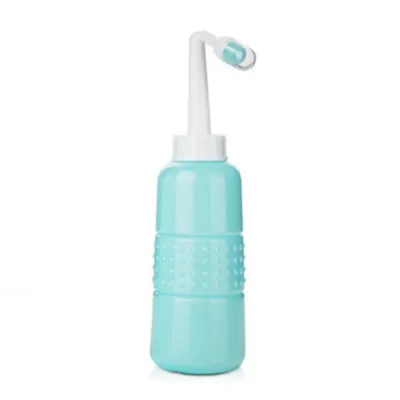
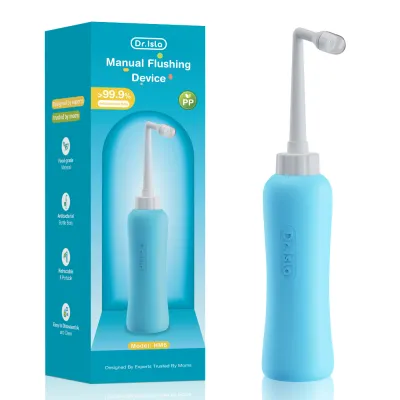
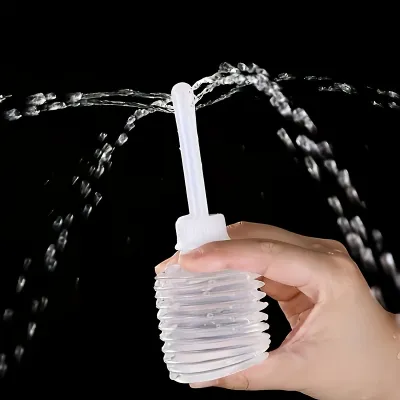
Wiping with standard toilet paper after a vaginal delivery is highly discouraged, as the friction can cause intense pain and potentially disrupt healing stitches. A perineal irrigation bottle, or peri bottle, is an indispensable tool that uses a gentle stream of water to cleanse the area after using the toilet. This touch-free cleansing method keeps the perineum clean while minimizing physical contact and irritation.
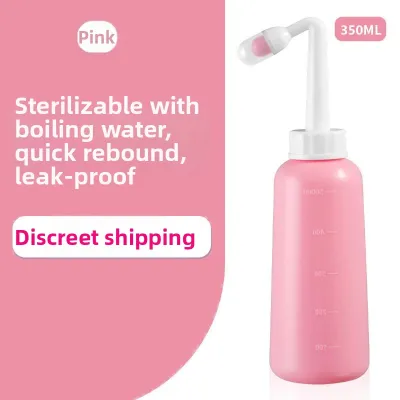
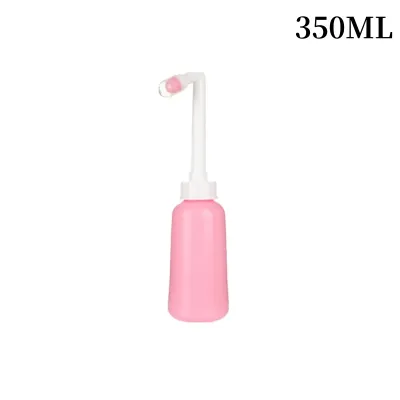
When selecting a peri bottle, look for an ergonomic design featuring an angled nozzle, which allows you to target the perineum easily while sitting upright on the toilet. Standard straight bottles often require you to reach awkwardly into the toilet bowl, which can be difficult and uncomfortable immediately after birth. An upside-down design with a nozzle angled between 60 and 120 degrees ensures a comfortable reach and precise water delivery.
Capacity and water flow control are also critical factors to evaluate. A bottle with a capacity of 300ml to 500ml is ideal, providing enough water for a thorough cleanse without requiring a mid-session refill. Additionally, choose a bottle made from flexible, BPA-free plastic that allows you to easily control the water pressure with a gentle squeeze. Ensure the bottle can be completely disassembled so you can wash and dry it thoroughly, preventing mold and bacterial growth in humid bathroom environments.
Soothing Sprays and Witch Hazel Pads
Topical soothing products provide targeted relief from the burning sensation that often accompanies urination and the general soreness of healing tissues. Witch hazel pads are round, pre-soaked cotton pads designed to be layered directly on top of your maternity pad, providing continuous, cooling contact with the perineum. Witch hazel acts as a natural astringent, helping to soothe swollen tissues and calm localized irritation.
When purchasing witch hazel pads, it is vital to review the ingredient list and verify that the formulation is completely alcohol-free. Alcohol is a common additive in many commercial witch hazel products, but applying it to open wounds, tears, or stitches will cause severe burning and delay healing. Look for hypoallergenic pads that include additional soothing botanicals, such as aloe vera or chamomile, and ensure they are free from synthetic fragrances.
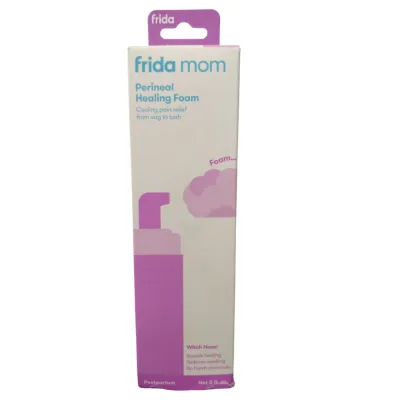
Soothing sprays offer a convenient, touch-free alternative for quick relief throughout the day. Look for a spray bottle designed with a multi-angle pump that can operate upside down, allowing for easy application without physical contact. The spray should deliver an ultra-fine mist to avoid any uncomfortable impact on tender skin. Avoid sprays containing artificial dyes, parabens, or highly concentrated essential oils, which can trigger allergic reactions or contact dermatitis on compromised skin.
Cold Packs and Ice Pads for Swelling Relief
Cold therapy is highly effective during the first 24 to 72 hours postpartum, as it constricts blood vessels to reduce swelling, minimize bruising, and temporarily numb acute nerve pain. You can choose between convenient, snap-activated instant cold packs and reusable, freezer-ready gel packs. Understanding the trade-offs between these options will help you decide which style fits your recovery setup best.
Snap-activated instant cold packs do not require refrigeration; instead, bending or squeezing the pack breaks an internal barrier, triggering a chemical reaction that cools the pad instantly. These are highly convenient for your hospital bag or the immediate transition home, as they provide instant relief without requiring you to leave your bed. However, they are single-use items, which can make them less cost-effective over a longer recovery period.
Reusable gel packs are slim, flexible inserts that you store in the freezer and place inside washable fabric sleeves. While they offer longer-lasting cold and are highly cost-effective, they require access to a freezer and diligent washing of the protective sleeves to maintain hygiene. Whichever option you choose, never apply a frozen pack directly to bare perineal skin; always use a soft, breathable fabric barrier and limit application to 15 or 20 minutes per session to protect the delicate tissue from ice burns.
Postpartum Pads and Underwear for Protection
Managing postpartum bleeding, or lochia, requires specialized hygiene products that offer high absorbency while protecting healing tissues from friction. Standard menstrual pads are rarely sufficient for the heavy flow of the first two weeks, and using tampons or menstrual cups is strictly prohibited during this time due to the high risk of introducing bacteria into the healing uterus.
When choosing maternity pads, prioritize ultra-long, highly absorbent options specifically designed for postpartum use. In a warm, tropical climate, the material of the pad’s top sheet is incredibly important. Avoid pads with synthetic, plastic-like top sheets, which trap heat and sweat against your skin, creating a breeding ground for bacteria and causing painful chafing. Instead, look for pads with a 100% organic cotton top sheet that promotes breathability and keeps the area dry.
Your choice of underwear also plays a significant role in your comfort and hygiene. Disposable mesh or microfiber underwear is highly recommended for the first week, as it is extremely stretchy, breathable, and holds bulky pads securely in place without putting pressure on your abdomen. If you prefer reusable options, select high-waisted, seamless cotton briefs. Ensure the waistband sits high above your hips, which is particularly beneficial if you undergo an unplanned Cesarean delivery, as it prevents irritation along the incision line.
Preparing Your Hospital Bag: What to Buy and What to Skip
Preparing your postpartum recovery kit before your due date helps reduce stress, but it is important to plan your purchases strategically to avoid overspending on items you may not use. Specialized postpartum recovery products can be expensive, with complete kits often ranging from ₱1,500 to ₱4,000. By taking a few practical steps, you can build an efficient kit that fits your budget and actual recovery needs.
First, contact your hospital or birthing center to ask for a detailed list of the postpartum supplies they provide. Many maternity facilities in the Philippines include basic recovery items, such as standard maternity pads, disposable underwear, and a basic straight peri bottle, in their delivery packages. Knowing what is already provided allows you to focus your budget on upgrading specific items, such as purchasing an ergonomic, angled peri bottle or high-quality, alcohol-free witch hazel pads.
Next, organize your supplies into two distinct stages: your immediate hospital stay and your recovery at home. For your hospital bag, pack only what you need for the first three days, including your angled peri bottle, a few instant cold packs, a pack of heavy-duty maternity pads, and several pairs of disposable underwear. Keep the rest of your supplies, such as reusable gel packs, soothing sprays, and lighter breathable pads, organized at home so they are ready for your return.
Finally, avoid the temptation to over-purchase specialized items in bulk. Your body’s needs will change rapidly as you heal, and you may find that you only need heavy maternity pads or cold packs for a few days before transitioning to lighter, standard products. Start by purchasing enough supplies for the first two weeks of recovery; if you find you need more, you can easily order additional items through local online marketplaces or have a family member purchase them from a nearby pharmacy.
Safe Usage Boundaries and Warning Signs
While over-the-counter perineal care products are excellent for managing discomfort, they must be used safely to support, rather than hinder, your body’s natural healing process. Always adhere strictly to the manufacturer’s instructions and any specific guidelines provided by your obstetrician. Avoid applying medicated sprays, creams, or pads more frequently than recommended, as excessive use can irritate sensitive tissues and delay recovery.
Do not use unapproved home remedies, DIY herbal preparations, or concentrated essential oils on your perineum. Healing tissues are highly sensitive, and applying untested substances can disrupt the natural pH of the vaginal area, cause chemical burns, or introduce harmful bacteria into healing wounds. Stick to clean, lukewarm water for cleansing and doctor-approved, hypoallergenic products for soothing relief.
It is essential to monitor your healing progress daily and remain vigilant for any signs of complications. While mild swelling, soreness, and a dull ache are normal parts of the recovery process, you should contact your healthcare provider or visit your clinic immediately if you experience any of the following warning signs:
- Foul-smelling or unusually heavy vaginal discharge that saturates a pad in less than an hour.
- Worsening perineal pain that is not relieved by prescribed pain medication or cold therapy.
- Increasing redness, warmth, swelling, or pus draining from your stitches or tear site.
- Stitches that feel like they have pulled apart, opened, or become loose.
- A fever of 38°C (100.4°F) or higher, or sudden chills and flu-like symptoms.
- Difficulty urinating, a burning sensation during urination that worsens over time, or an inability to empty your bladder.
Frequently Asked Questions (FAQ)
Can I use regular body wash on my perineum after delivery?
No, you should avoid using regular body washes, scented soaps, or bubble baths on your perineum during the early weeks of postpartum recovery. These products often contain synthetic fragrances, sulfates, and harsh surfactants that can dry out sensitive tissues, sting healing wounds, and cause severe irritation. Instead, use plain, lukewarm water delivered via your peri bottle to cleanse the area. If you feel a cleanser is necessary, consult your doctor for a recommendation on a mild, fragrance-free, pH-balanced intimate wash, and use it sparingly on external areas only.
How long should I use a peri bottle and ice packs?
The duration of use depends on your individual comfort and healing progress. Generally, you should use a peri bottle after every toilet visit for the first 1 to 2 weeks, or until your lochia lightens significantly and any perineal tears or stitches have fully closed. Ice packs are most beneficial during the first 24 to 72 hours postpartum when acute swelling is at its peak. After the third day, you can continue to use cold therapy occasionally for targeted pain relief, but it is typically no longer needed as a continuous treatment.
Are numbing sprays safe for breastfeeding mothers?
Many topical numbing sprays contain active ingredients like lidocaine to temporarily relieve perineal pain. While topical absorption through the skin is generally low, some active ingredients can still enter your bloodstream and potentially transfer to breast milk. Therefore, you must consult your obstetrician or pediatrician before applying any medicated numbing sprays or creams. Always check the product label for active ingredients and choose formulations that are explicitly cleared for use by lactating mothers.
Community discussion
Share your experience or ask a question. Comments are reviewed before publication.