
Essential oil bracelets are generally not recommended for babies and infants due to significant risks of skin irritation, respiratory distress, and choking hazards. While the threat of dengue during the rainy season in the Philippines makes mosquito protection a top priority for parents, these aromatic accessories do not provide reliable protection against disease-carrying vectors and can introduce unnecessary health risks to a developing child.
In tropical climates where high humidity and heavy rainfall create ideal breeding grounds for mosquitoes, finding safe preventative measures is crucial. However, the delicate nature of infant skin and respiratory systems requires a highly cautious approach to any product containing concentrated plant extracts. Understanding the limitations and potential dangers of these bracelets is the first step in keeping your baby truly safe.
Understanding How Essential Oil Bracelets Work and Basic Safety
Essential oil bracelets typically consist of a silicone, fabric, or plastic band containing a pellet, patch, or chamber infused with concentrated plant extracts. These products rely on ambient diffusion, which means they release volatile organic compounds into the surrounding air to mask the human scents that naturally attract mosquitoes. Unlike topical repellents, they are designed to create a small, localized zone of fragrance around the wearer.
Products mentioned in this guide
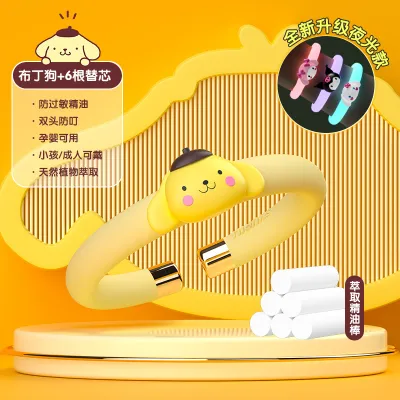
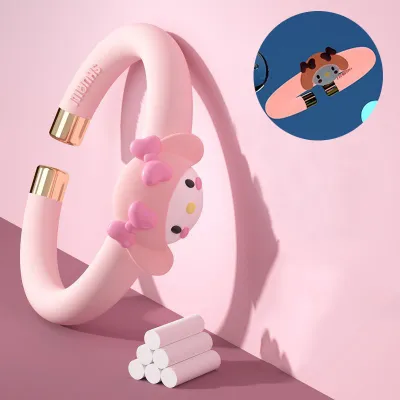
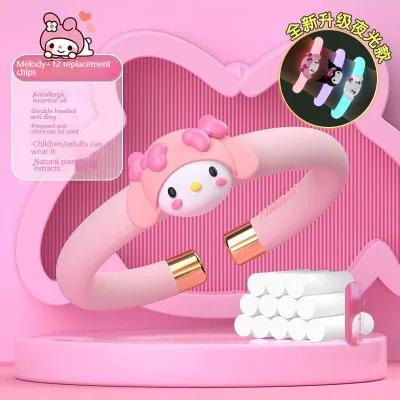
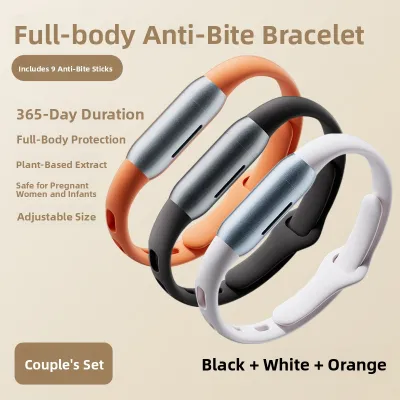
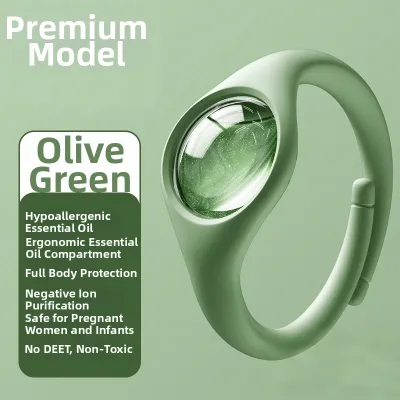
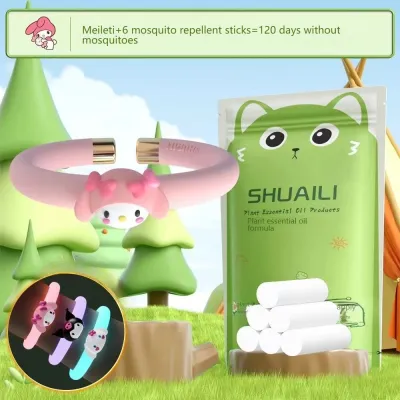
Prices are valid at publication and may change. Please refer to the product page for the latest price.
Even when a manufacturer claims a bracelet does not require direct skin contact, the accessory still sits in close proximity to the baby’s body. The concentration of oils in these products can be remarkably high to ensure the scent lasts for days or weeks. Because the vapor is constantly emitted near the child, the baby is continuously exposed to these concentrated chemical compounds through both inhalation and occasional skin contact.
Many parents mistakenly assume that terms like “natural,” “organic,” or “plant-based” automatically mean a product is safe for infant skin and developing respiratory systems. In reality, natural botanical extracts are complex mixtures of chemical compounds that can be highly irritating. For a baby’s immature biological systems, these natural substances can trigger adverse reactions just as easily as synthetic chemicals if they are misused or highly concentrated.
When evaluating these products, parents must carefully read the ingredient lists to identify the specific essential oils and carrier materials used. Reputable brands should clearly list every active and inactive ingredient, including the specific botanical names of the oils. If a product label only lists vague terms like “natural fragrance” or “essential oil blend,” or if the packaging lacks clear ingredient disclosures, it is best to avoid using it around your child.
Key Health Risks and Skin Sensitivity Concerns for Babies
Infant skin is structurally different from adult skin, as it is much thinner, more permeable, and has a less developed protective barrier. If an essential oil bracelet rubs directly against a baby’s delicate skin, or if the baby touches the band and then rubs their eyes, it can cause contact dermatitis. This condition often manifests as localized redness, swelling, dry patches, or itchy hives that can cause significant discomfort.

Respiratory irritation is another major concern when exposing young children to concentrated volatile organic compounds. In enclosed spaces common in baby care—such as strollers with rain covers, cribs, or small, air-conditioned bedrooms—the vapors from essential oils can accumulate rapidly. Inhaling these concentrated fumes can irritate a baby’s sensitive airway, potentially triggering coughing fits, nasal congestion, or wheezing.
Beyond skin and respiratory risks, wearable accessories present physical hazards for infants and toddlers who naturally explore their environment by putting objects in their mouths. If a bracelet snaps, or if an oil-infused pellet or bead comes loose, it becomes an immediate choking hazard. Sucking on the bracelet can also lead to the direct ingestion of toxic essential oils, which can cause severe poisoning even in very small quantities.
Age Restrictions and Pediatric Guidelines to Check Before Use
Before purchasing any mosquito protection accessory, parents should actively locate and interpret the age restrictions printed on the product packaging. Many reputable manufacturers include standard warnings advising against use on children under three years of age. These warnings are often printed in small font on the back of the box, making it essential to inspect the packaging thoroughly before making a decision.
Certain common essential oils require strict age, weight, or health condition limits according to general pediatric safety frameworks. For example, eucalyptus and peppermint oils contain compounds like 1,8-cineole and menthol, which can cause slowed breathing or respiratory spasms in infants and toddlers under two years old. Citronella, while widely used, should also be kept away from the immediate breathing zone of newborns and very young infants.
Consulting a pediatrician is the safest way to navigate mosquito protection during dengue season. When speaking with your doctor, ask specific questions about your baby’s health profile, such as: “Are the ingredients in this specific product safe for my baby’s age?” “What are the most reliable ways to protect my child from dengue in our specific neighborhood?” “Are there any topical repellents you recommend for our daily routine?”
Safer Mosquito Protection Strategies for Dengue Season
To protect babies from mosquito bites without relying on aromatic accessories, parents can implement highly effective physical barriers. Dressing your baby in lightweight, tightly woven, long-sleeved clothing and long pants provides a physical shield against insects while keeping them cool in tropical heat. Opt for light-colored garments, as dark colors can attract certain mosquito species.
Using fine-mesh mosquito nets is another highly reliable, chemical-free strategy for sleeping and outdoor travel. Ensure that cribs, playpens, and strollers are fitted with securely attached nets that do not drape closely enough to pose an entanglement or suffocation hazard. These nets physically block mosquitoes from reaching your baby while allowing optimal airflow in humid weather.
Environmental controls around the home are essential for reducing the local mosquito population during dengue season. Regularly inspect your living space to eliminate stagnant water sources, such as in flowerpot saucers, open buckets, pet bowls, and clogged gutters where mosquitoes lay eggs. Ensuring that window and door screens are intact and free of tears will also help keep pests outside.
For babies who are old enough, pediatricians may recommend specific topical repellents formulated with active ingredients like low-concentration DEET or Picaridin. Always evaluate these products based on official pediatric guidelines rather than relying solely on wearable accessories. When applying topical repellents, follow the manufacturer’s instructions precisely, and avoid applying the product to the baby’s hands, eyes, mouth, or any irritated skin.
Warning Signs: When to Remove the Bracelet and Seek Medical Help
If you choose to use an essential oil accessory near your baby—such as attached to the outside of a stroller frame out of their reach—you must monitor them closely for adverse reactions. Visible skin indicators requiring immediate removal of the product include localized redness, rashes, small blisters, or swelling where the vapor or material has made contact. If these signs appear, wash the baby’s skin gently with mild baby soap and cool water to remove any remaining oil residue.
Respiratory warning signs also require immediate action to ensure your baby’s safety. If you notice persistent coughing, wheezing, rapid breathing, flaring nostrils, or chest retractions, move your baby to fresh air immediately and remove the source of the scent. These symptoms suggest that the volatile compounds are irritating the child’s airway and require prompt medical evaluation.
Parents must seek immediate professional medical help if a baby exhibits severe breathing difficulties, extreme lethargy, persistent vomiting, or if there is any suspicion of accidental ingestion. If you suspect your baby has swallowed or sucked on an essential oil pellet, do not induce vomiting, as this can cause the oils to enter the lungs. Instead, contact emergency medical services or a local poison control center right away for guidance.
Frequently Asked Questions (FAQ)
Can I use an essential oil bracelet on a newborn?
No, you should not use essential oil bracelets or any concentrated essential oil products on or near a newborn. Newborn skin is exceptionally thin and highly absorbent, and their respiratory systems are extremely sensitive to strong scents and volatile organic compounds. For infants under six months old, stick strictly to safe physical barriers like mosquito nets and protective clothing.
Do essential oil bracelets guarantee protection against dengue-carrying mosquitoes?
No, essential oil bracelets do not guarantee protection against dengue-carrying mosquitoes. These accessories only offer localized, weak spatial protection, leaving the majority of the baby’s body completely exposed to bites. They should never replace comprehensive, pediatrician-approved prevention methods like physical barriers and environmental controls.
What should I do if my baby puts the essential oil bracelet in their mouth?
Immediately take the bracelet away from your baby and gently wipe the inside of their mouth with a clean, damp cloth to remove any remaining oil residue. Do not induce vomiting, as this can cause the oils to enter the airway. Monitor your baby closely for signs of oral irritation, coughing, choking, or unusual drowsiness, and contact your pediatrician or a local poison control center immediately.
Community discussion
Share your experience or ask a question. Comments are reviewed before publication.