
Choosing the right nursing bag for your baby is one of the most practical decisions you will make as a parent. A great nursing bag does more than just hold diapers; it acts as a mobile command center that keeps feeding supplies, clean clothes, and personal essentials organized and accessible during outings. When selecting a bag, the most critical features to prioritize are dedicated organization, carrying comfort, durable and easy-to-clean materials, and a capacity that matches your daily routine.
Unlike a standard fashion tote or a basic school backpack, a specialized nursing bag is engineered to address the specific, fast-paced demands of caring for an infant. When your baby is crying for a bottle or needs an immediate diaper change in a crowded mall, you cannot afford to spend minutes rummaging through a dark, single-compartment bag. The right combination of features reduces stress, protects your back from strain, and ensures that every essential item has a designated, hygienic home.
Before browsing online marketplaces or visiting local baby boutiques, it helps to understand the core dimensions of a high-quality nursing bag. A successful choice balances your personal carrying preferences with the physical requirements of your baby’s feeding and changing schedule. By focusing on functional design rather than aesthetic trends alone, you can find a reliable companion that supports your parenting journey from the newborn stage through the toddler years.
Products mentioned in this guide
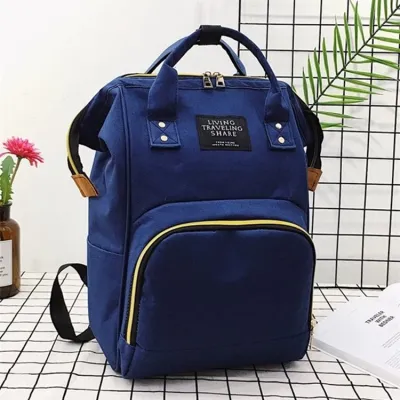
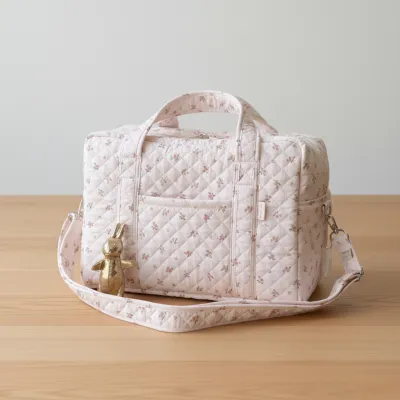
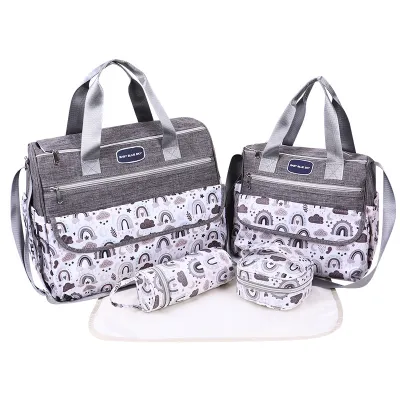
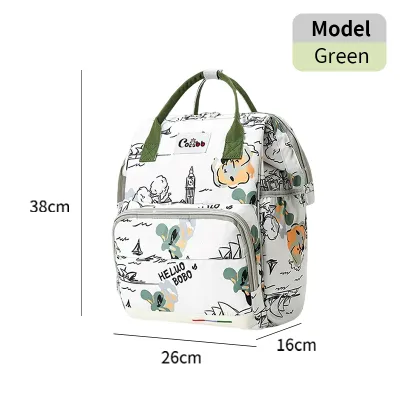
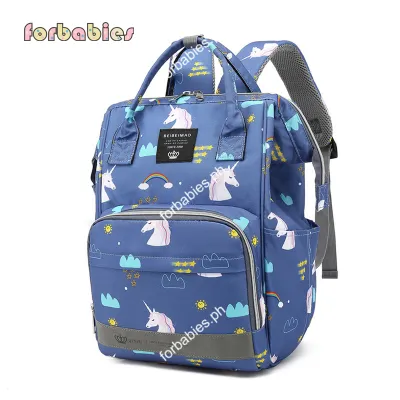
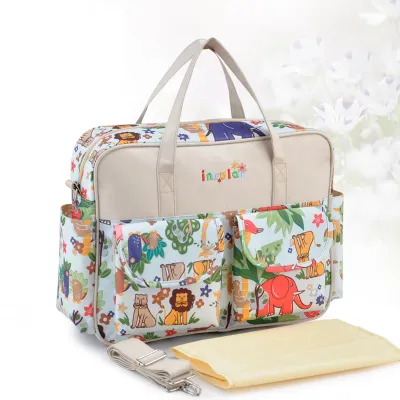
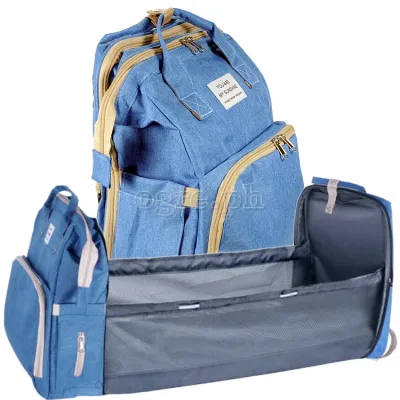
Prices are valid at publication and may change. Please refer to the product page for the latest price.
Quick Guide: Core Features of a Nursing Bag
When evaluating different nursing bags, it is easy to get overwhelmed by the sheer variety of styles, colors, and accessories available. To simplify your decision-making process, focus on four primary pillars: capacity, organization, carrying comfort, and material durability. A bag that excels in these areas will consistently make your outings smoother and more manageable.
The core purpose of a nursing bag is to provide a dedicated, sanitary environment for your baby’s essentials while keeping them easily accessible. Standard bags often lack the structural support and specialized compartments needed to keep bottles upright, diapers dry, and soiled clothes isolated. By investing in a bag designed specifically for parenting, you ensure that you can respond to your baby’s needs quickly and efficiently.
Ultimately, the right feature combination reduces the mental load of packing and traveling with an infant. Knowing exactly where your wipes, pacifiers, and bottles are located allows you to maintain your composure during unexpected situations. Prioritizing functionality over pure aesthetics ensures that your bag remains a helpful tool rather than an added source of frustration.
Assessing Compartments and Internal Organization
The internal layout of a nursing bag directly dictates how smoothly your outings will run. A well-organized bag prevents cross-contamination between soiled items and clean feeding gear, while also saving you precious seconds during urgent situations. When evaluating potential options, look closely at the pocket configuration and how the main compartment opens.

Insulated bottle pockets are a vital feature for keeping milk, formula, or warm water at a suitable temperature while you are on the go. When reviewing product specifications, check the manufacturer’s details regarding the size and number of these insulated slots. Some bags only accommodate standard narrow bottles, while others are wide enough to hold wide-neck bottles or silicone breast pump shields. It is also wise to verify if the insulation is designed for short-term temperature maintenance or if there is space to insert a small, reusable ice pack for longer trips in tropical heat.
Easy-access exterior pockets are equally important for items you need to grab with one hand while holding your baby with the other. Look for dedicated side pockets designed specifically for baby wipes, ideally with a magnetic flap or zippered slit that allows you to pull out a single wipe without removing the entire pack. Quick-access exterior compartments are also excellent for storing your personal items, such as your smartphone, house keys, and wallet, keeping them separate from baby gear so you do not have to carry a separate purse.
Hygiene is paramount when traveling with an infant, which makes dedicated, separate compartments a necessity. A high-quality nursing bag should feature a designated wet pocket lined with waterproof material to isolate soiled clothes, damp burp cloths, or used nursing pads from clean items. Keeping clean clothes, sterilized pacifiers, and feeding accessories in their own dry, sealed compartments prevents the spread of moisture and bacteria within the bag.
Finally, pay attention to how the main compartment opens. A wide-opening design, such as a structured doctor-bag frame or a full clamshell zipper that folds down completely, is highly recommended. This structural style allows the bag to stay open on its own, giving you full visibility of the interior so you can locate items at the bottom without emptying the entire contents onto a changing table.
Evaluating Comfort, Straps, and Carrying Styles
Carrying baby gear can quickly become physically taxing, especially as your baby grows and requires heavier supplies. Choosing a carrying style that matches your body type and daily mobility needs is essential for preventing long-term shoulder, neck, and back strain.
The three primary carrying styles are backpacks, messenger bags, and traditional totes, each offering distinct advantages. Backpack-style nursing bags are highly popular because they distribute weight evenly across both shoulders, leaving both of your hands completely free to carry your baby, navigate strollers, or pay at a register. Messenger or crossbody bags offer quick access to the interior without taking the bag off, making them convenient for rapid transitions, though they can cause uneven shoulder strain during long walks. Totes provide a classic look and are easy to grab for quick car trips, but they are less practical for extended carrying.
To ensure long-term comfort, inspect the quality of the shoulder straps before making a purchase. Look for wide, ergonomically shaped straps with thick, high-density foam padding that will not dig into your collarbones under a heavy load. In warm, humid climates, breathable mesh backing on the straps and the back panel of the bag is a crucial feature that promotes airflow and helps prevent sweat buildup during outdoor walks.
Stroller straps or integrated stroller clips are another highly convenient feature, allowing you to hang the bag directly from your stroller’s handlebar. However, safety must always come first when using these attachments. Always consult the stroller and bag manufacturer manuals to verify weight limits and compatibility, as hanging a heavy bag from the handlebar can easily cause a lightweight stroller to tip backward, posing a serious safety hazard to your baby.
For maximum versatility, many modern bags offer convertible carrying options. A bag that transitions from a backpack to a crossbody style via removable or tuck-away straps allows you to adapt to different scenarios. Top grab handles made of reinforced webbing or padded faux leather are also incredibly useful for lifting the bag quickly out of a car trunk or from under an airplane seat.
Verifying Materials, Durability, and Maintenance
A nursing bag is subjected to daily wear and tear, frequent spills, and outdoor elements, making material selection a key factor in its overall lifespan. Checking product labels and manufacturer specifications for fabric details will help you choose a bag that is easy to maintain and built to last.
The exterior fabric of the bag should be robust enough to withstand being placed on park benches, restroom floors, and car seats. Look for durable, high-density fabrics such as water-resistant nylon, polyester, or treated canvas. Manufacturers often specify if an exterior fabric has a water-resistant or stain-resistant coating, which allows rain, spilled milk, or dirt to be wiped away easily with a damp cloth rather than soaking into the fibers.
Inside the bag, the lining material is just as important as the exterior. Avoid bags with dark, solid black, or deep navy interior linings, as these create a “black hole” effect that makes it incredibly difficult to find small items like pacifiers or medicine droppers. Instead, look for light-colored, patterned, or neutral linings that reflect light and make the contents highly visible. Ensure the interior lining is made of a smooth, wipeable material like polyester or polyurethane-coated fabric so that accidental liquid spills can be cleaned up instantly without leaving permanent stains or odors.
Hardware quality is a reliable indicator of a bag’s overall durability. Inspect the product descriptions or user reviews for details on the zippers, clasps, and D-rings. Metal zippers with large, easy-to-grip pulls are generally more durable than thin plastic zippers, which can easily split under pressure. Double-stitched seams at high-stress points, such as where the shoulder straps attach to the bag body, are essential for preventing tearing over time.
Before finalizing your choice, carefully review the manufacturer’s care instructions. Some bags are machine washable, which offers ultimate convenience for busy parents, while others are strictly spot-clean only. Consider whether the recommended cleaning routine fits realistically into your lifestyle, as a bag that requires complex hand-washing may become a burden when dealing with frequent baby messes.
Building Your Shortlist: Matching Features to Your Routine
Every family’s daily routine is unique, meaning the perfect nursing bag for one parent might not suit another. To build a practical shortlist, you must evaluate how your specific lifestyle, commuting habits, and your baby’s developmental stage align with different bag designs.
Your baby’s age and developmental stage will heavily influence your capacity needs. During the newborn stage, you will need to carry a high volume of diapers, multiple changes of clothes, burp cloths, and feeding supplies, requiring a larger bag with extensive organization. As your baby transitions into an older infant and toddler, the frequency of diaper changes decreases, but you will need to accommodate solid food containers, sippy cups, and small toys. Choosing a bag with flexible, adjustable compartments ensures it remains useful as your child’s needs evolve.
If your daily routine involves frequent commuting, public transit, or travel, your priorities should shift toward lightweight designs and security. Look for bags with integrated luggage sleeves that slide over the handle of a rolling suitcase, making airport navigation much easier. Secure closures, such as lockable zippers or hidden anti-theft pockets on the back panel, are also valuable for keeping your personal valuables safe in crowded urban environments.
It is also worth considering the long-term utility of the bag beyond the baby years. Many parents prefer neutral, minimalist designs in classic colors like grey, black, or olive green that do not look like traditional diaper bags. A bag with a sleek aesthetic and a dedicated laptop sleeve can easily transition into a work backpack, gym bag, or weekend travel carry-on once your child no longer requires a fully stocked diaper station.
Before checking out on your preferred e-commerce platform or brand website, run through a quick pre-purchase checklist. Verify the exact dimensions and the empty weight of the bag; a bag that is already heavy before you pack it will only cause unnecessary fatigue. Finally, check the seller’s return policy to ensure you can inspect the bag’s physical comfort and compartment layout at home before committing to keeping it.
Frequently Asked Questions (FAQ)
Do I really need a specialized nursing bag, or can I use a regular backpack?
While you can technically use a regular backpack, a specialized nursing bag offers distinct functional advantages that make daily outings significantly smoother. Standard backpacks typically feature one or two large, deep compartments where small items easily get lost, and they lack the specialized organization required for baby gear. Dedicated nursing bags include insulated pockets to keep milk or water at the right temperature, waterproof compartments to isolate wet or soiled clothes, and quick-access wipe dispensers. These features prevent cross-contamination, keep your essentials hygienic, and save you from having to dig through a disorganized bag during an urgent diaper change or feeding session.
How heavy should a fully packed nursing bag be?
As a general ergonomic guideline, a fully packed bag should not exceed 10% to 15% of the caregiver’s body weight to prevent muscle strain and posture issues. For most parents, keeping the packed weight well below this limit is ideal for daily comfort. To manage weight effectively, avoid carrying bulk inventory; instead of packing a whole pack of wipes or a dozen diapers, pack only what you realistically need for the duration of your outing, plus two extra diapers for emergencies. Regularly audit and clean out your bag at the end of each week to remove accumulated trash, receipts, and unnecessary items that add hidden weight.
What should I look for if I am exclusively pumping or formula feeding?
If you are exclusively pumping or formula feeding, your storage and temperature-control needs will be higher than those of exclusively breastfeeding parents. Look for a nursing bag with an extra-large, heavily insulated compartment or a dual-compartment design that separates your pump parts from your baby’s bottles. It is crucial to measure your specific breast pump model and compare its dimensions against the bag’s internal measurements before purchasing, as some larger hospital-grade pumps require specialized deep pockets. Additionally, ensure there is adequate space for multiple ice packs to keep expressed milk safe, and look for easy-to-clean, leak-proof linings to handle any accidental spills of formula powder or breast milk.

Community discussion
Share your experience or ask a question. Comments are reviewed before publication.