
Quick Answer: Essential Features for a Safe Changing Mat
Setting up a nursery requires balancing comfort, safety, and hygiene, especially at the diaper changing station where you will spend a significant amount of time during your baby’s first years. A high-quality waterproof changing mat is an essential tool that protects your furniture while keeping your baby comfortable and secure during transitions. To find the right option, parents must look for non-toxic, phthalate-free waterproof materials, supportive inner padding, contoured safety edges, and surfaces that are easy to sanitize.
In warm, humid climates like the Philippines, choosing the right mat involves additional considerations. High humidity can trap moisture, making mold resistance and quick-drying properties critical for daily hygiene. By prioritizing safety certifications, physical stability, and ease of cleaning, you can select a changing mat that integrates seamlessly into your daily routine.
Evaluating Material Safety and True Waterproof Performance
When selecting a waterproof changing mat, material safety is the absolute priority. Because your baby’s delicate skin will come into direct contact with the mat daily, you must verify that all materials are free from harmful chemicals. Look closely at product labels and manufacturer specifications to ensure the mat is free from bisphenol A (BPA), phthalates, lead, and formaldehyde.
Products mentioned in this guide
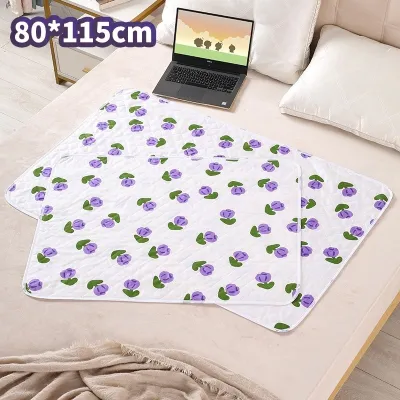
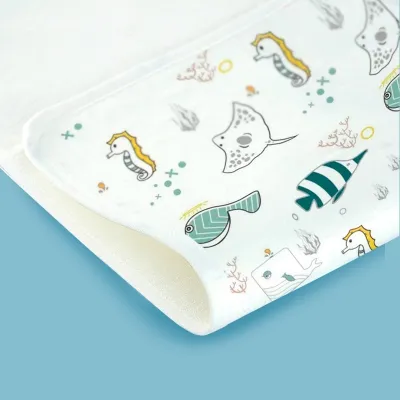
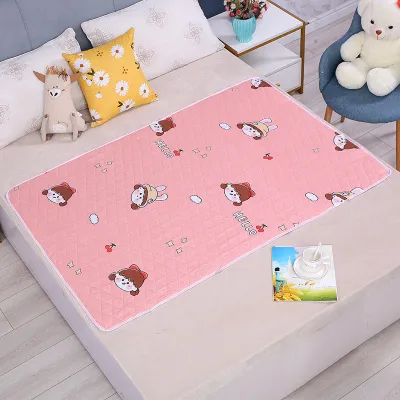
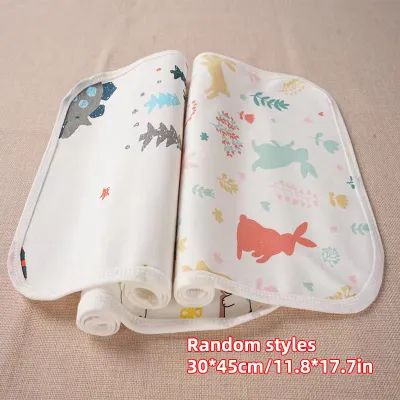
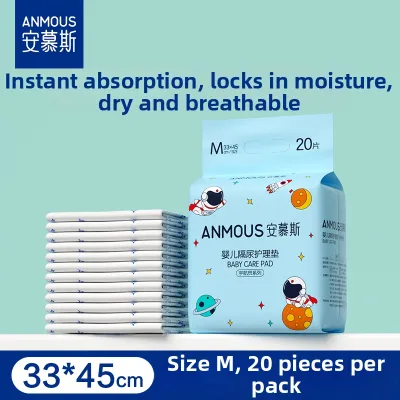
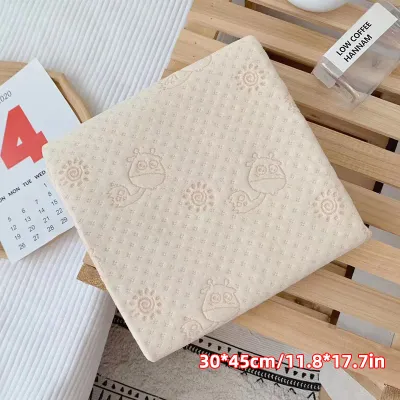
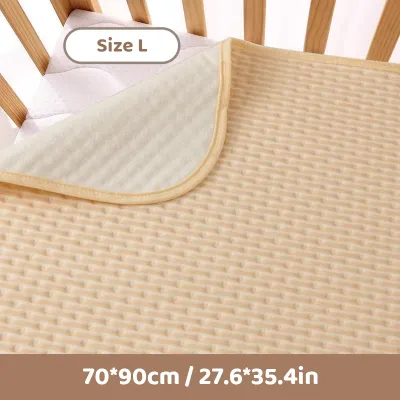
Prices are valid at publication and may change. Please refer to the product page for the latest price.

The waterproof barrier itself can be made from several different materials, each with distinct characteristics. Thermoplastic polyurethane (TPU) is highly regarded for being flexible, durable, and PVC-free, offering a reliable waterproof layer without a stiff plastic feel. Polyethylene vinyl acetate (PEVA) is another common vinyl-free alternative that provides excellent moisture resistance while remaining lightweight and easy to clean.
In contrast, traditional polyvinyl chloride (PVC) is often used in budget-friendly mats but may contain plasticizers to make it flexible. If you consider a PVC mat, it is crucial to verify that it is certified phthalate-free by recognized safety standards. Additionally, PVC can feel sticky or uncomfortably warm in humid tropical environments, making TPU or PEVA more comfortable options for your baby.
Beyond the surface material, inspect how the waterproof barrier is constructed. The most reliable mats feature fully sealed or welded seams rather than simple stitched seams, which can let liquids seep into the inner foam core. If the mat includes a zipper enclosure for a removable cover, ensure the zipper is covered by a waterproof flap to prevent moisture from penetrating the interior.
Moisture accumulation is a common issue in tropical climates, where high humidity can slow down drying times. If liquid penetrates the outer cover and reaches the inner foam, it can create an environment ripe for mold and mildew growth. Choosing a mat with a fully sealed, non-porous waterproof barrier ensures that biological messes and cleaning solutions remain on the surface, where they can be wiped away completely.
Choosing the Right Size, Thickness, and Ergonomic Design
Physical dimensions and structural design play a vital role in keeping your baby secure and comfortable during diaper changes. Before purchasing, measure your changing table, dresser top, or nursery furniture to ensure a precise fit. A mat that is too large may overhang and become unstable, while one that is too small can slide around during use.
The thickness and density of the inner foam core directly affect your baby’s comfort and spinal support. High-density foam provides a firm, supportive surface that does not bottom out under your baby’s weight. Avoid mats that are excessively soft or plush, as they do not offer sufficient support and can make it harder to keep an active baby positioned safely.
Ergonomic features such as contoured edges or raised three-sided and four-sided bumpers are highly recommended. These raised borders help keep your baby centered on the mat and discourage rolling or sliding. Some mats also feature a gently sloping design that elevates the baby’s head slightly, which can be helpful for babies prone to spit-ups.
Many changing mats come equipped with safety straps to help secure the baby in place. While these straps provide an extra layer of security, they must never replace active caregiver supervision. Always keep one hand on your baby during changes, regardless of the mat’s design or safety features. Check the manufacturer’s documentation for specific weight and age limits, and stop using the mat once your baby reaches the maximum limit or begins to sit up independently.
When evaluating the ergonomic design, consider how the mat’s shape interacts with your baby’s growth. Newborns require gentle cradling, which contoured sides provide exceptionally well. As your baby grows and becomes more active, those same raised edges serve as a physical boundary that helps you manage their movements safely during a change.
Adapting to Your Space: Portability and Nursery Integration
Your choice of changing mat should align with your home’s layout and your family’s lifestyle. If you have a dedicated nursery with a permanent changing station, a heavier, contoured foam mat with a non-slip base is an excellent choice. These stationary mats often feature anchor straps that screw directly into the back of your dresser or changing table to prevent any shifting.
For homes with limited space, multi-level layouts, or families who travel frequently, portability becomes a key factor. Lightweight, foldable, or rollable changing mats allow you to set up a clean, waterproof changing station on any flat surface, such as a bed or floor. Look for travel-friendly mats that fold compactly and include integrated pockets for diapers and wipes.
Regardless of where you use the mat, a secure grip on the underlying surface is essential. Verify that the bottom of the mat features a high-quality non-slip material or silicone grip dots. This prevents the mat from sliding on polished wooden dressers or laminate countertops when your baby wiggles.
Aesthetic integration is another consideration for many parents designing a cohesive nursery. Modern changing mats are available in a wide range of neutral colors, minimalist patterns, and textured finishes. Choosing a design that complements your nursery decor can create a calming, organized environment while maintaining all necessary functional benefits.
In tropical regions, the materials underneath the mat also need protection. A stationary mat left in place for months can trap humidity against wooden furniture, potentially damaging the finish or encouraging mold. Selecting a mat with a breathable yet waterproof non-slip backing, and periodically lifting the mat to let the furniture surface air out, is a practical way to maintain both your nursery gear and your home.
Assessing Cleaning Ease and Long-Term Durability
Diaper changes are inherently messy, making ease of cleaning a non-negotiable feature for daily use. Parents generally choose between two primary styles: direct wipe-clean surfaces and mats with removable, washable covers. Wipe-clean mats, often made of solid polyurethane or coated foam, can be sanitized instantly with a damp cloth and mild baby-safe soap, making them highly efficient for back-to-back changes.
Mats with removable covers offer a softer surface for the baby’s skin but require regular laundering. If you prefer this style, ensure the cover is easy to zip off and machine-washable, and keep several spare covers on hand. The underlying mat must still feature a fully waterproof barrier to protect the inner foam from absorbing liquids during accidents.
Durability is closely tied to how well the materials resist staining and degradation from common nursery products. Diaper creams, baby oils, and biological messes can cause lower-quality plastics to discolor, crack, or develop persistent odors over time. Look for materials specified as stain-resistant and odor-resistant to ensure the mat remains hygienic throughout its lifespan.
Examine the construction quality by checking the strength of the stitching, the durability of the zippers, and the flexibility of the waterproof coating. In humid tropical climates, materials can degrade faster if moisture becomes trapped in crevices. Inspecting the mat regularly for any signs of wear, such as peeling layers or frayed edges, helps ensure you are always placing your baby on a safe, intact surface.
To maximize the lifespan of your changing mat, avoid using harsh chemical cleaners or abrasive scrubbing pads, which can wear down the waterproof coating. Instead, opt for gentle, alcohol-free sanitizing wipes or a simple solution of warm water and mild soap. Allowing the mat to air dry completely in a well-ventilated area before its next use will prevent moisture buildup and preserve the integrity of the waterproof barrier.
Condition-Based Shortlist: Matching Features to Your Routine
To help you prioritize the right features for your specific household routine, consider how your daily caregiving needs align with these common scenarios:
- High-Frequency Home Use: If the mat will remain permanently on a nursery changing table, prioritize a thick, high-density foam mat with contoured edges, a secure non-slip base, and a quick wipe-clean surface. This setup offers maximum comfort and rapid cleanup for multiple daily changes.
- Small Spaces and Multi-Room Flexibility: If you live in a multi-story home or have limited space, look for a lightweight, foldable, or rollable mat. Prioritize models with a highly effective non-slip backing and compact storage options so you can safely change your baby in any room.
- Sensitive Skin and Eco-Conscious Preferences: If your baby has highly sensitive skin or you prefer natural materials, choose a system that pairs a non-toxic, waterproof TPU base with a removable cover made from organic cotton or bamboo fibers. This combination provides a soft, breathable barrier against the baby's skin while maintaining reliable waterproof protection underneath.
Frequently Asked Questions (FAQ)
Can I use a regular waterproof mattress protector instead of a changing mat?
No, a regular waterproof mattress protector is not a safe or practical substitute for a dedicated changing mat. Mattress protectors are flat, thin sheets designed to cover a sleeping surface and lack the essential safety features of a changing mat. They do not have contoured edges, raised safety bumpers, or non-slip backings to prevent your baby from rolling or sliding off a raised surface. Additionally, mattress protectors lack the dense, supportive padding necessary to keep your baby comfortable on hard changing tables, and they cannot be securely anchored to nursery furniture.
How often should I replace my baby's waterproof changing mat?
You should replace your baby’s changing mat immediately if you observe any signs of physical wear that compromise safety or hygiene. Inspect the mat regularly for cracked or peeling waterproof layers, frayed safety straps, broken zippers, or split seams, as these openings can allow moisture and bacteria to penetrate the inner foam core. You should also replace the mat if the inner padding loses its density and no longer supports your baby’s weight, or if the surface develops persistent odors or deep stains that cannot be removed through standard cleaning.
Community discussion
Share your experience or ask a question. Comments are reviewed before publication.