
Choosing a newborn baby bag in the Philippines requires prioritizing high-capacity organization, dedicated hygienic compartments, thermal insulation for feedings, and lightweight, water-resistant materials that can withstand tropical humidity and sudden downpours. Unlike standard backpacks, a dedicated newborn baby bag acts as a mobile nursery station, keeping essentials organized and accessible with one hand during frequent feeding and diapering emergencies. Selecting the right bag involves balancing functional capacity with physical comfort, ensuring that caregivers can navigate crowded urban spaces, medical clinics, and family outings without unnecessary physical strain.
During the first few months of a baby’s life, outings require an overwhelming amount of gear, from sterile feeding equipment to multiple changes of clothing. A well-designed diaper bag minimizes the friction of these trips by providing a systematic layout where every item has a designated place. By understanding the specific design features that cater to the unique demands of newborn care, parents can make an informed investment that supports their daily routines and protects their baby’s health and comfort.
Quick Guide: Must-Have Features for Newborn Care
When preparing for a newborn, certain features in a baby bag are non-negotiable for maintaining hygiene and organization on the go. The most critical elements to prioritize include:
Products mentioned in this guide
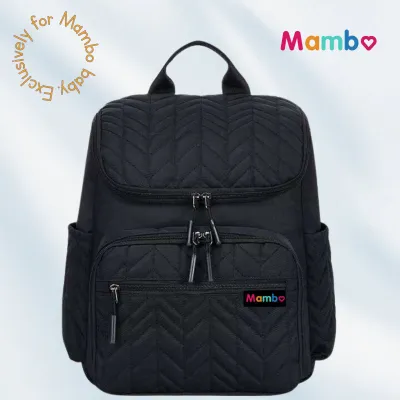
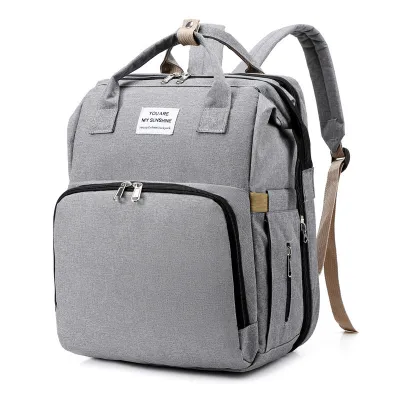
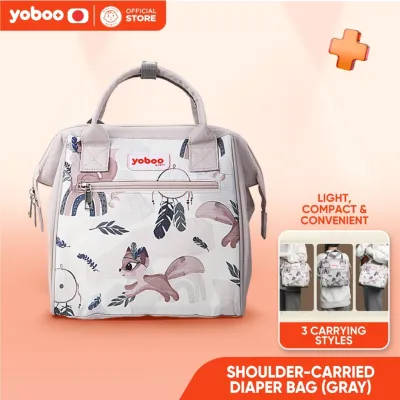
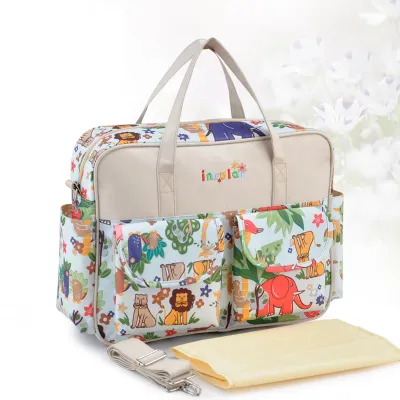
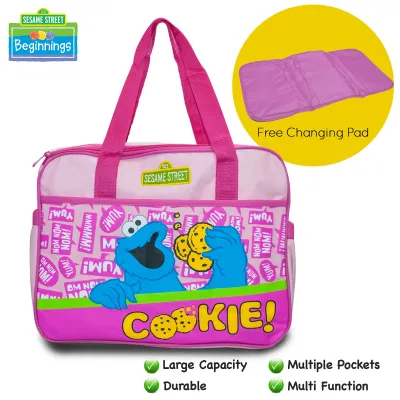
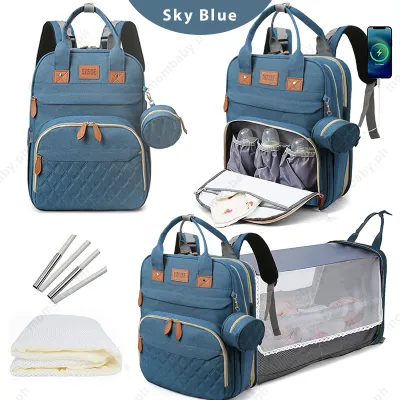
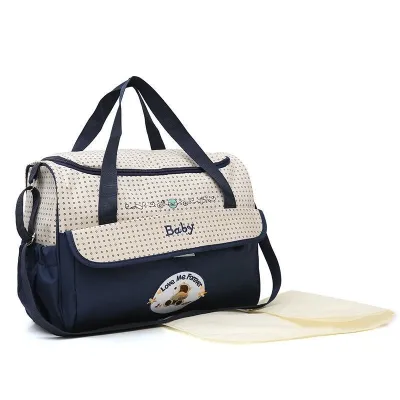
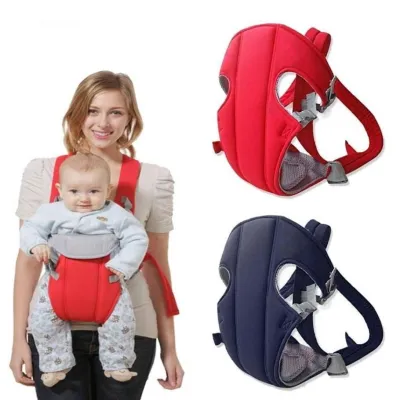
Prices are valid at publication and may change. Please refer to the product page for the latest price.
- Insulated Bottle Pockets: Lined compartments that help maintain the temperature of breastmilk, formula, or warm water for preparing bottles.
- Dedicated Changing Pad Compartment: An easily accessible, separate pocket housing a cushioned, wipeable changing mat to ensure a clean surface is always available.
- Easy-Access Wipe Dispensers: Exterior side pockets designed to hold and dispense wet wipes instantly without requiring parents to rummage through the main compartment.
- Water-Resistant Exterior Materials: Durable fabrics that shield baby essentials from unexpected tropical rain showers and accidental spills.
These features are crucial during the first few months because newborns require highly frequent feeding and diaper changes, often in unpredictable environments. Quick access to sterile bottles and clean wipes prevents minor delays from turning into stressful situations. The following sections break down how to evaluate these features for quality, durability, and practical daily use.
Understanding Newborn Needs: Why Standard Bags Fall Short
Newborn infants have physiological needs that differ significantly from older babies, which directly influences the type of gear required to care for them outside the home. On average, a newborn baby requires diaper changes 10 to 12 times a day, alongside highly frequent, unpredictable feeding schedules. This means caregivers must carry a substantial volume of diapers, wipes, barrier creams, and spare clothing, all of which must be kept meticulously clean and separated from soiled items.

Because a newborn’s immune system is still developing, they are highly vulnerable to environmental pathogens and temperature fluctuations. Standard backpacks or tote bags lack the specialized compartments needed to isolate sterile feeding equipment from dirty diapers or damp clothes. Placing a sterilized bottle in the same large compartment as a used diaper changing pad increases the risk of cross-contamination, which can compromise the infant’s health.
Furthermore, the physical toll on postpartum mothers and sleep-deprived parents is a critical factor. Carrying a heavy, unstructured bag with thin shoulder straps can exacerbate back pain and physical fatigue during routine pediatrician visits or short outings. Standard bags often lack structural support, causing them to collapse when placed on a surface, which forces parents to use both hands to search for items while trying to secure a crying baby. A specialized baby bag addresses these challenges through structured designs, ergonomic support, and intuitive layouts.
Top Features for Frequent Feeding and Diaper Changes
To manage the high frequency of feedings and diaper changes, a newborn baby bag must feature an intuitive layout that prioritizes speed and hygiene. When a baby is crying or fussy, caregivers cannot afford to waste time searching through a chaotic main compartment.
Insulated Bottle Holders and Feeding Accessories
Temperature control is vital when carrying expressed breastmilk or pre-measured warm water for formula preparation. High-quality insulated pockets utilize dense thermal linings, such as aluminum foil or specialized foam, to slow down heat transfer. This keeps milk at safe temperatures for longer periods, reducing the risk of bacterial growth during travel.
Caregivers should look for bags that offer separate, fully lined feeding compartments. These compartments isolate bottles from the rest of the bag’s contents, ensuring that any accidental leaks or condensation do not damp the baby’s clean clothes or swaddles. Lined pockets are also much easier to clean, requiring only a quick wipe with a damp cloth if a spill occurs.
For maximum efficiency, select a bag with side-access or front-access insulated pockets. This placement allows parents to retrieve a bottle instantly without unzipping the main compartment, which is especially useful when holding a sleeping or fussy baby. Always verify specific storage and temperature guidelines from your pediatrician or lactation consultant, and clean these insulated pockets regularly to prevent mold growth in humid environments.
Dedicated Changing Pad Compartments and Wipe Access
Hygiene is the primary concern during diaper changes in public spaces. A superior newborn baby bag features a dedicated, easily accessible compartment that holds a thick, cushioned, and detachable changing pad. The pad’s surface must be made of a non-porous, waterproof material that can be quickly sanitized with disinfectant wipes before and after use.
An external or top-access pocket designed specifically for wet wipes is another essential feature. Many modern diaper bags include a specialized side pocket with a zippered or magnetic slit, allowing caregivers to pull out individual wipes directly from the exterior. This design eliminates the need to open the bag and search for a wipe package with dirty hands, significantly reducing the spread of germs.
Additionally, look for bags that include dedicated wet/dry separation pockets. These are typically lined with waterproof materials like thermoplastic polyurethane (TPU) or heavy-duty polyester, providing a secure space to store soiled diapers, damp swaddles, or stained clothing until they can be washed properly at home.
Easy-Access Pockets for Frequent Essentials
When managing a newborn, one-handed operation is a necessity. Bags featuring magnetic closures, wide-opening doctor-bag style zippers, or smooth-glide pull tabs are far superior to those with complex buckles, deep drawstrings, or stiff zippers that require two hands to operate. A structured frame that stays open on its own allows caregivers to peer inside and retrieve items effortlessly.
Dedicated, easily reachable pockets should be reserved for high-use essentials. Pacifiers, burp cloths (often referred to locally as lampin), spare swaddles, and hand sanitizer should be kept in separate exterior pockets. Keeping these items isolated ensures they remain clean and can be grabbed in a matter of seconds when a baby spits up or needs immediate soothing.
Weather and Comfort: Choosing Materials for the Tropical Climate
Operating in the tropical climate of the Philippines introduces unique challenges for baby gear maintenance and carrying comfort. High relative humidity, intense summer heat, and sudden monsoon downpours require careful consideration of both the exterior and interior materials of the baby bag.
Exterior fabrics must be highly water-resistant or waterproof to protect the sensitive contents inside. Treated nylon, high-density polyester, and water-repellent canvas are excellent choices because they shed rainwater and resist staining. These synthetic materials are also highly durable, resisting tears and abrasions from daily use on public transit, in shopping malls, or during outdoor trips.
For the bag’s interior, light-colored linings are highly recommended. Dark interiors make it incredibly difficult to locate small items, such as pacifier clips or small medicine droppers, especially in low-light environments like pediatric clinics or dimmed nursery rooms. Furthermore, the interior lining should be completely wipeable and treated to resist mold and mildew growth, which can occur rapidly in humid climates if milk spills or damp items are left unattended.
Carrying comfort is equally vital to prevent physical strain. Look for ergonomic backpack designs featuring wide, padded shoulder straps lined with breathable 3D mesh. This mesh fabric promotes airflow, reducing sweat buildup on the caregiver’s shoulders and back during warm commutes. The empty weight of the bag itself should be as light as possible—ideally under 1 kilogram—since newborn gear, filled bottles, and water containers will quickly add significant weight.
Smart Organization and On-the-Go Convenience
Beyond basic storage, modern newborn baby bags incorporate smart design elements that enhance convenience and security during daily travel.
Stroller straps or integrated stroller clips are highly useful features that allow caregivers to hang the bag directly from a stroller’s handlebar, relieving physical strain on the back. However, parents must always exercise caution and check their stroller manufacturer’s handle weight limits. Hanging a heavy bag on a lightweight stroller can cause it to tip backward when the baby is removed, posing a safety hazard. Always remove the bag from the handlebar before lifting the baby out of the stroller.
Security is another critical aspect, especially when navigating busy urban areas or public transportation. A secure, zippered anti-theft pocket located on the back panel of the bag—resting directly against the caregiver’s back—is the ideal place to store personal essentials such as mobile phones, wallets, keys, and identification cards. This keeps valuable items safe from pickpockets while ensuring they are separated from baby items.
For families who travel frequently or attend regular hospital check-ups, a built-in trolley sleeve or luggage strap is highly beneficial. This sleeve allows the baby bag to slide securely over the telescoping handle of a rolling suitcase or a hospital cart, keeping the bag stable and leaving the caregiver’s hands completely free to manage the baby’s stroller or carrier.
Pre-Purchase Checklist: How to Test a Baby Bag's Practicality
Before finalizing a purchase, caregivers should perform a series of practical checks to ensure the bag meets their specific needs and will withstand daily wear and tear.
If shopping in a physical retail store, perform the following hands-on tests:
- One-Handed Zipper Test: Attempt to open and close all major compartments using only one hand. The zippers should glide smoothly without catching on the fabric or requiring you to hold the bag steady with your other hand.
- Cushioning Check: Examine the included changing pad. It should offer sufficient cushioning to protect the baby's head from hard public surfaces, yet remain thin enough to fold easily into its designated pocket.
- Bottle Fit Test: Bring the specific baby bottles you plan to use (especially wide-neck or extra-tall varieties) and verify that they fit easily into the insulated pockets without forcing the zipper.
If purchasing from online marketplaces, rely on verified user reviews to assess long-term durability. Look specifically for feedback regarding seam strength, zipper longevity, and whether the shoulder straps maintain their padding over several months of heavy use. Always check the seller’s return policy and warranty terms, particularly for specialized components like thermal insulation layers or heavy-duty plastic clasps.
Finally, always verify the manufacturer’s care instructions. Many high-quality baby bags cannot be machine washed or tumble dried without damaging the water-resistant coatings or internal structural boards. Ensure you are comfortable with the recommended cleaning methods, which typically involve spot cleaning with mild soapy water and air-drying in a shaded, well-ventilated area.
Frequently Asked Questions (FAQ)
Can I use a regular backpack instead of a specialized newborn baby bag?
While a standard backpack can technically hold baby items, it lacks the specialized features required for efficient, hygienic newborn care. Standard backpacks typically do not have insulated compartments to keep milk at safe temperatures, nor do they feature waterproof wet/dry pockets to isolate soiled clothing.
Additionally, regular backpacks rarely include dedicated, quick-access wipe dispensers or integrated changing pads. Without these features, caregivers must search through a single, deep compartment to find essential items, which increases physical stress and compromises hygiene during urgent diaper changes or feeding times.
What size baby bag is best for a newborn?
For newborn care, a medium-to-large capacity bag ranging from 20 to 30 liters is highly recommended. This size provides sufficient volume to accommodate bulkier newborn essentials, including multiple receiving blankets, change of clothes, formula dispensers, thermos flasks, diapers, and a portable changing pad.
Caregivers should avoid excessively large bags (over 35 liters) because they encourage overpacking, which makes the bag unnecessarily heavy and difficult to carry. A structured 20-to-30-liter bag with multiple internal pockets offers the optimal balance of storage capacity and carrying comfort.
Community discussion
Share your experience or ask a question. Comments are reviewed before publication.