
Preparing milk for a baby while away from home requires a careful balance of organization, speed, and strict hygiene. A specialized milk carton container—designed to mimic the compact, easy-pour structure of a traditional carton or featuring stacked modular compartments—serves as an invaluable tool for parents navigating busy outings. This container style simplifies the process of carrying pre-measured formula powder or small portions of milk, ensuring that feeding your baby remains seamless whether you are at a local park, traveling across provinces, or dropping your child off at daycare. Selecting the right model involves looking beyond aesthetics to evaluate how well a container protects nutrition, resists leaks, and withstands daily use.
Define Your On-the-Go Feeding Scenarios First
Before purchasing a milk carton container, it is essential to analyze your typical daily routines and travel habits. Feeding needs change dramatically depending on whether you are stepping out for a brief errand or embarking on a long journey. A container that works perfectly for a quick trip to a nearby shopping mall may not provide the capacity or durability required for an all-day family road trip or a weekend flight.
Environmental factors in the Philippines play a critical role in how you should store baby food. The country’s tropical climate, characterized by high relative humidity and consistently warm temperatures, presents unique challenges for milk preservation. Exposure to humid air can cause dry formula powder to clump rapidly, making it difficult to measure accurately and dissolve smoothly. Warm temperatures also accelerate bacterial growth in pre-mixed liquid milk. Therefore, parents must prioritize containers that offer exceptional environmental protection to keep formula dry and safe.
Products mentioned in this guide
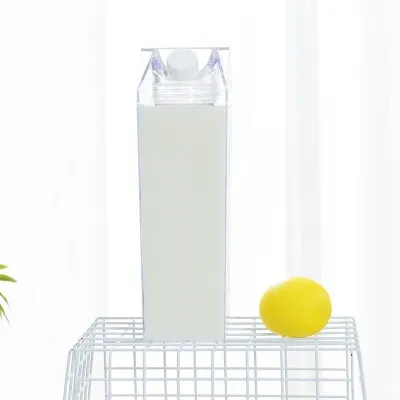
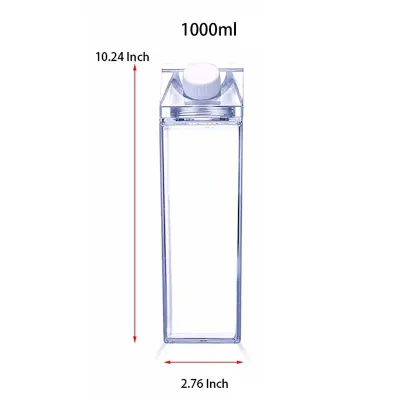
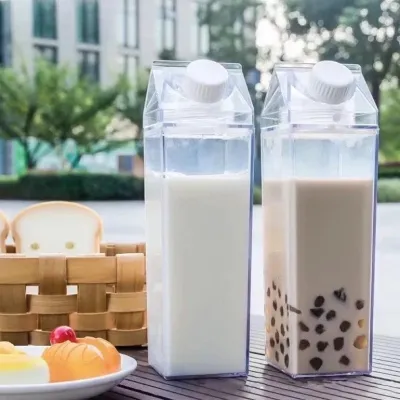
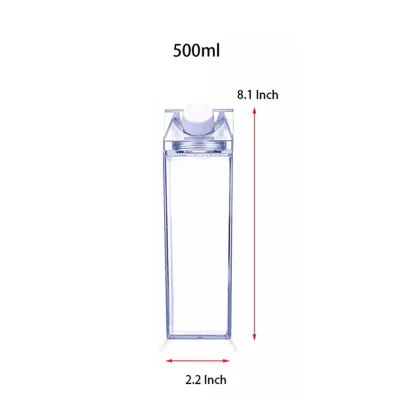
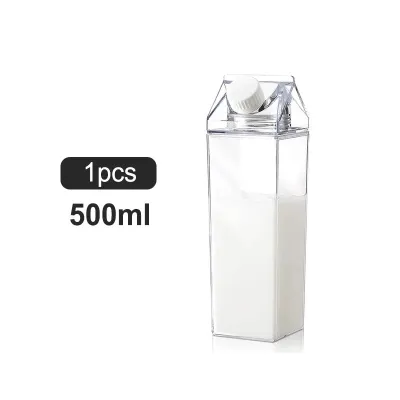
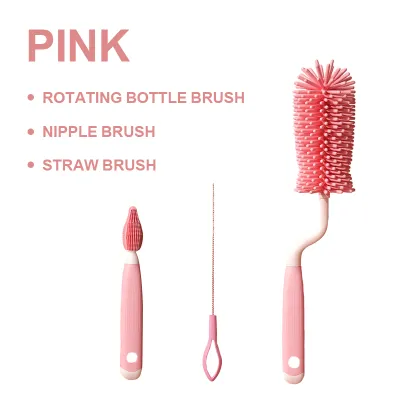
Prices are valid at publication and may change. Please refer to the product page for the latest price.
Additionally, take a close look at your diaper bag space and preferred feeding method. If you rely on dry formula powder, you will need a container with secure, pre-measured compartments that prevent powder from spilling during transit. If you prefer carrying pre-mixed liquid milk, your storage requirements will shift toward insulated, highly sealed options that prevent spoilage and leaks. Understanding these variables ensures you select a container that fits seamlessly into your lifestyle rather than adding unnecessary bulk to your baby gear.
Must-Have Features in a Milk Carton Container
A high-quality milk carton container must do more than just hold formula; it must protect the contents from external contaminants while remaining easy to use under pressure. When evaluating different models on the market, look for specific engineering details that guarantee safety, convenience, and long-term durability.

Leak-Proof and Airtight Seals
A leaky container in a diaper bag can ruin clothes, diapers, and electronics in seconds. To prevent these frustrating accidents, prioritize containers that feature thick, food-grade silicone rings embedded within the lids. These rings create a tight compression seal that blocks liquid from escaping and prevents humid air from entering.
Secure snap-lock lids or robust threaded screw tops are equally important. These fastening mechanisms ensure that the container will not accidentally pop open when jostled inside a crowded bag. In humid climates, these airtight seals are your primary defense against moisture, keeping formula powder perfectly dry and free-flowing until it is ready to be mixed.
Material Safety and Durability
Because your baby’s health is paramount, always verify the safety certifications of the materials used in any feeding container. Check product labels explicitly for BPA-free, food-grade, and phthalate-free designations. Since safety standards and material formulations can change, do not rely solely on product names; instead, inspect the packaging or consult the manufacturer’s official specifications.
You must also weigh the trade-offs between different materials regarding weight and travel safety. Tempered glass containers are highly sanitary and resistant to scratching, but they are heavy and carry a risk of shattering if dropped on hard surfaces. Lightweight, shatterproof plastics—such as high-grade polypropylene (PP) or Tritan—are generally more practical for travel, offering excellent impact resistance without adding unnecessary weight to your diaper bag.
Portion Control and Dispensing Mechanisms
When a baby is crying from hunger in a public space, you want to minimize the time spent measuring and mixing. Multi-layer, stackable compartments allow you to pre-portion individual servings of formula powder at home, eliminating the need to carry a bulky formula tin and a measuring scoop.
The dispensing mechanism itself should be designed to prevent spills during the pouring process. Look for containers equipped with funnel-shaped lids or narrow, easy-pour spouts that guide the powder directly into the bottle neck. Wide-mouth openings on the individual compartments are also beneficial, as they make refilling the container at home straightforward and simplify the washing process later.
Matching Features to Your Specific Feeding Scenarios
No single container design is perfect for every situation, so matching specific features to your primary feeding scenarios will yield the best results. By prioritizing the functions that align with your daily activities, you can streamline your feeding routine and reduce travel stress.
For Daily Daycare Drop-Offs
Daycare environments require clear organization to ensure your baby receives the correct nutrition at the right time. For daily drop-offs, look for modular milk carton containers that feature a stackable design. Stackable units save valuable space in shared daycare refrigerators or storage cubbies, allowing teachers to keep your baby’s meals neatly organized.
Clear labeling is another essential feature for daycare settings. Choose containers with integrated, textured writing surfaces or built-in date dials that allow you to write preparation times, dates, and instructions using a dry-erase marker. Quick-access lids that can be opened swiftly with one hand help busy caregivers prepare bottles efficiently during hectic feeding schedules.
For Long-Distance Travel and Flights
Traveling long distances or flying with an infant requires compact, highly resilient gear. A vertical, multi-layer stacking container is ideal for travel because it maximizes vertical space in your carry-on bag, leaving room for other essentials.
Air travel introduces significant cabin pressure changes that can cause standard snap-on lids to fail. To prevent leaks and spills, select containers with heavy-duty, threaded screw-on lids that resist pressure fluctuations. Furthermore, containers with clear, embossed measurement markings on the side are incredibly useful, as they can double as temporary measuring cups when you do not have access to your usual kitchen tools.
For Quick Outings and Errands
For short trips to the local park or a quick errand at the supermarket, carrying a large, multi-tiered container is unnecessary. For these brief outings, a lightweight, single-compartment container that fits easily into a small crossbody bag or a stroller cup holder is the most practical choice.
When you are out in public, you often have to manage feeding while holding your baby or pushing a stroller. Prioritize containers that offer simple, one-handed operation, such as a push-button flip lid. Combined with a precise, narrow spout, this design allows you to pour formula into a bottle quickly and cleanly without needing to set your baby down.
Hygiene and Maintenance Tips for Humid Climates
Maintaining strict hygiene is a constant challenge in hot, humid environments, where bacteria and mold can multiply rapidly on damp surfaces. To keep your baby’s milk carton container safe and sanitary, establish a rigorous cleaning routine. After every feeding, wash all parts of the container thoroughly with warm, soapy water, using a dedicated bottle brush to reach into corners, threads, and the undersides of silicone seals.
Once washed, allow all components to air-dry completely in a well-ventilated, clean area before reassembling or refilling them. Assembling a container while it is still slightly damp traps moisture inside, creating an ideal breeding ground for microscopic mold and bacteria.
Regularly inspect the interior and exterior of your plastic containers under good lighting. Over time, repeated washing and travel can cause plastics to develop deep scratches, cloudiness, or stubborn discoloration. These physical imperfections are not just cosmetic; deep scratches can harbor bacteria and milk residue that standard washing cannot remove. If you observe persistent cloudiness, deep scratches, or structural wear, replace the container immediately.
Before sterilizing your container, always refer to the manufacturer’s care guidelines. Different plastics have varying heat tolerances; some can safely withstand steam bags, UV sterilizers, or boiling water, while others may warp or release chemicals when exposed to extreme heat. If instructions are unavailable, avoid boiling or high-heat sterilization, and stick to thorough hand-washing with baby-safe dishwashing liquid and warm water.
Frequently Asked Questions (FAQ)
Can I store liquid milk in a standard powder dispenser?
Most standard multi-layer powder dispensers are designed exclusively for dry formula and lack the specialized gaskets required to contain liquids. If you fill these compartments with liquid breast milk or water, they are highly likely to leak when tilted or shaken in your bag. Before using a container for liquid storage, verify that the manufacturer explicitly rates it as liquid-safe and that it features dedicated, heavy-duty silicone seals on every compartment. If you are unsure, test the container with water over a sink before using it for valuable breast milk or prepared formula.
How often should I replace my baby's milk container?
There is no set expiration date for a baby’s milk container, as its lifespan depends on how frequently it is used, washed, and transported. However, you should inspect the container daily for signs of wear. Replace the container immediately if you notice persistent odors that remain after thorough washing, deep scratches on the inner walls, cracked lids, or degraded silicone seals that no longer create an airtight vacuum. As a general hygiene guideline, heavily used plastic containers are typically replaced every six to twelve months to ensure optimal safety and cleanliness for your baby.
Community discussion
Share your experience or ask a question. Comments are reviewed before publication.