
Choosing a car seat for your newborn is one of the most critical decisions you will make before bringing your baby home. In the Philippines, where navigating busy city streets and unpredictable traffic is a daily reality, ensuring your infant is securely protected during every car ride is paramount. The ideal newborn car seat must prioritize a secure rear-facing design, robust impact protection, and a reliable harness system, all while keeping your baby comfortable in hot, humid tropical weather.
When shopping for baby gear, it is easy to feel overwhelmed by the variety of options available on online marketplaces and in local baby boutiques. Focusing on verifiable safety features, proper vehicle installation, and adjustability will help you select a seat that protects your little one on every journey, whether it is a quick trip to the pediatrician or a longer drive to visit family.
Core Safety Specifications to Verify
First, verify that the car seat is explicitly rated for rear-facing use starting from birth. Newborns have fragile necks and spines that require the cradling support of a rear-facing seat to distribute crash forces evenly across their back. Check the manufacturer’s label to confirm the minimum weight and height thresholds, ensuring they accommodate a newborn’s typical birth weight.
Products mentioned in this guide
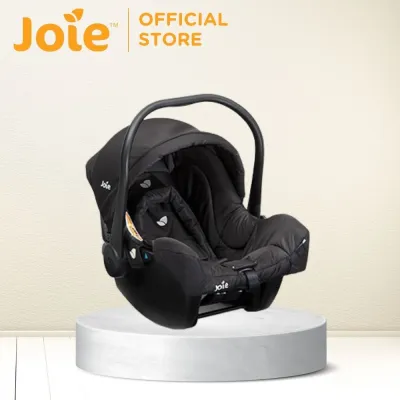
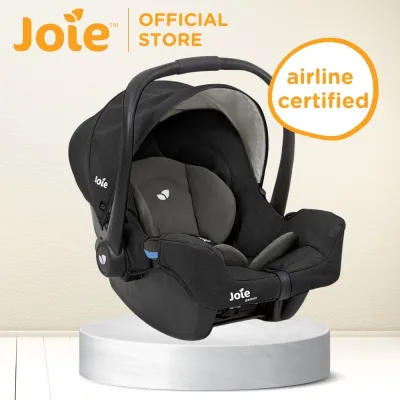
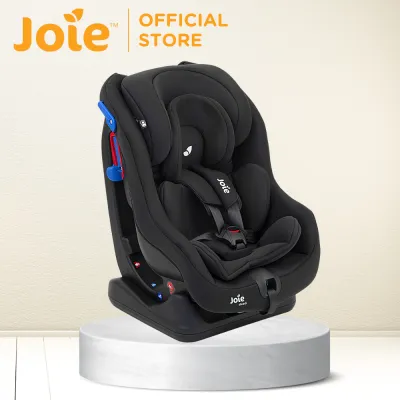
Prices are valid at publication and may change. Please refer to the product page for the latest price.
Next, look for a five-point harness system. This design secures your baby at the shoulders, hips, and between the legs, minimizing movement during sudden stops or sharp turns. When adjusting the harness, ensure the chest clip rests at armpit level to keep the shoulder straps properly positioned over the collarbones.
Additionally, inspect the seat’s side-impact protection. Look for deep side walls lined with energy-absorbing foam, such as EPS or EPP, which help cushion your baby’s head and torso. Always verify these safety features directly on the product packaging or user manual rather than relying solely on marketing claims.
Fit, Comfort, and Adjustability Checks
Newborns require specialized support to keep their airways open. Look for seats that include removable infant inserts and head supports designed to prevent your baby’s head from slumping forward. Ensure these inserts are approved by the manufacturer for that specific model to maintain proper airway alignment and prevent chin-to-chest positioning.

As your baby grows rapidly during the first few months, the harness must be easy to adjust. Check if the seat features a no-rethread harness or easily accessible slots that allow you to reposition the shoulder straps from behind. The straps should always emerge at or slightly below your newborn’s shoulders when rear-facing.
Proper recline is also essential for safe breathing. Newborns lack head control, so a seat that is too upright can cause their head to tilt forward, potentially restricting airflow. Look for built-in recline angle indicators, such as bubble levels or color-coded lines, to verify the seat is installed at the correct angle recommended by the manufacturer.
In a tropical climate, fabric breathability is another key comfort factor. Look for moisture-wicking materials that help reduce sweating during warm car rides. Removable, washable covers are highly practical for managing spills and diaper leaks in humid weather.
Installation and Vehicle Compatibility
A car seat can only protect your baby if it is installed correctly. Verify whether your vehicle is equipped with ISOFIX anchor points or if you will need to use the vehicle’s seat belt system. Many modern car seats feature visual success indicators, such as color-changing tension indicators, to confirm a secure lock.
If you are considering an infant carrier, check the compatibility of the base and how easily it integrates with your stroller as a travel system. This setup allows you to move your sleeping baby from the car to the stroller without disturbing them. However, always verify that the carrier clicks securely into both the base and the stroller frame.
Before purchasing, measure your vehicle’s backseat dimensions and consult your vehicle owner’s manual. Some car seats have a large footprint that may require pushing the front passenger seat forward, which can be tight in compact cars. Ensure there is enough clearance to achieve the required recline angle without touching the front seats.
Maintenance, Expiration, and Second-Hand Risks
Car seats do not last indefinitely. Over time, exposure to high temperatures and humidity inside a parked car can degrade the plastic shell and webbing. Locate the manufacturer’s expiration date, which is typically molded into the plastic frame or printed on a white tracking label underneath the seat.
Avoid using second-hand car seats unless you know their complete history. A seat that has been involved in a moderate to severe crash may have invisible structural fractures that compromise its integrity in a future impact. If you cannot verify the seat’s history or if it is missing its original labels and manuals, it is safer to choose a new seat.
Keeping the seat clean is necessary, but you must follow the manufacturer’s instructions carefully to preserve safety. Never machine-wash or submerge the harness straps in water, as this can weaken the fibers. Use mild soap and a damp cloth to spot-clean the straps, and verify if the fabric cover is removable and machine-washable to handle inevitable spills.
Frequently Asked Questions (FAQ)
When should I transition my newborn to a larger car seat?
You should transition your baby to a larger rear-facing seat, such as a convertible car seat, once they exceed the maximum weight or height limit specified on the infant seat’s label. Another key indicator is head clearance; if the top of your baby’s head is within one inch of the top of the car seat shell, they have outgrown it, even if they are still under the weight limit.
Is it safe to use aftermarket accessories with the car seat?
It is generally unsafe to use third-party accessories, such as head positioners, strap covers, or toys, that did not come in the original box with your car seat. These items are rarely crash-tested with the seat and can interfere with the harness’s ability to hold your baby securely. Additionally, avoid dressing your baby in bulky clothing, as this compresses during a crash and leaves the harness too loose.
Can I install a newborn car seat in the front passenger seat?
The safest place for a newborn car seat is in the rear seat of the vehicle, preferably in the center if a secure installation can be achieved. Installing a rear-facing car seat in the front passenger seat is highly dangerous if the vehicle has an active passenger airbag. If the airbag deploys, it can strike the back of the car seat with severe force, risking serious injury to your baby. Always consult your vehicle manual regarding airbag deactivation and seating positions.
Community discussion
Share your experience or ask a question. Comments are reviewed before publication.