
Choosing a high-quality bag organizer for baby things can instantly transform any standard tote, designer handbag, or casual backpack into a fully functional diaper bag. For parents navigating busy schedules, this simple accessory eliminates the frustration of rummaging through a cluttered bag during critical moments. An effective organizer keeps diapers, wipes, bottles, and spare clothes neatly arranged and immediately accessible. By selecting an option with the right combination of structural support, specialized pockets, and durable materials, you can maintain your personal style while ensuring your baby’s daily essentials remain clean and orderly.
To find the most practical option for daily use, prioritize three non-negotiable features: water-resistant and wipeable fabrics, dedicated insulated bottle compartments, and highly accessible zones for high-frequency items like baby wipes. A great organizer must balance maximum storage capacity with a lightweight design. Adding heavy, rigid structures to your bag can quickly cause shoulder strain during long outings. The goal is to find an insert that provides clear boundaries for your items without adding unnecessary bulk to your daily carry.
Must-Have Compartments for Baby Essentials
Organizing a baby bag requires more than just dividing a large space into smaller pockets. The layout of the organizer must match the physical reality of baby care, where speed, hygiene, and accessibility are paramount. Having specialized compartments prevents cross-contamination and ensures you can locate critical items with a single glance.
Products mentioned in this guide
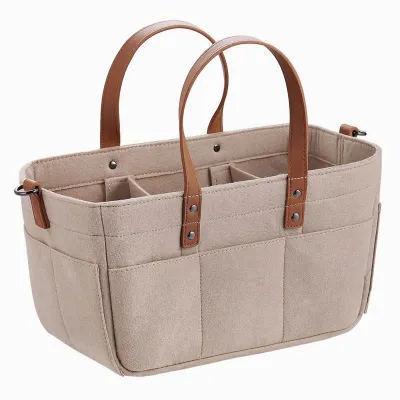
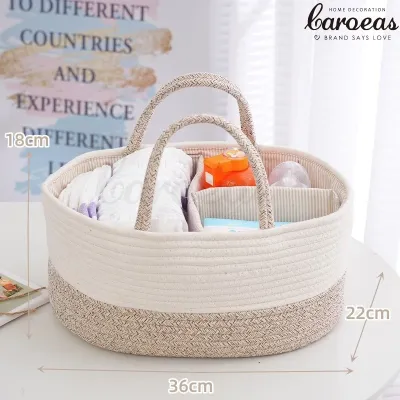
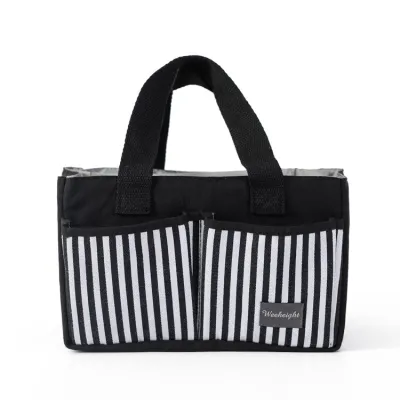
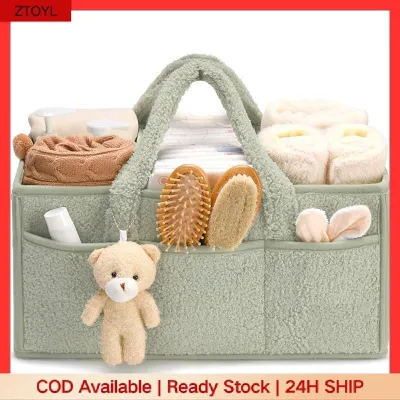
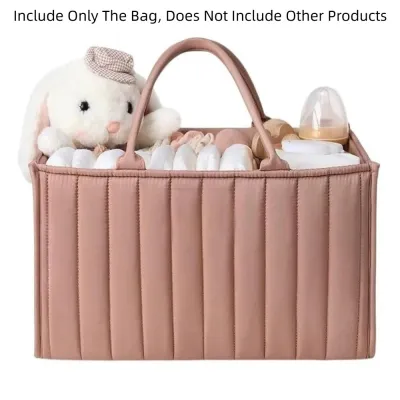
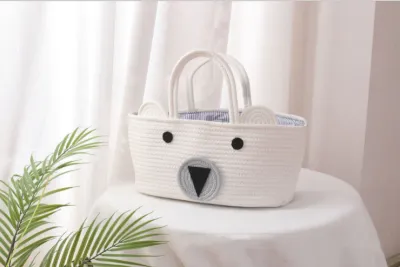
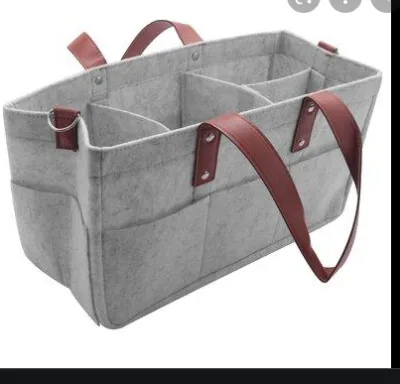
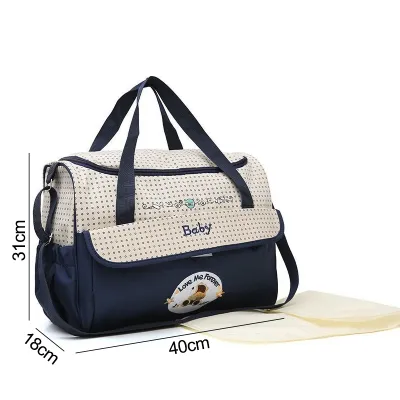
Prices are valid at publication and may change. Please refer to the product page for the latest price.
Insulated Bottle Holders
Outings in the warm, tropical climate of the Philippines require careful attention to how milk, formula, and baby food are stored. Insulated bottle holders are essential for slowing down temperature changes, helping to keep expressed breast milk cool or prepared formula at a safe temperature until feeding time. When shopping for an organizer, look for pockets lined with thick thermal foil or specialized PEVA insulation. These materials act as a barrier against external heat, providing peace of mind during extended trips to the mall or outdoor family gatherings.
Key Considerations for Bottle Pockets:
- Width and Depth: Ensure the pockets are wide enough to accommodate wide-neck bottles, insulated straw cups, or reusable food pouches. Narrow pockets may restrict you to standard-neck bottles, limiting your options as your baby grows.
- Spill Prevention: Look for pockets equipped with sturdy elastic bands, adjustable drawstrings, or zippered tops. These features keep bottles completely upright, preventing accidental leaks that could ruin other items in your bag.
- Placement: Insulated pockets located on the interior sides of the organizer help distribute weight evenly and protect the bottles from external impact.
Dedicated Wipes and Diaper Zones
During a sudden diaper change, every second counts. A diaper bag organizer should feature dedicated zones designed for rapid, one-handed access to wipes and diapers. This setup prevents you from having to dig through layers of clothing or toys while trying to keep an active baby safe on a changing table.
Optimal Layout for Quick Access:
- Wipe Dispensers: Some organizers feature external side pockets with a dedicated slit or magnetic flap. This allows you to pull a single wipe directly from the travel pack without removing the pack from the pocket.
- Diaper Pockets: Choose wide, open-top pockets located near the center or top of the organizer. These pockets should comfortably hold three to five diapers of your baby's current size without compressing them excessively.
- Secure Small Pockets: Small, zippered compartments are ideal for keeping pacifiers, diaper rash creams, and small teething toys clean and isolated from dusty surfaces.
Separation for Clean and Soiled Items
Maintaining hygiene while on the go is a constant challenge for parents. A well-designed organizer must include a reliable method for separating clean clothing, bibs, and swaddles from soiled items, wet clothes, or used cloth diapers. Without this separation, a single leak can contaminate the entire contents of your bag.
Hygiene Management Features:
- Built-In Wet Section: Look for a dedicated, zippered compartment lined with waterproof TPU or heavy-duty plastic. This section should be completely isolated from the rest of the organizer.
- Seam Sealing: Verify that the seams of the wet compartment are heat-sealed or double-stitched to prevent moisture and odors from seeping through to the dry sections.
- Detachable Pouches: Some premium organizers include a removable wet bag. This allows you to carry soiled items separately or hang them from a stroller handle when needed.
Material and Design Features for the Philippines
Selecting the right materials is crucial for ensuring the longevity and usability of your bag organizer, especially when dealing with high humidity, sudden rain showers, and frequent liquid spills.

Water-Resistant and Easy-to-Clean Fabrics
The interior of a baby bag is highly susceptible to milk spills, water leaks, and crushed snacks. In the humid climate of the Philippines, trapped moisture can quickly lead to the growth of mold, mildew, and unpleasant odors. Choosing the right fabrics is the first line of defense against these hygiene issues.
Material Comparison and Maintenance:
- Nylon and Polyester: These synthetic fabrics are highly durable, lightweight, and naturally resistant to water. High-density nylon (such as Oxford nylon) offers excellent tear resistance and can be easily wiped clean with a damp cloth.
- PEVA Linings: Polyethylene vinyl acetate (PEVA) is a non-toxic, chlorine-free plastic material commonly used for waterproof linings. It is easy to sanitize and serves as an excellent barrier against wetness.
- Breathable Mesh: Incorporating small mesh pockets allows air to circulate around damp items, reducing the risk of musty odors. However, ensure these mesh sections are kept away from clean clothes or feeding supplies.
- Washing Instructions: Always consult the manufacturer's care label before cleaning. While some fabric organizers can be hand-washed in cool water with mild, baby-safe detergent, machine washing or using harsh bleach can degrade waterproof coatings and weaken structural seams.
Lightweight Structure and Secure Hardware
A bag organizer must provide enough structural support to keep your items upright, but it should not add significant weight to your daily carry. When fully packed with water bottles, diapers, and extra clothes, a diaper bag can easily become uncomfortably heavy.
Structural and Hardware Checklist:
- Baseboards: Look for organizers with a removable, padded baseboard. This provides a flat, stable bottom that keeps the organizer upright when placed on a table, while allowing you to collapse the insert flat for storage when not in use.
- Zippers: High-quality, smooth-gliding nylon or metal zippers are essential. Ensure the zipper pulls are large enough to grab quickly, even when your hands are full.
- Rust Resistance: Humid coastal air and frequent washing can cause cheap metal snaps and zippers to rust. Look for plastic hardware or treated, rust-resistant metal components.
- Utility Straps: Built-in stroller straps or small carry handles allow you to lift the organizer out of your main bag and use it independently as a temporary caddy for quick errands or diaper changes in public restrooms.
How to Match the Organizer to Your Existing Bag
To ensure your bag organizer functions perfectly, it must fit comfortably inside your favorite tote, handbag, or backpack. A poorly matched organizer can slide around, collapse, or take up too much space, making your bag more difficult to use.
Step-by-Step Fitting Guide:
- Measure the Interior Dimensions: Do not rely on the exterior measurements of your bag. Open your bag and measure the internal width, depth (front to back), and height. Take these measurements at the narrowest points, especially if your bag has a tapered shape or thick leather walls.
- Account for Bag Flexibility:
Structured Totes:* If you use a rigid canvas or leather tote, choose a structured organizer that matches the bag's dimensions closely. This maximizes storage space and maintains the bag's clean lines.
Slouchy Hobos or Backpacks:* For soft, flexible bags, opt for a more pliable, lightweight organizer. A rigid insert inside a slouchy bag can create awkward bulges and ruin the bag's natural drape. - Manage Excess Space: If your organizer is slightly smaller than your bag's interior, use the remaining gap to store flat items like a folding changing mat, a tablet, or a thin nursing cover. This prevents the organizer from sliding around during transit.
- Optimize Weight Distribution: When packing your organizer, place the heaviest items—such as full water bottles, baby food jars, or thermos flasks—in the center or bottom compartments. Keeping the center of gravity low prevents your bag from tipping over when you set it down on a flat surface.
Recommended Bag Organizer Types for Different Parenting Needs
Every family has different daily routines, and no single organizer style fits every scenario. Understanding the strengths and limitations of each design will help you choose the best format for your lifestyle.
The All-in-One Structured Insert
This style is a comprehensive, multi-pocketed organizer designed to fit snugly inside large, open-top tote bags. It provides maximum organization and keeps its shape even when completely empty.
- Best For: Full-day outings, parents carrying items for multiple children, and those who prefer to use unstructured canvas or leather totes.
- Key Features: Multiple rigid sections, dedicated insulated bottle pockets, a firm removable baseboard, and numerous exterior slip pockets for quick-access items.
- Limitations: This type can be relatively heavy on its own, ranging from 300 to 500 grams. It also lacks the flexibility to fit into smaller, tapered, or unusually shaped handbags.
The Flexible Modular System
Modular organizers consist of a lightweight fabric base with customizable compartments. They often feature removable dividers or detachable pouches that attach via velcro or snaps, allowing you to adapt the layout to your changing daily needs.
- Best For: Parents who frequently switch between different bags (such as transitioning from a backpack to a shoulder bag) or those who prefer a highly customized organization layout.
- Key Features: Detachable zippered pouches, adjustable velcro dividers, and lightweight, compressible fabric construction.
- Limitations: Setting up the modular layout can require some initial trial and error. Additionally, these systems often lack built-in thermal insulation, requiring you to use separate insulated bottle sleeves.
The Minimalist Sling or Caddy
This compact, lightweight option is designed strictly for short trips where you only need to carry the absolute essentials. It features a simple layout and often includes a convenient top handle.
- Best For: Quick walks around the neighborhood, short trips to the local supermarket, quick pediatrician visits, or as a secondary organizer kept in the car.
- Key Features: Focuses on two to three core compartments designed to hold a few diapers, a travel pack of wipes, and a single bottle. It is highly portable and easily fits into small backpacks or medium-sized handbags.
- Limitations: This style has insufficient capacity for full-day outings, spare clothing changes, or carrying personal items like large wallets, keys, and cosmetics.
Frequently Asked Questions (FAQ)
Can I use a regular purse organizer for baby things?
While standard purse organizers are excellent for keeping keys, cosmetics, and mobile phones in order, they generally lack the specialized features required for safe and hygienic baby care. Standard inserts rarely include insulated bottle pockets to maintain milk temperatures, nor do they feature waterproof wet-and-dry sections to isolate soiled clothes. Furthermore, regular purse organizers are often made from materials like felt or delicate fabrics that are difficult to sanitize properly after milk leaks or food spills, which can lead to bacterial growth.
How do I clean a baby bag organizer to prevent odors?
To maintain a hygienic environment for your baby’s essentials, clean your organizer regularly. Start by emptying all compartments and shaking out loose crumbs or debris. Wipe down the interior and exterior surfaces using a clean cloth dampened with warm water and a mild, baby-safe soap solution. Avoid using harsh chemical cleaners, bleach, or abrasive brushes that could damage waterproof coatings. After wiping, open all pockets and allow the organizer to air-dry completely in a well-ventilated indoor space, away from direct sunlight, to prevent the development of mold or musty odors.

Community discussion
Share your experience or ask a question. Comments are reviewed before publication.