
When you are out with your baby, a single minute spent rummaging through a cluttered bag can feel like an eternity, especially when dealing with a sudden diaper blowout or a hungry infant. The key to a highly functional bag for baby organizer needs lies in its structural layout: dedicated external pockets for immediate access, secure internal dividers to prevent shifting, and a wide-opening main compartment that lets you see everything at a single glance. In a tropical climate like the Philippines, where high humidity and sudden afternoon downpours are common, having an organized, easily accessible bag is not just about convenience—it is about keeping essential items sanitary and dry.
Choosing the right bag requires looking past aesthetic appeal to evaluate how the compartment design matches your daily routine. A well-organized bag allows you to retrieve a fresh wipe, a pacifier, or a clean swaddle with one hand while keeping your other hand safely on your baby. By understanding how different layouts, materials, and carrying styles impact accessibility, you can select a bag that simplifies your outings and reduces the stress of traveling with your little one.
Core Organizational Features for Quick Access
The internal and external architecture of a baby bag determines how quickly you can react to your baby’s immediate needs. When evaluating a bag for baby organizer functionality, the placement and accessibility of its pockets should be your primary consideration.
Products mentioned in this guide
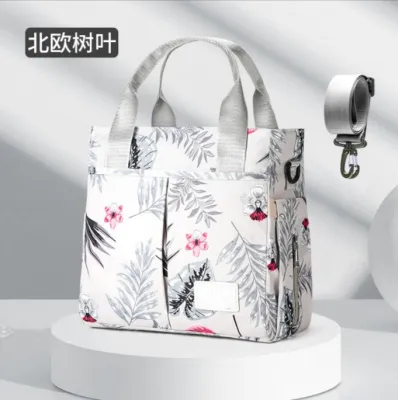
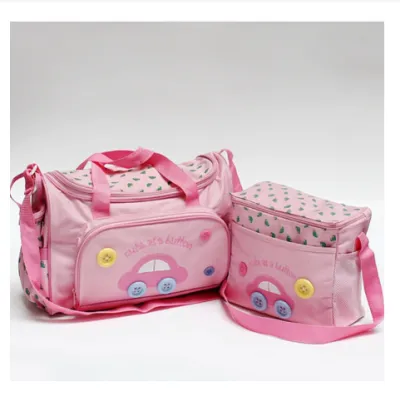
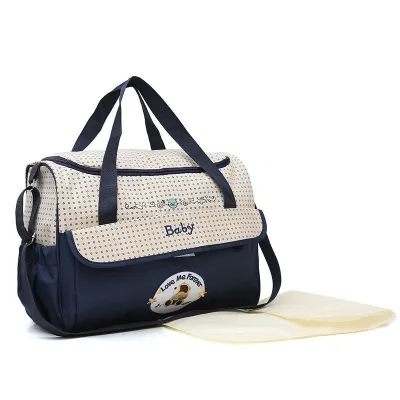
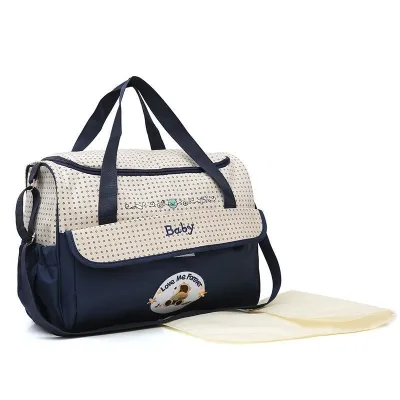
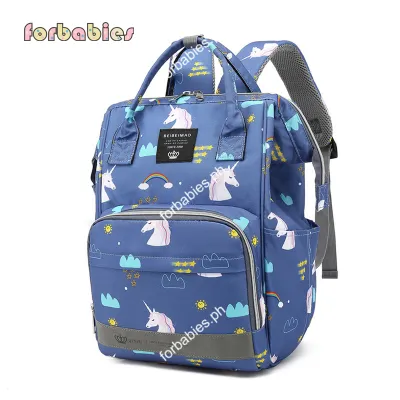
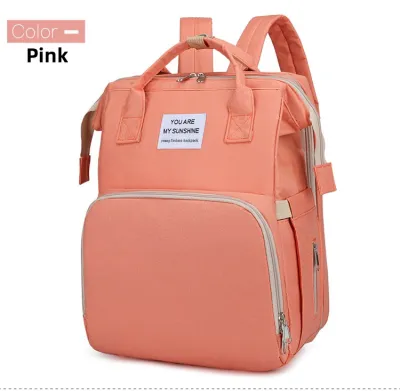
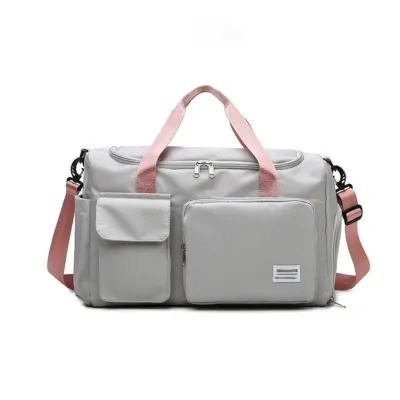
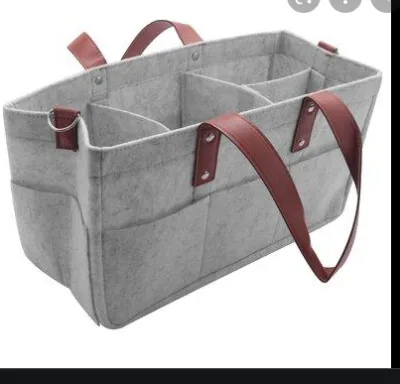
Prices are valid at publication and may change. Please refer to the product page for the latest price.
External quick-grab pockets are essential for items you need to retrieve in seconds without opening the main compartment. Look for dedicated, easily reachable exterior pockets designed specifically for baby wipes, pacifiers, and your personal essentials like your phone or keys. A side pocket with a dedicated slit for dispensing wipes allows you to clean up spills instantly without pulling the entire pack out. Ensure these pockets are positioned so that you can access them with one hand while holding your baby with the other.
Internal dividers and elastic loops play a critical role in keeping the interior of your bag structured. Without these boundaries, bottles, lotion tubes, and diapering tools will inevitably shift and pool at the bottom of the bag during transit. Look for deep, elasticized interior pockets that hold items upright against the bag’s walls. This vertical storage method maximizes the central space of the bag while ensuring that liquid containers remain upright, minimizing the risk of messy leaks.
Dedicated insulated compartments are vital for maintaining the temperature of milk, formula, or warm water during your outings. When examining these compartments, do not rely solely on the manufacturer’s claims of universal compatibility. Measure your preferred baby bottles—including wide-neck varieties or taller silicone bottles—and compare those dimensions against the bag’s insulated pocket specifications. A good insulated pocket should feature thick thermal lining and a secure zipper closure to protect the contents from external heat, which is particularly important during warm days.
A wide-opening main compartment is the foundation of a highly visible bag layout. Look for bags that feature a structured clamshell opening or a gusseted frame that stays wide open on its own when unzipped. This design prevents the bag from collapsing inward, allowing you to scan the entire contents immediately. Avoid deep, narrow bags with small top openings, as they create dark zones where small items easily get lost, forcing you to unpack half the bag just to find a clean bib.
Bag Styles and How They Affect Accessibility
The silhouette of your baby bag dictates how weight is distributed across your body and how easily you can access your gear while on the move. Different styles suit different parenting scenarios, and understanding these trade-offs will help you choose the right fit for your lifestyle.

Backpack-style baby bags are highly popular for their ergonomic benefits and hands-free convenience. By distributing weight evenly across both shoulders, they reduce physical strain during long walks in the park or trips to the mall. However, the primary drawback of a backpack is that you must usually take it off to access the main compartment. To counter this, look for backpack models that feature quick-access side zippers or lower back openings, allowing you to reach items at the bottom of the bag without unpacking everything from the top.
Tote bags offer excellent open-top visibility and a classic, casual look. They are easy to reach into while resting on a stroller or car seat, making them convenient for quick transitions. The challenge with totes is their tendency to become unstructured, which can cause items to shift and mix together if the bag is tipped over. If you prefer a tote style, ensure it features a secure top zipper or magnetic closure, and look for models with robust built-in organizers or deep, zippered internal sections to keep your gear compartmentalized.
Crossbody and messenger bags provide rapid access to your items because you can easily swing the bag to your front without removing the strap. This style is highly efficient for short trips, quick errands, or public transit commutes where you need to grab items quickly while standing. However, because the weight is carried on a single shoulder, crossbody bags can cause discomfort during extended wear and generally offer less storage capacity than backpacks, making them less suitable for all-day excursions or parents of multiple young children.
Convertible baby bags offer the flexibility of switching between backpack, tote, or messenger styles depending on your immediate needs. While highly versatile, it is important to evaluate how the conversion process affects accessibility. Check if the convertible straps require complicated re-threading or if they block access to key pockets when tucked away. A well-designed convertible bag should allow you to transition between carrying modes quickly without spilling the contents or restricting access to your external quick-grab compartments.
Material and Hardware Considerations for Daily Use
The physical construction of a baby bag determines its durability, ease of maintenance, and how smoothly it operates under pressure. High-quality materials and thoughtful hardware design ensure that the bag remains a reliable tool rather than a source of frustration.
Interior linings should always be selected with cleanliness and visibility in mind. Look for wipeable, water-resistant fabrics like high-density nylon or polyester that can be easily cleaned with a damp cloth after a spill. Additionally, prioritize light-colored or brightly patterned interior linings over dark colors. A light interior reflects ambient light, making it significantly easier to spot small items like pacifiers or nail clippers in low-light environments, such as a dimmed nursery or a car at night.
Closure mechanisms must be durable and easy to operate with one hand. Compare the practical trade-offs of zippers, magnetic snaps, and Velcro before making your choice. High-quality, smooth-gliding metal or molded plastic zippers are ideal for main compartments because they provide a secure seal. Magnetic snaps are excellent for quick-access external pockets, as they close automatically with minimal effort. Avoid heavy use of Velcro on main compartments, as the loud tearing sound can easily wake a sleeping baby during quiet moments.
A reinforced or structured base is a crucial feature that keeps the bag upright when placed on a flat surface. When you set your bag down on a changing table, a park bench, or a restaurant floor, you want it to stand firm rather than collapse or tip over. Look for bags with flat, reinforced bottom panels, preferably equipped with protective metal or rubber feet. This structure keeps the top opening wide and accessible, allowing you to work out of the bag efficiently.
Strap adjustability and padding directly impact your comfort and the bag’s overall usability. Ensure the shoulder straps are wide, well-padded, and easily adjustable to accommodate different caregivers. The straps should hold the bag securely against your body or stroller without slipping, as a sagging bag can alter your center of gravity and make external pockets difficult to reach. If you plan to use a stroller frequently, look for integrated stroller straps or clips that allow you to hang the bag safely without tipping the stroller.
Building Your Shortlist: Matching Features to Your Outing Style
To find the ideal bag for baby organizer needs, you must align the bag’s features with your family’s specific daily routines. No single bag fits every scenario, so identifying your primary outing style is the first step toward making a successful purchase.
Begin by assessing the typical duration and nature of your outings. If your daily routine consists mostly of quick errands, doctor visits, or short trips to a nearby cafe, a compact crossbody bag or a small backpack with a few well-placed pockets will prevent you from carrying unnecessary bulk. Conversely, if you frequently embark on all-day family trips, travel long distances, or need to pack for multiple children, you will require a high-capacity backpack or tote with numerous specialized compartments to house extra clothes, diapers, toys, and feeding supplies.
Create a personalized checklist of must-have versus nice-to-have features before you begin browsing online marketplaces or physical baby boutiques. For example, if you exclusively bottle-feed, dedicated insulated compartments will be a non-negotiable requirement on your list. If you rely heavily on a stroller, integrated stroller clips should take priority. Distinguishing between essential organizational tools and secondary aesthetic features helps you stay focused on functionality and prevents impulse buys based on style alone.
Always verify the manufacturer’s detailed specifications before finalizing your purchase. Pay close attention to the bag’s physical dimensions and its empty weight. A bag that is heavy even before you pack it will quickly become uncomfortable to carry once loaded with diapers, wipes, bottles, and personal items. Additionally, check for information regarding manufacturer warranties, which can provide peace of mind regarding the durability of the zippers, seams, and straps over long-term use.
When planning your budget, remember that functional options exist across various price points, whether you are looking to spend ₱1,500 or ₱5,000. Always verify the manufacturer’s age or weight recommendations if the bag includes accessories like portable changing pads or infant-specific attachments. Additionally, check for safety standards regarding chemical-free linings or stroller attachment safety, presenting these as items you must verify directly with the manufacturer’s documentation before purchase.
Finally, carefully evaluate the return policies of the retailer or online marketplace before checking out. Because you cannot physically test the pocket layouts, zipper smoothness, or material texture when shopping online, a flexible return policy is essential. This allows you to inspect the bag at home, test how your specific bottles and changing mats fit into the compartments, and return or exchange the product if the real-world layout does not live up to your expectations or the product descriptions.
Frequently Asked Questions (FAQ)
Do I need a separate insert if my bag already has pockets?
Whether you need an additional organizer insert depends on the depth, structure, and security of your bag’s existing pockets. If your baby bag already features well-defined, elasticized compartments that keep your items upright and separated, a separate insert is generally unnecessary and may only add extra weight and bulk. However, if you are using a standard, unstructured tote bag or a fashion backpack that lacks internal organization, a removable organizer insert is an excellent investment. It allows you to convert any standard bag into a functional baby bag, providing the structured compartments needed to keep your essentials accessible.
How can I keep the bottom of the bag from becoming a cluttered mess?
To prevent small, loose items from sinking to the bottom of your bag, utilize a system of color-coded pouches or zippered cases. Group similar items together—such as medical supplies in one pouch, spare clothes in another, and snacks in a third—so you can retrieve an entire category of gear at once. Additionally, make full use of your bag’s built-in key leashes, D-rings, or external carabiners. Securing your keys, hand sanitizers, or pacifier pods to these dedicated attachment points ensures they remain suspended near the top of the bag, keeping them immediately accessible when you need them most.
Are lighter-colored interiors really better for baby bags?
Yes, lighter-colored interior linings are highly recommended for baby bags because they provide superior visual contrast. In low-light situations, a dark interior acts like a black hole, making it incredibly difficult to locate small, dark-colored items at the bottom of the bag. A light gray, cream, or pastel lining reflects light, allowing you to identify and retrieve items quickly. To balance this visibility benefit with stain concerns, look for linings treated with water-resistant, stain-resistant coatings, or choose bags with machine-washable interiors that allow for easy, thorough cleaning when spills occur.
Community discussion
Share your experience or ask a question. Comments are reviewed before publication.