
When selecting an emergency pee bag for your baby, the most critical features to prioritize are rapid-gelling absorbency, a reliable leak-proof seal, an ergonomically shaped opening designed for a baby’s delicate anatomy, and a secure, odor-blocking disposal mechanism. These features work together to provide peace of mind during family trips, ensuring that sudden bathroom emergencies do not disrupt your travel plans or compromise hygiene.
An emergency pee bag serves as a highly portable, temporary backup tool rather than a replacement for standard diapers. By understanding how to evaluate these key features, you can build a practical checklist to select a product that fits your family’s travel routines and keeps your baby comfortable on the go.
Why a Dedicated Emergency Pee Bag Matters for Outings
Traveling with infants and toddlers often presents unpredictable challenges, especially when it comes to managing their basic needs. In the Philippines, family outings frequently involve long road trips, unpredictable traffic along major highways, or visits to outdoor destinations where clean, accessible public restrooms are scarce. High tropical humidity can make diaper changes in cramped, unventilated spaces highly uncomfortable for both parent and child. While standard diapers are your primary line of defense, sudden diaper blowouts or a toddler’s urgent need to urinate during transit can quickly escalate into a stressful situation.
Products mentioned in this guide
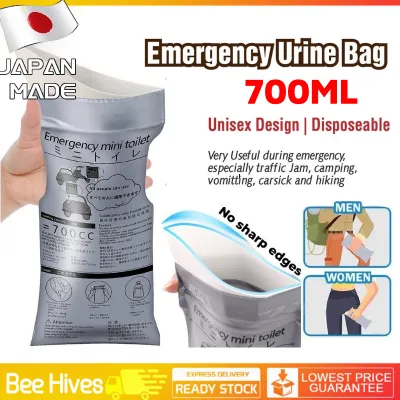
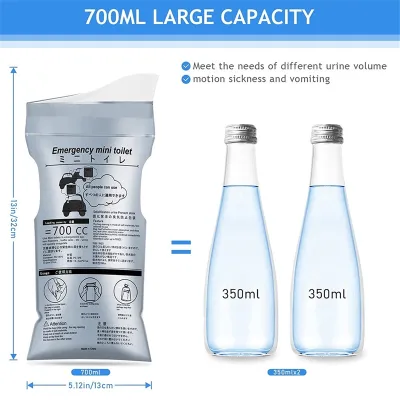
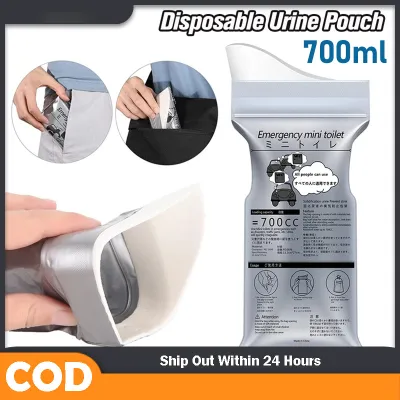
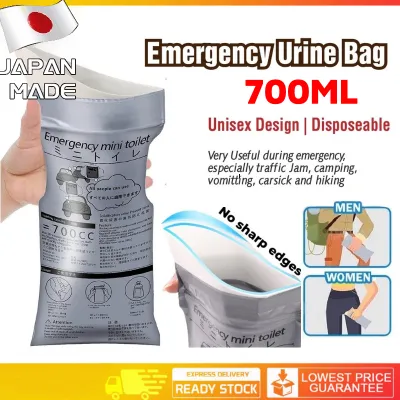
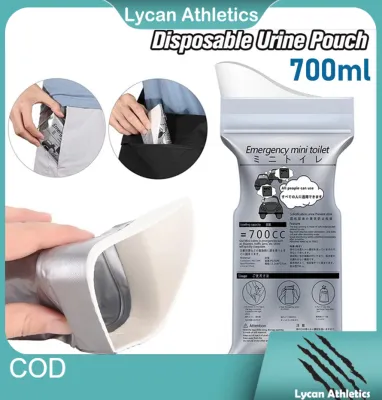
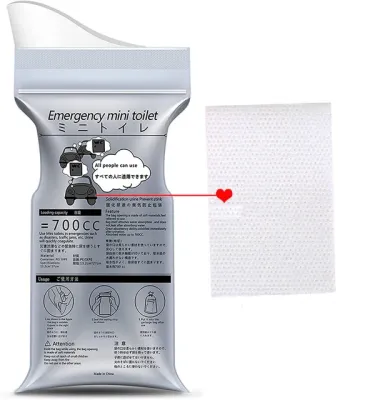
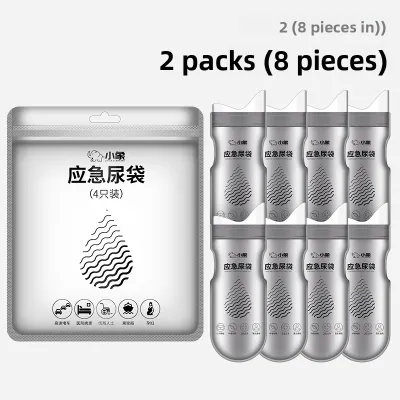
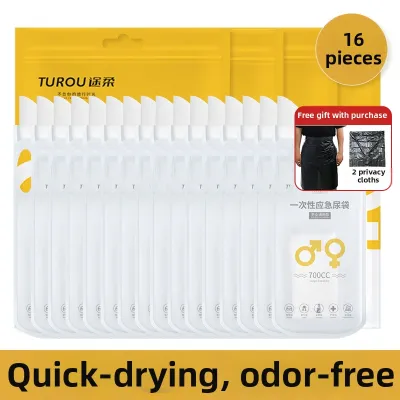
Prices are valid at publication and may change. Please refer to the product page for the latest price.
Public changing tables and restrooms in transit hubs or remote tourist spots may not always meet your standards of cleanliness, or they may be completely unavailable when an urgent need arises. An emergency pee bag acts as a reliable, hygienic bridge during these exact moments. It is designed to contain liquid waste quickly and cleanly, allowing you to manage the situation immediately without having to search frantically for a restroom. Recognizing this tool as a temporary backup rather than a primary diaper replacement helps you maintain high hygiene standards while enjoying your travel adventures.
Core Features to Evaluate When Choosing
To find a reliable emergency pee bag that won’t fail when you need it most, you must look past generic marketing claims and focus on specific, verifiable product specifications. Evaluating these features systematically allows you to choose a bag that is safe, easy to use, and highly effective. Use the following criteria to break down the critical physical and functional attributes of the bag before making a purchase.

Absorbency and Leak-Proof Construction
The primary function of any emergency pee bag is to contain liquid securely without any risk of spills. Most high-quality bags utilize superabsorbent polymer technology, which typically comes in the form of a powder or a pre-placed pad inside the bag. This material is designed to rapidly absorb liquid and convert it into a thick, spill-proof gel within seconds. When comparing options, check the manufacturer’s packaging for details on how quickly the gelling process occurs and what volume of liquid the bag can safely contain.
A secure sealing mechanism is equally vital to prevent leaks after the bag has been used. Look for bags equipped with heavy-duty, double zip-lock closures or high-strength adhesive strips that seal tightly. These closures ensure that once the liquid is gelled, the bag can be closed completely without any risk of leaking into your diaper bag or vehicle during transport. Always verify the maximum capacity stated on the packaging—typically ranging from 600 ml to 700 ml—to ensure it can easily handle your baby’s typical output with room to spare.
Size, Capacity, and Ergonomic Fit
The physical design of the bag’s opening is a crucial factor in preventing messy spills and ensuring your baby’s comfort. Look for bags that feature an ergonomically contoured opening, often made from soft, flexible materials like foam or pliable plastic. This curved design allows the bag to fit snugly against your baby’s body, creating a temporary seal that prevents urine from bypassing the bag and splashing onto clothing or car seats.
Additionally, consider the folded dimensions of the product. A travel-friendly emergency pee bag should fold down into a highly compact, flat shape that slides easily into a side pocket of your diaper bag, a glove compartment, or a small travel pouch. While many bags are designed with a unisex shape suitable for both boys and girls, some manufacturers offer gender-specific designs that optimize the catchment area for different anatomical needs. Choosing a design that matches your child’s developmental stage makes the process much smoother during an emergency.
Disposal Mechanism and Odor Control
Once the bag has been used, handling and disposing of it hygienically becomes the primary concern. In warm, humid tropical climates, heat can rapidly accelerate the development of unpleasant odors. Therefore, effective odor control is a non-negotiable feature. Look for bags that incorporate odor-neutralizing agents within the absorbent polymer or feature multi-layered, scent-blocking materials that keep odors contained.
Opaque outer layers are also highly desirable, as they discreetly conceal the contents of the bag during transport to a waste bin. Many products include built-in disposal bags or integrated twist-ties to make the sealing and disposal process even more secure. It is important to remember that these bags are strictly non-flushable; they must be disposed of in designated trash bins. Planning your disposal strategy ahead of time ensures you can manage the used bag responsibly without compromising hygiene.
Portability and Travel-Friendly Design
When an emergency strikes, every second counts, and how the product is packaged can greatly affect its usability. Individually wrapped bags are highly recommended for travel, as they remain clean, dry, and protected from moisture until the moment they are opened. This packaging style also allows you to pack just two or three bags in your active diaper bag rather than carrying a bulky box, saving valuable space for other essentials.
The durability of the bag’s exterior material is another key consideration. It must be tough enough to withstand being compressed, joystled, and rubbed against other items like keys, toys, and baby bottles inside a crowded bag without puncturing. Finally, compare multi-pack options to find the best value for your family. Calculating the cost per unit in Philippine Pesos (₱) helps you balance your travel budget while ensuring you always have an adequate supply of emergency backups on hand.
Building Your Condition-Based Shortlist
To choose the right emergency pee bag, start by defining your primary travel scenarios. If your family frequently embarks on long road trips, you may want to prioritize high-capacity bags with robust, double-sealed closures that can be safely stored in a car door pocket until you reach a disposal bin. If you primarily navigate malls, urban parks, or crowded public transit, a highly compact, ultra-flat design that fits into a small stroller organizer might be your top priority.
Create a checklist of your personal non-negotiables before you begin browsing online marketplaces or baby specialty stores. This checklist might include:
- A soft foam rim for skin comfort
- Rapid-gelling superabsorbent polymer
- An opaque outer layer for privacy
- Individually wrapped packaging
When comparing options, cross-reference the manufacturer’s product descriptions with real-world user reviews. Look specifically for feedback regarding how easily the seals close, whether the opening fits infants comfortably, and if there are any reported issues with slow gel activation. Keep in mind that individual experiences can vary, so focus on consistent patterns in user feedback rather than isolated complaints to make an informed decision.
Safe Usage and Hygiene Boundaries
While emergency pee bags are incredibly convenient, they must be used with strict adherence to safety and hygiene guidelines. These bags are designed solely as temporary catchment tools for active urination and should never be used as a long-term substitute for a proper diaper or a clean restroom facility. The absorbent gel and plastic materials are not formulated for prolonged contact with a baby’s highly sensitive skin.
Immediately after using the bag, thoroughly clean your baby’s skin with gentle baby wipes or clean water to remove any residual moisture and prevent irritation. Always follow the manufacturer’s specific instructions regarding age limits, weight ranges, and proper skin contact. If you observe any signs of redness, chafing, diaper rash, or allergic reactions after using a specific product, discontinue use immediately and consult a qualified pediatrician for professional guidance.
Frequently Asked Questions (FAQ)
Can I reuse an emergency pee bag if it was only slightly used?
No, emergency pee bags are strictly designed for single-use. Reusing a bag, even if it has not reached its maximum liquid capacity, poses significant hygiene risks. Once the absorbent polymer is exposed to urine, it becomes a breeding ground for bacteria and mold, especially in warm and humid conditions. Attempting to reuse the bag can lead to cross-contamination, unpleasant odors, and an increased risk of skin infections for your baby. Always dispose of the bag immediately after a single use.
Are emergency pee bags safe for newborns?
You must always check the manufacturer’s packaging for specific age, weight, or developmental recommendations before using an emergency pee bag on a newborn. Newborn skin is exceptionally thin, delicate, and highly susceptible to irritation from friction or chemical exposure. If the manufacturer indicates the product is suitable for infants, exercise extreme caution to ensure the rim of the bag does not chafe the skin, and monitor the area closely for any signs of redness or irritation. If any skin changes occur, stop using the product immediately.
Community discussion
Share your experience or ask a question. Comments are reviewed before publication.