
A well-designed pillow for a breastfeeding mom provides firm support, ergonomic shaping, and easy maintenance to ensure a proper latch and reduce physical strain. While standard cushions might seem sufficient initially, dedicated nursing pillows are engineered to bring the baby to the breast safely, preventing the mother from hunching over during frequent feeding sessions. In tropical climates like the Philippines, where high humidity and warm temperatures are daily realities, choosing a breathable fabric and a resilient filling is equally critical. Selecting a dedicated nursing pillow helps elevate your baby to breast height, protecting your posture and making frequent feeding sessions a more relaxed, bonding experience.
By establishing a stable platform, these specialized cushions minimize the physical effort required to hold your baby, allowing you to focus entirely on positioning and latching. This guide outlines the critical features to evaluate so you can select a pillow that supports both your comfort and your baby’s positioning.
Why Proper Positioning Requires a Dedicated Pillow
A newborn baby feeds up to twelve times a day, with each session lasting anywhere from twenty to forty-five minutes. Holding your baby’s weight for this duration without proper support quickly leads to muscle fatigue in your arms, shoulders, and upper back. Standard bed pillows are designed to compress under the weight of a head; when used for nursing, they flatten rapidly, forcing you to hunch forward to maintain the latch.
Products mentioned in this guide
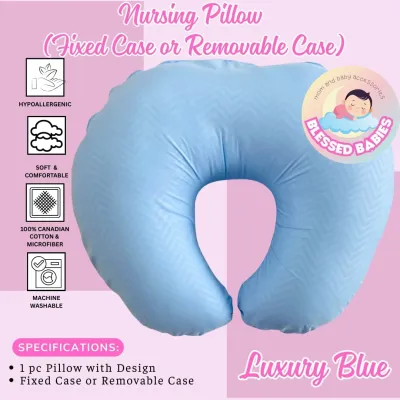
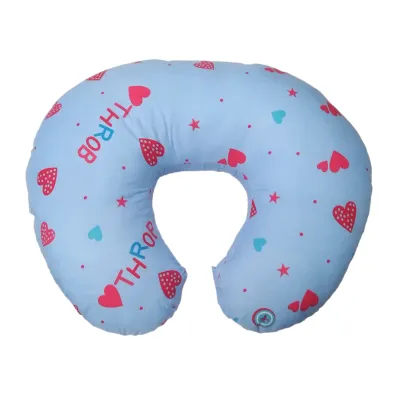
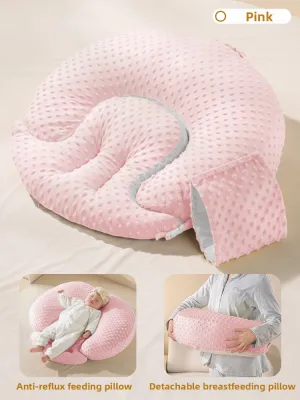
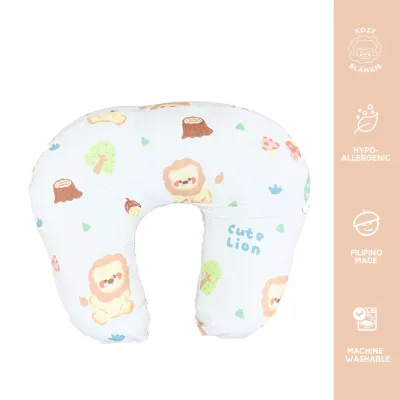

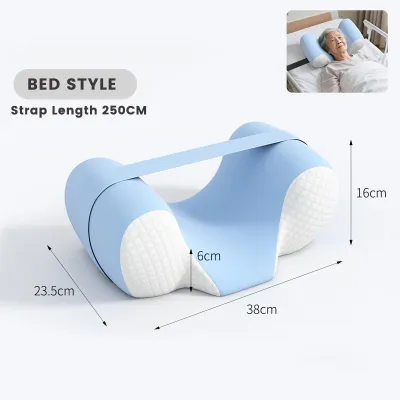
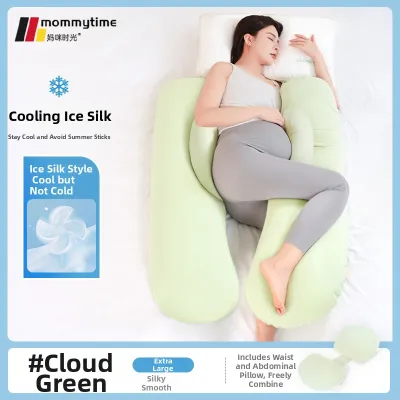
Prices are valid at publication and may change. Please refer to the product page for the latest price.
This forward-leaning posture, often called the “nursing slouch,” strains the cervical spine and can lead to chronic back and neck pain over time. A dedicated breastfeeding pillow is engineered with high-density materials that resist compression, maintaining a stable elevation that brings your baby directly to breast level. This stable platform allows you to sit upright, keeping your shoulders relaxed and your spine in a neutral position, which is vital for long-term physical comfort and successful lactation.
Furthermore, proper positioning is directly linked to a successful latch. When a baby is positioned too low or at an awkward angle, they may pull on the breast, leading to nipple soreness and inefficient milk transfer. By elevating the baby to the correct height, a dedicated pillow helps align the baby’s head, neck, and body in a straight line, making it easier for them to tilt their head back slightly and achieve a deep, comfortable latch.
Core Structural Features for Comfort and Support
The effectiveness of a nursing pillow relies on three primary structural pillars: its shape, its internal filling, and its overall dimensions. Together, these elements determine how well the pillow hugs your body, how effectively it resists the baby’s weight, and whether it can maintain an airway-safe feeding angle throughout the session.

Shape and Ergonomic Design
Ergonomic shapes are designed to solve specific positioning challenges. The classic C-shape wraps snugly around the front and sides of the torso, making it highly effective for traditional cradle or cross-cradle holds. However, you should carefully evaluate the inner curve radius of these designs; if the opening is too wide or lacks flexibility, a gap can form between the pillow and your abdomen, allowing the baby to slip or roll inward.
U-shaped pillows offer a slightly wider, more symmetrical surface, which is excellent for football holds or larger babies. Crescent-shaped designs provide a more tapered, flexible fit that can be shifted to one side, offering targeted support where it is needed most. Some advanced ergonomic models feature an integrated backrest or a dual-sided design—one side flat and firm for newborns, and the other side softer for older infants—ensuring the pillow adapts as your baby grows.
When selecting a shape, consider your body type and preferred feeding positions. If you have a larger waist or a petite frame, look for flexible materials that can expand or contract to fit your torso snugly. Some designs also feature a wider base at the sides to support your elbows, which further reduces the strain on your shoulder girdle during long feeding sessions.
Filling Material and Firmness Level
The internal filling directly dictates how the pillow performs under pressure and how comfortable it remains in warm weather. Polyester fiberfill is a common, lightweight option that offers a soft, plush feel, but it can lose its loft over time and may require frequent fluffing to prevent sagging. Memory foam provides excellent contouring and exceptional firmness, ensuring the baby remains at a consistent height without sinking.
However, solid memory foam tends to retain body heat, which can make feeding sessions uncomfortably warm in humid tropical environments. Microbead fillings offer high adjustability, allowing you to shift the beads to customize the height, but they may lack the rigid structural support needed for very young infants who require a highly stable surface.
When evaluating options, look for high-density foam or premium, resilient fiberfills that recover their shape quickly after compression. A nursing pillow must be firm enough to prevent your baby’s head from sinking, which could compromise their airway or disrupt their latch. Always check the manufacturer’s specifications for density and material recovery to ensure long-term durability.
Size, Thickness, and Adjustability
A pillow’s physical dimensions must align with both your body shape and your preferred feeding environment. The thickness of the pillow determines how much lift it provides; mothers with shorter torsos or larger busts may require a thinner profile, while taller mothers often need a thicker cushion to avoid leaning down.
Adjustable features, such as waist straps with buckles or hook-and-loop fasteners, are highly beneficial for securing the pillow tightly against your body. These straps prevent the pillow from drifting away as your baby moves, maintaining a secure, gap-free fit. Some modular designs include removable inserts or stackable layers, allowing you to fine-tune the height as your baby grows and requires less elevation.
Additionally, consider where you will feed most often. A very wide or bulky pillow may not fit between the armrests of a standard nursing glider or rocking chair. Measuring your primary seating space before purchasing is a practical step to avoid frustration and ensure the pillow fits comfortably in your home.
Practical Add-Ons and Maintenance Features
Beyond structural support, daily usability depends heavily on how easy the pillow is to clean and maintain. Breastfeeding is inherently messy; milk leaks, spit-up, and diaper accidents are inevitable parts of the journey. A removable, machine-washable cover is an absolute necessity rather than a luxury, allowing you to maintain a hygienic environment for your baby.
When selecting a cover, prioritize breathable, natural fabrics like 100% cotton or bamboo blends. These materials are gentle on a newborn’s sensitive skin and help dissipate heat, which is especially important in warm, humid climates. Check the manufacturer’s care labels to ensure the cover can withstand frequent washing and tumble drying without shrinking or losing its softness.
Zippers should be recessed or covered by a fabric flap to prevent them from scratching your skin or your baby’s delicate limbs. It is also wise to look for pillows that offer matching replacement covers sold separately. Having a spare cover on hand ensures you can continue using the pillow while one cover is in the wash.
For mothers who travel or move frequently between rooms, practical additions like integrated carrying handles, lightweight construction, or a foldable travel design can significantly enhance convenience. Some travel-friendly models are inflatable, allowing you to pack them flat in a diaper bag and inflate them only when needed, though you should verify that these models still offer adequate firmness when fully inflated.
How to Build Your Shortlist Based on Your Needs
To narrow down your choices, map your specific physical circumstances and recovery needs to the pillow’s design features. Your body’s requirements can change significantly depending on your delivery experience and your family structure.
If you are recovering from a Cesarean delivery, your abdominal area will be highly sensitive. Look for pillows with a flat or contoured underside that rests gently on your thighs without putting direct pressure on your incision site. A strap-free design or a very loose, adjustable belt is often preferred during this recovery phase to avoid any friction against the lower abdomen.
For mothers of twins planning to tandem nurse, standard pillows are generally insufficient. You will need a specialized, extra-wide U-shaped or wrap-around double-nursing pillow that offers symmetrical support on both sides of your body. This provides enough surface area to position both babies securely at the same time, allowing you to feed them simultaneously while keeping your hands relatively free.
If you have a smaller body frame or plan to feed on the go, avoid oversized, bulky cushions that can overwhelm your lap. Instead, focus on compact, streamlined designs equipped with secure waist straps to keep the pillow firmly anchored. Always cross-reference your personal requirements with the manufacturer’s detailed product descriptions, physical dimensions, and user manuals to ensure a precise match before making a final purchase decision.
Safety Checks and Manufacturer Guidelines
While a breastfeeding pillow is an invaluable comfort tool, it must be used with strict adherence to safety protocols to protect your baby. These pillows are designed solely for active, supervised feeding sessions and must never be used as a sleep surface, a lounger, or a propping device for an unsupervised infant.
The soft, contoured surface of a nursing pillow poses a significant suffocation risk if a baby rolls over or falls asleep on it. If your baby falls asleep during a feeding session, always transfer them to a safe, flat sleep surface, such as a crib or bassinet, in accordance with safe sleep guidelines. Never leave your baby unattended on or near a nursing pillow, even for a moment.
Always read the manufacturer’s safety warnings, weight limits, and age recommendations before use. Ensure your baby’s head is positioned high enough on the pillow to prevent their chin from pressing against their chest, which can restrict their airway. Regularly inspect the pillow for signs of wear and tear, such as loose seams, exposed filling, or worn-out zippers. If you notice any structural degradation or leaking filling materials, discontinue use immediately to prevent choking or suffocation hazards.
Frequently Asked Questions (FAQ)
Can I use a regular bed pillow instead of a specialized nursing pillow?
While you can use standard bed pillows in a pinch, they generally lack the firmness and specialized contouring required for comfortable, long-term nursing. Standard pillows are designed to compress easily, which often causes the baby to sink, forcing you to lean forward and strain your back. Stacking multiple bed pillows to achieve the correct height typically results in an unstable, slippery surface that requires constant readjustment during the feed, disrupting your baby’s latch and increasing your physical fatigue.
When should I stop using a breastfeeding pillow?
There is no universal age or weight limit for transitioning away from a breastfeeding pillow. Instead, the decision depends on your baby’s physical development and your own comfort. As babies develop stronger neck control, trunk stability, and the ability to sit independently, they naturally require less assistance to reach the breast. You can consider transitioning when your baby can maintain a deep, effective latch without extra elevation, or when you find that you can feed comfortably in various seating positions without experiencing back or shoulder strain.
Community discussion
Share your experience or ask a question. Comments are reviewed before publication.