
Choosing the right baby walker requires balancing entertainment with strict safety standards. If you are searching for a reliable “waker baby boy” model, the most critical features to prioritize are robust safety mechanisms, ergonomic support, and physical adjustability. Specifically, you must look for a wide, anti-tip base, stair-climb prevention friction pads, and a reliable braking system. Additionally, adjustable height settings and a supportive, high-back seat ensure your baby’s physical development is protected. This guide outlines the essential evaluation criteria and safety standards to help you assess the options available in the market.
Safety Mechanisms and Stability Standards
A baby walker must be built like a fortress to handle the energetic movements of a growing baby. The base of the walker is its primary defense against tipping. A safe walker features a wide, flared base that is significantly wider than the top frame. This design distributes weight evenly and prevents the unit from tipping over when your baby leans sideways to reach for an object or bumps into furniture. When evaluating models, look for a low center of gravity, which keeps the walker stable even during sudden bursts of speed.
Stair-fall prevention is another non-negotiable safety feature, especially in multi-level homes. High-quality walkers are equipped with friction pads or grip strips on the underside of the base. If a wheel slips over the edge of a step or a threshold, these pads immediately contact the floor, creating friction that stops the walker’s forward momentum. Some advanced models also feature specialized wheel locks that engage automatically when the sensor pads lose contact with a flat surface.
Products mentioned in this guide
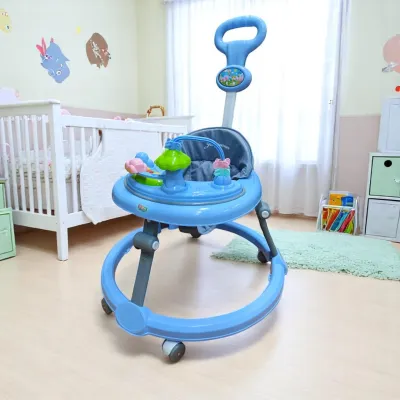
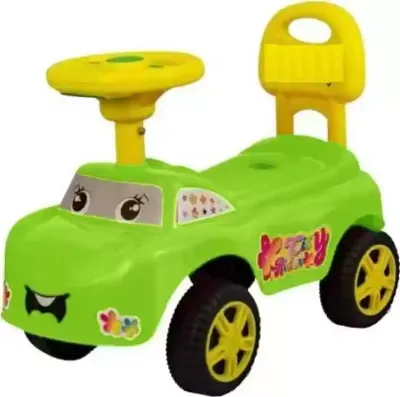
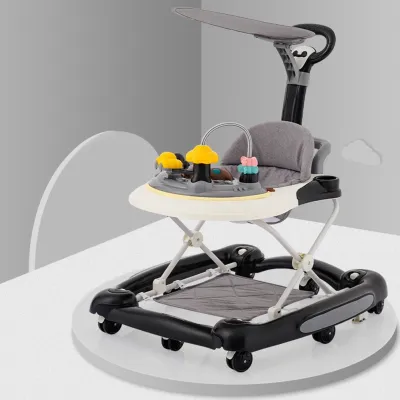
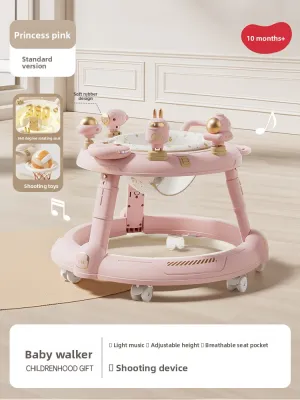

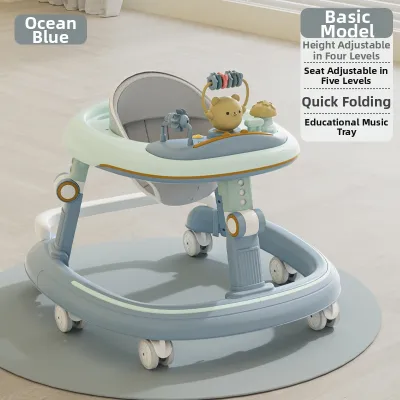
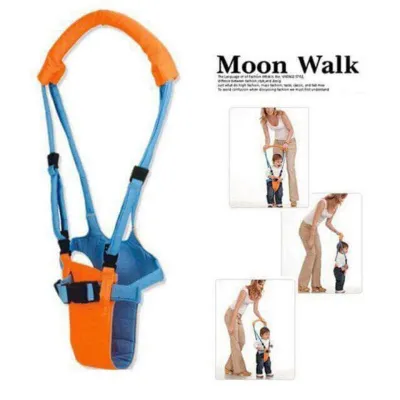
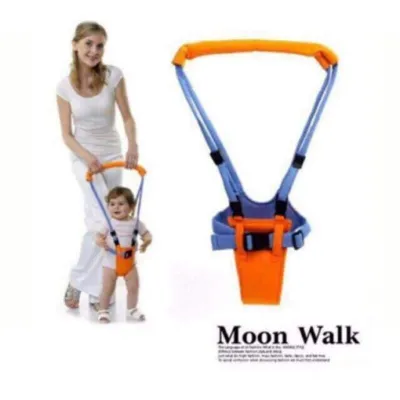
Prices are valid at publication and may change. Please refer to the product page for the latest price.
Braking systems and locking mechanisms are essential for times when you need the walker to remain stationary. Many modern walkers include built-in kickstands or wheel locks that convert the mobile unit into a stationary play center. This is highly useful during feeding times or when you want your baby to focus on the activity tray without rolling away. Always test these locks to ensure they cannot be easily disengaged by the baby’s kicking or shifting weight.
Before making any purchase, you must verify the manufacturer’s maximum weight and developmental stage limits. These specifications are typically printed on the product label or packaging. A walker that is too small can restrict movement and cause discomfort, while one that is too large may not provide adequate support, increasing the risk of injury. Never rely on general age recommendations alone; always match the walker’s specifications to your baby’s current physical measurements.
Ergonomics, Adjustability, and Physical Support
The physical design of the seat plays a crucial role in supporting your baby’s developing spine and hips. Look for a walker with a high, rigid backrest that provides firm support to the lumbar and thoracic regions. The seat should be heavily padded to cushion your baby’s hips, but the fabric must also be breathable. In the warm and humid climate of the Philippines, babies can quickly overheat and develop heat rashes. Opting for machine-washable, moisture-wicking fabrics ensures you can easily clean up spills and sweat, maintaining a hygienic environment.

Height adjustability is vital for promoting healthy walking habits. A proper walker should offer multiple height settings to accommodate your baby’s rapid growth. When your baby is in the walker, their feet must be able to rest flat on the floor. If the walker is set too high, the baby will only be able to reach the floor with their toes. Continuous toe-walking can strain the calf muscles and Achilles tendons, potentially leading to developmental delays or walking abnormalities. Conversely, if the walker is too low, the baby’s knees will bend excessively, which can strain their joints.
The design of the leg openings is another critical ergonomic factor. The openings should be wide enough to allow free movement without pinching or chafing your baby’s thighs. However, they must not be so large that the baby risks slipping through. Look for padded edges around the leg openings to minimize friction against delicate skin. Checking these dimensions is especially important for active babies who spend their time bouncing and kicking while exploring.
Activity Trays and Developmental Engagement
While safety and ergonomics are paramount, the activity tray is what keeps your baby engaged and entertained. Many walkers feature removable toy trays that can be detached to reveal a clean, flat surface. This dual-function design is highly practical, allowing you to use the tray for snacks, meals, or other independent toys. A removable tray also makes cleaning much easier, as you can wash it in the sink to remove food crumbs and sticky residue.
The interactive elements on the tray should encourage cognitive and motor skill development. Look for toys that offer sensory variety, such as tactile buttons, spinning gears, sliding beads, and gentle sound modules. These features help babies develop fine motor skills and understand cause-and-effect relationships. For instance, pressing a button to play a soft melody teaches them that their actions produce a specific result.
When browsing for a “waker baby boy” option, you will often encounter heavily gendered marketing, with designs featuring blue colors, cars, or sports themes. However, it is important to focus on the quality of the sensory engagement rather than these superficial themes. Babies do not have a preference for gendered toys; they benefit most from high-contrast colors, varied textures, and interactive elements that stimulate their curiosity. Choose a tray that offers a diverse range of activities to keep your baby mentally stimulated.
Portability, Storage, and Daily Maintenance
A baby walker should fit seamlessly into your household routine without becoming a constant obstacle. If you live in a smaller home, apartment, or a shared family space in the Philippines, space is often at a premium. Look for a walker with a compact folding mechanism that allows it to collapse flat. This feature makes it easy to slide the walker under a bed, tuck it behind a door, or pack it into the trunk of a car for family trips.
The wheels of the walker require careful consideration based on your home’s flooring. Smooth-rolling, non-marring wheels are ideal for hard tiled or wooden floors, as they prevent scratches and glide easily. If your home has carpets or rugs, you may need wheels with slightly more grip or adjustable resistance settings to prevent the walker from moving too quickly. Regardless of the floor type, you must regularly inspect the wheel axles. Hair, dust, and floor debris easily wrap around the axles over time, which can restrict wheel movement, cause uneven rolling, and create a tipping hazard.
Daily maintenance is essential for keeping the walker safe and sanitary. Fabric seats should be easy to detach and wash according to the manufacturer’s care label. Plastic frames and toy trays should be wiped down daily with a damp cloth and mild, baby-safe soap. Avoid using harsh chemical cleaners that could leave toxic residues on surfaces your baby might put their mouth on. Regular maintenance checks should also include inspecting the frame for any loose screws, cracked plastic, or worn-out fabric seams.
Building Your Shortlist: A Buyer's Evaluation Checklist
To help you navigate the many options available, use this structured, condition-based framework to evaluate and compare different baby walkers before making your final decision.
- Step 1: Verify Physical Readiness
Before looking at specific models, measure your baby's current weight and height. Compare these measurements against the manufacturer's specifications for each walker on your list. Ensure your baby has reached the necessary developmental milestones, such as being able to sit upright completely unassisted and showing signs of wanting to bear weight on their legs. - Step 2: Inspect Structural Safety Features
Examine the physical unit or detailed product schematics. Check for a wide, stable base that prevents tipping. Verify the presence of friction pads or stair-stop mechanisms on the bottom of the frame. Ensure the height adjustment mechanism locks securely into place and cannot be accidentally collapsed by your baby's movements. - Step 3: Assess Your Home Environment
Evaluate the floors where the walker will be used. If you have tiled floors, ensure the wheels roll smoothly but not too quickly. If you have stairs, double-check that you have secure baby gates installed, as friction pads are a secondary safety measure and should never replace physical barriers. Consider how much storage space you have and whether a folding model is necessary. - Step 4: Review the Product Manual and Guidelines
Read the manufacturer's instructions regarding supervision and usage limits. Standard safety guidelines recommend limiting walker use to short sessions of 15 to 20 minutes per day, always under direct and active adult supervision. Ensure you understand how to clean and maintain the specific materials of the walker to keep it in safe working condition.
Frequently Asked Questions (FAQ)
At what age or developmental stage is a baby ready for a walker?
A baby is typically ready to use a walker when they can sit upright completely unassisted and have developed enough neck and trunk control to support their own head steadily. They should also show an interest in standing or bearing weight on their legs when held upright. It is crucial to check the specific product’s minimum weight and age guidelines, as these vary by manufacturer. If you have any concerns about your baby’s motor development, muscle tone, or readiness for a walker, always consult your pediatrician before introducing one.
Are push walkers a safer alternative to traditional sit-in walkers?
Yes, push walkers are generally considered a safer alternative to traditional sit-in walkers. Structurally, push walkers require the baby to stand behind the toy and push it forward, which encourages natural walking mechanics, heel-to-toe movement, and active balance control. Because the baby is not suspended in a seat, they can easily step away if they lose balance, reducing the risk of tipping over or falling down stairs. However, regardless of the type of walker you choose, active adult supervision and a thoroughly baby-proofed environment are always mandatory to prevent accidents.
Community discussion
Share your experience or ask a question. Comments are reviewed before publication.