
When feeding your baby on the go, having a reliable baby milk container is the difference between a smooth outing and a stressful, messy cleanup. The most critical features to prioritize are robust leak-proof seals, dependable temperature control, and practical portability. Whether you are navigating a quick trip to a local mall, waiting at a pediatric clinic, or embarking on a long provincial road trip, your choice of container directly impacts how easily and safely you can feed your little one.
In the warm and humid climate of the Philippines, milk safety and container hygiene require extra vigilance. High ambient temperatures can accelerate bacterial growth in prepared milk, while sudden bumps during transit can turn a poorly sealed container into a diaper bag disaster. To make an informed choice, parents must look past marketing claims and carefully evaluate manufacturer specifications, material safety standards, and physical design elements.
Leak-Proof Mechanisms for Spill-Free Travel
A spilled container of breastmilk or formula can disrupt your entire feeding schedule while away from home. To prevent these mishaps, closely examine the sealing technology of any baby milk container you consider.
Products mentioned in this guide
Prices are valid at publication and may change. Please refer to the product page for the latest price.
Screw-on caps with integrated silicone rings offer a highly secure barrier against leaks. The silicone gasket creates a tight, flexible seal that fills microscopic gaps between the lid and the container rim. Snap-lock lids with lateral latches provide excellent structural security, provided you verify that all latches are fully engaged. Flip-top valves offer quick, one-handed access, but they can sometimes pop open if they rub against other items inside a packed diaper bag.
Before relying on any container, consult the manufacturer’s instructions regarding maximum fill lines and pressure limits. Overfilling can compromise the seal, especially when temperature changes cause air inside the vessel to expand. This is common when moving from an air-conditioned vehicle into humid outdoor air.
To ensure your container is ready for travel, perform a simple water test at home. Fill the container with water, seal it tightly, and lay it on its side for several hours. Observing how the seal performs under these controlled conditions gives you peace of mind before packing it alongside dry clothes and electronics.
Temperature Control and Material Safety
Maintaining a safe temperature for your baby’s milk is crucial, especially during hot afternoons. Because bacteria thrive in warm environments, selecting a container that aligns with standard pediatric health guidelines for milk storage is a top priority.

First, verify material safety by checking product packaging and labels. Look for clear indications that the container is made from food-grade materials and is certified free from Bisphenol A (BPA) and Bisphenol S (BPS). These chemical-free certifications ensure that no harmful substances leach into your baby’s milk, even when the container is exposed to heat.
When keeping milk cold or warm, do not assume a material will perform well simply because of its type. Instead, look for the manufacturer’s specific temperature retention ratings. High-quality insulated stainless steel containers often feature double-wall vacuum technology, which minimizes heat transfer. However, the exact duration of this insulation varies widely by brand and design. Always check the product manual to see how many hours the container is rated to keep liquids cold or hot.
Remember to cross-reference these manufacturer ratings with standard milk storage safety guidelines. Freshly expressed breastmilk or prepared formula has strict time limits when kept at room temperature. If you are traveling in tropical heat, use insulated containers paired with ice packs inside a cooler bag, rather than relying solely on passive insulation. Always prioritize safety by discarding any milk kept past the recommended safe window.
Portability and Design for Different Outings
The ideal baby milk container should fit seamlessly into your daily routine without adding unnecessary bulk to your gear. Different outings call for different capacities and physical designs, so it is helpful to assess your typical travel scenarios.
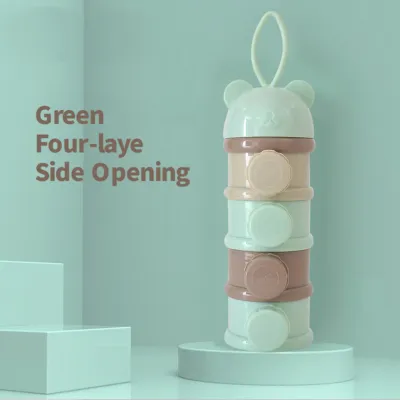
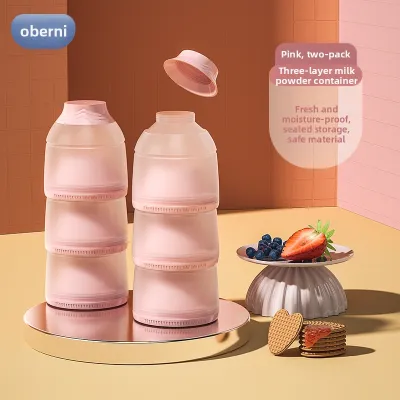
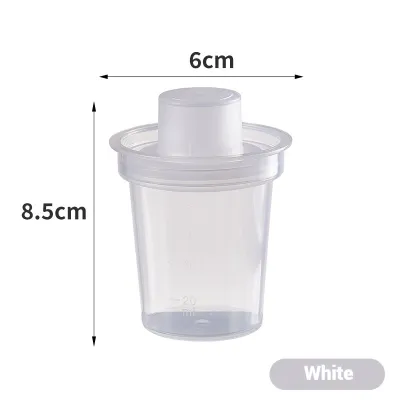
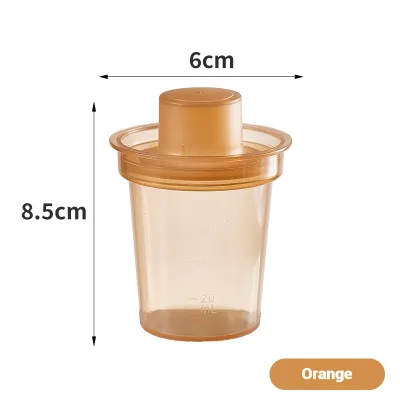
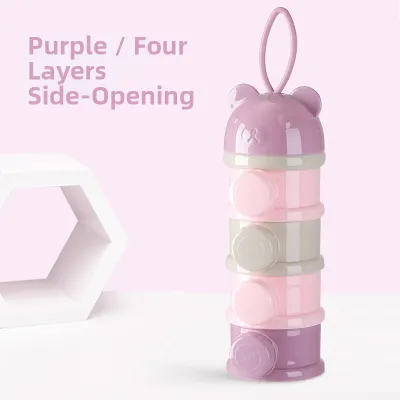
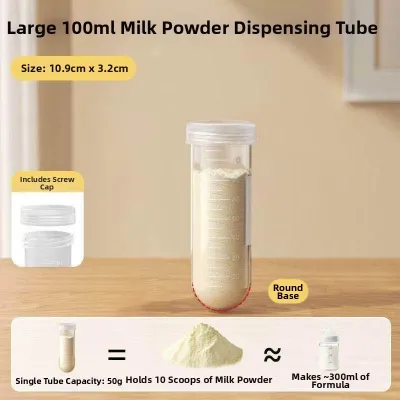
For short trips, such as a routine checkup at the clinic or a quick stroll through the mall, a compact, single-serving container is often the most practical choice. These smaller containers take up minimal space and are easy to handle. Conversely, if you are planning an all-day trip or traveling to the provinces to visit family, you will need larger capacity containers or multi-compartment stackable dispensers that allow you to carry multiple pre-measured servings of formula or breastmilk safely.
Look for practical design features that simplify feeding when you are away from home. Ergonomic grips or textured surfaces prevent the container from slipping out of your hands when they are wet. Stackable designs allow you to lock multiple containers together vertically, saving valuable horizontal space in your bag. Additionally, check if the container is compatible with standard bottle nipples or formula dispensers, which can streamline the feeding process by reducing the need to transfer liquids between different vessels.
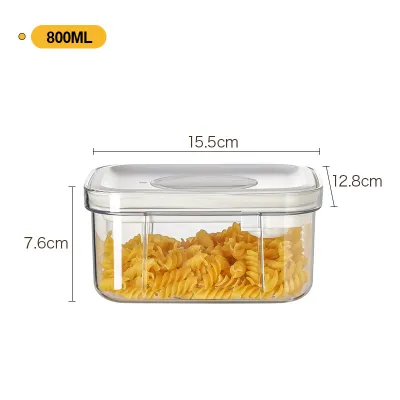
Before purchasing, consider the physical footprint of the container. Measure your diaper bag’s insulated pockets or side compartments to ensure the container will fit snugly. A container that is too wide or awkwardly shaped may force you to pack it horizontally, increasing the risk of accidental leaks and making it harder to access quickly when your baby is hungry.
Cleaning, Sterilization, and Maintenance
Maintaining strict hygiene while on the go is essential for protecting your baby’s developing immune system. A container that is difficult to clean can quickly become a breeding ground for bacteria, especially in warm, humid weather.
When evaluating containers, look for designs that promote easy cleaning. Wide-mouth openings allow you to reach every corner with a bottle brush, while smooth interior walls without sharp angles or deep crevices prevent milk residue from building up. Avoid containers with overly complex lid mechanisms or non-removable parts, as these areas are highly susceptible to mold growth.
Always verify the manufacturer’s approved sterilization methods before exposing the container to high heat. Some materials can safely withstand steam bags, UV sterilizers, or boiling water, while others may warp, crack, or degrade. Check the product manual for the exact temperature thresholds to ensure you do not inadvertently damage the seals or the structural integrity of the container.
If you must clean the container while away from home, establish a safe, basic routine. Carry a small travel bottle of baby-safe dishwashing liquid and a dedicated travel brush. Use clean, potable water to wash and rinse the container thoroughly. Whenever possible, allow the components to air-dry completely on a clean surface rather than wiping them with a shared towel, which can reintroduce bacteria.
Matching the Container to Your Specific Routine
Choosing the right baby milk container ultimately depends on your lifestyle and how you prefer to feed your baby. By matching the container’s features to your most common daily activities, you can avoid overspending on unnecessary features.
To guide your decision, use a simple checklist based on your routine:
- Daily Commutes and Mall Trips: Prioritize lightweight, compact containers with quick-access lids that fit easily into a standard diaper bag pocket.
- Long-Distance Travel: Focus on high-capacity, stackable containers with robust screw-on seals and excellent temperature retention capabilities.
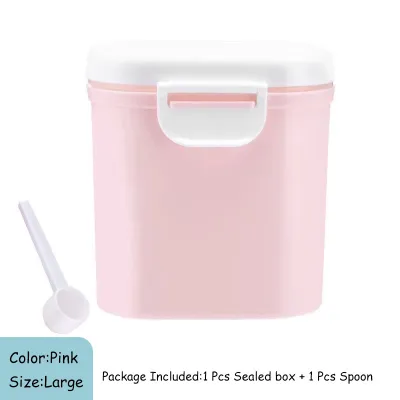
- Mixed Feeding Routines: Look for versatile systems that accommodate both liquid storage and dry formula dispensing to keep your options open.
While it might be tempting to buy a single container that claims to do everything, investing in two different types—such as a small, lightweight one for quick errands and a larger, insulated one for long trips—often provides the best practical balance. Focus on the features that address your daily challenges, ensuring a safe, stress-free feeding experience for both you and your baby.
Frequently Asked Questions (FAQ)
Can I use a regular water bottle for storing baby milk?
No, it is not recommended to use standard water bottles for storing baby milk. You must verify that any container used for infant feeding is made from certified food-grade, BPA-free materials that do not leach chemicals. Additionally, regular water bottles often lack the specialized, airtight sealing mechanisms required to prevent milk contamination and cannot safely withstand the high temperatures needed for proper sterilization.
How do I know if the silicone seal needs replacing?
You should regularly inspect the silicone seals on your baby milk container for visible signs of wear and tear. If you notice any discoloration, stiffness, cracking, stretching, or persistent odors that remain after thorough washing, the seal is compromised and should be replaced. Always consult the manufacturer’s care instructions to check for a recommended replacement schedule and to see if they offer official spare parts.
Community discussion
Share your experience or ask a question. Comments are reviewed before publication.