
A stuffy nose can be incredibly distressing for both babies and parents. Because infants are obligate nasal breathers—meaning they naturally breathe almost exclusively through their noses for the first few months of life—even mild nasal congestion can disrupt their ability to sleep, feed, and rest comfortably. Unlike older children, babies cannot blow their own noses to clear their airways, leaving them entirely dependent on caregivers to help them find relief.
To manage a stuffy nose effectively at home, you do not need a cabinet filled with complicated remedies. Instead, pediatric experts recommend focusing on a simple, highly effective trio of items for your baby’s medicine kit: sterile saline nasal drops or sprays, a reliable nasal aspirator, and a cool mist humidifier. Together, these three tools work in harmony to thin stubborn mucus, safely extract it, and maintain a comfortable breathing environment.
Having these essential items prepared in advance ensures you can act quickly and calmly when congestion strikes. This guide will help you understand how to select, safely use, and maintain each of these core products, while also highlighting which remedies you must avoid to keep your baby safe.
Products mentioned in this guide
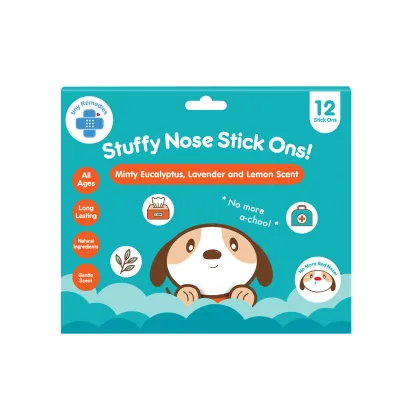
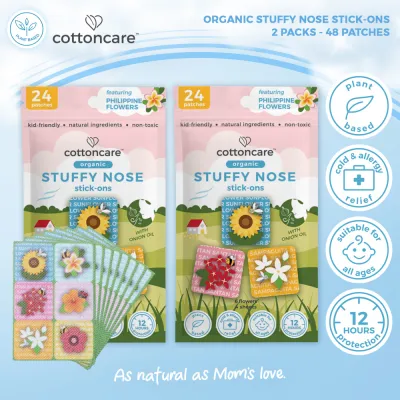
Prices are valid at publication and may change. Please refer to the product page for the latest price.
Saline Nasal Drops and Sprays: The First Line of Defense
When a baby has a stuffy nose, the mucus inside their nasal passages often becomes thick, dry, and difficult to clear. Sterile saline is the absolute foundation of infant congestion relief because it naturally hydrates and thins this mucus without the use of active pharmaceutical ingredients. By introducing a mild salt-water solution into the nasal passages, you loosen stubborn blockages, making it significantly easier to clear the airway naturally or with the help of an aspirator.
For newborns and young infants under six months of age, sterile saline nasal drops are the preferred choice. Drops are exceptionally gentle and can be easily administered while your baby is lying flat on their back. For older babies and toddlers who may resist lying down, a saline nasal spray that delivers a gentle, micro-fine mist can be more practical, as it can be administered while the child is sitting upright.
When shopping for saline products in the Philippines, prioritize sterile, preservative-free formulas. Preservatives can sometimes irritate a baby’s sensitive nasal lining, especially with repeated use. You will generally find two packaging options in local pharmacies:
- Single-Use Plastic Vials: These small, twist-off plastic ampoules (typically 5ml or 10ml) are highly hygienic. Because they are discarded after a single day of use, they carry virtually zero risk of introducing bacteria back into your baby's nose. They are excellent for newborns but tend to be slightly more expensive per milliliter.
- Multi-Dose Squeeze Bottles: These are highly convenient and cost-effective, usually ranging from ₱150 to ₱400. However, you must be careful not to let the nozzle touch the inside of the baby's nose, as releasing the squeeze pressure can draw nasal fluids back into the bottle, contaminating the remaining solution.
Regardless of the format you choose, always establish a strict safety boundary: never use medicated decongestant nasal drops or sprays on an infant unless they are explicitly prescribed by your pediatrician. Over-the-counter medicated sprays designed for adults or older children can cause dangerous systemic side effects in infants, including rapid heart rate, and can lead to severe rebound congestion that makes breathing even more difficult.
Nasal Aspirators: Bulb Syringes vs. Modern Alternatives
Once the saline drops have thinned the nasal mucus, a nasal aspirator is used to physically extract it. Choosing the right aspirator depends on your baby’s age, their tolerance for the device, and your budget. There are three main types of aspirators available, each with its own set of advantages and operational techniques.

Bulb Syringes (Traditional and Affordable)
The classic rubber bulb syringe is a staple in many newborn care packages and is widely available in local drugstores across the Philippines for around ₱100 to ₱300. These devices are completely silent, highly affordable, and require no batteries or external power sources, making them incredibly convenient for quick travel kits.
However, traditional bulb syringes have notable limitations. Because they are opaque, it is impossible to see if the interior has been thoroughly cleaned and dried. Over time, the dark, moist environment inside the rubber bulb can become a breeding ground for mold and bacteria. Additionally, controlling the exact suction strength can be difficult, which increases the risk of irritating the delicate tissues inside your baby’s nose if used too aggressively.
To use a bulb syringe safely and effectively, follow this sequence:
- Squeeze the air out of the bulb before you place the tip near the baby's nose.
- Gently insert only the very edge of the silicone or rubber tip into one nostril, aiming slightly outward toward the ear rather than straight up the nasal bridge.
- Slowly release your thumb pressure to draw the thinned mucus into the bulb.
- Remove the syringe and squeeze the collected mucus onto a clean tissue.
Electric and Manual Tube Aspirators
Modern alternatives offer parents much better suction control, visibility, and hygiene. These are divided into manual tube aspirators and electric or battery-operated models.
Manual tube aspirators, often referred to as “snot suckers,” consist of a soft silicone nozzle, a flexible tube, and a mouthpiece. You place the nozzle at the entrance of your baby’s nostril and apply suction by inhaling through the mouthpiece. A built-in, replaceable hygienic filter completely blocks any mucus or bacteria from traveling up the tube, ensuring the process is perfectly sanitary for the caregiver. These manual models are highly favored because they allow you to intuitively adjust the suction strength with your own breath, and they disassemble completely for easy washing and sterilization.
Electric nasal aspirators are motorized, battery-operated, or USB-rechargeable devices that provide consistent, continuous suction at the press of a button. They typically cost between ₱1,200 and ₱3,500 in the Philippines. Many parents appreciate the convenience of one-handed operation, which leaves your other hand free to gently steady your baby. High-end electric models also feature transparent collection cups, multiple suction levels, and built-in music or colorful lights to distract and soothe a fussy infant.
When selecting a modern aspirator, keep these key criteria in mind:
- Transparency: Always choose a model with a clear collection chamber so you can inspect the color, consistency, and volume of the extracted mucus.
- Ease of Cleaning: Ensure all parts that come into contact with mucus can be easily disassembled, washed with warm soapy water, and sterilized according to the manufacturer's care instructions.
- Tip Material: Look for soft, medical-grade silicone tips that are gentle on inflamed nasal membranes.
Cool Mist Humidifiers for Nursery Use
While saline and aspirators address mucus directly, the surrounding air quality plays a massive role in how easily your baby can breathe. In the Philippines, many families rely on air conditioning to keep nurseries cool and comfortable in the tropical heat. However, air conditioning units continuously strip moisture from the air, creating a dry indoor environment that can dehydrate your baby’s nasal passages, causing mucus to harden and stick to the nasal walls.
Adding moisture back into the nursery air with a humidifier helps prevent these passages from drying out, keeping the natural mucus thin and fluid so it can drain easily. When selecting a humidifier for a baby’s room, you must adhere to a critical safety rule: always choose a cool mist humidifier (such as an ultrasonic or evaporative model). Never use a warm mist vaporizer or steam inhaler in a child’s room. Warm mist devices heat water to a boil, creating a severe risk of accidental steam burns or scalding if the unit is knocked over by a curious baby or toddler.
To find the right cool mist humidifier for your nursery, evaluate these essential features:
- Tank Capacity: Select a unit with a tank capacity of at least 1.5 to 2 liters. This ensures the humidifier can run continuously throughout the night (8 to 12 hours) without needing a midnight refill.
- Noise Level: Ultrasonic humidifiers are virtually silent, producing only a very quiet hum that acts as gentle white noise, which can actually help soothe your baby to sleep.
- Auto-Shutoff: Ensure the device has an automatic shutoff feature that triggers when the water tank runs completely dry, preventing overheating and saving energy.
Because humidifiers disperse moisture into the air your baby breathes, maintaining strict hygiene is mandatory to prevent the growth of mold, yeast, and bacteria. Empty and rinse the water tank daily, allowing it to air dry completely before refilling. Once a week, descale the unit using a mixture of white vinegar and water, following the manufacturer’s exact maintenance instructions. To prevent mineral dust from building up inside the machine and being released into the nursery, always fill the humidifier with distilled or purified water rather than tap water.
Products to Exclude from Your Baby Medicine Kit
When building a baby medicine kit, knowing what not to include is just as important as knowing what to buy. Many traditional remedies and over-the-counter products commonly used by adults are highly unsafe for infants and young children.
First, strictly avoid over-the-counter (OTC) oral cough and cold medicines. Pediatric societies worldwide, including the Philippine Pediatric Society, strongly advise against giving oral decongestants, antihistamines, or cough suppressants to infants and young children. Clinical studies have shown that these medications do not effectively reduce symptoms in babies, yet they carry significant risks of serious side effects, such as rapid heart rate, severe drowsiness, convulsions, and accidental overdose.
Second, keep adult-strength camphor and menthol chest rubs out of your baby’s reach. Traditional vapor rubs formulated for adults or older children contain high concentrations of active aromatic compounds. When applied to an infant’s chest or placed near their nose, these strong ingredients can actually irritate the baby’s sensitive airways, triggering bronchospasms and causing the body to produce even more mucus, which worsens the stuffy nose.
Third, do not diffuse essential oils, such as pure eucalyptus, peppermint, or tea tree oil, in your baby’s nursery or apply them directly to their skin. The volatile organic compounds in these oils are highly concentrated and can easily irritate an infant’s developing respiratory system, potentially triggering asthma-like symptoms or causing chemical irritation on sensitive skin. Always check product labels for specific age restrictions, and consult your pediatrician or a pharmacist if you are ever unsure about a product’s safety.
When to Seek Professional Medical Help
While a stuffy nose is usually a temporary discomfort caused by a common cold or environmental irritants, home care has its limits. Caregivers must be able to recognize the red flags that indicate a baby’s congestion requires immediate evaluation by a pediatrician or medical professional.
Monitor your baby closely and seek professional medical help immediately if you observe any of the following warning signs:
- Fever in Young Infants: Any fever (a rectal or forehead temperature of 38°C / 100.4°F or higher) in an infant under three months of age requires urgent medical attention.
- Breathing Difficulties: Watch for visible signs of respiratory distress, such as rapid breathing, flared nostrils, grunting sounds while breathing, or chest retractions (where the skin sucks in tightly around the ribs, collarbone, or under the chest when inhaling).
- Signs of Dehydration: A baby who cannot breathe easily through their nose may struggle to nurse or take a bottle. Watch for a significant decrease in wet diapers (fewer than six in a 24-hour period), a dry mouth, crying without tears, or extreme sleepiness.
- Prolonged Symptoms: If your baby's nasal congestion does not show signs of improvement after 7 days, or if it persists completely for more than 10 to 14 days, consult your doctor to rule out secondary infections or allergies.
- Behavioral Changes: Severe lethargy, extreme irritability that cannot be consoled, or a flat-out refusal to feed due to breathing struggles are critical signs that your baby needs to be evaluated by a healthcare professional.
Frequently Asked Questions (FAQ)
Can I use breast milk as nasal drops for my baby?
While breast milk is rich in antibodies and is a popular traditional home remedy in many cultures, pediatricians generally recommend using sterile, isotonic saline drops instead. Saline is specifically formulated, sterile, and pH-balanced to match the natural moisture of your baby’s nasal passages. Breast milk contains natural sugars and proteins that, if left inside the warm, dark nasal cavity, could theoretically encourage bacterial growth or leave a sticky residue that worsens blockages. For safe, consistent results, stick to sterile saline.
How often should I use a nasal aspirator on my baby?
You should limit the use of a nasal aspirator to 2 to 3 times a day. The best times to suction your baby’s nose are right before feedings—to help them latch and breathe easier while sucking—and right before bedtime to promote better sleep. Overusing an aspirator can irritate, inflame, and dry out the delicate nasal membranes. This irritation can actually trigger the body to produce even more mucus as a protective response, defeating the purpose of suctioning and potentially causing minor nosebleeds.
Is it safe to elevate my baby's crib mattress for congestion?
No, it is not safe to elevate your baby’s crib mattress or place pillows, wedges, or rolled towels under their head. According to strict safe sleep guidelines, infants must always sleep on a flat, firm, and clear surface to minimize the risk of Sudden Infant Death Syndrome (SIDS) and accidental suffocation. Elevating the mattress can cause your baby to slide down into an unsafe position, causing their chin to press against their chest, which can severely restrict or block their airway. To ease congestion safely during sleep, rely on a cool mist humidifier in the room and clear their nose with saline and an aspirator before putting them down to rest.
Community discussion
Share your experience or ask a question. Comments are reviewed before publication.