
Quick Answer: Which Ergobaby Model Should You Choose?
Choosing a baby carrier is one of the most significant decisions you will make as a parent, directly impacting your daily mobility and your baby’s comfort. With several options available from this popular brand, finding the right fit requires looking closely at your lifestyle, your baby’s age, and your physical comfort.
The Omni series offers the widest range of carrying positions, built-in storage, and integrated lumbar support from day one, though you must always verify newborn readiness on your specific model’s label.
If you prefer a streamlined profile without the extra bulk of a storage pouch, the Adapt series provides an adjustable ergonomic seat that narrows or widens to grow with your baby.
Products mentioned in this guide
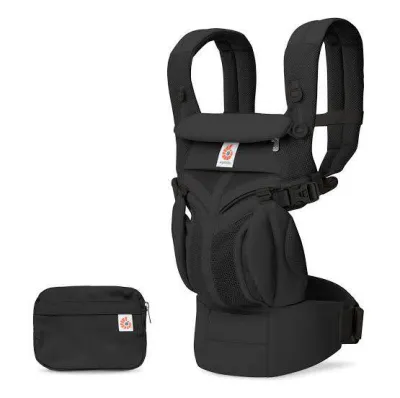
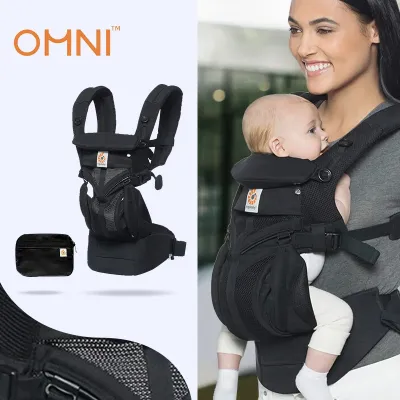
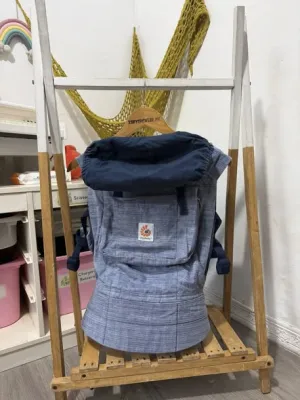
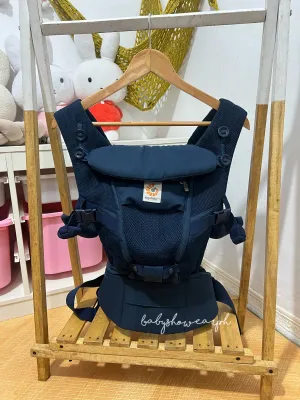
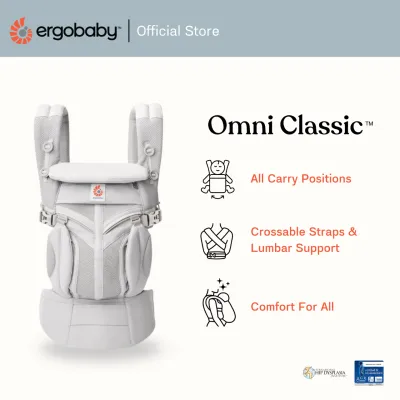
Prices are valid at publication and may change. Please refer to the product page for the latest price.
For those who appreciate a classic, foundational design and plan to carry older infants, the Original series remains a reliable choice, though you must check the specific age and weight limits as older designs often require a separate infant insert.
However, if your baby has specific medical needs or if you experience chronic back issues, these standard models may not be suitable; always consult a pediatrician or a physical therapist before using any baby carrier.
Core Design Differences: Omni vs Adapt vs Original
To make an informed choice, it helps to understand how these three product families differ in their physical construction and built-in features.

The Omni series is designed as an all-in-one solution, typically featuring robust lumbar support, crossable shoulder straps, and a detachable storage pouch for small essentials. Depending on the specific stock keeping unit (SKU) you select, you will find variations in materials, such as breathable 3D air mesh or soft brushed cotton, which directly affect how the carrier handles heat and moisture.
In contrast, the Adapt series focuses on simplicity and gradual adjustment. Its standout feature is an innovative seat that adjusts using hook-and-loop tabs or snaps, allowing you to customize the seat width as your baby grows without needing extra accessories. To maintain a lightweight and streamlined profile, the Adapt usually omits the external storage pouch found on the Omni, making it a favorite for caregivers who prefer minimal bulk.
The Original series represents the brand’s classic design heritage, featuring a structured main panel and a fixed seat width. Because of this fixed structure, older iterations of the Original series typically require a separate padded infant insert to safely support a newborn. If you are considering an Original model, it is crucial to verify whether the specific package includes this insert or if you need to purchase it separately.
Keep in mind that “Omni”, “Adapt”, and “Original” are broad family names rather than single products. You should always check the exact model name, such as the Omni Breeze or Adapt Cool Air Mesh, printed on the product tag or packaging to confirm the precise features, fabric types, and structural specifications of the carrier you are holding.
Matching the Carrier to Your Baby's Developmental Stage
Your baby’s physical development is the primary factor that dictates which carrier is safe and comfortable to use at any given time.
When transitioning a newborn into a carrier, you must first verify the minimum weight and height requirements printed on the product’s safety label. Never assume a carrier is safe for a newborn simply because of its model name; some designs require your baby to reach a specific developmental milestone or weight threshold before their first ride.
Proper hip and spine development relies on maintaining an ergonomic “M” position, where your baby’s knees are supported higher than their hips. Genuine carriers in these lines are engineered to facilitate this healthy alignment, but you must actively adjust the seat width settings according to the step-by-step instructions in your manual to match your baby’s current size.
Before you attempt to carry your baby in an outward-facing position, you must verify that they have achieved full head and neck control. Outward-facing positions place different physical demands on a baby’s spine and neck, and placing an infant who lacks sufficient muscle strength in this position can lead to airway compromise or physical strain.
Finally, always check the maximum weight capacity printed on the carrier’s tag to determine its safe usable lifespan. As your child approaches this limit, the carrier’s structural support may no longer distribute weight effectively, signaling that it is time to transition to a toddler-specific carrier or another carrying method.
Evaluating Caregiver Comfort and Carrying Positions
A carrier must support the caregiver’s body just as well as it supports the baby, especially during long walks or busy days at home.
The waistband design plays a critical role in distributing your baby’s weight away from your shoulders and onto your hips. While some models come equipped with an integrated, heavily padded lumbar support pad, other models feature a simpler, streamlined waistband. You should check the product specifications to see if a lumbar pad is included with your chosen model or if it must be purchased as an add-on accessory.
Shoulder strap configurations also vary, offering either parallel H-back straps or crossable X-back straps. Crossable straps allow you to distribute weight more evenly across your upper back, which many caregivers find more comfortable for narrower shoulders or longer carrying sessions. Testing both configurations can help you determine which style aligns best with your body type and posture.
When evaluating carrying positions, remember that standard options include front-inward, front-outward, hip, and back carrying. However, you must consult your specific model’s instruction manual to confirm which of these positions are approved for your baby’s current weight and developmental stage, as some models do not support outward-facing or hip carry.
In warm and humid environments, such as the tropical climate of the Philippines, fabric breathability becomes a vital comfort factor. Checking the fabric composition on the product tag is essential; choosing lightweight mesh variants over heavy cotton can prevent overheating and keep both you and your baby comfortable during outdoor activities.
Budget, Value, and Making Your Final Decision
Finding the right balance between cost and functionality ensures you get the best value out of your investment without compromising on safety.
To verify current pricing, check the official brand website or authorized local retailers in your area, as prices fluctuate based on seasonal promotions, material choices, and specific SKUs. While premium models may require a higher initial investment in Philippine Pesos (₱), they often include features that save you from buying separate accessories later.
When weighing cost against features, consider your daily routine and environment. If you live in a hot climate and plan to use the carrier daily for outdoor errands, paying a premium for specialized mesh fabrics and integrated storage may be highly practical. Conversely, if you only plan to use the carrier occasionally indoors, a simpler cotton model from the Adapt or Original line may serve you perfectly.
Because baby gear is a major market, counterfeit carriers are a serious safety hazard. Always purchase your carrier from authorized stores and inspect the product for genuine safety labels, high-quality stitching, robust buckles, and a valid manufacturer warranty card before placing your baby inside.
Lastly, look into the retailer’s trial and return policies before finalizing your purchase. Every caregiver’s body is unique, and having the option to try the carrier at home with a weighted pack or under safe conditions allows you to ensure a comfortable fit before committing to the purchase.
Frequently Asked Questions (FAQ)
Can I use an Ergobaby carrier for a premature baby?
You must consult your pediatrician before using any baby carrier for a premature infant. Manufacturer weight limits printed on the packaging are absolute minimums, and premature babies often require specialized medical clearance to ensure their airways remain completely unobstructed and their developing spines are fully supported.
Do I need to buy a separate infant insert for the Adapt or Omni?
Most modern Omni and Adapt models are engineered to be used directly from birth without a separate infant insert, provided your baby meets the minimum weight and height requirements on the product tag. However, you must always check your specific model’s manual, as older Original models and certain legacy designs still require a separate insert to keep newborns safe.
How do I clean my Ergobaby carrier?
To clean your carrier safely, always check the care label sewn directly into the fabric. Generally, most models are machine washable in cold water on a gentle cycle using mild detergent, and they must be air-dried completely. Avoid using bleach or fabric softeners, and ensure all buckles are fastened before washing to prevent damage to the hardware.
Community discussion
Share your experience or ask a question. Comments are reviewed before publication.