
Selecting the ideal XXL diaper for an active toddler in the Philippines involves balancing physical fit, absorbent capacity, and skin comfort under humid tropical conditions. As toddlers grow more active, their movement patterns demand a diaper that stays secure without restricting mobility or causing friction. While Equator, Pampers, and Huggies all offer XXL sizes designed for older toddlers, each brand utilizes distinct cuts, waistband designs, and core technologies. Finding the right option requires observing how each diaper conforms to your child’s unique build, checking for signs of leakage or skin irritation, and calculating the overall value based on your household budget.
Rather than declaring a single universal winner, parents must evaluate how these brands perform against their toddler’s specific physical needs. An active toddler who is constantly running, climbing, and jumping requires a diaper that moves with them while maintaining a reliable seal around the legs and waist. By understanding the design differences between Equator, Pampers, and Huggies in the XXL size range, you can make an informed decision that supports your child’s daily adventures and keeps their skin dry and healthy.
Understanding the XXL Size Range and Fit Standards
Diaper sizing is not standardized across brands, meaning an XXL diaper from one manufacturer may fit differently than an XXL from another. Generally, the XXL size range is designed for toddlers weighing 15 kilograms and above, but parents should always verify the specific weight guidelines printed on the packaging of each brand. These guidelines serve as a starting point, but your toddler’s unique body shape—whether they have a rounder tummy, chunky thighs, or a leaner build—will ultimately determine how well a diaper fits.
Products mentioned in this guide
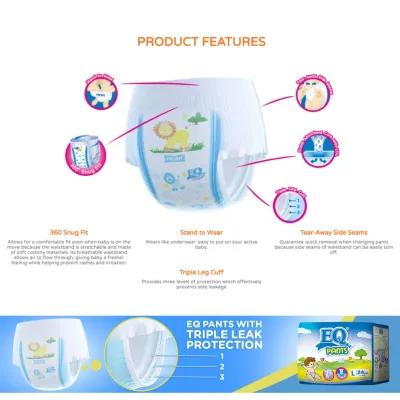
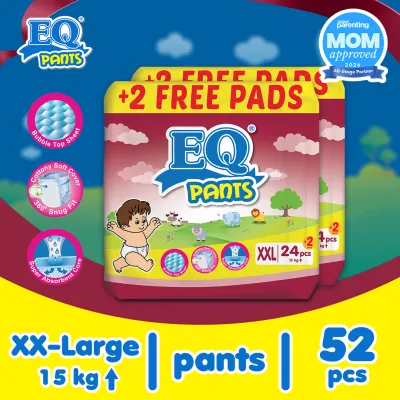
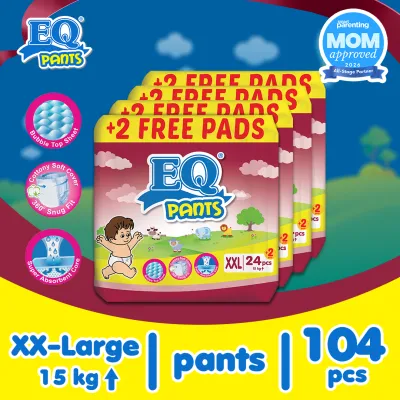
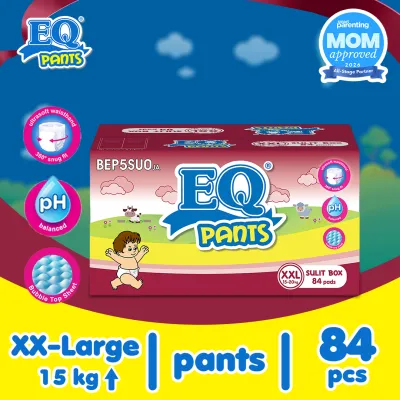
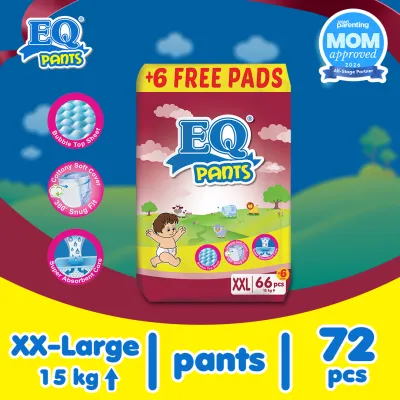

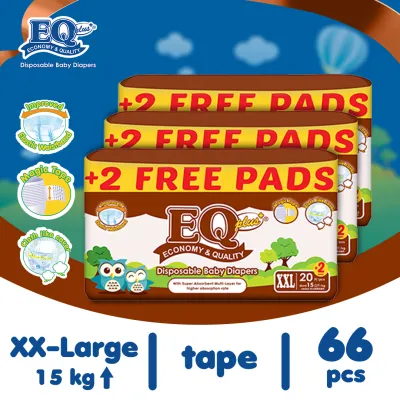
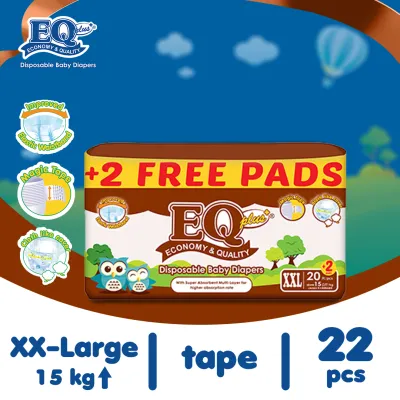
Prices are valid at publication and may change. Please refer to the product page for the latest price.
To ensure a proper fit, caregivers should perform several observable checks during daily use. First, examine the waistband: it should sit comfortably above the hips without digging into the skin. You should be able to slide two fingers easily between the waistband and your toddler’s tummy. Next, inspect the leg cuffs; they should wrap snugly around the thighs without leaving deep red marks, yet remain free of gaps that could allow liquid to escape. Finally, check the rise length, which is the distance from the front waistband, through the crotch, to the back waistband. The diaper should cover the belly button or sit just below it, providing full coverage at the back.
The cut and shape of the diaper also play a significant role in mobility. Some brands feature a wider, more traditional saddle cut that provides generous coverage, which can be beneficial for toddlers with a robust build. Other brands utilize a slimmer, more contoured profile that reduces bulkiness between the thighs. A slimmer cut can enhance freedom of movement, allowing active toddlers to walk, run, and climb with less restriction, especially when wearing lightweight tropical clothing.
Comparing Absorbency and Leak Protection for Active Toddlers
Absorbency is critical for active toddlers who consume more liquids and produce larger volumes of urine. When comparing Equator, Pampers, and Huggies, parents should look at the core absorbent technologies described on the product packaging. Many modern diapers utilize Superabsorbent Polymers mixed with cellulose pulp to lock moisture away from the skin. Some designs feature specialized channels that distribute liquid evenly throughout the core, preventing the diaper from sagging or clumping in one spot as it fills.

Leak protection during high-movement activities relies heavily on the design of the leg cuffs and waistband. Look for diapers that feature double leak guards—elasticized inner barriers that run parallel to the outer leg cuffs. These guards provide an extra line of defense against side leaks when your toddler twists or bends. The elasticity of the waistband is equally important; a highly flexible, stretchy waistband helps keep the diaper flush against the lower back, reducing the risk of blowouts during active play or when the toddler sits down abruptly.
Even with advanced absorbency features, parents must monitor the diaper for signs of capacity limits. Heavy sagging, a damp outer cover, or a toddler pulling at their diaper are clear indicators that the absorbent core is saturated. In the warm, humid climate of the Philippines, relying too long on a diaper’s maximum capacity can lead to skin breakdown. Adjusting your changing routine to ensure regular intervals, rather than waiting for the diaper to reach its absolute limit, is the most effective way to maintain dryness and prevent leaks.
Evaluating Comfort, Breathability, and Skin Sensitivity
The combination of friction from active movement and high ambient humidity makes toddler skin highly susceptible to irritation. When evaluating diaper comfort, the texture of the top sheet—the layer in direct contact with the toddler’s skin—is a primary consideration. Some diaper lines feature a cotton-like, textured top sheet designed to minimize contact points with wetness, while others use a smooth, synthetic non-woven fabric. Parents can assess this by feeling the inner liner of the diaper before use to ensure it feels soft and non-abrasive.
Breathability is essential for preventing heat buildup and localized sweating, which can lead to heat rash, commonly known as bungang-araw. Look for product specifications that highlight breathable outer covers, micro-pores, or air-flow channels. These features allow hot air and moisture vapor to escape from inside the diaper while keeping liquid contained. A breathable diaper helps maintain a cooler skin temperature, which is particularly beneficial during warm afternoons or outdoor play sessions.
Caregivers must remain vigilant for signs of skin distress, such as redness, chafing along the elastic bands, or small red bumps. Friction from a diaper that is too tight or has rough edges can quickly irritate sensitive skin. If you observe persistent redness, broken skin, or a worsening rash, discontinue use of that specific diaper brand or style immediately. Keep the area clean and dry, and consult a pediatrician or qualified healthcare professional for appropriate guidance and treatment.
Assessing Price and Availability in the Philippines
Managing household expenses requires a practical approach to diaper purchasing, especially since XXL sizes generally carry a higher cost per unit than smaller sizes. To accurately compare the value of Equator, Pampers, and Huggies, parents should calculate the cost per piece. To do this, divide the total price of the pack by the number of diapers inside. Comparing this unit cost across different pack sizes—such as mega packs, economy packs, or travel bundles—helps identify the most economical option for your household budget.
Availability is another practical factor to consider. XXL diapers are less commonly stocked in smaller neighborhood convenience stores or sari-sari stores, which typically carry smaller sizes. To secure a steady supply, parents usually need to visit major supermarkets, department stores, or official brand stores on authorized online marketplaces. Purchasing in bulk from official channels often provides access to better unit pricing and ensures you do not run out of stock unexpectedly.
When shopping online or at local retailers, verifying product authenticity is crucial for safety. Counterfeit or unauthorized parallel-import diapers may not adhere to the same quality control and safety standards as official products, potentially exposing your toddler to harsh chemicals or substandard materials. Always inspect the packaging for intact seals, clear manufacturing and expiration dates, and official distributor labels. Purchasing directly from authorized retailers or official brand stores is the safest way to ensure product quality.
Decision Framework: Which XXL Diaper Fits Your Toddler Best?
Selecting the right XXL diaper involves matching your toddler’s physical build and your family’s lifestyle to the specific characteristics of each brand. Because no single diaper fits every child perfectly, a conditional approach is the most reliable way to find the best match.
Consider choosing Equator XXL if your primary goal is finding a budget-conscious diaper that offers a classic, generous cut. This brand is often well-suited for toddlers with a rounder physical build who benefit from a wider waistband and a straightforward, reliable design for daytime wear. It provides a practical balance of utility and value for families managing daily diapering costs.
Consider choosing Pampers XXL if your toddler benefits from a thinner, less bulky profile that fits snugly under clothing. This option is often preferred for highly active toddlers who require flexibility and a soft, highly stretchable waistband that conforms closely to a slimmer or average build. The lightweight design is particularly suitable for minimizing bulk during hot, humid days.
Consider choosing Huggies XXL if your toddler is exceptionally active and requires robust leg cuffs to prevent leaks during vigorous movement. The structured shape and secure fastening systems are designed to stay in place during climbing, running, and tumbling. This brand is often selected by parents who prioritize a highly secure fit around the thighs and lower back to handle dynamic physical activity.
Before committing to a large bulk purchase, always verify how a specific diaper performs on your toddler by testing a smaller pack first. Monitor your child’s skin for any signs of localized redness or irritation, and observe if leaks occur during specific activities or sleep. If fit issues persist despite choosing the correct weight range, or if your toddler is on the boundary between sizes, adjusting the size or trying a different style, such as transitioning from taped diapers to diaper pants, can often resolve the issue.
Frequently Asked Questions (FAQ)
When should I transition my toddler from XL to XXL diapers?
You should consider transitioning your toddler to XXL diapers when you observe consistent signs of a tight fit, even if their weight is within the upper limit of the XL range. Key indicators include deep red marks around the thighs or waist, the waistband rolling down or sitting too far below the belly button, and frequent leaks that did not occur previously. Additionally, if the fastening tabs on taped diapers must be secured at the very edge of the landing zone, or if diaper pants feel difficult to pull up over your toddler’s hips, it is time to size up to ensure comfort and adequate coverage.
How can I prevent diaper leaks overnight for an active toddler?
Preventing overnight leaks involves ensuring a precise fit and optimizing absorbency before your toddler goes to sleep. Start by performing a thorough fit check: make sure the waistband is snug but comfortable, and flare the leg cuffs outward to ensure the leak guards are fully deployed. If your toddler is an active sleeper who rolls frequently, consider using a diaper pants style, which often provides a more uniform waistband seal than taped diapers. For toddlers who drink large amounts of liquid before bed, you may also consider sizing up to an XXL specifically for nighttime wear to provide additional absorbent capacity, while maintaining their regular size during the day.
Community discussion
Share your experience or ask a question. Comments are reviewed before publication.