
Choosing the best Large diaper among Equator, Pampers, and Huggies depends entirely on your baby’s unique body shape, skin sensitivity, and your household budget. Rather than a single universal winner, the right choice requires matching each brand’s distinct cut, waistband elasticity, and absorbency features to your baby’s daily needs. In a tropical climate like the Philippines, factors such as high humidity, active daytime play, and overnight sleep quality also play a massive role in how a diaper performs. This guide breaks down the observable differences and provides a clear decision framework to help you select the best fit and value for your little one.
Comparing the Design and Build of Large Diapers
To understand how Equator, Pampers, and Huggies differ, you must first look at their physical construction. When you hold a Large diaper from each brand, the first noticeable difference is the overall thickness and flexibility of the diaper core. Some brands prioritize an ultra-thin, streamlined core that feels lightweight and flexible, while others feature a thicker, more padded core that feels substantial to the touch. In hot and humid weather, a thinner core can help reduce bulk under your baby’s clothes, but you must verify if the thinner design provides the structural integrity your baby needs during long stretches of wear.
Next, examine the waistband and side panels. The elasticity in these areas determines how well the diaper stays in place as your baby moves. Look closely at the fastening tabs; high-quality tabs should feel secure and allow for multiple adjustments without tearing the outer cover. Some diapers feature wide, stretchy ears that wrap around the hips, while others rely on a gathered elastic waistband at the back.
Products mentioned in this guide
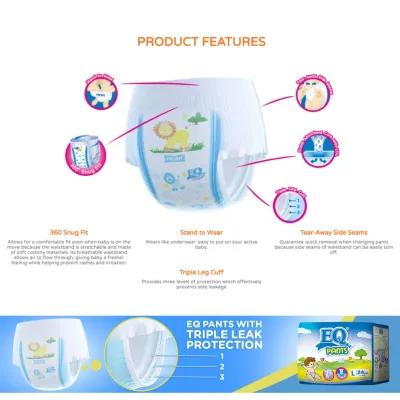
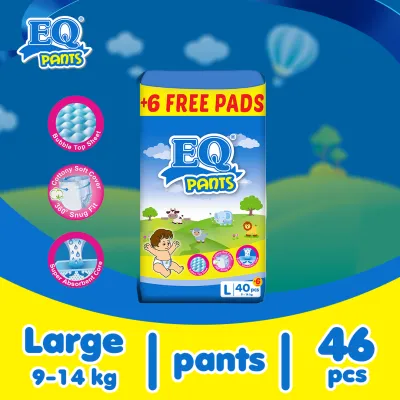
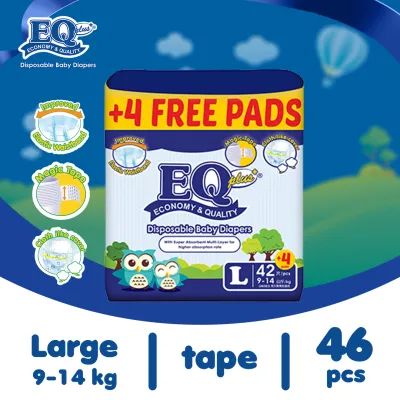
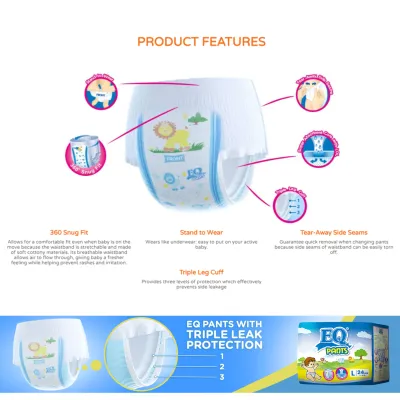
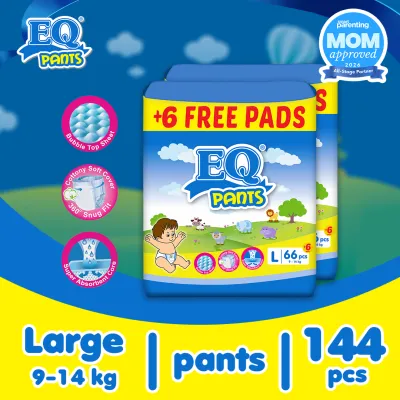
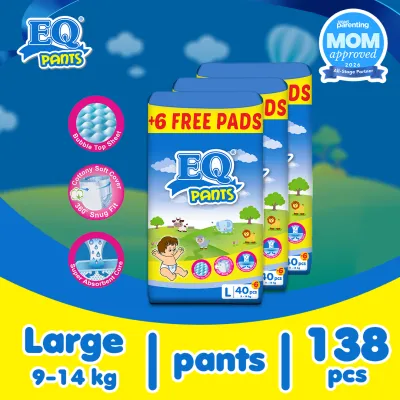
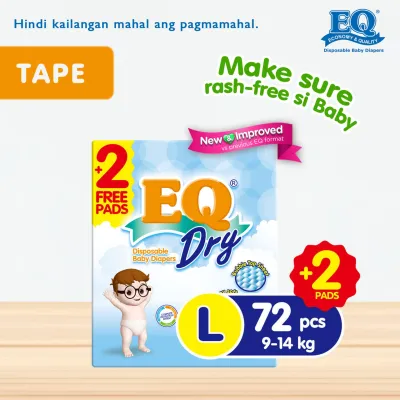
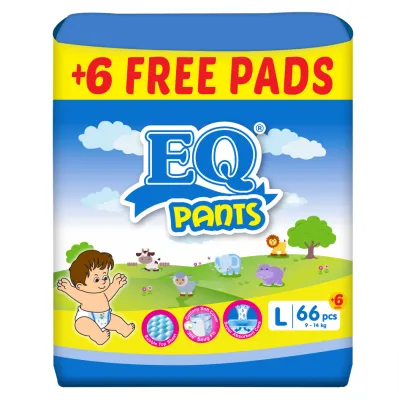
Prices are valid at publication and may change. Please refer to the product page for the latest price.
Finally, inspect the leg cuffs, which serve as the primary defense against side leaks. Run your fingers along the inner elastic barriers. You want to see double-layered leg gussets that stand upright when the diaper is opened. A taller, more robust leg cuff provides better containment, especially for babies who are constantly on the move or sleeping in various positions.
Finding the Right Fit for Your Baby’s Body Shape
Every baby grows at a different rate, and even babies of the exact same weight can have vastly different body proportions. Diaper manufacturers design their Large sizes to accommodate a specific weight range—typically starting around 9 kilograms and extending up to 14 kilograms—but you must always verify the specific weight and size guidelines on the product packaging, as these ranges can vary slightly by brand.

If your baby has chunky thighs and a round tummy, you need a diaper cut with a wider crotch area and highly elastic leg openings. A diaper that is cut too narrow will pinch the skin and restrict movement. Conversely, if your baby has a slender, long build, a narrower and longer diaper cut will prevent gaps at the waist and thighs. When trying a new brand, observe how the diaper sits on your baby. If you notice deep red marks around the thighs or waist after a few hours of wear, the elastic is too tight, or the cut is too small for their current shape.
As babies transition from sitting to active crawling and walking, their diaper needs change dramatically. A diaper that fits perfectly while your baby is lying down might sag or gap when they stand up. To accommodate this active stage, adjust your fastening technique. For a baby with a rounder belly, angle the fastening tabs slightly upward to secure the waist without pressing on the stomach. For an active crawler with slender legs, angle the tabs slightly downward to tighten the fit around the thighs and prevent leg-gap leaks.
Evaluating Absorbency and Skin Protection Features
Absorbency and skin protection are closely linked, especially in a tropical environment where trapped moisture can quickly lead to skin irritation. When evaluating these brands, start by locating the wetness indicator line. This line, usually running down the center of the diaper’s outer shell, changes color when exposed to liquid. While this is a helpful visual cue, always double-check by gently feeling the weight and fullness of the diaper, as indicators can sometimes react to high ambient humidity before the diaper is actually full.
Next, feel the inner lining of the diaper. A high-quality lining should feel soft, dry, and textured. Many brands use embossed patterns or specialized topsheets designed to quickly draw liquid away from the skin and lock it into the absorbent core. This moisture-wicking capability is crucial for keeping your baby’s skin dry during naptime and overnight sleep.
The breathability of the outer backsheet is another critical feature to observe. A breathable outer cover allows heat and moisture vapor to escape, keeping the diaper interior cooler. If you notice your baby’s skin feels damp and hot during changes, the diaper may lack sufficient breathability. Monitor your baby’s skin closely for any signs of redness, bumps, or diaper rash. Because every baby’s skin reacts differently to materials, fragrances, and lotions used in manufacturing, stop using any product immediately if irritation develops, and consult a pediatrician or qualified healthcare professional if the rash does not clear up quickly.
Assessing Value and Cost Per Diaper
Managing household expenses is a priority for many families, and diapers represent a significant recurring cost. To find the true value of each brand, you must look beyond the retail price of a single pack and calculate the cost per piece.
To do this, divide the total price of the diaper pack by the number of diapers inside. For example, if a pack costs ₱550 and contains 50 diapers, the cost per piece is ₱11.00. Keep a record of these unit prices across different pack sizes and retailers. Often, larger bulk boxes or mega-packs offer a lower cost per piece than small travel packs, though this requires a higher upfront investment.
You can also find significant savings by exploring e-commerce platforms and online marketplaces. Look for official brand stores that offer bulk bundles, seasonal vouchers, or subscription services that automatically deliver diapers at a discounted rate.
When assessing value, balance the cost per piece against the diaper’s performance. A cheaper diaper that leaks frequently may require you to change your baby more often, leading to higher overall consumption. Additionally, frequent leaks mean more laundry, higher water bills, and a greater risk of diaper rash, which requires expensive soothing creams. A slightly more expensive diaper that keeps your baby dry for longer stretches—especially overnight—can often turn out to be the more economical choice in the long run.
Final Decision Framework: Which Brand Should You Buy?
To make your final decision, match your baby’s physical needs and your household budget to the specific strengths of each brand. Use this conditional framework to guide your next purchase:
Choose Equator if your primary goal is finding a highly budget-friendly diaper for daytime use. This brand is excellent for frequent daytime changes, allowing you to keep your baby fresh without worrying about a high cost per piece. Ensure you verify the fit around the waist and legs to confirm it matches your baby’s shape.
Choose Pampers if your baby is highly active, crawling, or walking, and you prefer a thin, flexible diaper that contours closely to their body. This design minimizes bulk under lightweight clothing, making it a comfortable option for daytime play in warm weather.
Choose Huggies if your baby has a rounder build or chunky thighs and requires a robust, highly elastic waistband. The secure stretch helps contain messes at the back, while the sturdy leg cuffs provide reliable protection against leaks during active movement.
If you experience persistent leaks, frequent blowouts, or notice deep red marks on your baby’s skin regardless of the brand you choose, these are clear signs that it is time to size up. Transitioning to an Extra Large (XL) size often resolves these issues, even if your baby’s weight is still technically within the Large range.
Finally, before committing to a large bulk box of any brand, always purchase the smallest available trial pack. This allows you to test the fit, observe how the materials perform in local humidity, and verify that your baby’s skin does not experience any adverse reactions before you make a larger financial investment.

Community discussion
Share your experience or ask a question. Comments are reviewed before publication.