
Choosing between EQ Water Wipes and other popular wipes for sensitive skin depends on verifying the ingredient list, the wipe’s physical texture, and how your baby’s skin reacts to the formulation. While water-based wipes generally offer a minimalist approach to cleaning delicate skin, parents must look beyond marketing claims to check the exact preservatives and materials used. In tropical climates like the Philippines, where heat and humidity can exacerbate diaper rash and skin irritation, selecting a wipe with fewer chemical additives and a soft, non-abrasive texture is essential for maintaining a healthy skin barrier.
Understanding the Core Differences: Water Wipes vs. Standard Wipes
Water-based wipes and standard baby wipes serve the same basic purpose but differ fundamentally in their chemical composition. Minimalist water wipes typically consist of a very high percentage of purified water combined with a minimal preservation system to prevent microbial growth. In contrast, standard baby wipes often feature a more complex blend of cleansing agents, skin conditioners, fragrances, and multiple preservatives designed to extend shelf life and provide a lotion-like feel.
The complexity of a wipe’s formulation directly impacts the skin barrier, especially for infants with sensitive skin. A baby’s skin barrier is thinner and more permeable than adult skin, making it highly susceptible to irritation from synthetic additives. When a wipe contains numerous ingredients, the likelihood of a contact reaction increases, as each additional chemical represents a potential sensitizing agent.
Products mentioned in this guide
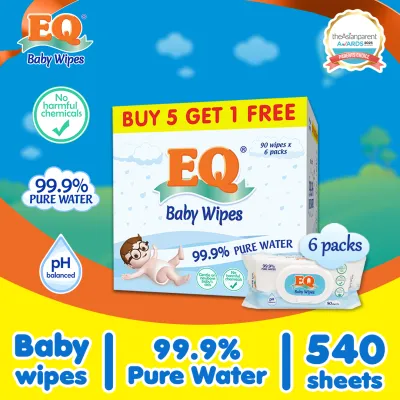
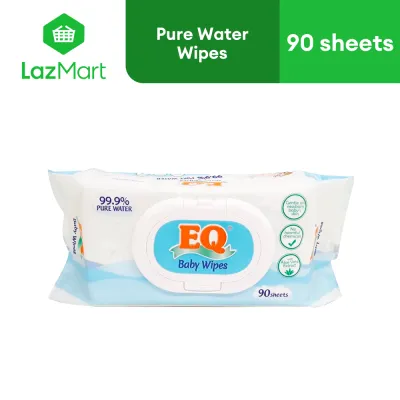
Prices are valid at publication and may change. Please refer to the product page for the latest price.
Preservative systems are necessary in all commercial wet wipes to prevent microbial growth in a moist environment. Minimalist formulations tend to use mild, highly targeted preservatives in low concentrations, whereas standard wipes may rely on broader-spectrum chemical preservatives that can sometimes strip natural lipids from the skin surface.
Beyond the liquid formulation, the physical texture of the wipe material plays a critical role in skin health. Wipes are generally manufactured with either an embossed (textured) or a smooth surface. Embossed wipes are designed to grab and lift messes efficiently, but on highly sensitive or already irritated skin, the raised patterns can cause friction and mechanical irritation. Smooth wipes glide more gently across the skin, minimizing friction during cleanup. In hot and humid conditions, where sweat and friction already compromise the skin barrier, a smooth, soft material is often preferred to prevent micro-tears and chafing.
Key Ingredients to Check on the Label
Reading the ingredient list on the back of a wipe package is the most reliable way to evaluate its suitability for sensitive skin. Parents should look for specific chemical names rather than relying solely on front-of-pack marketing claims. The order of ingredients matters, as components are listed in descending order of concentration, with water almost always appearing first.

Common irritants that parents should actively avoid on wipe labels include added fragrances, alcohol, and certain essential oils. Fragrances, even those labeled as natural, are among the leading causes of allergic contact dermatitis in infants. Alcohol, particularly isopropyl alcohol or denatured alcohol, can severely dry out the skin and damage the protective lipid barrier, leading to redness and peeling. Essential oils, while often marketed as soothing natural alternatives, can also trigger sensitivities and allergic reactions on delicate skin. For truly sensitive skin, fragrance-free and essential-oil-free formulations are generally the safest choice.
Verifying preservatives requires identifying specific chemical names on the ingredient list. Common preservatives found in baby wipes include phenoxyethanol, sodium benzoate, potassium sorbate, and citric acid. While these ingredients are generally considered safe in regulated concentrations, some babies may still exhibit sensitivity to specific preservatives, making it important to note which chemicals are present if a reaction occurs.
Marketing terms like “hypoallergenic” or “dermatologist-tested” are frequently used on wipe packaging but do not guarantee safety. “Hypoallergenic” simply means the product is formulated to minimize allergic risks, but there is no universal regulatory standard. Similarly, “dermatologist-tested” indicates a dermatologist oversaw a test, but it does not reveal the specific results. To make an informed decision, parents must look past these promotional labels and scrutinize the actual ingredient deck, where a shorter list is generally preferable for sensitive skin.
Comparing EQ Water Wipes and Popular Alternatives
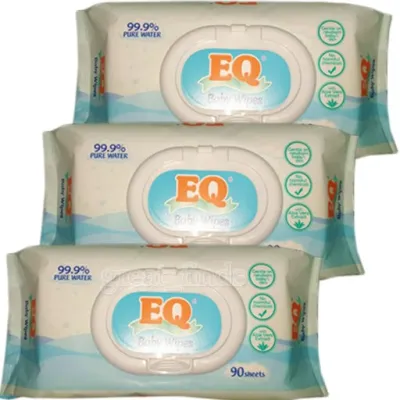
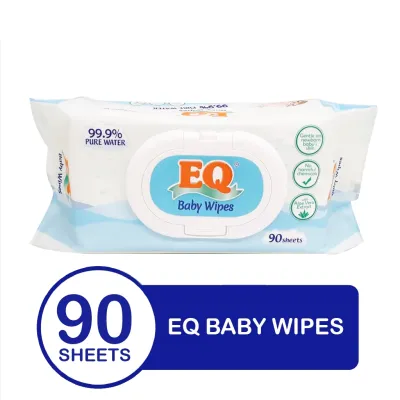
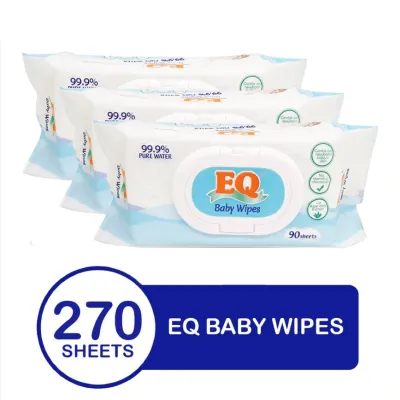
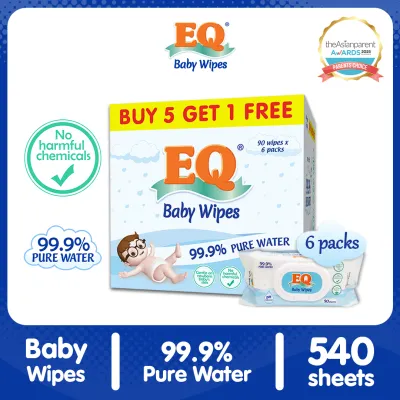
When comparing EQ Water Wipes to other popular alternatives, the primary point of comparison is ingredient simplicity. EQ Water Wipes focus on water-based purity to minimize the chemical load on a baby’s skin. While some popular wipes contain over a dozen ingredients, including various emollients, surfactants, and masking agents, minimalist water wipes typically restrict their formulation to water and a select few skin-conditioning or preserving agents. Fewer ingredients mean fewer opportunities for a baby’s skin to react negatively.
Physical attributes such as wipe thickness, moisture retention, and tear resistance also vary significantly between brands and affect daily usability. A wipe that is too thin may tear during use, leading to messy cleanups and requiring parents to use multiple sheets at once. Thicker wipes generally offer better barrier protection for the caregiver’s hands and tend to hold moisture more effectively over time. Moisture level is another critical factor, especially in tropical climates where dry wipes can drag painfully across sensitive skin. A high-quality water wipe should remain consistently moist from the top of the pack to the very last sheet.
To help you compare your current wipes with EQ Water Wipes and other options you are considering, use the customizable comparison table template below. You can fill in these details by examining the product packaging and performing a simple physical check of the sheets.
| Comparison Axis | EQ Water Wipes | Alternative Brand A | Alternative Brand B |
|---|---|---|---|
| Total Ingredient Count | Check package label | Check package label | Check package label |
| Primary Preservative | Identify chemical name | Identify chemical name | Identify chemical name |
| Fragrance Status | Fragrance-free / Scented | Fragrance-free / Scented | Fragrance-free / Scented |
| Wipe Texture | Smooth / Embossed | Smooth / Embossed | Smooth / Embossed |
| Thickness & Durability | Observe during use | Observe during use | Observe during use |
| Moisture Level | Observe during use | Observe during use | Observe during use |
By filling out this table with the specific brands available in your local stores, you can objectively assess which product offers the most minimalist formulation and the most practical physical design for your daily routine.
How to Test and Transition Wipes Safely
Introducing a new brand of wipes to a baby with sensitive skin requires a cautious, systematic approach to prevent widespread irritation. Even wipes formulated with minimal ingredients can occasionally cause a reaction if an infant has an individual sensitivity to a specific component. Performing a localized patch test is the safest way to evaluate compatibility before using a new product regularly.
To conduct a patch test, select a small, discreet area of your baby’s skin, such as the inner forearm or the upper thigh. Gently swipe the new wipe across this small patch of skin once or twice, then allow the area to dry naturally. Do not apply any other lotions, creams, or powders to this specific test area during the evaluation period.
Observe the test area closely over the next 24 to 48 hours for any signs of physical irritation or allergic reaction. Look for localized redness, small raised bumps, dry or flaky patches, or signs of itching, such as your baby scratching at the area. If the skin remains clear and shows no changes after 48 hours, the wipe is generally considered safe for wider use.
If you observe any adverse reactions during the patch test or subsequent use, stop using the wipes immediately. Wash the affected area gently with plain water to remove residue, and return to your previous trusted cleaning method. Parents should consult a pediatrician or a pediatric dermatologist if the skin irritation does not improve within a few days of stopping the wipes, or if the reaction is severe. Seek professional medical advice immediately if you notice signs of infection, such as open sores, oozing, or spreading redness.
Where to Buy and What to Verify Before Purchasing
To ensure you receive genuine, high-quality wipes, purchase them from reputable retail channels. Look for official brand stores, authorized physical supermarkets and drugstores, or verified flagship sellers on major e-commerce platforms. Avoid buying from unverified third-party sellers who offer prices that seem unusually low, as these products may be expired, damaged, or stored in high-heat environments that degrade the preservative system.
Upon receiving your purchase, perform a thorough physical inspection of the packaging before opening it. Check that the outer seal is completely intact and that there are no signs of leaking, punctures, or bloating in the plastic packaging. Locate the manufacturing and expiration dates printed on the package to ensure the wipes are well within their safe usage window. Using expired wipes is highly discouraged, as the preservative system may no longer be effective, increasing the risk of mold or bacterial growth within the moist pack.
To evaluate the true economic value of different wipe brands, calculate the cost per sheet rather than comparing the upfront package price in ₱. To do this, divide the total price of the pack by the number of individual wipes contained inside. This simple calculation allows you to compare the cost-efficiency of different packaging sizes and brands objectively, helping you balance your budget with your baby’s skin care needs.
Frequently Asked Questions (FAQ)
Can I use water wipes for newborns?
Yes, minimalist water wipes are often suitable for newborns, but parents must always verify the manufacturer’s specific age recommendations on the product label before use. A newborn’s skin is exceptionally thin, highly permeable, and still developing its natural protective barrier, making it highly sensitive to chemical additives. While minimalist formulations with high water content are designed to be as gentle as possible, professional pediatric advice should always override general product guidelines. If your newborn has extremely sensitive skin or a family history of severe eczema, consult your pediatrician before introducing any commercial wipe.
Do I need to rinse my baby's skin after using water wipes?
In most daily scenarios, rinsing is not necessary after using high-quality minimalist water wipes, as they are designed to leave negligible residue on the skin compared to standard lotion-based wipes. However, if your baby is currently experiencing an active diaper rash, has broken skin, or if the specific wipe label recommends rinsing, using plain water to rinse the area is highly beneficial. Rinsing helps ensure that even the mildest preservatives or cleansing agents do not remain trapped against compromised skin under a diaper, allowing the skin barrier to recover more quickly.
Community discussion
Share your experience or ask a question. Comments are reviewed before publication.