
Quick Answer: Is EQ the Best Water Wipe for Sensitive Skin?
There is no single baby wipe that serves as a universal solution for every infant, as sensitive skin triggers vary significantly from one child to another. A baby’s skin barrier can react to physical friction, specific chemical preservatives, or even natural botanical extracts. Finding the right product requires matching the wipe’s specific formulation and physical properties to your baby’s unique skin sensitivities.
EQ Water Wipes represent a highly reliable option for parents who prioritize minimalist ingredient lists and high water purity. These wipes are designed to minimize the risk of chemical contact dermatitis by excluding unnecessary additives. However, if your baby has highly reactive skin that chafes easily, you may occasionally need to look for alternative brands that offer thicker, more textured fabrics to reduce wiping friction, or specialized formulas recommended by a pediatrician for severe skin conditions like eczema.
To make an informed decision, you must look beyond front-of-pack marketing claims. This guide will help you understand how to analyze ingredient labels, assess fabric properties, and choose the most suitable wipe for your baby’s daily needs in our local climate.
Products mentioned in this guide
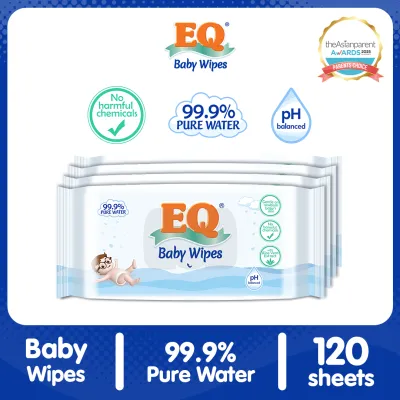
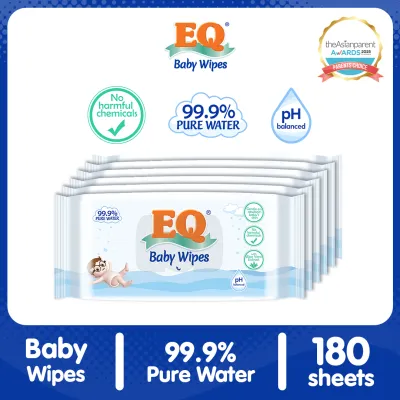
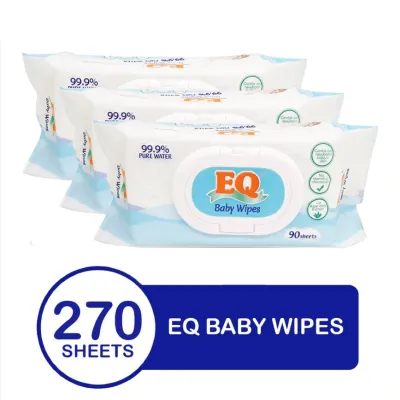
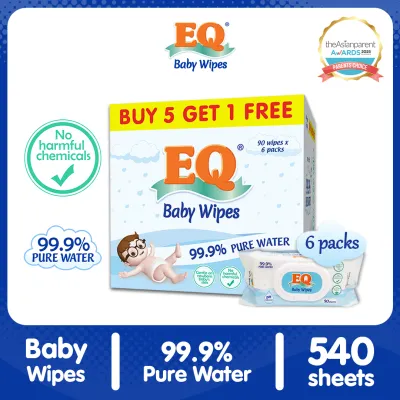
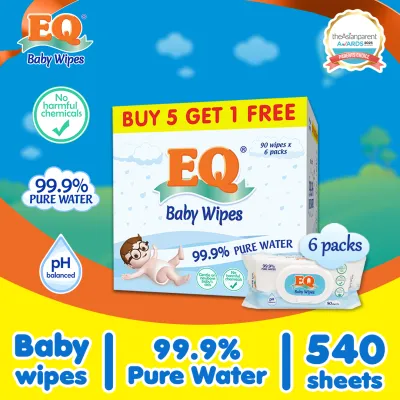
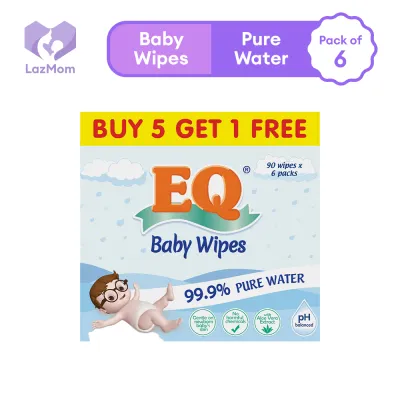
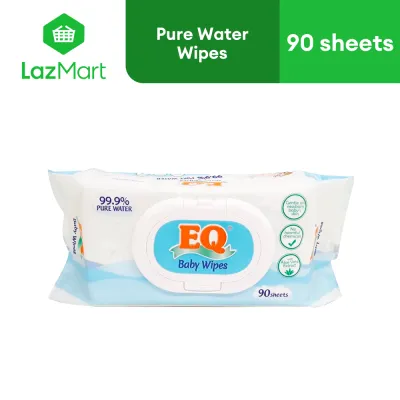
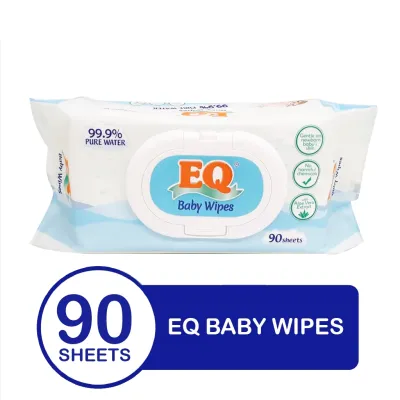
Prices are valid at publication and may change. Please refer to the product page for the latest price.
What Actually Makes a Wipe Safe for Sensitive Baby Skin?
Evaluating baby wipes for sensitive skin requires looking past generic promotional terms and examining the structural and chemical composition of the product. The skin of a newborn or infant is significantly thinner and more permeable than adult skin, making it highly susceptible to irritation and chemical absorption. Parents should focus on three primary factors when evaluating any water wipe brand.

Ingredient Minimalism and the Role of Additives
An ideal sensitive skin wipe relies on a highly simplified formula, typically consisting of 99.9% purified water and a minimal preservative system. Water serves as the primary cleansing agent, lifting dirt and waste from the skin without stripping natural lipids. While many commercial wipes include botanical additives such as aloe vera, chamomile, calendula, or essential oils under the guise of skin nutrition, these ingredients can actually act as sensitizing agents. For babies with compromised skin barriers or active rashes, these organic extracts can trigger allergic contact dermatitis, meaning a shorter ingredient list is almost always safer.
Material Composition and Physical Friction
How a wipe feels and behaves during use is just as important as its chemical formula. The base material of most baby wipes is a non-woven fabric, often created through a process called spunlacing, which blends fibers like polyester, viscose, or cotton. The thickness, density, and texture of this fabric directly influence mechanical friction during cleaning. Thin, flimsy wipes tend to tear or bunch up, requiring caregivers to wipe the same area multiple times. This repetitive rubbing damages the delicate outer layer of the skin, leading to redness and irritation. Thicker, softer, or embossed wipes clean more efficiently in fewer passes, significantly reducing physical trauma to the skin.
Preservative Safety in Humid Climates
A completely preservative-free wet wipe is a safety hazard. Because wet wipes are saturated with water and stored in sealed plastic packaging, they are highly susceptible to bacterial and fungal growth. This risk is amplified in warm, humid environments like the Philippines, where ambient temperatures accelerate microbial reproduction. A safe sensitive skin wipe must contain a mild, food-grade, or highly tolerated preservative system to keep the product sterile. Parents should verify that the product avoids harsh preservatives such as parabens, methylisothiazolinone (MI), and formaldehyde releasers, as well as drying alcohols and synthetic fragrances.
Navigating Marketing Claims
Terms like “hypoallergenic,” “dermatologist-tested,” or “organic” are often self-declared by manufacturers and are not subject to strict, standardized government regulations. A product labeled “for sensitive skin” may still contain synthetic fragrances or botanical extracts that trigger reactions in your specific child. Caregivers must develop the habit of turning the package over to read the actual ingredient list. If your baby experiences persistent redness after diaper changes, stop using the product immediately and consult a pediatrician or pediatric dermatologist to identify the specific trigger.
EQ Water Wipes: Core Features and What to Verify on the Label
EQ is a well-established brand in the Philippine market, widely recognized for offering practical, family-focused baby care products. Their water wipes are positioned specifically for newborns and babies with highly sensitive skin, emphasizing purity and a reduced chemical profile. When considering this product, parents should inspect the physical packaging to verify its specifications and suitability.
Water Purity Standards
When holding a pack of EQ Water Wipes, look at the label to identify the purification process used for the water content. High-quality water wipes typically utilize water that has undergone multiple stages of filtration, such as Reverse Osmosis (RO) or deionization, to remove dissolved solids, heavy metals, and chlorine. Verify the exact percentage of water claimed on the packaging; a standard sensitive-skin formulation should ideally consist of 99% to 99.9% purified water. This high water concentration ensures that the wipe cleanses as gently as a damp cotton ball.
Checking the Ingredient List
Turn the package over to inspect the complete ingredient declaration. Confirm the absence of added fragrances, ethyl alcohol, and parabens. Take note of the specific mild preservatives or conditioning agents used in the formulation. EQ Water Wipes typically utilize a highly restricted selection of ingredients to keep the formula stable without irritating the skin. If your baby has a known allergy to specific cosmetic preservatives or fruit-derived acids, cross-reference the package ingredients with your medical records before the first use.
Assessing Fabric and Usability
Before committing to a large stock, purchase a single pack to evaluate the physical properties of the wipe. Pull a sheet from the package and observe its thickness, stretch, and moisture retention. A good water wipe should feel sufficiently damp but not dripping wet, and it should retain its moisture even when exposed to the air for a few minutes during a diaper change. Note whether the fabric is smooth or features an embossed, honeycomb-like texture. Smooth wipes are excellent for cleaning delicate facial skin and hands, while textured surfaces are generally more effective at gripping and lifting stool in the diaper area.
Local Availability and Packaging Options
In the Philippines, EQ Water Wipes are widely available in major supermarkets, department stores, baby specialty shops, and official online brand stores. They are commonly sold in standard large packs (typically containing 80 wipes) with resealable lids, as well as smaller travel-sized packs (such as 20-count packs). For parents trying the brand for the first time, starting with a small travel pack is a cost-effective way to conduct a home skin compatibility test. If your baby’s skin remains clear and free of redness after several days of localized use, you can confidently transition to purchasing larger, multi-pack bundles.
How EQ Water Wipes Compare to Other Popular Brands
To help you decide whether EQ is the right choice for your household, it is helpful to compare its design and formulation philosophy against other categories of sensitive baby wipes available in the market. Different brands prioritize different features, creating distinct trade-offs in terms of ingredient purity, physical performance, and packaging convenience.
Label Verification Matrix
The table below outlines the key differences you should look for when comparing EQ Water Wipes with other common sensitive-skin options on store shelves.
| Wipe Category | Water Percentage | Key Preservatives & Additives | Fabric Thickness (Visual/Tactile Check) | Seal Type |
|---|---|---|---|---|
| EQ Water Wipes | High purity (typically 99.9%) | Minimal mild preservatives; zero added fragrances or alcohols | Standard thickness; smooth and soft spunlace fabric | Hard plastic flip-top lid or adhesive sticker |
| Standard Purified Water Wipes | Typically 99% to 99.9% | Mild preservatives; may contain trace fruit extracts | Medium to thick spunlace non-woven fabric | Hard plastic flip-top lid |
| Soothing Botanical Wipes | Often lower water percentage (e.g., 95% to 97%) | Added aloe vera, chamomile, or vitamin E; mild preservatives | Variable thickness; often embossed or textured | Resealable adhesive sticker or plastic cover |
Ingredient Minimalism vs. Added Soothers
EQ Water Wipes adhere strictly to an ultra-minimalist formulation philosophy. By focusing almost entirely on purified water and avoiding botanical additives, they minimize the number of chemical compounds that come into contact with your baby’s skin. This makes them highly suitable for newborns whose skin barriers are still developing and easily disrupted.
In contrast, some competitive sensitive wipes include soothing agents like aloe vera, chamomile, oat kernel extract, or vitamin E. While these additives can help moisturize dry, healthy skin, they introduce additional complex organic molecules. For babies with highly reactive skin or active diaper dermatitis, these botanical ingredients can cause stinging, burning, or allergic reactions. If your baby has a history of unexplained skin flare-ups, a minimalist formula like EQ is generally a safer starting point than a botanical-infused alternative.
Fabric Thickness and Wiping Friction
The physical structure of the wipe plays a major role in preventing mechanical irritation. Standard water wipes, including EQ, are designed to be soft and gentle, but fabric thickness can vary. A thinner wipe may require you to use multiple sheets per diaper change, increasing the number of times you must rub the baby’s skin. This repeated friction can strip away the skin’s natural protective oils, leaving it raw and vulnerable to diaper rash.
Some premium alternative brands offer thicker, heavyweight fabrics or heavily embossed patterns. These designs are highly efficient at trapping mess in a single pass, which minimizes skin contact and rubbing. When choosing between EQ and alternative brands, evaluate whether the thickness of the EQ wipe is sufficient to handle heavy diaper messes cleanly without requiring excessive scrubbing. If you find yourself needing to wipe repeatedly to clean thoroughly, switching to a thicker, more textured wipe may help reduce friction-induced redness.
Packaging Seals and Moisture Retention
The tropical climate of the Philippines presents a unique challenge for wet wipe storage. High ambient temperatures and humidity levels can cause the water in your wipes to evaporate quickly if the packaging is not sealed properly. Furthermore, once a package is opened, exposure to warm air can introduce airborne contaminants into the container.
EQ Water Wipes are available with hard plastic flip-top lids, which provide an airtight seal that helps preserve moisture from the first wipe to the last. Some budget-friendly alternative brands rely solely on simple adhesive sticker seals. These stickers often lose their stickiness over time due to dust, humidity, or repeated peeling, leading to dried-out wipes and potential bacterial contamination. When selecting a wipe for daily use, prioritizing packages with sturdy, functional flip-top lids is essential for maintaining hygiene and product longevity in a tropical environment.
Final Verdict: Which Wipe Should You Buy?
Choosing the best wipe for your baby involves balancing your child’s specific skin sensitivity, your daily usage patterns, and your budget. No single product is perfect for every scenario, but you can use the following decision framework to guide your next purchase.
- Choose EQ Water Wipes if: You want an ultra-minimalist, high-water-content wipe that minimizes the risk of chemical allergies. This option is ideal for newborns, daily cleaning of the face and hands, and babies who frequently react to botanical extracts, perfumes, or heavy lotions.
- Choose a Thicker Alternative Brand if: Your baby is prone to heavy, messy bowel movements, and you find that standard-thickness wipes require too much rubbing to clean thoroughly. A heavier, textured, or embossed fabric will help you clean your baby's diaper area in fewer passes, reducing mechanical friction and skin chafing.
- Choose a Lotion-Infused Sensitive Brand if: Your baby has excessively dry, flaky skin but does not suffer from active contact allergies or eczema. Wipes infused with mild moisturizers or barrier-supporting ingredients like vitamin E can help lock in moisture, provided your baby's skin tolerates these additives without redness.
- Verify First and Consult a Pediatrician if: Your baby has a diagnosed skin condition, such as severe eczema, psoriasis, or persistent, bleeding diaper rashes. In these situations, commercial wipes—even those labeled as 99.9% water—may cause discomfort. Your pediatrician may recommend using plain warm water with sterile cotton balls or prescribe a specialized medical-grade cleansing routine.
Safe Storage and Usage Tips for Tropical Climates
Maintaining the safety and efficacy of water wipes requires proper handling and storage, especially under the hot and humid conditions common in the Philippines. Because high-quality water wipes use very mild preservative systems, they are more vulnerable to environmental spoilage than standard wipes loaded with synthetic chemicals.
- Keep Out of Direct Sunlight and Heat: Store your wipe packages in a cool, dry place away from direct sunlight. Never leave diaper bags containing wet wipes inside a parked car, as the extreme heat buildup can degrade the mild preservatives, rendering them ineffective and allowing bacteria to multiply rapidly inside the package.
- Seal the Package Immediately: Always snap the plastic flip-top lid or press down the adhesive seal firmly immediately after retrieving a wipe. This prevents the top layers of wipes from drying out and blocks dust, insects, and airborne mold spores from entering the pack.
- Observe Caregiver Hygiene: Wash your hands thoroughly with soap and water before opening the package and handling the wipes. Avoid touching the opening of the dispenser or reaching back into the pack with soiled hands during diaper changes, as this can introduce contaminants to the remaining wipes.
- Inspect for Signs of Spoilage: Before using a wipe on your baby, perform a quick visual and sensory check. If the wipes develop an unusual sour or musty odor, show any discoloration, or feel unusually slimy or sticky, discard the entire package immediately. These are clear indicators of preservative failure and microbial contamination, which can cause severe skin infections on sensitive baby skin.
- Follow Manufacturer Expiry Dates: Pay close attention to the manufacturing and expiration dates printed on the packaging. Use opened packs within the timeframe recommended by the manufacturer (usually within 30 to 60 days of opening) to ensure the preservative system remains active and effective.

Community discussion
Share your experience or ask a question. Comments are reviewed before publication.