
As toddlers grow and reach their active milestone stages, finding a diaper that accommodates their larger size, prevents leaks, and keeps them comfortable throughout the day becomes a major priority for parents. For many families in the Philippines, transitioning to the largest standard size available—XXXL—is necessary when smaller sizes begin to leave red marks or fail to contain wetness. Among the popular choices on supermarket shelves, eq dry pants xxxl are frequently compared with equivalent offerings from Pampers and Huggies. Deciding which brand works best for your child requires looking beyond the brand name to evaluate how each diaper’s cut, waistband elasticity, core technology, and overall value align with your toddler’s unique body type and your family’s budget.
Managing diapering for a larger toddler involves balancing physical comfort with reliable performance. A diaper that is too tight can restrict movement and cause painful chafing, while one that is too loose will inevitably lead to leaks. Furthermore, the tropical climate of the Philippines introduces additional challenges, as heat and humidity can exacerbate skin irritation if a diaper lacks sufficient breathability. By understanding the design philosophies of these three major brands, you can make an informed decision that keeps your toddler dry and active without stretching your household expenses.
Quick Answer: Choosing the Right XXXL Dry Pant for Your Toddler
When selecting an XXXL dry pant, there is no single option that fits every toddler perfectly. The ideal choice depends on your child’s specific body shape, their daily activity level, and your purchasing preferences.
Products mentioned in this guide
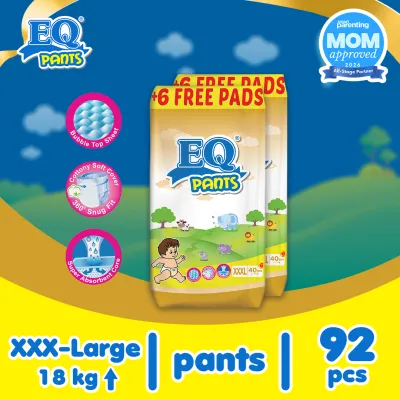
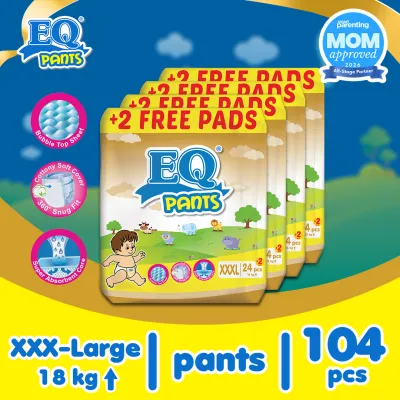
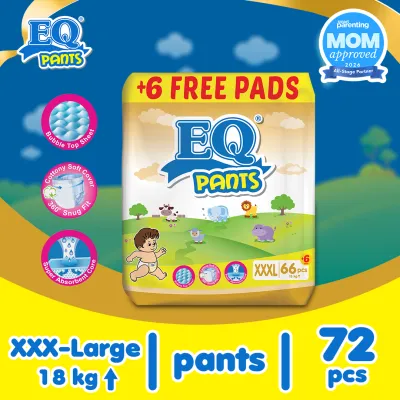
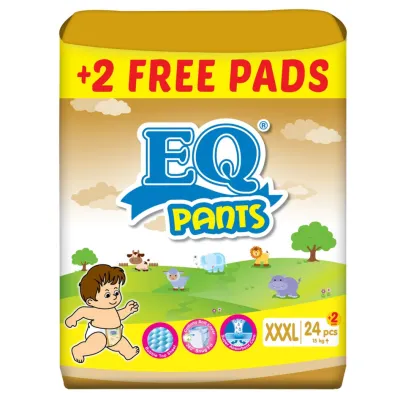
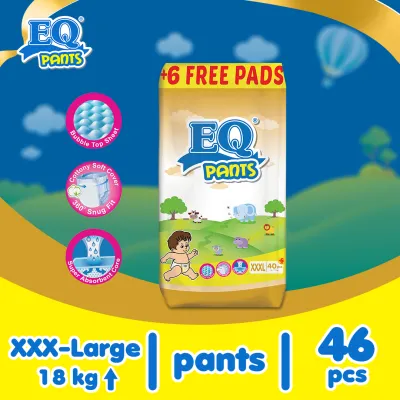
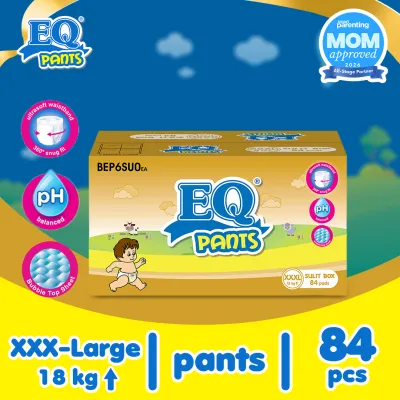
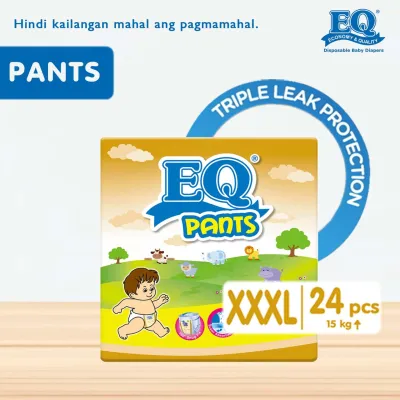
Prices are valid at publication and may change. Please refer to the product page for the latest price.
- Choose EQ Dry Pants if your primary goal is practical daily value and a roomier, classic cut that comfortably accommodates toddlers with chunkier thighs or wider bellies.
- Choose Pampers Dry Pants if you prioritize a slim, highly flexible, and lightweight fit that moves easily with an exceptionally active, fast-running toddler.
- Choose Huggies Dry Pants if you prefer a highly structured, secure waistband that sits high on the waist and offers robust containment for heavy wetters.
Because manufacturers periodically update their designs, materials, and sizing specifications, you should always verify the current weight ranges and packaging claims printed on the packs in local stores. The “best” brand is ultimately the one that matches your toddler’s unique anatomy and skin sensitivity while remaining sustainable for your monthly budget.
Sizing and Fit: Comparing EQ Dry Pants XXXL, Pampers, and Huggies Dimensions
Transitioning to an XXXL diaper size is a significant step, typically corresponding to toddlers who weigh anywhere from 18 kilograms up to 35 kilograms. However, these weight ranges are general guidelines, and actual fit varies widely between brands. Before purchasing a large pack, parents should check the exact kilogram recommendations printed on the current local packaging, as these specifications can change based on product updates. A toddler’s individual build—whether they have a round tummy, chunky thighs, or a taller, leaner frame—plays a massive role in how a diaper fits.

The general cut and silhouette of these three brands differ noticeably. EQ is widely recognized for offering a generous, roomier cut. This design is highly beneficial for toddlers with thicker thighs and rounder bellies, as it provides ample fabric coverage and minimizes the risk of the diaper digging into the skin. In contrast, Pampers typically features a more streamlined, contoured silhouette. This athletic cut is designed to reduce bulk under clothing, making it an excellent choice for taller, leaner toddlers who require a snug fit around the hips to prevent sagging.
Huggies generally occupies a middle ground, providing a sturdy and structured fit. The brand focuses heavily on a secure, high-waisted design that stays in place even when the diaper is fully saturated. This structural integrity helps prevent the diaper from sliding down during active play, ensuring that the absorbent core remains positioned correctly to capture wetness.
Waistband elasticity and leg cuff design are critical components of a dry pant’s fit. A high-quality waistband should utilize multiple thin strands of elastic rather than a single thick band, as this distributes tension more evenly across the toddler’s abdomen. The elastic must stretch easily when the child sits or climbs, then retract gently to form a secure seal. Leg cuffs must also be soft and highly flexible; they should sit comfortably in the groin crease without creating tight friction points. In the humid climate of the Philippines, stiff or overly tight elastics can trap sweat against the skin, leading to rapid chafing and discomfort.
To ensure your toddler is wearing the correct size and cut at home, you can perform a quick physical inspection using this simple checklist:
- Check for red marks: Examine your toddler's waist, hips, and inner thighs immediately after removing a used diaper. Deep, lingering red impressions indicate that the elastic is too tight or the diaper's cut is too small.
- Inspect the leg cuffs: Run your finger along the inner and outer leg guards after putting on a fresh diaper. Ensure that the outer ruffles are fully flared outward and not tucked inward, which is a common cause of leg leaks.
- Verify waistband height: The waistband should sit comfortably near or just below the belly button. If the diaper rides too low in the back or constantly slides down, it is a sign that you need a larger size or a more structured cut.
- Test the finger space: You should be able to easily slide two fingers inside the waistband and leg openings without feeling excessive resistance or pinching your fingers.
Absorbency and Leak Protection for Active, Larger Toddlers
As toddlers grow, their bladder capacity increases, meaning they release larger volumes of urine at one time. This requires an absorbent core capable of drawing liquid away from the skin rapidly and distributing it evenly throughout the diaper. Manufacturers use various proprietary terms to describe their core technologies, such as gel-infused channels, rapid-dry top sheets, or multi-layer distribution systems. These features are designed to prevent liquid from pooling in a single spot, which can cause the diaper to clump, sag, and leak.
When evaluating absorbency claims, it is helpful to understand how these technologies function in real-world conditions. EQ focuses on a reliable, high-capacity core designed to handle heavy wetting over extended periods, making it a popular choice for daytime wear. Pampers emphasizes a thin, highly advanced channel design that distributes moisture quickly along the length of the diaper, maintaining a slim profile even when wet. Huggies incorporates robust barrier guards and a fast-absorbing core aimed at locking away wetness quickly to protect active children during high-impact movement.
In the tropical heat of the Philippines, breathability is just as important as absorbency. When a diaper traps heat and humidity, the skin’s natural barrier weakens, making it highly susceptible to diaper dermatitis (diaper rash). A breathable outer backsheet allows moisture vapor to escape while keeping liquid locked inside. Parents should touch the outer cover of the diaper; a soft, fabric-like texture generally indicates better airflow than a stiff, plastic-like outer layer. Proper ventilation helps keep the skin dry and cool, reducing the likelihood of heat-induced rashes.
To assess how well a diaper’s absorbency is performing for your toddler, observe the diaper’s condition during changes. Note whether the core has clumped into heavy, isolated gel balls, which can restrict your child’s movement and cause discomfort. Gently touch the inner lining of a moderately wet diaper; it should feel dry to the touch, indicating that the core has successfully locked the moisture away. If the lining feels damp or slimy, the diaper may not be absorbing quickly enough for your toddler’s wetting habits.
While many premium diaper brands advertise up to 12 hours of dry protection, no disposable diaper is completely leak-proof. Relying solely on “overnight” marketing claims can lead to skin irritation and leaks if the diaper is left on too long. Maintaining a regular changing frequency—typically every three to four hours during the day, and immediately following any bowel movement—remains the most effective way to protect your toddler’s skin. Proper sizing, ensuring the leg guards are fully extended, and adjusting your child’s fluid intake before sleep are far more critical to leak prevention than relying on diaper capacity alone.
Price and Value: Evaluating Cost-Per-Piece in the Philippines
When managing a household budget, looking at the total price of a diaper pack can be misleading. A larger pack may seem expensive upfront, but it often provides a lower cost per individual diaper than a smaller, cheaper package. To determine the true value of any diaper brand, you must calculate the cost-per-piece. This is done by dividing the total retail price of the package by the exact number of diapers contained inside. Evaluating diapers on a cost-per-piece basis allows you to make direct, objective comparisons across different brands and pack sizes.
In the Philippine retail landscape, diaper brands are available in several configurations, ranging from small travel packs containing a few pieces to jumbo packs and massive bulk boxes. These products are sold across various channels, including local supermarkets, department stores, official brand flagship stores online, and verified distributors on reputable ecommerce platforms. Generally, purchasing bulk boxes or mega packs yields the lowest cost-per-piece, though it requires a higher immediate financial outlay. Conversely, smaller packs offer convenience and low upfront costs but carry a premium price per diaper.
It is important to avoid the trap of assuming that the cheapest diaper on the shelf represents the best value. A lower-cost diaper with poor absorbency or a weak fit can end up costing more in the long run. If a diaper leaks frequently, you will find yourself changing your toddler more often, resulting in higher daily diaper consumption. Additionally, frequent leaks increase your household expenses through additional laundry cycles, water usage, and detergent costs to clean soiled clothing and bedding. A slightly more expensive diaper that keeps your child dry for longer can actually reduce your overall weekly diaper usage and expenses.
To help you calculate and compare current diaper prices during your next shopping trip, you can use the simple matrix below. Because retail prices, discounts, and promotions fluctuate constantly, plugging in your local store’s real-time prices will give you the most accurate comparison:
| Brand and Pack Size | Total Pack Price (₱) | Number of Diapers | Calculated Cost-Per-Piece (₱) |
|---|---|---|---|
| Example: EQ Dry Pants XXXL Jumbo | Enter current price | Enter diaper count | Divide price by count |
| Example: Pampers Dry Pants XXXL | Enter current price | Enter diaper count | Divide price by count |
| Example: Huggies Dry Pants XXXL | Enter current price | Enter diaper count | Divide price by count |
Using this table helps strip away marketing distractions, allowing you to see exactly how much you are paying for each diaper change. Keep in mind that prices can vary significantly between physical supermarkets in urban areas and online stores, so it is often beneficial to compare prices across multiple retail channels before buying in bulk.
Final Decision Framework: Matching the Diaper to Your Toddler
Selecting the best XXXL dry pant requires matching the specific design characteristics of each brand to your toddler’s physical build and daily routine. By summarizing the key aspects of fit, absorbency, and value, you can establish a clear decision path:
- Choose EQ if your toddler has a sturdy, robust build with thick legs, and you need a highly cost-effective, roomy diaper for frequent daytime changes.
- Choose Pampers if your toddler is highly active, has a leaner frame, and you prefer a thin, flexible diaper that fits discreetly under clothing during outdoor play.
- Choose Huggies if you require a highly structured diaper with strong elastic containment to manage heavy wetting and active movement without slipping.
Before committing to a large, expensive bulk box of any brand, it is highly recommended to purchase small trial packs, single sleeves, or individual pieces if available at your local supermarket or neighborhood store. Because every toddler’s physical shape and movement patterns are unique, a diaper that works perfectly for one child might leak on another. Testing a small quantity first allows you to observe how the diaper fits, how well it absorbs your child’s output, and how the materials interact with their skin without risking a significant financial loss.
Finally, always prioritize your toddler’s skin health. Monitor their diaper area regularly for any signs of redness, chafing, or persistent diaper rash. If you notice skin irritation that does not improve with frequent changes and the application of a gentle barrier cream, stop using the diaper brand immediately. If skin issues persist, worsen, or cause your child visible discomfort, consult a pediatrician or qualified healthcare professional for guidance rather than continuing to experiment with different commercial diaper brands.
Frequently Asked Questions (FAQ)
When should I transition my toddler to XXXL diapers?
You should consider transitioning your toddler to XXXL diapers when you observe consistent physical signs that the XXL size is no longer adequate. These signs include deep, lingering red marks around your child’s waist or inner thighs, frequent leaks despite proper diaper application, and the waistband sitting significantly below the belly button. Additionally, if your toddler’s weight approaches or exceeds the upper weight limit specified on your current diaper packaging, moving up a size is usually necessary to ensure comfort and absorption.
Are pull-up pants better than tape diapers for larger toddlers?
Pull-up dry pants are generally highly beneficial for active, mobile toddlers who resist lying down for diaper changes, as they can be slipped on quickly while the child is standing. They also support toilet training by allowing toddlers to practice pulling their own pants up and down, fostering independence. However, tape diapers remain useful for overnight wear or for children with highly unique proportions, as they allow parents to customize the tightness around the waist and legs more precisely than pre-stitched elastic pants.
How can I prevent leaks at night for a heavy wetter in XXXL?
To minimize overnight leaks, ensure that the diaper’s leg cuffs are fully pulled out and flared rather than tucked inward before your toddler goes to sleep. Avoid putting overly tight pajamas or onesies over the diaper, as compression can force liquid out of the absorbent core. You can also try limiting your toddler’s fluid intake in the hour leading up to bedtime, and always ensure they are changed into a fresh diaper immediately before falling asleep. Always check the manufacturer’s guidelines on the packaging regarding overnight capacity and usage limits.

Community discussion
Share your experience or ask a question. Comments are reviewed before publication.